

2012-2015 Prius & Prius V Engine Fuse Box: The Hidden Failure After a Bad Jump Start
This complete guide covers the common failure points of the engine bay fuse box, especially the hard-to-replace internal fuse that can leave your car dead after an incorrect jump start.
- The most common cause of total failure is a reversed-polarity jump start, which blows an internal 125A fuse that is very difficult to replace.
- This fuse box does NOT require any programming or flashing; a used unit is a direct swap.
- When buying used, inspect carefully for any signs of corrosion (white/green powder) or melted plastic, as this indicates water or heat damage.
- This part fits the 2012-2015 Prius liftback and Prius V wagon, but NOT the Prius C or Prius Plug-in models.
Symptoms of a Failing Fuse Box
Fuse box problems can range from simple to catastrophic. While a single blown fuse is a minor issue, failure of the box assembly itself can cause widespread and confusing electrical problems.
1. Multiple Electrical Systems Fail at Once
The most severe symptom is a sudden loss of power to multiple, seemingly unrelated systems. This can include a complete no-start condition where the car won't enter "Ready" mode, the dashboard is dark, and power accessories don't work. 🎬 See this guide on troubleshooting a Prius that won't enter Ready mode This often points to a failure of a main fusible link inside the fuse box assembly.
2. Intermittent Electrical Gremlins
If you're experiencing bizarre issues—like lights flickering, wipers turning on by themselves, or random warning lights appearing and disappearing—it could be a sign of corrosion inside the fuse box. Water intrusion from clogged cowl drains or a bad windshield seal can damage the internal connections, leading to unpredictable behavior.
3. Melted Plastic or Signs of Burning
A visual inspection that reveals melted fuse sockets, discolored plastic, or a burning smell is a clear sign of a severe short circuit or overload within the fuse box. This indicates the box itself has been compromised and must be replaced.
4. Single Component Failure
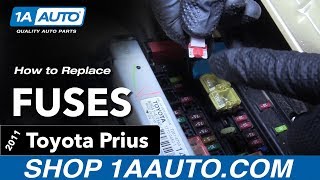
If only one specific item stops working (like the radio, a headlight, or the power outlet), the first step is to check the individual fuse for that circuit. The fuse box lid has a diagram showing which fuse protects which component. 🎬 Watch: How to find and replace individual fuses This usually does not mean the entire fuse box has failed.
Warning: The Jump Start Trap
The most common cause of catastrophic fuse box failure in the 3rd generation Prius and Prius V is an incorrect jump start. Accidentally reversing the polarity of the jumper cables (+ to -, - to +) can instantly blow a main 125-amp fusible link. This specific fuse is bolted deep inside the multi-layer fuse box assembly and is not designed to be easily serviced. In most cases, the official repair is to replace the entire engine fuse box assembly, which is a labor-intensive job.
Known Issues, Recalls, and Technical Service Bulletins (TSBs)
For the standard 2012-2015 Toyota Prius and Prius V, there are no widespread recalls or TSBs related to the engine bay fuse box assembly itself. However, there is a common point of confusion.
- Prius Plug-In Hybrid Recall (Not for standard Prius/Prius V): Toyota issued recall H0R (NHTSA 17V718000) for 2012-2015 Prius Plug-in Hybrid models. This recall addresses an EV fuse within the main hybrid battery pack that could fracture, potentially causing a loss of power. This recall does not apply to the standard Prius or Prius V and is unrelated to the engine bay fuse box discussed in this guide.
Buying a Used Fuse Box: What to Look For
Since this part does not require programming, a used OEM fuse box is an excellent, cost-effective solution. However, careful inspection is key to avoiding a bad part.
- Check for Corrosion: This is the #1 red flag. Look for any white or greenish powder on the terminals, connectors, or inside the fuse sockets. This indicates water damage, and the part should be rejected.
- Inspect for Heat Damage: Look closely at the plastic around all fuse and relay sockets. Any melting, warping, or discoloration means the box has been subjected to a serious overload and is unsafe to use.
- Ask About the Donor Vehicle: Inquire about the history of the vehicle the part came from. Specifically ask if it was a flood vehicle or if it was scrapped due to an electrical issue after a jump start. Avoid parts from flood-damaged cars at all costs.
- Verify Part Numbers: The main assembly is made of several components. While they are largely interchangeable for 2012-2015 models, it's wise to match the primary part number on the main body (like 82741-47020) to your original if possible.
- Fuses and Relays Not Included: Remember that used fuse boxes are typically sold as the bare assembly. You will need to carefully transfer all the fuses and relays from your old fuse box to the new one. Take a clear photo of your original fuse box before you begin to ensure everything goes back in the correct spot.
Pro Tip: An OEM used part is almost always a better choice than a new aftermarket one for this component. The quality of the internal wiring, connectors, and plastic molding on an original Toyota part is engineered for longevity and a perfect fit, which is critical for electrical reliability.
Replacement Overview
Replacing the engine bay fuse box is a moderately difficult job that can be done by a patient DIYer, but it requires care.
- Difficulty: 4 out of 5
- Estimated Time: 1.5 - 2.5 hours
- Process: The process involves disconnecting the 12V battery, removing the fuse box cover, unplugging dozens of electrical connectors from the top and bottom, unbolting the main power feeds, and releasing the mounting bolts and clips holding the assembly to the car's body. The box must often be shifted to the side to clear mounting pegs on the inner fender.
Cost of Replacement
The cost can vary significantly depending on whether you buy new or used parts and who performs the labor.
| Part Type | Estimated Cost |
|---|---|
| New OEM Assembly | $250 - $400 (for the various block and cover components) |
| New Aftermarket Assembly | Generally not available as a complete assembly. |
| Used OEM Assembly | $75 - $200 |
| Shop Labor | $150 - $300 |
Frequently Asked Questions (FAQ)
Does a replacement fuse box need to be programmed?
No. The engine bay fuse box for the 2012-2015 Prius and Prius V is a non-programmable part. It is a power distribution center and does not contain any software or vehicle-specific data. You can swap it with a compatible used unit without needing a trip to the dealer.
Why is my Prius dead after a jump start?
You most likely blew the main 125-amp fusible link inside the fuse box by accidentally reversing the jumper cables. This fuse protects the entire electrical system from a catastrophic surge. Its failure will cut power to most of the car, resulting in a no-start condition. The only fix is to replace the fusible link (which is very difficult) or the entire fuse box assembly.
Can I just replace the internal 125-amp fuse?
While technically possible, it is not recommended for most people. The 125A fuse is bolted deep inside the multi-layer assembly and requires completely disassembling the fuse box to access it. This is a complex and delicate process. For most DIY mechanics and even many professional shops, replacing the entire used assembly is faster, easier, and more reliable.
Does this fuse box fit the Prius C or Prius Plug-in models?
No. This specific fuse box assembly is for the standard 2012-2015 Prius liftback and Prius V wagon. It does not fit the smaller Prius C or the Prius Plug-in, which have different electrical architectures.
Helpful Videos
Technical Specifications
OEM Part Numbers: 82620-75010 82662-47150 82741-47020
Houses standard blade fuses, J-case fuses, relays, and a main 125A internal fusible link.
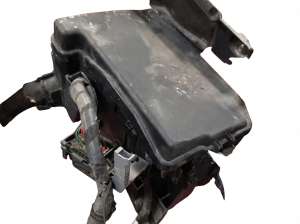
We Have This Part in Stock

The information in this article is provided for general reference and educational purposes only. Vehicle specifications, procedures, and part compatibility can vary by production date, trim level, and region. Always consult your vehicle's factory service manual and verify part numbers before purchasing or performing repairs. Safety-critical components such as airbags, seat belts, and braking systems should be installed by a qualified professional.
- Toyota Prius:
- Toyota Prius V:
- 🎬 Helpful Videos
- 🛍️ Shop This Part
- Symptoms of a Failing Fuse Box
- 1. Multiple Electrical Systems Fail at Once
- 2. Intermittent Electrical Gremlins
- 3. Melted Plastic or Signs of Burning
- 4. Single Component Failure
- Known Issues, Recalls, and Technical Service Bulletins (TSBs)
- Buying a Used Fuse Box: What to Look For
- Replacement Overview
- Cost of Replacement
- Frequently Asked Questions (FAQ)
- 🎟️ Get 5% Off