

Ford Explorer, Ranger, Mustang & More Fog Lamp Guide (2002-2019): Fitment, Failures, and Replacement
This guide clarifies the confusing variations of Ford's common bumper-mounted fog lamps, helping you identify the correct part for your Explorer, Ranger, Mustang, Focus, and other models.
- This is a guide for FOG LAMPS, not headlights. The specific part you need is highly dependent on your vehicle's year, model, and trim package (e.g., Mustang 'Pony Package', Explorer 'Ironman').
- The most common part number is 4F9Z-15200-AA, a round fog lamp that fits many models, but critical exceptions exist, such as the Ranger STX.
- Moisture and condensation inside the lens are very common failures indicating a bad seal; the best solution is to replace the entire assembly.
- When buying a used part, prioritize clear lenses, intact mounting tabs, and the absence of any internal moisture.
Understanding Ford's Common Halogen Fog Lamps
While many Ford vehicles appear to use similar round or rectangular fog lamps, the specific part numbers, mounting points, and vehicle compatibility can be confusing. This guide breaks down the most common fog lamp assemblies used across a wide range of Ford cars, trucks, and SUVs. It is crucial to identify your specific vehicle, year, and trim package to find the correct replacement. The most common reason for incompatibility is a special appearance package, like the Explorer 'Ironman' or Mustang 'Pony' package, which often used unique lighting.
Warning: This guide covers several different but related fog lamp assemblies. The part numbers are NOT interchangeable. Always verify your vehicle's specific package and match the part number or visual design before ordering.
Version 1: 2002-2005 Ford Explorer
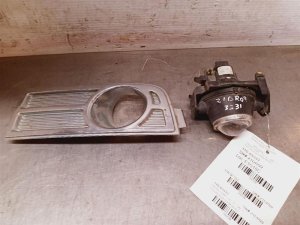
This rectangular fog lamp was fitted to the fourth-generation Explorer before its 2006 facelift.
🎬 Watch: How to remove fog lights and covers on this generation.- Vehicles: 2002-2005 Ford Explorer (XLT, NBX, Eddie Bauer, Limited)
- Known OEM Part Numbers: 1L2Z-15200-DA (Right/Passenger), 1L2Z-15200-DB (Left/Driver)
- Notes: This part has been discontinued by Ford, making used OEM or aftermarket parts the primary replacement options. When buying used, check the mounting tabs carefully, as they can be damaged during removal.
Version 2: 2006-2010 Ford Explorer & 2007-2010 Explorer Sport Trac
This assembly was used on the updated Explorer and its Sport Trac variant. It is crucial to check your vehicle's trim package.
🎬 See this step-by-step guide for replacing 2006-2010 Explorer fog lights.- Vehicles: 2006-2010 Ford Explorer, 2007-2010 Ford Explorer Sport Trac
- Known OEM Part Numbers: 6L2Z-15200-AA (Right/Passenger), 7L2Z15201AA (Left/Driver)
- Compatibility Warning: Does NOT fit models with the 'Ironman' package on the Explorer or the 'Adrenalin' package on the Sport Trac. These special editions used different fog lamp assemblies.
Version 3: The Widely-Used Round Fog Lamp
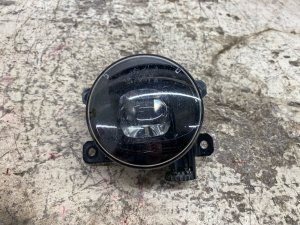
This round, 4-inch halogen fog lamp is one of Ford's most common units, used across many different platforms for over a decade. However, even with this common part, trim package exceptions are critical.
- Vehicles:
- 2005-2007 Ford Freestyle
- 2008-2009 Ford Taurus X
- 2006-2014 Ford Mustang (Specifically V6 with 'Pony Package' or GT 'California Special')
- 2008-2014 Ford Focus
- 2005-2011 Ford Ranger
- 2013-2018 Ford C-Max
- 2014-2019 Ford Fiesta
- 2013-2016 Ford Fusion
- Known OEM Part Numbers: 4F9Z-15200-AA (fits both left and right side)
- Compatibility Warning: This lamp does NOT fit Ford Ranger STX models from 2005-2007. It also does not fit standard Ford Mustang GT or V6 models without the specific grille/bumper that accommodates these lights.
Symptoms of a Failing Fog Lamp
Fog lamp failures are typically straightforward to diagnose.
- Burned-Out Bulb: The most common issue. If one light is out, the bulb is the first thing to check.
- Blown Fuse or Bad Relay: If both fog lights stop working at the same time, the fuse or relay is a likely culprit. A short circuit in the wiring can also cause the fuse to blow repeatedly.
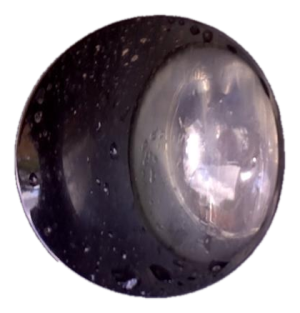
- Moisture or Condensation: A common problem where moisture gets trapped inside the lamp assembly. This indicates a failed seal and can lead to premature bulb failure and corrosion of the reflector.
- Cracked or Broken Lens: Due to their low mounting position, fog lamps are highly susceptible to damage from rocks and other road debris.
- Dim or Flickering Light: This can be caused by a failing bulb, a poor electrical connection at the plug, or a bad ground wire.
Pro Tip: When replacing a bulb, avoid touching the new glass with your bare hands. Oils from your skin can create hot spots on the bulb, causing it to burn out prematurely.
Buying a Used Fog Lamp Assembly
A used OEM fog lamp is often a great value, offering better quality materials and fit than cheap aftermarket alternatives. When inspecting a used part, look for these key things:
- Lens Clarity: Check for hazing, yellowing from UV damage, or deep scratches.
- No Moisture: The inside of the lens should be perfectly dry. Look for water lines or mineral deposits, which indicate a past or present leak.
- Intact Seals: Check the seal around the lens and especially the rubber gasket where the bulb socket twists in. A dry, cracked seal will not prevent moisture.
- Mounting Points: Inspect all mounting tabs and screw holes. These are often plastic and can easily break during a collision or careless removal. A lamp with a broken tab will not mount securely and will vibrate.
- Reflector Condition: The chrome reflector inside should be bright and shiny. A corroded or burnt reflector will significantly reduce light output.
- Part Number Match: If possible, match the OEM number stamped on the housing to your original part to guarantee correct fitment.
Replacement & Installation
Replacing a fog lamp assembly is generally a DIY-friendly job that requires basic hand tools.
- Access the Lamp: Access is typically gained from behind the bumper, either by removing a few screws from the fender liner and pulling it back, or by removing a lower splash shield.
- Disconnect Wiring: Unplug the wiring harness from the bulb. The bulb itself usually twists out of the housing with a quarter-turn.
- Remove Mounting Hardware: Most of these fog lamps are held in by three or four nuts or screws.
- Install New Lamp: Simply reverse the process. It's a good idea to test the light before you reassemble the fender liner or splash shield.
Aiming Your New Fog Lights
After installation, you must aim the fog lights. Improperly aimed lights are ineffective and can blind oncoming drivers. The goal is a low, wide beam with a sharp cutoff at the top.
- Park the vehicle on a level surface about 25 feet from a flat wall.
- Turn on the fog lights (and only the fog lights).
- The top of the fog light beam's brightest area should be at or just below the height of the fog lamp's center on the car.
- Each fog lamp has a vertical adjustment screw, usually accessible from the front or bottom of the assembly. Turning this screw will raise or lower the beam. 🎬 Watch: How to aim your fog lights the right way.
Cost of Replacement
| Part Type | Estimated Cost (Per Assembly) |
|---|---|
| New OEM | $90 - $200 |
| New Aftermarket | $30 - $75 |
| Used OEM | $40 - $85 |
| Shop Labor | $75 - $150 |
Frequently Asked Questions
Are these fog lights Halogen or LED?
From the factory, all of these fog lamp assemblies came with standard halogen bulbs. However, many owners upgrade to plug-and-play LED bulbs for a brighter, whiter light and longer lifespan. Complete LED fog lamp assemblies are also available from aftermarket suppliers.
My fog light is cracked but still works. Do I need to replace the whole assembly?
Yes. A cracked lens allows moisture to enter the housing, which will quickly cause the reflective chrome surface to corrode and the bulb to fail. For safety and proper function, the entire assembly should be replaced.
Why do my fog lights get condensation inside?
Condensation means the seal on the lamp housing has failed. This can happen due to age, heat from the bulb, or a poor seal from a cheap aftermarket unit. Once moisture gets in, it's very difficult to remove permanently. Replacing the assembly is the only reliable fix.
How do I know if this will fit my Ranger/Mustang with all the different packages?
The best way is to visually compare your existing fog lamp and its mounting location to photos of the replacement part. Pay close attention to the shape. For example, the Mustang 'Pony Package' uses round fog lights in the grille, while the standard GT has larger lights. The Ranger STX has a different bumper and fog light design than the XL or XLT models. When in doubt, check the OEM part number on your original light.
Helpful Videos
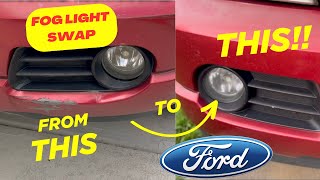
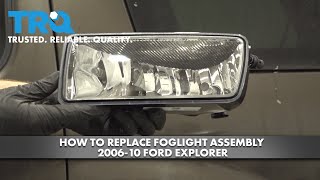
Technical Specifications
OEM Part Numbers: 1L2Z-15200-DA 1L2Z-15200-DB 4F9Z-15200-AA 6L2Z-15200-AA 7L2Z15201AA
Bulb Type: Halogen (typically H10/9145 for many models)
We Have This Part in Stock

The information in this article is provided for general reference and educational purposes only. Vehicle specifications, procedures, and part compatibility can vary by production date, trim level, and region. Always consult your vehicle's factory service manual and verify part numbers before purchasing or performing repairs. Safety-critical components such as airbags, seat belts, and braking systems should be installed by a qualified professional.
- Ford Explorer:
- Ford Explorer Sport Trac:
- Ford C-Max:
- Ford Fiesta:
- Ford Focus:
- Ford Freestyle:
- Ford Fusion:
- Ford Mustang:
- Ford Ranger:
- Ford Taurus X:
- Ford Transit Connect:
- Lincoln LS:
- Lincoln Navigator:
- 🎬 Helpful Videos
- 🛍️ Shop This Part
- Understanding Ford's Common Halogen Fog Lamps
- Version 1: 2002-2005 Ford Explorer
- Version 2: 2006-2010 Ford Explorer & 2007-2010 Explorer Sport Trac
- Version 3: The Widely-Used Round Fog Lamp
- Symptoms of a Failing Fog Lamp
- Buying a Used Fog Lamp Assembly
- Replacement & Installation
- Aiming Your New Fog Lights
- Cost of Replacement
- Frequently Asked Questions
- 🎟️ Get 5% Off