

2009-2013 Kia Soul Horn: Solving a Weak or Silent Horn and Decoding High/Low Tones
This guide explains common horn failures on the first-generation Kia Soul, how to diagnose them, and the critical difference between the high and low-tone horns.
- The 2009-2013 Kia Soul uses a dual-horn system with separate high-tone and low-tone parts; a weak horn usually means one has failed.
- Before replacing the horn, always check the horn fuse and listen for the relay click to rule out simpler electrical issues.
- You can often replace the horn by removing only the driver's side headlight, a much faster method than removing the entire front bumper.
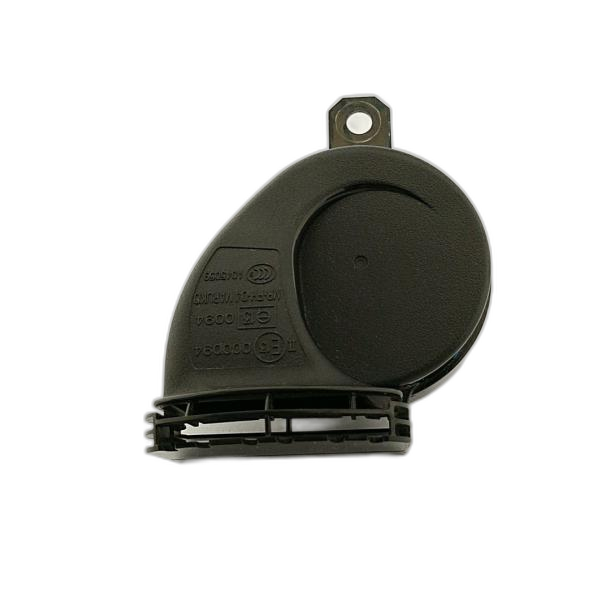
- When buying a used horn, you must verify if you need the high or low-tone version by checking the part number on your existing horn.
Symptoms of a Failing Horn
Horn problems on the 2009-2013 Kia Soul usually fall into a few common categories. Diagnosing the issue often starts with what you hear—or don't hear—when you press the horn button.
1. Horn is Completely Silent
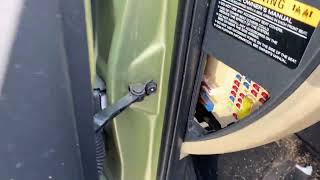
If there is no sound at all when you press the horn, the issue is likely electrical. The most common culprits are a blown fuse or a bad horn relay. Start by checking the fuse box; your owner's manual will show the location of the horn fuse. 🎬 Watch this quick guide to find your Kia Soul fuse boxes. If the fuse is good, the next step is to listen for a 'click' from the relay when the horn button is pressed. If you hear a click, the relay is likely working, and the problem may be the horn unit itself or the wiring to it. If there's no click, the relay is a strong suspect.
2. Horn Sounds Weak, Raspy, or Different
A horn that sounds noticeably quieter or has a changed, distorted tone often points to a failure of one of the two horn units. The 2009-2013 Kia Soul uses a high-tone and a low-tone horn that work in tandem. If one fails, the remaining horn will still sound, but it will be quieter and have a different pitch. This can also be caused by corrosion inside the horn assembly or a poor ground connection, which restricts the electrical current needed to produce a full-volume sound.
3. Horn Works Intermittently
An intermittent horn can be frustrating to diagnose. It could be caused by a failing horn relay that only works sometimes, a loose connection in the wiring, or a problem in the steering wheel's horn switch or clock spring. If the horn only works when the steering wheel is in a certain position, it strongly suggests a problem with the clock spring—a coiled wire that maintains electrical connections as the wheel turns.
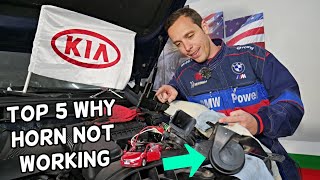
🎬 See a breakdown of the top 5 reasons Kia horns fail.Important Note on Dual Horns: This vehicle is equipped with two separate horns: a high-tone and a low-tone. They are not the same part. If you are replacing only one, you must verify which one has failed to ensure you purchase the correct replacement.
Known Issues, Service Bulletins, and Recalls
While there are no specific NHTSA safety recalls for the horn on the 2009-2013 Kia Soul, Kia did issue a Service Action (SA144) for some 2010-2011 models. This action addressed horns with a distorted or irregular sound. Dealers were instructed to inspect the horn and replace it if necessary. Later model year Souls (2020-2025) have a warranty extension for horn issues related to internal corrosion, indicating a pattern of potential moisture-related failures, though this does not officially cover the 2009-2013 generation.
Buying a Used 2009-2013 Kia Soul Horn
A used OEM horn is an excellent, cost-effective choice for this repair. Since aftermarket horns can have a different tone, a used original part ensures the sound matches the remaining factory horn (if you're only replacing one) and that the fitment is perfect.
What to Check Before You Buy:
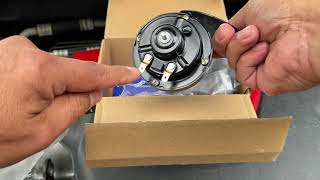
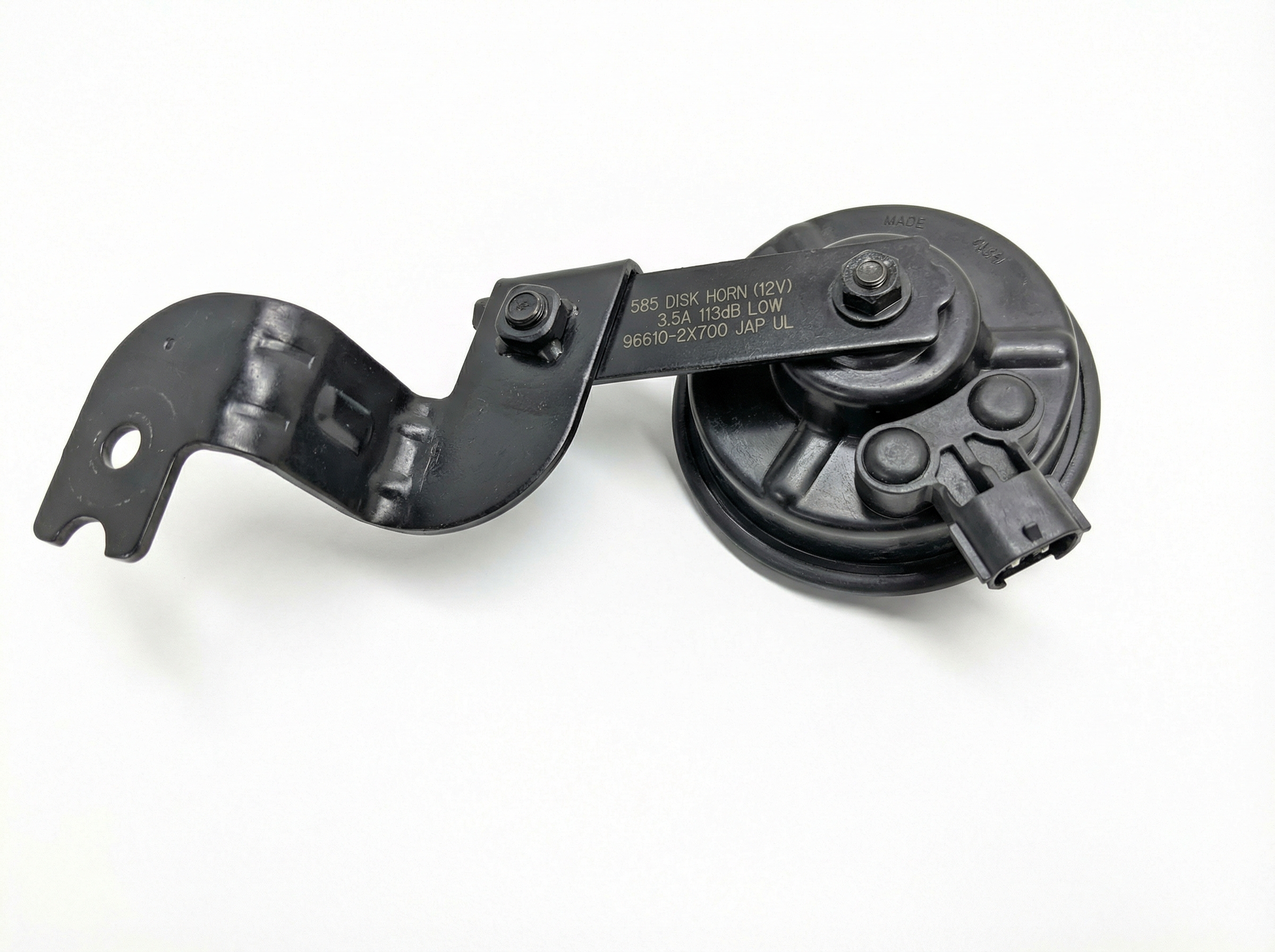
- Verify High or Low Tone: This is the most critical step. The horns are often marked, but the part numbers are the definitive way to tell. Low-tone horns often have part numbers like 96610-2K100 or 96610-2K700. High-tone horns will have a different part number. Confirm which one you need before ordering. If you are unsure, it's often wise to replace them as a pair.
- Inspect the Connector: Look for any signs of corrosion (green or white powder) on the electrical pins. A clean connector is essential for a good connection.
- Check the Housing: Inspect the plastic or metal housing for cracks or significant damage. While located behind the bumper, road debris can sometimes cause physical damage.
- Examine the Mounting Bracket: Ensure the metal bracket is intact and not bent or rusted through. A solid mount is necessary for the horn to resonate properly.
Cost Comparison for Kia Soul Horn Replacement
Prices can vary, but this table provides a general estimate for replacing a single horn unit.
| Part Type | Estimated Cost |
|---|---|
| New OEM | $40 - $75 |
| New Aftermarket | $20 - $40 |
| Used OEM | $20 - $45 |
| Shop Labor | $120 - $176 |
Step-by-Step Diagnosis & Replacement
Replacing the horn on a first-generation Soul is a straightforward job. The horns are located behind the front bumper cover, usually mounted to the radiator support.
Installation Difficulty: 2/5 (Easy to Moderate)
Estimated Time: 0.5 - 1.5 hours
Diagnosis Procedure:
- Check the Fuse: Locate the horn fuse in the fuse panel and visually inspect it. Replace if blown.
- Listen for the Relay: Have a helper press the horn while you listen for a click from the horn relay in the engine bay fuse box. No click points to a bad relay or a problem with the horn button/clock spring.
- Test the Horn Directly: If the fuse and relay are good, you can test the horn itself. Disconnect the electrical connector and use jumper wires to apply 12V power directly from the battery to the two terminals on the horn. If it doesn't sound, the horn unit has failed.
Replacement Walkthrough:
While some service manuals suggest removing the entire front bumper, many owners have found a much quicker shortcut.
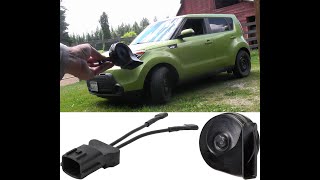
Pro Tip: You can often access the horn(s) by removing the driver's side headlight assembly instead of the whole bumper. 🎬 Watch: Replace your horn in 10 minutes without removing the bumper. This involves removing a few 10mm and 12mm bolts holding the headlight, which provides enough room to reach down and unbolt the horn.
- Disconnect the negative battery terminal.
- Remove the plastic radiator cover panel by popping out the plastic clips.
- (Shortcut Method) Remove the bolts securing the driver's side headlight (typically two 10mm bolts on top and one 12mm). Carefully pull the headlight assembly forward and set it aside without unplugging it.
- (Standard Method) Follow instructions to remove the front bumper cover, which involves removing screws in the wheel wells and clips along the top and bottom.
- Locate the horn(s) mounted to the frame or radiator support.
- Disconnect the electrical connector by pinching the release tab.
- Remove the single bolt (usually 12mm) holding the horn bracket.
- Install the new horn, reconnect the electrical plug, and reinstall the headlight or bumper in the reverse order of removal.
- Reconnect the battery and test the new horn.
Frequently Asked Questions (FAQ)
Why did my Kia Soul horn suddenly stop working?
The most common reason for a sudden and complete failure is a blown fuse or a bad horn relay. Start your diagnosis by checking these two simple and inexpensive components first.
My horn sounds weak. Do I need to replace both?
Not necessarily. A weak sound usually means one of the two horns (high or low tone) has failed. You can replace just the failed unit. However, if one has failed due to age, the other may not be far behind. Replacing them in pairs ensures a strong, correct sound and is often done as preventative maintenance.
How do I know if I need the high-tone or low-tone horn?
The best way is to check the part number on the horn you are replacing. OEM parts catalogs list specific part numbers for the low-pitch horn, such as 96610-2K100 and 96610-2K700. If you cannot access the old part, a Kia dealer's parts department may be able to identify the correct part for your VIN.
Is it illegal to drive without a working horn?
Yes, in most states and jurisdictions, a functioning horn is a legal requirement for motor vehicles to be considered roadworthy. Driving without one can be a safety hazard and may result in a traffic ticket.
Helpful Videos
Technical Specifications
OEM Part Numbers: 96610-2K100 96610-2K700 96610-2K700-DS 96610-2K900-DS 966102K100 966102K900 966103K001
12-volt operation. Dual-tone system (High and Low pitch).
We Have This Part in Stock

The information in this article is provided for general reference and educational purposes only. Vehicle specifications, procedures, and part compatibility can vary by production date, trim level, and region. Always consult your vehicle's factory service manual and verify part numbers before purchasing or performing repairs. Safety-critical components such as airbags, seat belts, and braking systems should be installed by a qualified professional.
- Kia Soul:
- 🎬 Helpful Videos
- 🛍️ Shop This Part
- Symptoms of a Failing Horn
- 1. Horn is Completely Silent
- 2. Horn Sounds Weak, Raspy, or Different
- 3. Horn Works Intermittently
- Known Issues, Service Bulletins, and Recalls
- Buying a Used 2009-2013 Kia Soul Horn
- What to Check Before You Buy:
- Cost Comparison for Kia Soul Horn Replacement
- Step-by-Step Diagnosis & Replacement
- Diagnosis Procedure:
- Replacement Walkthrough:
- Frequently Asked Questions (FAQ)
- 🎟️ Get 5% Off