

2013-2025 Pathfinder, QX60 & JX35 Horn Failure: Diagnosis & Replacement Guide
Learn to diagnose, replace, and choose the correct used OEM horn for your 2013-2025 Nissan Pathfinder, 2014-2025 Infiniti QX60, or 2013 Infiniti JX35.
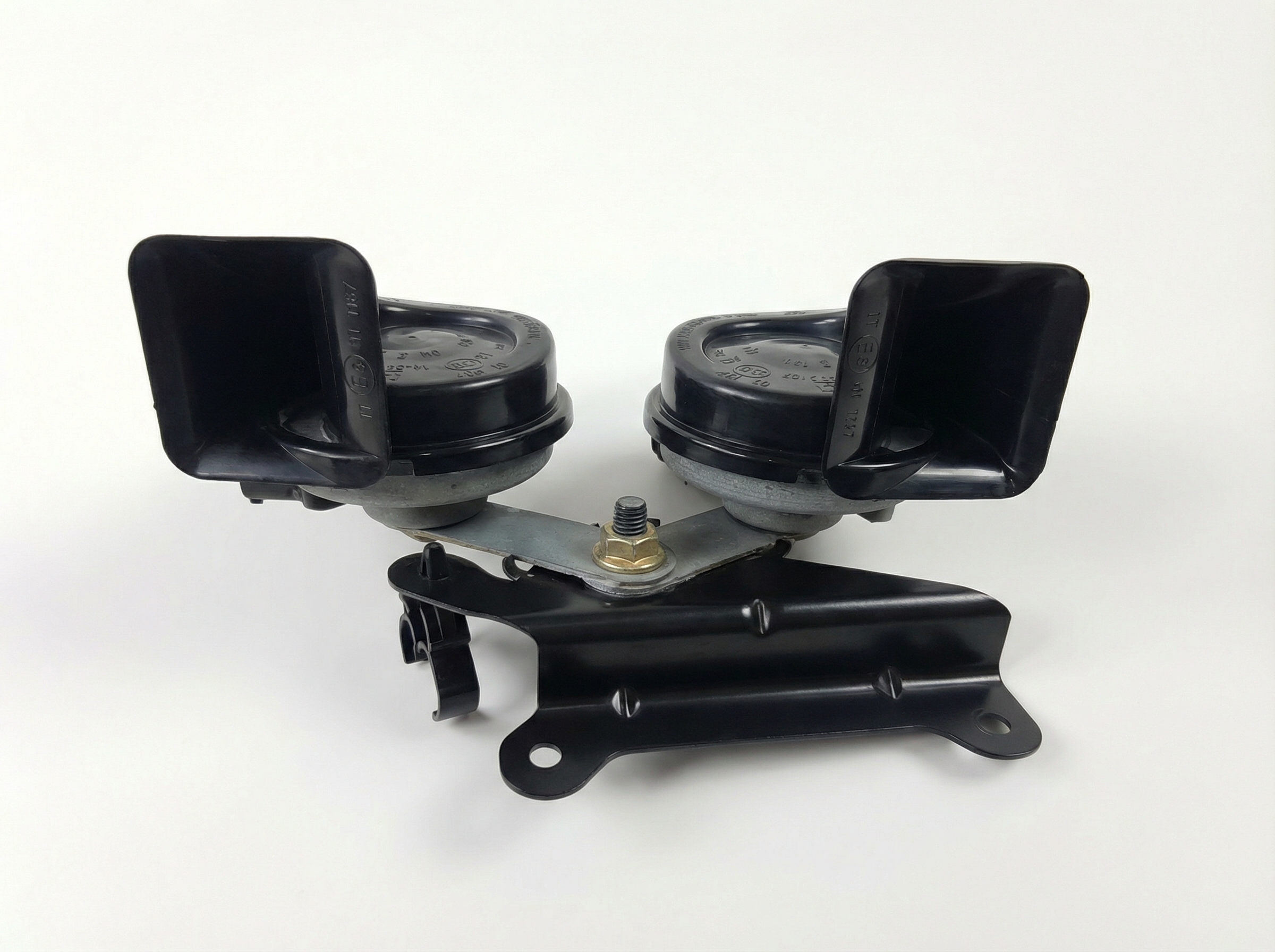
- These vehicles use two separate horns: a high-note (25610-3KA0A) and a low-note (25620-3KA0A). Verify which one has failed before buying a replacement.
- Common failure symptoms include a completely silent horn, a weak/muffled sound (indicating one of the two has failed), or a clicking noise from the relay without a honk.
- Always check the 15A horn fuse and swap the horn relay with an identical one before condemning the horn itself.
- Replacement is DIY-friendly, typically requiring removal of the upper radiator cover for access behind the grille. No bumper removal is usually necessary.
Symptoms of a Failing Horn
Horn problems on the 2013-2025 Nissan Pathfinder, 2014-2025 Infiniti QX60, and 2013 Infiniti JX35 are usually straightforward. Here are the most common signs of failure:
- No Sound at All: When you press the horn button, nothing happens. This is the most common failure and can be caused by a blown fuse, a bad relay, a wiring issue, or failed horns.
- Weak or Muffled Sound: The horn makes a noise, but it's quiet, weak, or sounds "sick." This often happens when one of the two horns (high or low note) has failed, leaving the other to work alone. It can also be caused by corrosion or a poor electrical connection.
- Clicking Sound from Under the Hood: You press the horn button and hear a click from the engine bay, but the horn doesn't sound. This is a classic symptom of a bad horn relay; the relay is engaging but failing to send power to the horns themselves. It could also mean the horns have failed but the control circuit is working. 🎬 Watch: Why you should check this before the fuse or relay.
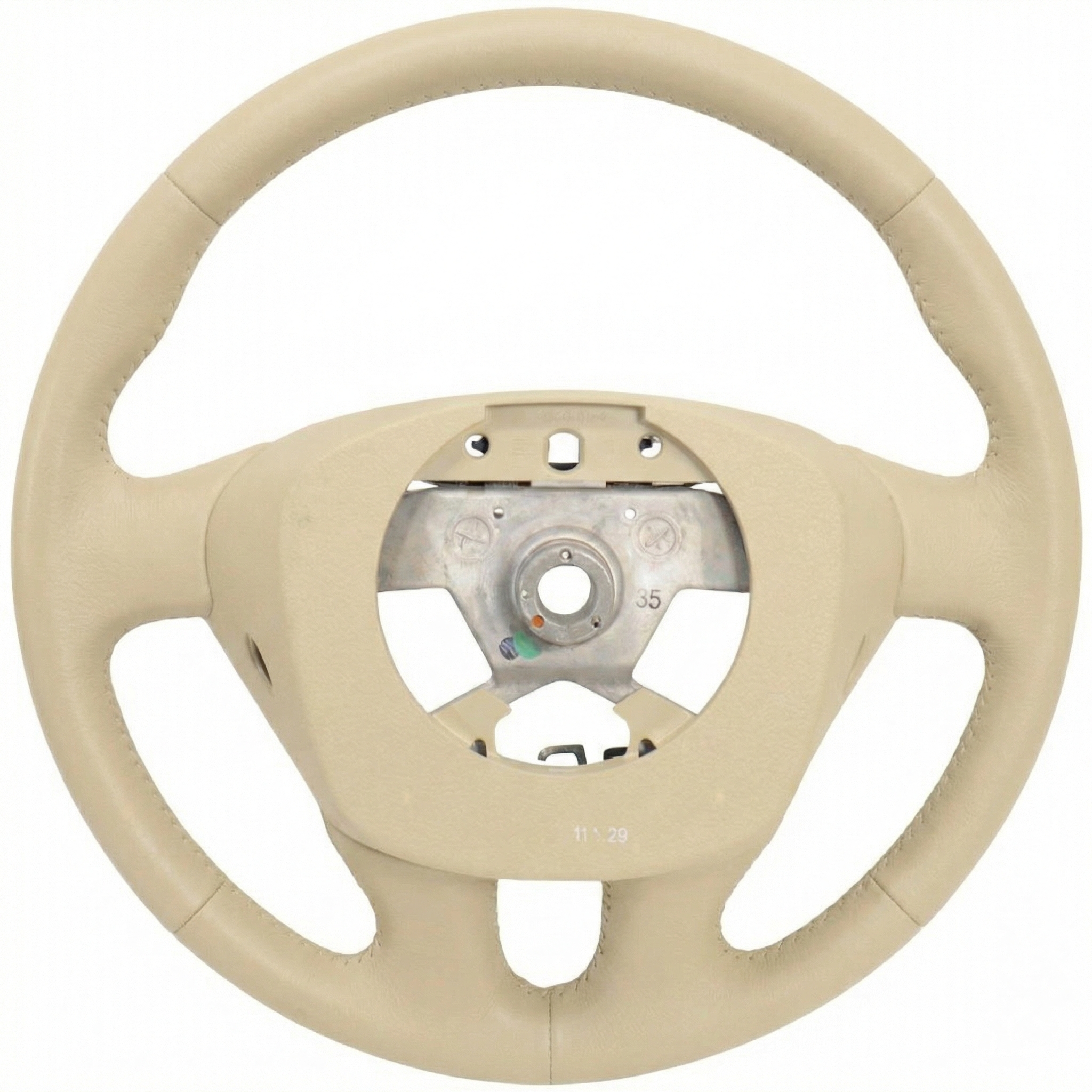
- Horn Works Intermittently: The horn only works sometimes, or only when the steering wheel is in a certain position. This often points to a problem with the horn switch in the steering wheel or a failing clock spring.
Diagnosing the Horn System: A Step-by-Step Guide
Before buying a replacement part, follow these steps to find the source of the problem. You'll need a basic multimeter or a 12V test light.
- Check the Horn Fuse: The first and easiest check. Locate the fuse box in the engine compartment. The fuse for the horn is typically a 15A fuse. Consult your owner's manual for the exact location. Pull the fuse and inspect it; if the metal strip inside is broken, it's blown. Replace it with a fuse of the same rating. If the new fuse blows immediately, you have a short circuit that needs further investigation.
- Test the Horn Relay: The horn relay is also usually in the engine bay fuse box. When you press the horn, you should feel or hear a faint click from the relay. An easy way to test it is to swap it with an identical relay from the same fuse box (for a non-critical system like the fog lights). If the horn works with the swapped relay, you've found your problem.
- Test for Power at the Horns: This step confirms whether the issue is the horn itself or the wiring. The horns are located behind the front grille. You may need to remove the plastic radiator cover for access. Unplug the electrical connector from one of the horns. Have a helper press the horn button while you use a multimeter to check for 12V at the connector. If you get 12V, the wiring, fuse, and relay are good, and the horn assembly itself has failed.
- Test the Horn Directly: If you suspect the horn is bad, you can test it directly. Disconnect it from the vehicle and use jumper wires to connect its terminals directly to a 12V car battery. If it makes a sound, the horn is good. If not, it has failed.
Pro Tip: If the horn only works when the steering wheel is turned, the problem is almost certainly a worn-out clock spring (also called a spiral cable) inside the steering column. This part contains flexible wiring that allows the steering wheel buttons and airbag to stay connected while the wheel turns.
Buying a Used Horn: What to Check
A used OEM horn is an excellent, cost-effective replacement. Since horns are not a high-wear item, a recycled part from a low-mileage vehicle can provide years of service. Here’s what to look for:
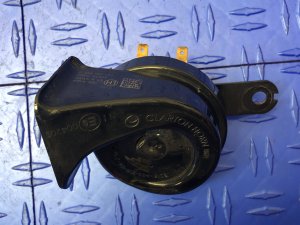
- High-Note vs. Low-Note: This is the most critical check. These vehicles use a high-note and a low-note horn that work as a pair. Most listings are for a single horn. Before buying, determine which of your horns has failed. You can do this by unplugging one at a time to see which one is silent. Part numbers are the best way to confirm: 25610-3KA0A is typically the high-note horn and 25620-3KA0A is the low-note horn.
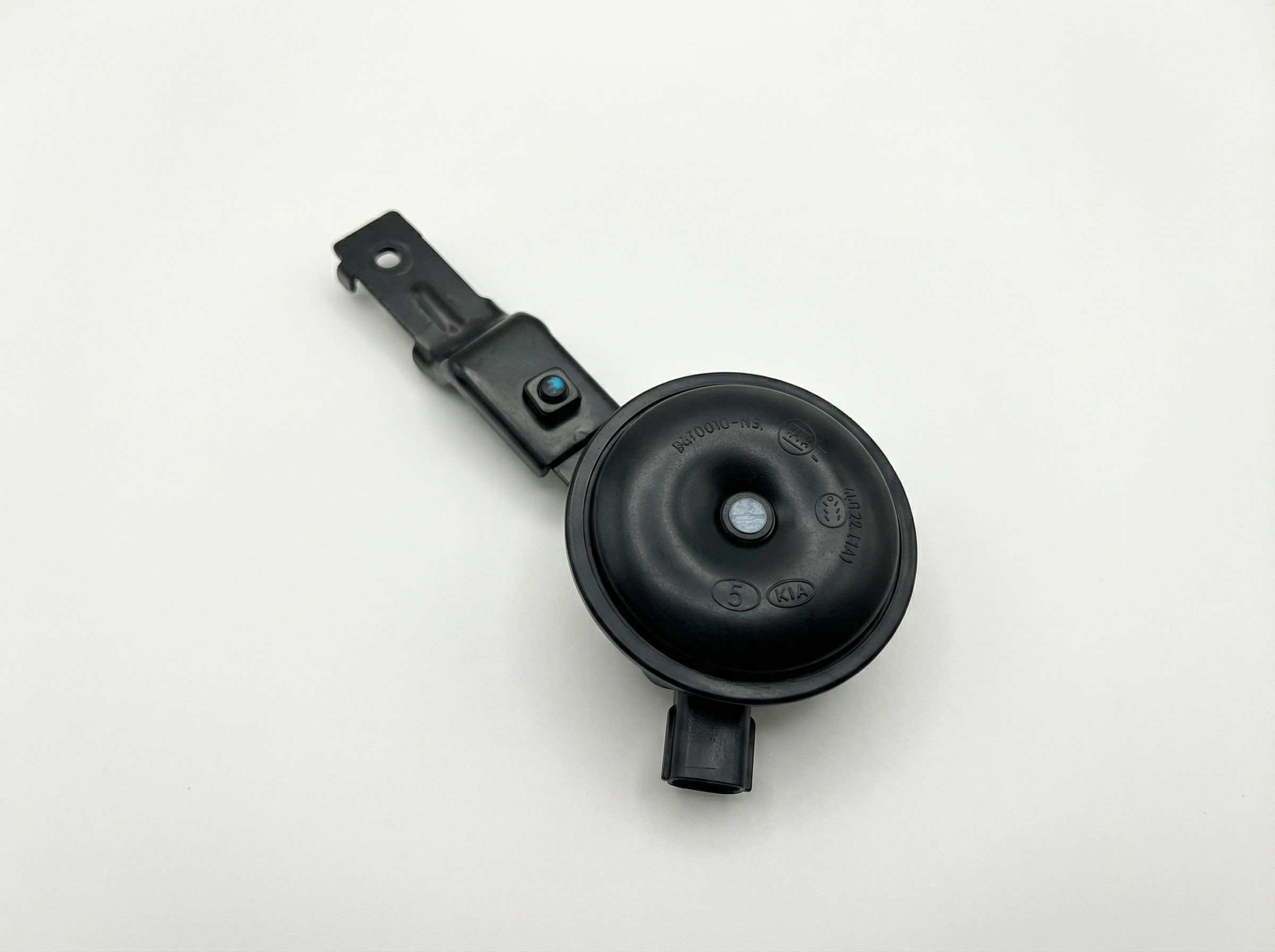
- Physical Inspection: Examine the plastic housing for any cracks or significant damage. Check the electrical connector pins to ensure they are straight and free of heavy corrosion. A little surface dirt is fine, but deep green or white corrosion is a red flag.
- Mounting Bracket: Make sure the metal mounting bracket is intact and not bent or broken. This is essential for a secure, vibration-free installation.
- Why Used OEM is a Good Choice: An original equipment (OEM) horn guarantees the correct pitch, volume, and electrical connection. While universal aftermarket horns are available, they often require cutting and splicing wires and may not produce the same sound as the factory system. A used OEM part is a direct-fit, plug-and-play solution.
Known Issues, Recalls, and TSBs
While there are no major recalls or Technical Service Bulletins (TSBs) specifically for horn failure on the 2013-2025 Pathfinder, QX60, or JX35, the primary cause of failure is simply age and exposure to the elements. Located at the front of the vehicle, the horns are vulnerable to water, road salt, and vibration, which can lead to internal corrosion and failure over time.
It is worth noting that some other Nissan models have had TSBs related to pinched horn ground wires in the steering wheel pad, but this has not been officially documented for this platform.
Replacement Overview & Difficulty
Replacing the horns on these vehicles is a relatively simple job for a DIYer with basic tools.
- Difficulty: 2 out of 5
- Estimated Time: 0.5 - 1 hour
- Tools Needed: Socket set, ratchet, trim removal tools, pliers.
The general process involves removing the plastic clips holding the upper radiator cover to gain access to the area behind the grille. The horns are mounted to the radiator core support with one bolt each. Simply unbolt the old horn, disconnect the electrical plug, and install the new one in its place.
🎬 See this walkthrough on how to swap out a car horn.Warning: Always disconnect the negative battery terminal before working on any electrical components.
Cost of Replacement
The cost to replace a horn can vary significantly depending on the part source and who performs the labor.
| Part/Service | Estimated Cost |
|---|---|
| New OEM Horn (Single) | $110 - $150 |
| New Aftermarket Horn (Single) | $20 - $50 |
| Used OEM Horn (Single) | $25 - $60 |
| Shop Labor Cost | $80 - $250 |
Frequently Asked Questions (FAQ)
Do I need to replace both horns at the same time?
No, you only need to replace the horn that has failed. However, if one has failed due to age, the other may not be far behind. Replacing them as a pair will restore the original factory sound and ensure long-term reliability.
Where are the horn fuse and relay located?
Both the horn fuse and relay are typically located in the main fuse box (called the Intelligent Power Distribution Module or IPDM) in the engine compartment, usually on the passenger side. Refer to the diagram on the fuse box cover or your owner's manual to identify them.
Can I use a universal aftermarket horn?
Yes, but it is not recommended for a simple replacement. Aftermarket horns often require you to cut the factory wiring and splice in new connectors. They may also have a different tone. A used OEM horn is a direct-fit replacement that preserves the original wiring and sound.
🎬 Watch: How to upgrade your horn on newer Nissan models.My horn works, but only when I turn the steering wheel. What's wrong?
This is a classic symptom of a failing clock spring in the steering column. The clock spring contains wires that flex as you turn the wheel, and over time they can break, causing an intermittent connection for the horn and other steering wheel controls.
Helpful Videos
Technical Specifications
OEM Part Numbers: 25620-3JA0A 25610-3KA0A 25610-6SA0A 25620-3KA0A
System uses a dual-horn setup (high and low note). The circuit is protected by a 15-amp fuse.
We Have This Part in Stock

The information in this article is provided for general reference and educational purposes only. Vehicle specifications, procedures, and part compatibility can vary by production date, trim level, and region. Always consult your vehicle's factory service manual and verify part numbers before purchasing or performing repairs. Safety-critical components such as airbags, seat belts, and braking systems should be installed by a qualified professional.
- Nissan Pathfinder:
- Infiniti QX60:
- Infiniti JX35: