

2004-2009 Toyota Prius Horn: Understanding the Dual-Tone System and Common Failures
A complete guide to diagnosing, replacing, and purchasing the correct high-tone or low-tone horn for your second-generation Toyota Prius.
- The 2004-2009 Prius has two horns: a high-tone (86510-28130) and a low-tone (86520-28180). A weak sound usually means one has failed.
- Before buying, determine if you need the high or low-tone horn. You can test this by disconnecting one at a time.
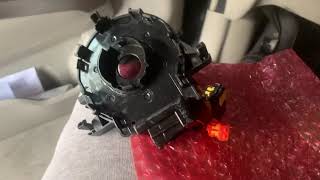
- Failures are often the horn unit itself due to corrosion. However, if the airbag light is also on, suspect a bad clock spring.
- Replacement is DIY-friendly, located behind the radiator cover, and typically takes less than an hour with basic tools.
Symptoms of Horn Failure
Diagnosing a horn problem on a 2004-2009 Prius usually starts with what you hear—or don't hear. Because the vehicle has two horns, a failure in one can be mistaken for a weak horn. Here are the most common symptoms:
- Weak or Anemic Sound: If your horn sounds noticeably quieter or different than it used to, it's very likely that one of the two horns (either high or low tone) has failed. This is the most common symptom reported by Prius owners.
- No Sound at All: If pressing the horn button results in complete silence, the problem could be the fuse, the horn relay, the clock spring, or a wiring issue. It's also possible both horns have failed simultaneously, but this is less common.
- Clicking Sound, No Horn: If you hear a click from the engine bay or under the dashboard when you press the horn button, it often means the horn relay is working. The signal is being sent, but the horns themselves (or the wiring to them) are the problem.
- Horn Works Intermittently: This often points to a loose connection, a failing horn switch in the steering wheel, or a bad ground connection.
- Horn Stays On: A horn that won't turn off is typically caused by a stuck horn relay or a short in the horn switch wiring.
Pro Tip: A common related failure on the second-generation Prius is the clock spring. This is a coiled wire behind the steering wheel that connects the electrical components on the wheel (horn, airbag, cruise control) to the car. If your horn stopped working around the same time your airbag warning light came on or your steering wheel radio controls failed, a bad clock spring is the most likely culprit.
🎬 Watch: Step-by-step guide to replacing a faulty clock spring.Known Issues, Recalls, and TSBs
While there are no specific recalls or Technical Service Bulletins (TSBs) from Toyota for the horns on the 2004-2009 Prius, the components are subject to common electrical failures. The horns are located at the front of the vehicle, behind the bumper cover, where they are exposed to moisture and road debris, which can lead to corrosion of the electrical connectors or the horn unit itself over time. Several recalls were issued for this Prius generation for issues with steering shafts and floor mats, but none directly address the horn assembly.
High-Tone vs. Low-Tone: Which Horn Do You Need?
The 2004-2009 Prius uses two different horns. It is essential to identify which one has failed before purchasing a replacement. You can often tell by listening carefully to the remaining horn's pitch.
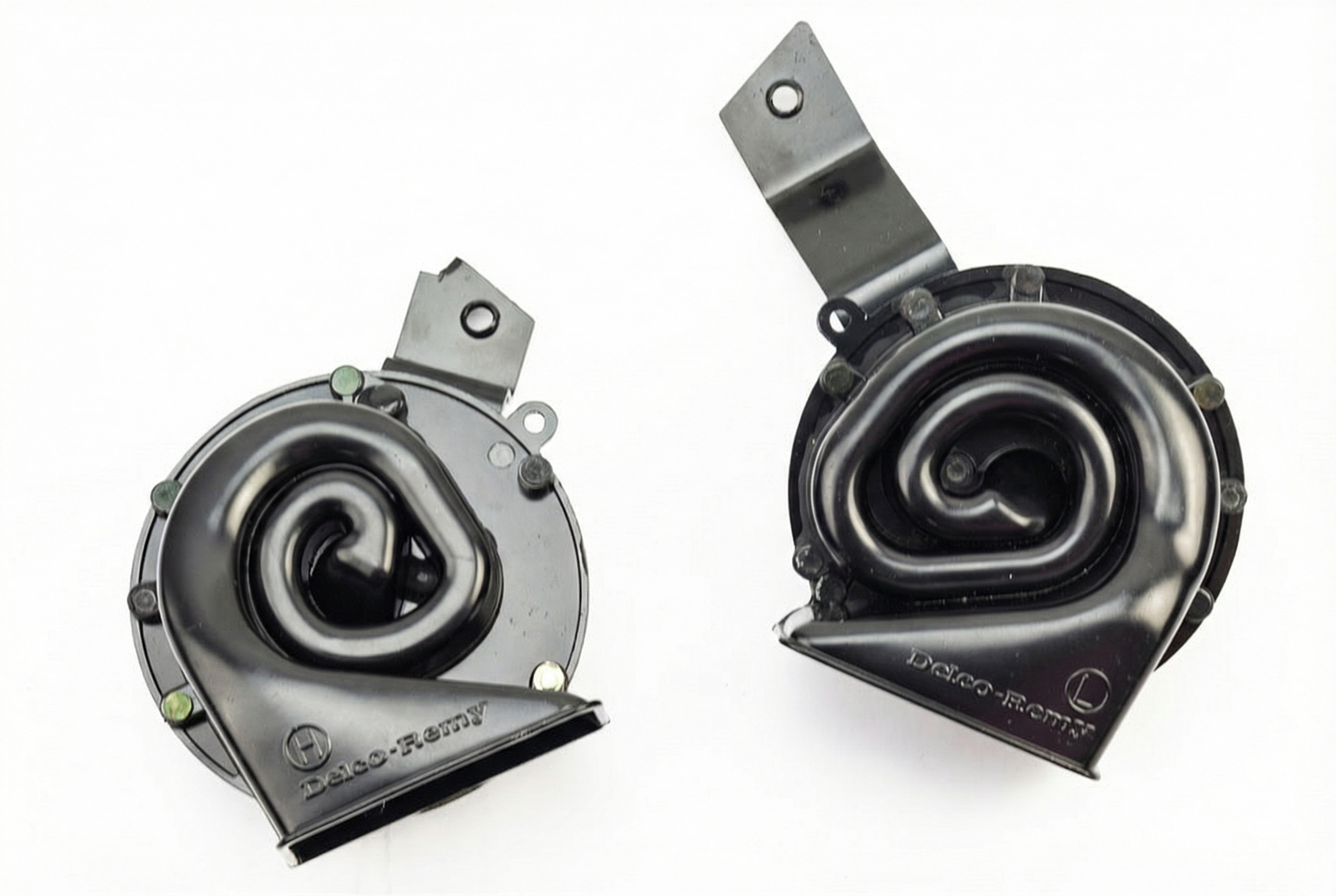
- High-Pitched Horn (Treble): OEM Part Number 86510-28130.
- Low-Pitched Horn (Bass): OEM Part Number 86520-28180.
- Security System Horn: Some models with a factory security system use part number 86510-47030, which functions as an alarm horn.
To be certain, you can test each horn individually. Disconnect the electrical plug from one horn and press the horn button. If it still sounds, you've disconnected the failed horn. If it goes silent, you've disconnected the working horn.
Warning: The initial information provided included part number 86510-28130 as a high-tone horn and 86510-47030 as a potential alternative. Research confirms 86510-28130 is the standard high-pitched horn, while 86510-47030 is specifically designated as a security system horn. The correct low-pitched horn is 86520-28180. Always verify which horn you need before ordering.
Buying a Used Horn
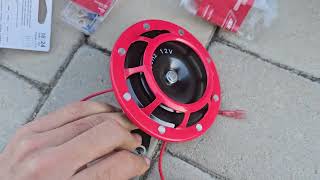
A used OEM horn is an excellent, cost-effective replacement. Since horns are not a high-wear item, a recycled part from a low-mileage vehicle can provide original factory quality and sound for a fraction of the price of a new part. Aftermarket horns may not have the same tone or durability.
🎬 Watch: How to quickly upgrade your Prius horns with aftermarket parts.What to Check Before Buying:
- Physical Inspection: Look for cracks in the plastic housing or significant rust on the metal body and mounting bracket.
- Electrical Connector: The connector pins should be clean, straight, and free of corrosion. A corroded connector is a major red flag.
- Part Number Verification: Ensure the part number on the used horn matches the one you are replacing (high-tone or low-tone).
- Ask for a Bench Test: If possible, ask the seller if the horn has been tested. A simple test involves connecting the horn's terminals to a 12V power source (like a car battery). If it sounds, it works.
Replacement Difficulty & Procedure
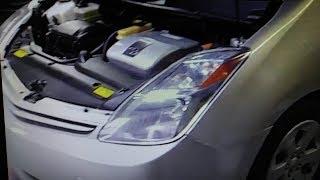
Replacing the horns on a 2004-2009 Prius is a straightforward job for a DIYer with basic tools. The horns are located behind the front bumper cover, just under the hood latch mechanism.
🎬 Watch: See exactly where the horns are located and accessed.- Difficulty: 2 out of 5
- Estimated Time: 0.5 - 1 hour
- Tools Needed: 10mm socket, 12mm socket, flathead screwdriver or clip removal tool, pliers.
Simplified Steps:
- Remove Radiator Cover: Open the hood and remove the large black plastic cover over the top of the radiator by prying up the center of the plastic clips.
- Locate Horns: Look down behind the hood latch. You will see the two disc-shaped horns, each held by a 12mm bolt.
- Disconnect and Remove: Press the tab on the electrical connector to unplug it. Use a 12mm socket or wrench to remove the bolt holding the horn to its bracket.
- Install New Horn: Bolt the new horn in place, reconnect the electrical plug, and test it before reassembling everything.
- Reassemble: Replace the radiator cover and its clips.
Cost Comparison
| Part Type | Estimated Cost |
|---|---|
| New OEM (Dealer) | $75 - $110 per horn |
| New Aftermarket | $15 - $40 per horn |
| Used OEM | $20 - $45 per horn |
| Shop Labor Cost | $50 - $100 |
Frequently Asked Questions (FAQ)
Why does my Prius horn sound weak?
The most common reason for a weak-sounding horn on a 2004-2009 Prius is that one of the two horns (high-tone or low-tone) has failed. The remaining horn works, but the overall sound is much quieter and has a different pitch.
Is it illegal to drive without a working horn?
Yes. Federal and state laws require all vehicles to have a functioning horn for safety. Driving without one can result in a ticket and will cause your vehicle to fail a safety inspection.
Do I need to disconnect the battery to replace the horn?
While it is not strictly necessary for a simple horn replacement, it is always a recommended safety precaution when working on any part of your vehicle's electrical system. If you are also investigating the clock spring, disconnecting the battery is mandatory to safely handle the airbag module.
My horn doesn't work, but the fuse is good. What's next?
If the fuse is good, the next step is to check the horn relay. You can often hear it click when the horn button is pressed. If the relay clicks, the problem is likely the horn itself or the wiring to it. If the relay doesn't click, the problem could be the relay, the horn switch in the steering wheel, or the clock spring.
Helpful Videos
Technical Specifications
OEM Part Numbers: 86510-28130 (High-Pitched Horn) 86520-28180 (Low-Pitched Horn) 86510-47030 (Security System Horn)
System Type: Dual Tone (High and Low). Voltage: 12V.
We Have This Part in Stock

The information in this article is provided for general reference and educational purposes only. Vehicle specifications, procedures, and part compatibility can vary by production date, trim level, and region. Always consult your vehicle's factory service manual and verify part numbers before purchasing or performing repairs. Safety-critical components such as airbags, seat belts, and braking systems should be installed by a qualified professional.
- Toyota Prius:
- 🎬 Helpful Videos
- 🛍️ Shop This Part
- Symptoms of Horn Failure
- Known Issues, Recalls, and TSBs
- High-Tone vs. Low-Tone: Which Horn Do You Need?
- Buying a Used Horn
- What to Check Before Buying:
- Replacement Difficulty & Procedure
- Simplified Steps:
- Cost Comparison
- Frequently Asked Questions (FAQ)
- 🎟️ Get 5% Off