

2004-2008 Chrysler Pacifica Hub Assembly: Diagnosing Noises and FWD vs. AWD Fitment
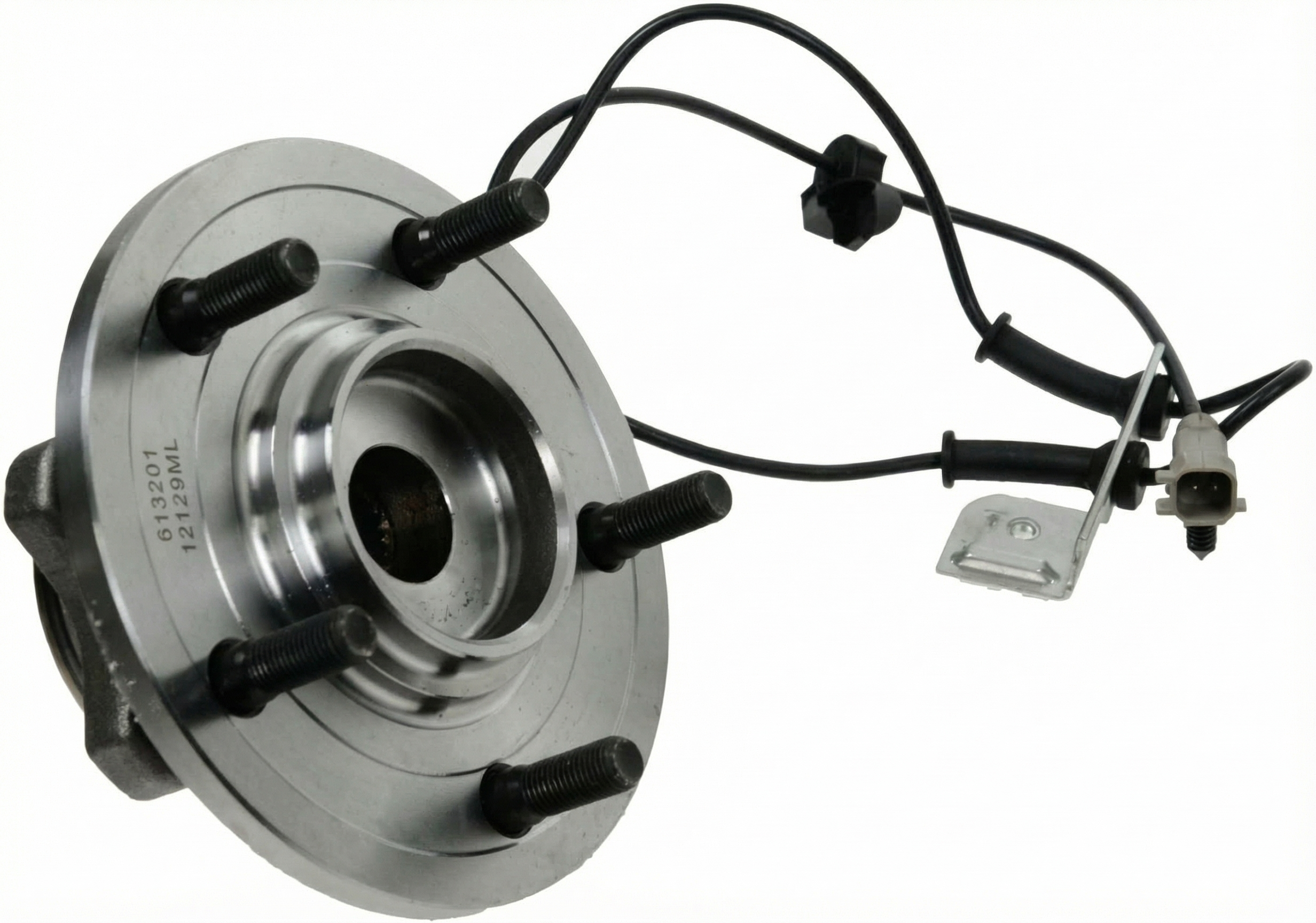
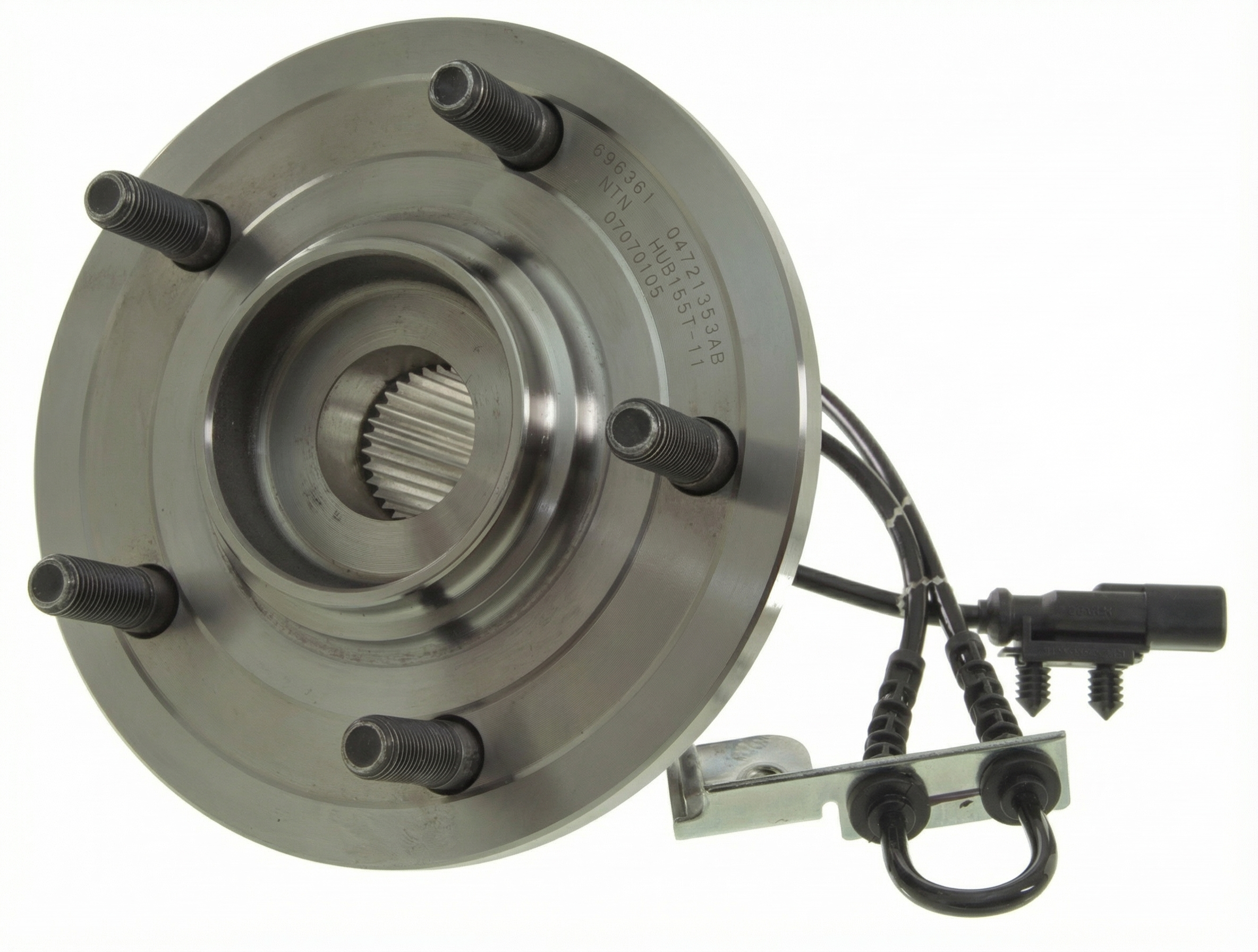
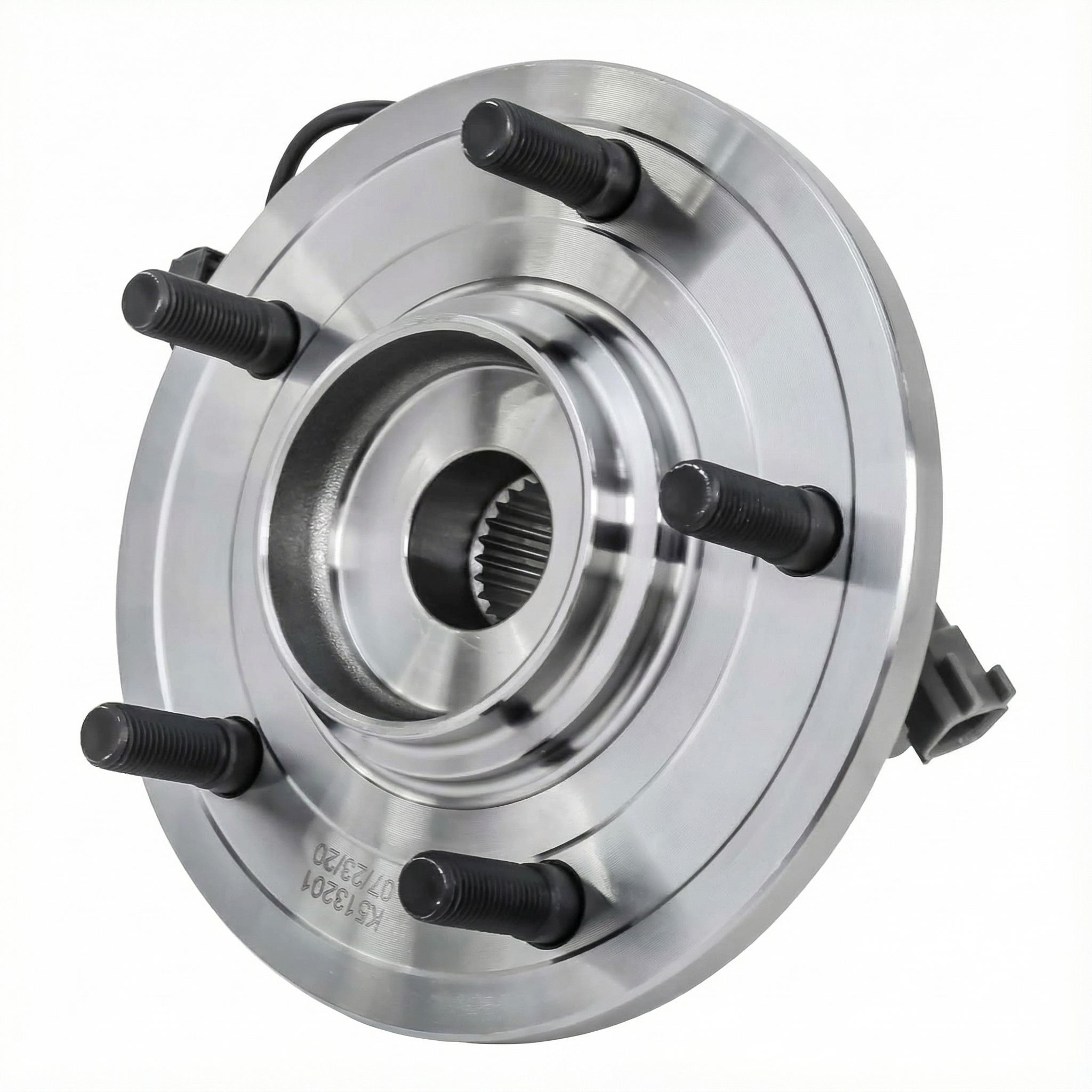
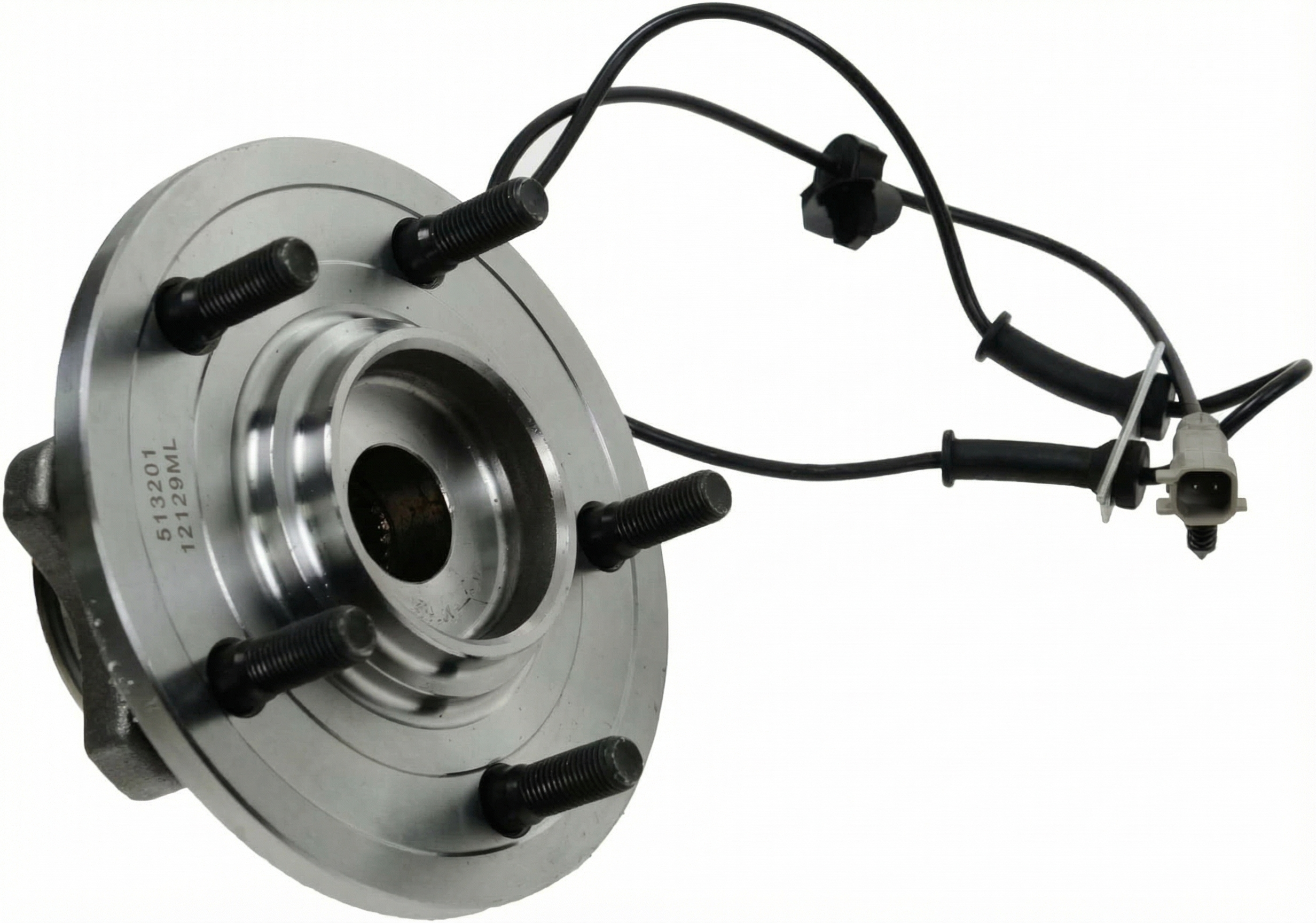
This guide covers how to diagnose humming and grinding noises, understand critical FWD/AWD differences, and properly replace the hub assembly on your 2004-2008 Chrysler Pacifica.
- The most common sign of failure is a humming or growling noise that gets louder with speed and may change when turning.
- The front hub assembly fits both FWD and AWD models, but for 2004-2008, the rear hub assemblies are different for FWD and AWD.
- Proper torque is critical: Use a torque wrench to tighten the axle nut to 180 ft-lbs and the hub bolts to 60 ft-lbs. Do not use an impact gun on the axle nut.
- A complete failure can be dangerous, potentially causing the wheel to detach. Address symptoms immediately.
Symptoms of a Failing Hub Assembly
A bad wheel hub bearing on a Chrysler Pacifica will almost always announce its failure with noise. Ignoring these sounds can lead to more significant damage or a dangerous situation where the wheel fails.
Noises: Grinding, Humming, or Roaring
The most common symptom of a failing hub assembly is a noise that changes with vehicle speed. You might hear:
- Humming or Growling: This is the classic sign of a worn wheel bearing. The sound is often described as a low growl or hum that starts off faint and gets progressively louder over weeks or months. It is most noticeable at speeds above 30-40 MPH.
- Grinding or Grating: A more severe grinding or metal-on-metal sound indicates a significant level of wear inside the bearing. This noise may be more apparent during acceleration.
- Clicking or Snapping: This sound may be heard, especially when turning, and can point to a worn outer CV joint, but it can also be related to a very worn wheel bearing.
A key diagnostic trick is to notice if the sound changes when you turn the steering wheel. As you steer left, weight transfers to the right side of the vehicle. If the noise gets louder when turning left, the failing bearing is likely on the right side, and vice-versa.
Vibrations
As the bearing wears, it can develop excessive play, leading to vibrations. You might feel this vibration through the steering wheel or the floor of the vehicle. This often accompanies the humming or grinding noise and will also get worse with speed.
Loose Steering or Pulling
A severely worn hub assembly can cause the steering to feel loose, vague, or less responsive. The wheel may have excessive movement, known as "wheel play," which can sometimes cause the vehicle to pull to one side.
ABS Warning Light
The hub assembly contains the wheel speed sensor for the ABS. If the bearing fails catastrophically or the sensor's magnetic ring is damaged by debris from the failing bearing, it can cause the ABS warning light to illuminate on your dashboard.
Warning: A complete failure of the wheel hub assembly is extremely dangerous and can cause the wheel to separate from the vehicle, leading to a total loss of control. If you suspect a bad wheel bearing, it should be inspected and replaced immediately.
Known Issues, TSBs, and Recalls
As of early 2026, there are no active recalls or widespread Technical Service Bulletins (TSBs) from Chrysler specifically for wheel hub assembly failures on the 2004-2008 Pacifica. While some other components on these vehicles have been subject to recalls, the hub assemblies have not. Failures are generally due to normal wear and tear, road impacts, or water intrusion past the seals.
Important Compatibility Warnings
Fitment for the 2004-2008 Chrysler Pacifica hub assemblies depends on the location (front or rear) and, for some years, the drivetrain.
- Front Hub Assembly: The front hub assembly is the same part for both the driver and passenger sides. It is also compatible with both All-Wheel Drive (AWD) and Front-Wheel Drive (FWD) models for all years (2004-2008).
- Rear Hub Assembly (2004-2006): For these model years, different rear hub assemblies were used for AWD and FWD models. You must verify your vehicle's drivetrain before ordering a rear hub.
- Rear Hub Assembly (2007-2008): Similar to the earlier years, the rear hubs are specific to the drivetrain. There are distinct parts for AWD and FWD models.
Always verify your vehicle's specifications (year and drivetrain) before purchasing a replacement hub, especially for the rear.
Buying a Used Hub Assembly
A used OEM hub assembly can be a reliable and cost-effective alternative to a new part, especially when compared to cheap, low-quality aftermarket options. However, since the hub is a wear item, careful inspection is key.
- Mileage: While there is no exact lifespan, original OEM wheel bearings often last well over 100,000 miles. Failures reported at lower mileages, such as 70,000 miles or less, can sometimes be attributed to harsh road conditions or improper installation of a previous replacement. When buying used, look for a part from a lower-mileage vehicle if possible.
- Physical Inspection: With the part in hand, hold the main body and try to spin the hub flange. It should rotate smoothly with a slight, consistent resistance. Any grinding, notchiness, or roughness is a sign of a bad bearing.
- Check for Play: Firmly grasp the hub flange and the stationary part of the assembly. Try to wiggle it in all directions. There should be zero detectable play or looseness. Any movement indicates the bearing is worn out.
- Inspect the ABS Sensor and Wire: Check the ABS sensor wire for any cuts, fraying, or damage to the connector plug. Ensure the sensor itself is physically intact.
- OEM vs. Aftermarket: A used OEM Mopar hub is often built with higher quality steel and more durable bearing components than the cheapest new aftermarket parts. Premature failure of aftermarket bearings after short periods, like 2,000 miles, is often linked to lower quality or improper installation. For a part this critical to safety, a good-condition used OEM part is often a better choice than a new part from an unknown brand.
Replacement Cost Breakdown
The cost to replace a hub assembly can vary based on the part source and labor rates. The job is feasible for a DIY mechanic with the right tools.
| Part/Service | Estimated Cost |
|---|---|
| New OEM (Mopar) | $95 - $250 |
| New Aftermarket (Name Brand like MOOG, Timken) | $60 - $150 |
| New Aftermarket (Economy) | $35 - $60 |
| Used OEM | $40 - $85 |
| Shop Labor (per side) | $175 - $275 |
Pro Tip: Hub assemblies are often sold in pairs. While you only need to replace the one that has failed, if your vehicle has high mileage (over 120,000 miles), it's often a good idea to replace both the left and right hubs at the same time, as the other side may not be far behind.
Installation Tips and Torque Specs
Proper installation is critical for the longevity of a new hub bearing. Using an impact wrench to tighten the axle nut is a common cause of premature bearing failure. Always use a calibrated torque wrench.
- Axle Nut: The large nut in the center of the hub must be torqued correctly to set the proper preload on the bearing. It should also be a new, single-use nut if it is a prevailing torque design.
- Hub Bolts: The four bolts that secure the hub assembly to the steering knuckle must be tightened evenly and to the correct specification.
Key Torque Specifications for Front Hub Assembly:
- Hub to Knuckle Bolts: 60 ft-lbs
- Axle Nut: 180 ft-lbs
Note: These specifications are based on forum data for the correct vehicle generation. Always consult a factory service manual for verification if possible.
Frequently Asked Questions (FAQ)
Can I replace just the bearing instead of the whole hub assembly?
No. For the 2004-2008 Chrysler Pacifica, the front and rear wheel bearings are part of a sealed, non-serviceable hub assembly. If the bearing fails, the entire unit must be replaced. This design simplifies installation as it does not require a hydraulic press.
Is the front hub assembly the same for the driver and passenger side?
Yes, the front hub assembly for the 2004-2008 Pacifica is non-directional and will fit both the left (driver) and right (passenger) sides.
Do I need to get an alignment after replacing a hub assembly?
While replacing the hub assembly itself does not directly alter alignment angles, it is often recommended. The process involves disconnecting suspension components, and if any other parts like tie rods or control arms are disturbed or replaced at the same time, an alignment will be necessary. At a minimum, it's a good time to have the alignment checked, especially if you were experiencing uneven tire wear.
What are the most common mistakes when replacing a hub assembly?
The most common and damaging mistake is improperly torquing the axle nut. Using an impact gun can over-tighten it, destroying the new bearing. Under-tightening it can cause premature wear and a dangerous loosening of the assembly. The second mistake is not cleaning the mounting surface on the knuckle, which can cause the new hub to sit at a slight angle, leading to rotor runout and vibration.
Technical Specifications
OEM Part Numbers: 04721241AB 04721353AA 04721632AC 04880208AA 04880208AB 04880208AC 04880209AC 4721241AB 4721632AC 4880208AA 4880208AB 4880208AC 4880209AA
Front Axle Nut Torque: 180 ft-lbs. Hub-to-Knuckle Bolt Torque: 60 ft-lbs.
We Have This Part in Stock

The information in this article is provided for general reference and educational purposes only. Vehicle specifications, procedures, and part compatibility can vary by production date, trim level, and region. Always consult your vehicle's factory service manual and verify part numbers before purchasing or performing repairs. Safety-critical components such as airbags, seat belts, and braking systems should be installed by a qualified professional.
- Chrysler Pacifica:
- 🛍️ Shop This Part
- Symptoms of a Failing Hub Assembly
- Noises: Grinding, Humming, or Roaring
- Vibrations
- Loose Steering or Pulling
- ABS Warning Light
- Known Issues, TSBs, and Recalls
- Important Compatibility Warnings
- Buying a Used Hub Assembly
- Replacement Cost Breakdown
- Installation Tips and Torque Specs
- Frequently Asked Questions (FAQ)
- 🎟️ Get 5% Off