

2007-2012 Lexus ES350 Rear Hub Assembly: Diagnosing Roaring Noises and Vibrations
This guide details the common failure symptoms, replacement costs, and what to inspect when buying a used rear hub assembly for your Lexus ES350.
- The primary symptom of failure is a speed-dependent roaring or humming noise that often changes when turning.
- This is a sealed, bolt-in hub assembly for the rear; it cannot be rebuilt and is different from the press-in front bearings.
- When buying a used part, prioritize a smooth spin test with no play and an intact ABS sensor wire.
- There are no safety recalls for this part, but a TSB for similar models suggests inspecting the brake backing plate for flatness, as an uneven surface can cause premature bearing failure.
Symptoms of a Failing Rear Hub Assembly
A failing rear wheel hub assembly on a 2007-2012 Lexus ES350 typically gives clear, audible warnings. Ignoring these signs can lead to more severe damage and an unsafe driving condition.
1. Roaring, Humming, or Grinding Noise
The most common symptom is a noise from the rear of the car that changes with vehicle speed, not engine speed. Many owners describe it as a low-frequency "wom-wom-wom," humming, or grinding sound. This noise will get louder and change pitch as you drive faster.
A key diagnostic trick is to pay attention to how the sound changes when you turn. When swerving or making a long turn, more weight is placed on the outside wheels. If you make a right turn and the noise gets louder, the failing bearing is likely on the left (driver's) side. If you make a left turn and the noise lessens or disappears, this also points to the left side bearing being the culprit 🎬 Watch: How to diagnose wheel bearings with a road test, as the turn is unloading the weight from it.
2. Vibration
As the bearing wears, it can cause vibrations that you may feel through the floor or the body of the car. This vibration is also speed-dependent and will worsen as the bearing deteriorates.
3. ABS or VSC Warning Light
The rear hub assembly contains the tone ring that the wheel speed sensor uses. When the bearing develops excessive play, it can cause the distance between the sensor and the ring to fluctuate, disrupting the signal. This can trigger the Anti-lock Brake System (ABS) or Vehicle Stability Control (VSC) warning lights on your dashboard.
4. Wheel Play or Looseness
In advanced stages of failure, the bearing will have significant play. You can check for this by safely jacking up the rear of the vehicle and securing it on a jack stand. Grab the tire at the top and bottom (12 and 6 o'clock positions) and try to rock it in and out. 🎬 See how to check for a bad bearing without tools If you feel any movement, play, or clunking, the hub assembly is worn out and needs immediate replacement.
Known Issues, Recalls, and Technical Service Bulletins (TSBs)
Recalls
There are no recalls issued by the National Highway Traffic Safety Administration (NHTSA) for the rear hub assemblies on the 2007-2012 Lexus ES350. Existing recalls for this vehicle generation pertain to Takata airbag inflators.
Technical Service Bulletins (TSBs)
While there isn't a TSB specifically for the ES350 hub, Toyota has issued bulletins for other models regarding a similar issue. TSBs have noted that a "howling-type sound" from the rear can be caused by unevenness on the surface of the brake backing plate. This uneven surface can affect the alignment of the hub assembly when it's bolted on, leading to premature bearing failure over time. The bulletin recommends replacing the backing plate and the hub/bearing assembly as a set to ensure a lasting repair. When replacing your hub, it is wise to inspect the mating surface on the knuckle and backing plate for any corrosion or damage.
Pro Tip: The rear bearings on the ES350 are a bolt-in hub assembly, which is much easier to replace for a DIY mechanic than the front bearings, which are a press-in style that requires a hydraulic press.
Buying a Used Hub Assembly: What to Inspect
A low-mileage used OEM hub assembly can be a reliable and cost-effective alternative to a new aftermarket part. OEM parts are made to a high standard of quality, and a used unit from a low-mileage vehicle often has more life left than a brand-new, cheaply made aftermarket part. Here’s what to check before you buy.
- Perform a Spin Test: This is the most important check. Hold the hub assembly firmly and spin the center flange where the wheel studs are. It should spin smoothly with a slight, consistent resistance from the grease inside. If you feel any grinding, notchiness, roughness, or hear any noise, the bearing is bad.
- Check for Play: Try to wiggle the center flange. Hold the stationary part of the hub and push and pull on the flange. There should be absolutely zero side-to-side or in-and-out play. Any detectable wobble means the bearing is worn out.
- Inspect the ABS Sensor Wire: Carefully inspect the entire length of the ABS sensor wire and its connector. Look for any cuts, fraying, or damage to the plastic connector. A damaged wire or connector can render the part useless, as it will trigger an ABS light.
- Check Mounting Surfaces: Look at the flat mounting surface where the hub bolts to the knuckle. It should be clean, flat, and free of any major corrosion or impact damage that could prevent it from sitting flush.
- Mileage is Key: Since this is a wear item, mileage is the best indicator of remaining life. Failures can begin to appear around 80,000 miles. A part from a vehicle with under 60,000 miles is an excellent candidate for a long-lasting repair.
Replacement Cost Comparison
The cost to replace a rear hub assembly can vary significantly based on the parts you choose and who performs the labor. Labor for this job is typically estimated between 1.5 and 2.5 hours.
| Part Type | Estimated Cost (Part Only) |
|---|---|
| New OEM (Dealer) | $380 - $530 |
| New Aftermarket | $70 - $350 |
| Used OEM | $50 - $150 |
| Shop Labor Cost | $200 - $400 |
Replacement Overview & Torque Specs
Replacing the rear hub assembly is a feasible DIY job for someone with intermediate mechanical experience and the right tools. The assembly is a bolt-on unit.
- Safely jack up the vehicle, secure it with jack stands, and remove the wheel.
- Remove the two 14mm bolts holding the brake caliper to its bracket. Hang the caliper securely out of the way with a hook or wire; do not let it hang by the brake hose.
- Remove the brake rotor. If it is stuck, there are two threaded holes in the rotor face where you can insert M8x1.25 bolts to push it off the hub.
- Disconnect the ABS wheel speed sensor connector from the back of the knuckle.
- Rotate the hub flange to align the access holes with the four 14mm bolts on the backside of the knuckle that hold the hub assembly in place.
- Remove the four bolts. They may be tight. The hub assembly may be seized to the knuckle; if so, it may require firm taps with a hammer from behind to break it loose.
- Clean the mounting surface on the knuckle thoroughly before installing the new hub.
- Installation is the reverse of removal. 🎬 Watch this step-by-step 2007 Lexus ES 350 rear hub replacement
Important: Torque the four hub mounting bolts to 59 ft-lbs and the two caliper bracket bolts to 34 ft-lbs. Always use a torque wrench for these critical fasteners to ensure safety and prevent damage to the new bearing.
Frequently Asked Questions (FAQ)
Can I just replace the bearing instead of the whole hub assembly?
No. For the rear of the 2007-2012 ES350, the wheel bearing is part of a sealed, non-serviceable hub assembly. The entire unit must be replaced.
Is the left (driver's side) and right (passenger's side) rear hub the same part?
No, they are side-specific parts and are not interchangeable. This guide and its part numbers refer to the rear left (driver's side) assembly.
Do I need a wheel alignment after replacing a rear hub assembly?
Generally, no. Replacing the hub assembly does not change the vehicle's suspension alignment angles. However, if the old bearing was severely worn, it may have caused abnormal tire wear, so having the alignment checked is never a bad idea.
What happens if I keep driving on a bad wheel bearing?
Continuing to drive is not recommended. The noise and vibration will get progressively worse. In a worst-case scenario, the bearing can fail completely, causing the wheel to wobble severely or even separate from the vehicle, leading to a total loss of control.
Helpful Videos

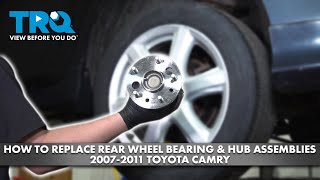
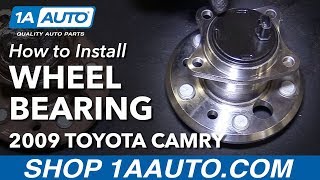
Technical Specifications
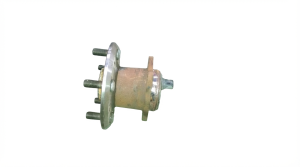
OEM Part Numbers: 42460-06020 42460-06021 42460-33030 42460-48010 42460-48011
Bolt-on assembly with integrated ABS sensor. Rear Left (Driver's Side). Hub-to-knuckle bolt torque: 59 ft-lbs.
We Have This Part in Stock

The information in this article is provided for general reference and educational purposes only. Vehicle specifications, procedures, and part compatibility can vary by production date, trim level, and region. Always consult your vehicle's factory service manual and verify part numbers before purchasing or performing repairs. Safety-critical components such as airbags, seat belts, and braking systems should be installed by a qualified professional.
- Lexus ES350:
- 🎬 Helpful Videos
- 🛍️ Shop This Part
- Symptoms of a Failing Rear Hub Assembly
- 1. Roaring, Humming, or Grinding Noise
- 2. Vibration
- 3. ABS or VSC Warning Light
- 4. Wheel Play or Looseness
- Known Issues, Recalls, and Technical Service Bulletins (TSBs)
- Recalls
- Technical Service Bulletins (TSBs)
- Buying a Used Hub Assembly: What to Inspect
- Replacement Cost Comparison
- Replacement Overview & Torque Specs
- Frequently Asked Questions (FAQ)
- 🎟️ Get 5% Off