

2004-2008 Mazda 3 Rear Hub Assembly: Decoding Noises and Non-ABS Parts
This guide covers how to diagnose a failing rear hub bearing on your 2004-2008 Mazda 3 and how to ensure you buy the correct part for a car without ABS.
- This specific part (OEM BN8B2615XG) is ONLY for 2004-2008 Mazda 3 models WITHOUT anti-lock brakes (ABS). Verify your vehicle's equipment before purchasing.
- The primary symptom of failure is a humming or roaring noise from the rear that gets louder with speed.
- Replacement is a bolt-on process that does not require a hydraulic press, making it a feasible DIY project.
- When buying used, spin the hub by hand to check for smoothness and ensure there is zero play or looseness.
Symptoms of a Failing Rear Hub Assembly
A bad rear wheel bearing on a first-generation Mazda 3 typically gives you plenty of audible warning before a critical failure. The most common symptom is a noise that changes with vehicle speed.
- Humming, Roaring, or Grinding Noise: The most prevalent sign is a deep humming or roaring sound coming from the rear of the car. This noise starts faint and gets progressively louder as the bearing wears. It is most noticeable at speeds above 30 MPH. 🎬 Watch: How to perform a road test to diagnose noise.
- Noise Changes While Turning: A classic diagnostic trick is to pay attention to the noise during long, sweeping turns (like on a highway ramp). If you turn left, the car's weight shifts to the right side. If the noise gets louder during a left turn, the bad bearing is likely on the right, and vice-versa.
- Clicking or Grating Sounds: Some owners report a rhythmic clicking or grating sound when rotating the wheel by hand, which may also be audible at low speeds.
- Vibration: In more advanced stages of failure, you might feel a vibration through the floor or steering wheel.
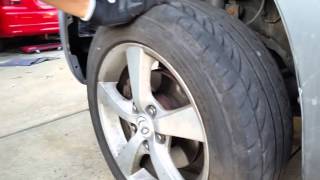
- Wheel Play: A severely worn bearing can cause excessive movement or 'play' in the wheel. To check this, safely raise the rear of the vehicle and try to wiggle the wheel by grabbing it at the top and bottom (12 and 6 o'clock positions). Any noticeable clunking or movement indicates a serious failure. 🎬 See this video for a 100% definitive bearing diagnosis.
Compatibility Warning: This guide and part number BN8B2615XG are for 2004-2008 Mazda 3 models WITHOUT Anti-Lock Brakes (ABS). Vehicles with ABS use a different hub assembly that includes a sensor or tone ring. Before ordering, verify if your car has ABS. The easiest way is to watch your dashboard when you start the car—an 'ABS' light will briefly illuminate if the system is present.
Known Issues, TSBs, and Recalls
As of early 2026, there are no specific recalls or Technical Service Bulletins (TSBs) issued by Mazda or the NHTSA for the rear hub assemblies on the 2004-2008 Mazda 3. However, bearing failure is a widely documented wear-and-tear issue for these vehicles as they age. Searches for recalls on this vehicle will show results for issues related to the airbag system, but these are unrelated to the wheel bearings.
Buying a Used Hub Assembly
A low-mileage, used OEM hub assembly can be a reliable and cost-effective alternative to new parts, especially when compared to cheap, unbranded aftermarket options. Here’s what to look for:
- Verify Compatibility: First and foremost, ensure the part comes from a 2004-2008 Mazda 3 confirmed to be a non-ABS model. The physical part will lack any wiring or electrical connector for a wheel speed sensor.
- Physical Inspection: The most important test is to spin the bearing by hand. Hold the hub and turn the flange where the wheel bolts on. It should spin smoothly and silently. If you feel any roughness, grinding, or notchiness, the bearing is bad.
- Check for Play: Try to push and pull the flange in and out and side to side. There should be absolutely no discernible play or looseness. Any movement means the bearing is worn out.
- Inspect for Damage: Check the mounting holes for any elongation or damage. Look for signs of heavy corrosion or impact damage to the housing itself.
- Mileage Considerations: Wheel bearings are wear items. While there is no exact failure mileage, problems become more common on vehicles with over 100,000 miles. When buying used, always opt for a part from the lowest-mileage vehicle available. A used OEM part with 60,000 miles is often a better choice than a new aftermarket part of questionable quality.
Rebuild vs. Replace
For the rear of the 2004-2008 Mazda 3, the wheel bearing is part of a sealed, bolt-on hub assembly. The unit is not designed to be rebuilt or have the bearing pressed out. The correct and standard repair procedure is to replace the entire assembly. This simplifies the installation and ensures a reliable repair.
Replacement Overview and Torque Specs
Replacing the rear hub assembly is a straightforward job for a DIY mechanic with the right tools. The assembly is held to the rear knuckle by four bolts.
- Safely raise and support the vehicle and remove the rear wheel.
- Remove the brake caliper, caliper bracket, and brake rotor to gain access to the hub. Hang the caliper securely so it does not dangle by its brake hose.
- From behind the knuckle, remove the four hub mounting bolts. These are often a T50 Torx head.
- Remove the old hub assembly. It may be stuck due to corrosion and require persuasion with a hammer from the back side.
- Clean the mounting surface on the knuckle thoroughly before installing the new hub.
- Install the new hub and tighten the bolts in a star pattern. 🎬 Watch: A complete walkthrough of the rear hub replacement process.
Pro Tip: The four hub mounting bolts can be stubborn. It's a good idea to apply penetrating oil before attempting to remove them. Some mechanics recommend applying a small amount of blue thread locker to the clean bolt threads upon reinstallation.
Important Torque Specifications:
| Component | Torque Value |
|---|---|
| Hub Assembly Mounting Bolts (T50) | 62 Nm (approx. 46 lb-ft) |
| Brake Caliper Bracket Bolts (14mm) | 65-80 Nm (approx. 48-59 lb-ft) |
| Wheel Lug Nuts | 108-147 Nm (80-108 lb-ft) - tighten in a star pattern |
Cost Comparison
| Part Type | Estimated Cost |
|---|---|
| New OEM | $290 - $405 |
| New Aftermarket (Quality Brand) | $100 - $180 |
| Used OEM | $50 - $120 |
| Shop Labor | $120 - $200 per side |
Frequently Asked Questions
How can I be 100% sure I have a bad wheel bearing?
The most definitive test is to safely jack up the corner of the car so the wheel is off the ground. Place your hands at the 12 and 6 o'clock positions and try to rock the wheel. If you feel any play or hear a clunk, the bearing is bad. Also, spin the wheel by hand. It should rotate smoothly and silently. Any grinding or roughness points to a failed bearing.
Do I need to replace both rear hub assemblies at the same time?
It is not strictly necessary to replace them in pairs. However, wheel bearings on both sides of the vehicle have been subjected to the same mileage and conditions. If one has failed, the other may not be far behind. If your budget allows, replacing both can provide peace of mind.
Is this a difficult job for a beginner?
For the rear of this Mazda 3, it is one of the easier wheel bearing jobs. Because it's a bolt-on assembly, you do not need a hydraulic press. You will need a good set of sockets (including Torx bits), a torque wrench, and the confidence to remove brake components. Rust can make bolt removal difficult, which is often the biggest challenge.
What fluids should I check?
The rear hub assembly is a sealed unit and contains its own grease. There are no fluids to check or fill related to this specific part. If you see grease leaking from the back of the hub, it's a sign the seal has failed and the entire unit needs replacement.
Helpful Videos


Technical Specifications
OEM Part Numbers: BN8B2615XG BN8B2615XF BN8B2615XE BN8B2615XD BN8B2615XC BN8B2615XB BN8B2615XA
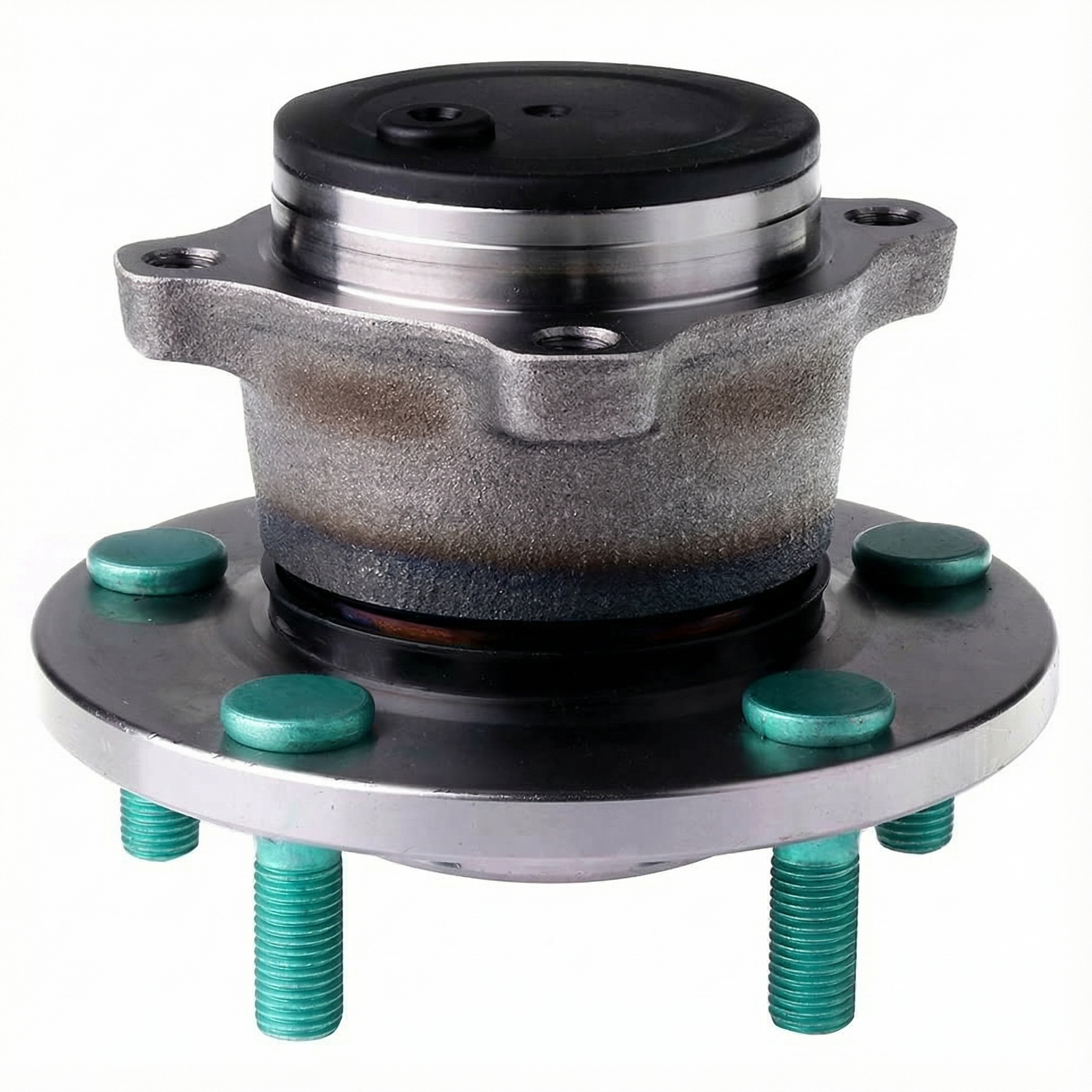
Vehicle Fitment: 2004-2008 Mazda 3 WITHOUT ABS. Location: Rear. Type: Bolt-on sealed assembly. Lug Count: 5. Flange Bolt Holes: 4.
We Have This Part in Stock

The information in this article is provided for general reference and educational purposes only. Vehicle specifications, procedures, and part compatibility can vary by production date, trim level, and region. Always consult your vehicle's factory service manual and verify part numbers before purchasing or performing repairs. Safety-critical components such as airbags, seat belts, and braking systems should be installed by a qualified professional.
- Mazda 3: