

2014-2018 Mazda 3 Rear Hub Assembly: A Guide to Noises, Failures, and Japan-Built Models
This guide covers how to diagnose humming and grinding noises and ensure you purchase the correct rear hub assembly for your specific 2014-2018 Mazda 3.
- Compatibility is critical: This part only fits Japan-built models (VIN starts with 'J') with a standard, non-electric parking brake.
- The primary symptom of failure is a humming or roaring noise that gets louder with speed and may change pitch when turning.
- This is a sealed hub assembly; the internal bearing cannot be replaced separately.
- Ignoring a bad wheel bearing is a serious safety risk that can lead to a wheel separating from the vehicle.
Symptoms of a Failing Rear Hub Assembly
A failing rear hub assembly on a 2014-2018 Mazda 3 will almost always announce itself with noise. Because the bearing is a sealed unit, it cannot be serviced or re-greased; it must be replaced as a complete assembly when it wears out.
Common Noises and Vibrations
- Humming or Roaring: This is the most common symptom. It's a low-pitched hum or roar that starts faintly and gets progressively louder over time. The noise is directly related to vehicle speed — the faster you go, the louder it gets. It often sounds similar to loud road noise from aggressive tires.
- Grinding or Growling: In more advanced stages of failure, the humming can turn into a rough grinding or growling sound. This indicates significant wear inside the bearing and should be addressed immediately.
- Noise Changes While Turning: A key diagnostic trick is to pay attention to the noise while turning or changing lanes at speed. If you turn to the right, it puts more load on the left-side wheel bearing. If the noise gets louder during a right turn, the left rear bearing is likely the culprit. If it gets louder during a left turn, the right rear bearing is the problem.
- Vibration: A worn bearing can cause vibrations that you might feel in the steering wheel or through the floor of the car.
- ABS Light: Since the ABS sensor is integrated into the hub assembly, a failure can sometimes damage the sensor or its wiring, triggering the ABS warning light on your dashboard.
Pro Tip: To distinguish between tire noise and bearing noise, find a safe road to drive on with different pavement surfaces. Tire noise will change significantly with the road surface, while a bad bearing noise will remain constant regardless of the pavement.
Known Issues, TSBs, and Recalls
For the 2014-2018 model years, there are no specific recalls issued by the National Highway Traffic Safety Administration (NHTSA) for the rear hub assemblies themselves. However, it's important to be aware of related issues:
- Parking Brake Recalls: Some Mazda 3 models were recalled for issues with the parking brake, particularly the electronic parking brake actuator. While not a direct failure of the hub, it's a related system in the same area of the vehicle.
- Rearview Camera Recall: A recall (NHTSA Campaign Number: 23V487000) was issued for the rearview camera image flickering or not displaying properly on 2014-2018 Mazda 3 vehicles. This is unrelated to hub function but is a common issue for this generation.
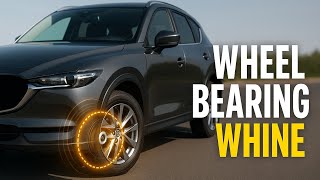
- Manufacturer Service Alert (SA-020/25): Mazda issued a service alert to dealers warning them that many humming or whining noises attributed to transmissions or differentials were actually caused by failing wheel bearings. 🎬 Watch: How to identify bearing noise vs. transmission whine. This highlights how common bearing failure can be and how easily it can be misdiagnosed.
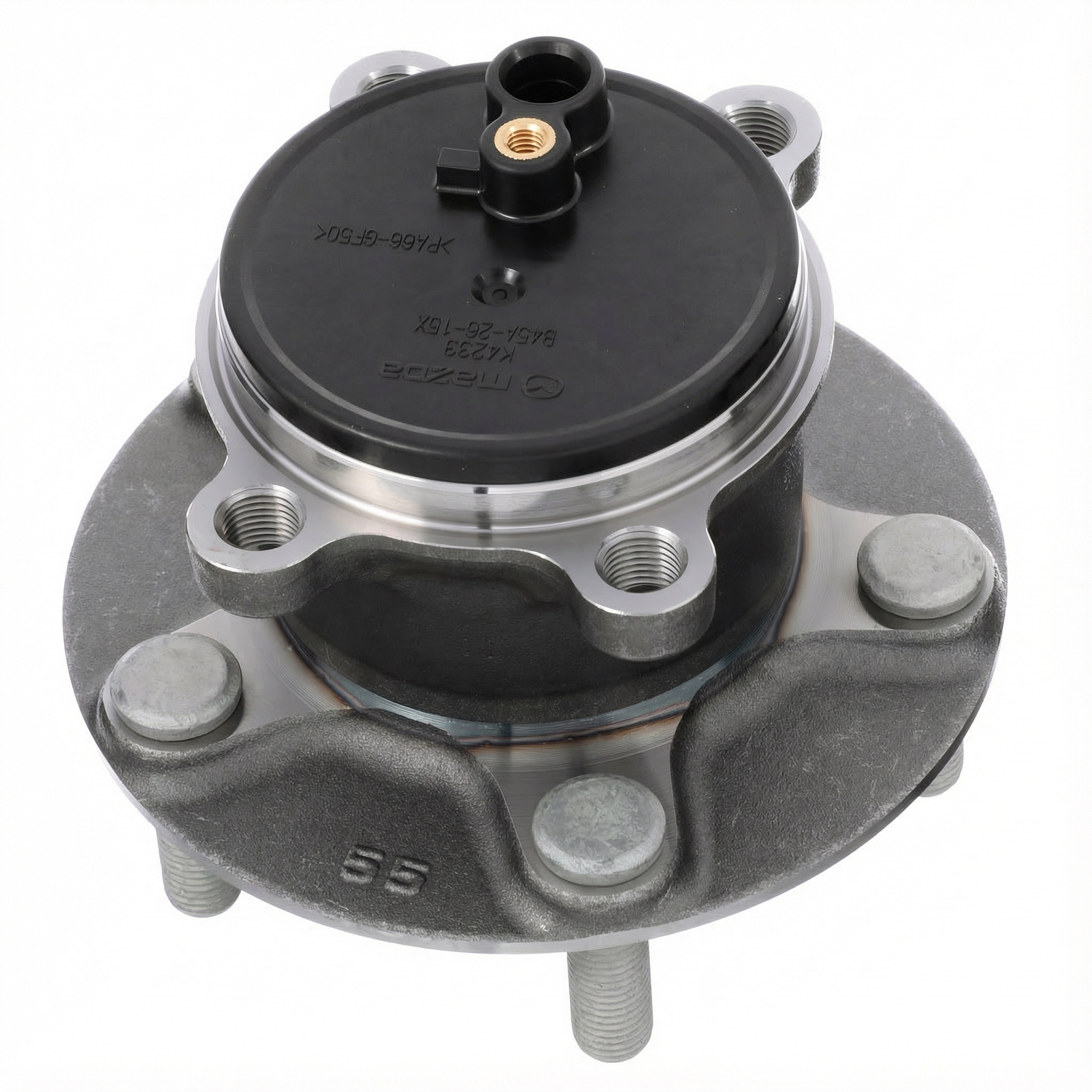
Important Compatibility Warning: This specific rear hub assembly (OEM Part B45A2615X) is for Japan-built models only that are equipped with a standard (non-electric) parking brake. Always verify your vehicle's specifications before ordering.
Buying a Used 2014-2018 Mazda 3 Hub Assembly
A low-mileage, used OEM hub assembly can be a reliable and cost-effective alternative to a new part, especially when compared to budget aftermarket options. Here’s what to look for:
1. Verify Compatibility Above All Else
- Check the VIN: The most critical step is to confirm where the vehicle was made. The first character of your Vehicle Identification Number (VIN) tells you the country of origin. A VIN starting with 'J' indicates it was built in Japan. A VIN starting with '3' means it was built in Mexico. Parts are often not interchangeable between the two.
- Confirm Parking Brake Type: Check if your car has a traditional hand-pull parking brake lever or an electronic switch. This part is for vehicles with the standard mechanical lever.
2. Physical Inspection
- Spin Test: Hold the hub assembly and try to spin the hub flange where the wheel bolts on. It should spin smoothly and silently. Any roughness, grinding, or noise means the bearing is bad.
- Check for Play: Try to wiggle the hub flange back and forth. There should be absolutely no looseness or 'play'. Any movement indicates a worn bearing.
- Inspect for Damage: Look for any cracks or damage to the housing, especially around the mounting points. Check that the wheel studs are straight and the threads are in good condition.
- ABS Sensor and Connector: Inspect the ABS sensor wire and its plastic connector for any cuts, fraying, or damage. A damaged sensor will render the part useless.
3. Mileage and Part Source
Wheel bearings are wear items. A part from a low-mileage vehicle (ideally under 80,000 miles) will have a much longer remaining service life. Ask the seller for the mileage of the donor vehicle. Choosing a used OEM part from a reputable recycler often provides better quality and fitment than a cheap, new aftermarket part with inferior bearing quality.
Replacement Overview and Torque Specs
Replacing the rear hub assembly is a manageable DIY job for someone with mechanical experience and the right tools. The hub is a bolt-on unit, which is simpler than older press-in style bearings.
Key Steps:
- Safely raise and support the vehicle and remove the wheel.
- Remove the brake caliper and the caliper mounting bracket. Hang the caliper securely so it doesn't put stress on the brake hose.
- Remove the brake rotor.
- Disconnect the ABS sensor wiring harness.
- From behind the knuckle, remove the four bolts holding the hub assembly in place.
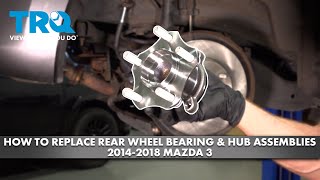
- Install the new hub assembly, ensuring the mating surfaces are clean. 🎬 See this step-by-step walkthrough of the rear hub replacement.
Crucial Torque Specs:
Using a torque wrench is essential for safety and proper function. While specs can vary slightly, typical values are:
| Component | Torque Specification |
|---|---|
| Hub Assembly Mounting Bolts | ~65 ft-lbs |
| Brake Caliper Bracket Bolts | ~48 ft-lbs |
| Wheel Lug Nuts | ~100 ft-lbs |
Note: Always consult a specific repair manual for your vehicle's exact torque specifications.
Cost Comparison
Prices can vary based on brand and supplier, but this provides a general cost expectation.
| Part Type | Estimated Cost (Part Only) |
|---|---|
| New OEM | $155 - $225 |
| New Aftermarket | $45 - $150+ |
| Used OEM | $50 - $120 |
| Shop Labor | $122 - $179 |
Frequently Asked Questions (FAQ)
How do I know for sure if my Mazda 3 is Japan-built?
Look at the VIN plate on the driver's side door jamb or at the base of the windshield. If the very first character is the letter 'J', your car was assembled in Japan. If it's the number '3', it was assembled in Mexico.
Can I replace just the bearing instead of the whole hub assembly?
No. For the 2014-2018 Mazda 3, the rear wheel bearing is part of a sealed hub assembly. It is designed to be replaced as a single, complete unit. The bearing itself cannot be pressed out and replaced separately.
Is this a difficult DIY job?
For an experienced DIY mechanic, this is a moderately difficult job. It requires safely lifting the vehicle, removing brake components, and having the correct tools, including a torque wrench. The most common difficulty is the old hub being seized in the knuckle due to rust, which may require a slide hammer or other puller tool to remove. Estimated time is around 1.5 to 2.5 hours per side.
What happens if I ignore a bad wheel bearing?
Ignoring a failing wheel bearing is dangerous. The noise and vibration will worsen, and the excessive heat generated can damage the hub and spindle. In a worst-case scenario, the bearing can completely fail or seize, which could cause the wheel to wobble uncontrollably or even detach from the vehicle, leading to a total loss of control.
Helpful Videos
Technical Specifications
OEM Part Numbers: B45A2615X BJS72615X BPM52615XA KD312615XA KD312615XB
5-lug bolt pattern, integrated ABS sensor, 4-bolt rectangular mounting flange.
We Have This Part in Stock

The information in this article is provided for general reference and educational purposes only. Vehicle specifications, procedures, and part compatibility can vary by production date, trim level, and region. Always consult your vehicle's factory service manual and verify part numbers before purchasing or performing repairs. Safety-critical components such as airbags, seat belts, and braking systems should be installed by a qualified professional.
- Mazda Mazda 3:
- 🎬 Helpful Videos
- 🛍️ Shop This Part
- Symptoms of a Failing Rear Hub Assembly
- Common Noises and Vibrations
- Known Issues, TSBs, and Recalls
- Buying a Used 2014-2018 Mazda 3 Hub Assembly
- 1. Verify Compatibility Above All Else
- 2. Physical Inspection
- 3. Mileage and Part Source
- Replacement Overview and Torque Specs
- Key Steps:
- Crucial Torque Specs:
- Cost Comparison
- Frequently Asked Questions (FAQ)
- 🎟️ Get 5% Off