

2019-2025 Mazda3 & 2020-2021 CX-30 Front Hub Assembly: Diagnosing Humming and Grinding Noises
This guide covers the common symptoms, replacement costs, and critical warnings for the front wheel hub assembly on the 2019-2025 Mazda3 and 2020-2021 Mazda CX-30.
- A humming or roaring noise that increases with speed is the primary symptom of failure.
- Mazda issued a Service Alert (SA-020/25) warning that this noise is often misdiagnosed as a more expensive transmission or differential problem.
- This is a bolt-on hub assembly, making it a feasible DIY replacement for those with the right tools, including a high-torque wrench for the axle nut.
- When buying a used part, mileage is the most critical factor to consider. Aim for the lowest mileage possible and physically inspect for play or roughness.
Symptoms of a Failing Hub Assembly
A failing front wheel hub assembly on a 2019-2025 Mazda3 or 2020-2021 CX-30 will almost always announce itself with noise. The key is to listen for sounds that change with your vehicle's speed, not the engine's speed.
- Humming, Roaring, or Grinding Noise: This is the most common symptom. It often starts as a faint hum and gets progressively louder as the bearing wears out. The noise is directly related to wheel speed and will increase in pitch and volume as you drive faster. It can sound similar to loud road noise or aggressive off-road tires.
- Noise Changes While Turning: A key diagnostic trick is to pay attention to the noise while turning. When you steer, you shift the vehicle's weight. If the noise gets louder when turning left, the failing bearing is likely on the right side (the loaded side). If it gets louder when turning right, the left bearing is the likely culprit.
- Vibration in the Steering Wheel: As the bearing deteriorates, it can develop excessive play, leading to a vibration you can feel in the steering wheel. This may be more noticeable at certain speeds.
- Clicking or Snapping Sounds: In cases of severe wear, you might hear clicking or snapping noises, especially when turning.
- ABS or Traction Control Light: The wheel speed sensor is integrated into the hub assembly. If the sensor or its wiring is damaged, or if excessive play in the bearing affects the sensor's reading, it can trigger the ABS and/or traction control warning lights on your dashboard.
Pro Tip: A thumping noise, especially while turning, could also indicate a failing CV (Constant Velocity) axle joint, not the wheel bearing. If you hear a grinding or rattling noise that is most noticeable at low speeds, it's also worth checking for a loose brake caliper, as this was the subject of a recall (4420F) for some 2020 Mazda3 and CX-30 models.
Known Issues, TSBs, and Recalls
Mazda Service Alert SA-020/25: Don't Mistake Hub Noise for a Bad Transmission
Mazda has issued a specific Service Alert (SA-020/25, NHTSA ID: 11017697) to its dealerships warning technicians that humming or whining noises that increase with speed are frequently misdiagnosed as expensive transmission, differential, or transfer case problems. In many cases, the actual cause is a failing wheel bearing.
This is critical information for owners. If you are experiencing a speed-related hum or growl, the wheel hub assembly should be the first suspect. Mentioning this service alert to a mechanic can help ensure they perform the correct diagnostic steps, such as using a stethoscope on the knuckle to isolate the noise, before recommending a much more costly drivetrain repair.
🎬 Watch: How to distinguish wheel bearing noise from transmission issues.Recalls and TSBs
As of early 2026, there are no specific recalls for the front hub assemblies on these vehicles. However, owners should be aware of a few related items:
- Recall 4420F: Affecting some 2020 Mazda3 and CX-30 vehicles, this recall was for improperly tightened front brake caliper mounting bolts. A loose caliper can cause a grinding or rattling noise that could be confused with a bad hub.
- TSB for Suspension Rattle: Mazda issued a TSB for a rattle noise from the front suspension when driving over bumps on some 2019-2022 Mazda3 and 2020-2022 CX-30 models. This is a distinct sound from the constant hum of a bad bearing but is another potential source of front-end noise.
Buying a Used Hub Assembly: What to Look For
A low-mileage used OEM hub assembly can be a reliable and cost-effective alternative to a new part, especially when compared to cheap, unbranded aftermarket options. Here’s what to inspect:
- Mileage is Key: This is the single most important factor. Since wheel bearings are wear items, a part from a vehicle with 30,000 miles is far preferable to one with 90,000 miles. While there's no exact failure mileage, forum discussions for Mazda vehicles suggest failures can occur anywhere from 30,000 to over 100,000 miles. Aim for the lowest mileage part you can find.
- Check for Play: With the hub assembly off the car, grasp the hub flange (where the wheel bolts on) and the stationary mounting portion. Try to wiggle it. There should be absolutely zero play or looseness. Any movement indicates a worn bearing. 🎬 Watch this video to see how to inspect for bearing play.
- Spin the Hub: Rotate the hub flange by hand. It should spin smoothly and silently. If you feel any roughness, grinding, or catching, the bearing is bad.
- Inspect the ABS Sensor and Wire: Check the wheel speed sensor for any cracks or physical damage. Ensure the wiring pigtail is intact, with no cuts, fraying, or damaged connectors. A damaged sensor will require replacing the entire hub.
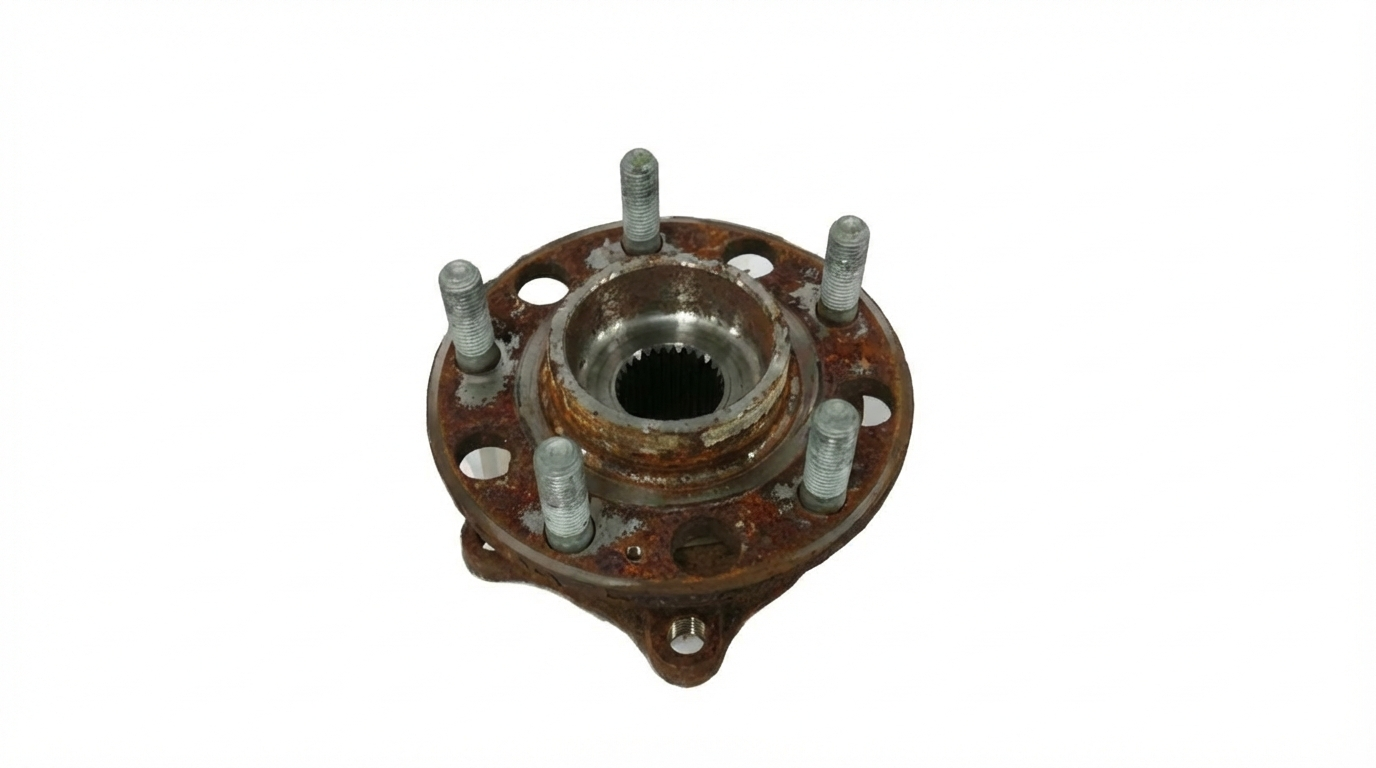
- Look for Corrosion and Damage: Inspect the housing for heavy rust or signs of impact from an accident. While surface rust is normal, deep pitting or cracks are red flags. Ensure the mounting holes are clean and undamaged.
Cost Comparison
Prices can vary by supplier and location, but this table provides a general estimate for a single front hub assembly replacement.
| Part or Service | Estimated Cost | Notes |
|---|---|---|
| New OEM | $160 - $200 | Genuine Mazda part (Part No. BDTS-33-04XA) from a dealership. |
| New Aftermarket | $75 - $180 | Price varies significantly by brand. Premium brands like MOOG or Timken are on the higher end, while budget brands are cheaper. |
| Used OEM | $80 - $150 | Depends heavily on mileage and condition. Often sourced from professional auto recyclers. |
| Shop Labor | $120 - $200 | RepairPal estimates labor for a Mazda3 at $122-$179. Expect about 1-1.5 hours of work. |
| Total Professional Replacement | $300 - $500 | Using a new OEM or premium aftermarket part. RepairPal estimates a total cost of $378-$485 for a Mazda3. |
Replacement Overview and Torque Specs
Replacing the front hub assembly on a 2019-2025 Mazda3 or CX-30 is a bolt-on procedure, making it feasible for an experienced DIY mechanic. However, it requires proper tools, including a high-quality torque wrench and a 32mm socket for the axle nut. The axle nut is extremely tight and is a one-time-use part.
🎬 See a professional walkthrough of the hub replacement process.Warning: Torque specifications are critical for safety and component life. Over or under-tightening the axle nut can cause premature failure of the new bearing. These specs are based on data from similar models and should be confirmed with an official service manual for your specific vehicle if possible.
Key Torque Specs:
- Hub Assembly to Knuckle Bolts (x4): 25 ft-lbs, then an additional 60-90 degree turn. These are likely torque-to-yield bolts and should be replaced.
- Axle Nut: Approximately 180-202 ft-lbs. Always use a new nut, as they are designed for one-time use. After torquing, the nut must be "staked" into the groove on the axle shaft using a punch to prevent it from backing off.
- Brake Caliper Bracket Bolts: 68 - 81 ft-lbs.
- Wheel Lug Nuts: 80 - 108 ft-lbs.
Frequently Asked Questions (FAQ)
Can I drive with a bad wheel bearing?
It is not recommended. A failing wheel bearing can lead to poor handling, unpredictable braking due to a faulty ABS signal, and in a worst-case scenario, the wheel can separate from the vehicle, causing a complete loss of control.
Does this hub assembly fit both the driver and passenger side?
Yes, the front hub assembly for these models is the same for the left and right sides.
Is the part different for All-Wheel Drive (AWD) vs. Front-Wheel Drive (FWD) models?
No, the front hub assembly is the same for both FWD and AWD versions of the Mazda3 and CX-30. The difference in the drivetrain is further back from the hub itself.
Do I need a wheel alignment after replacing a hub assembly?
While replacing the hub itself doesn't directly change alignment angles, the process often involves separating the tie rod end or ball joint from the knuckle. Because of this, it is highly recommended to have a professional four-wheel alignment performed after the replacement to ensure proper handling and prevent uneven tire wear.
Is it better to replace hubs in pairs?
If one hub fails due to mileage, the other side has been subjected to the same amount of wear and may not be far behind. While not strictly necessary, replacing them in pairs is good preventative maintenance and can save you from having to do the same job again in the near future.
Helpful Videos
Technical Specifications
OEM Part Numbers: BCKE-33-04X BCKE2615X BCKE2615XA BDTS2615X BDTS2615XA BDTS2615XB BDTS3304XA BDTS-33-04X
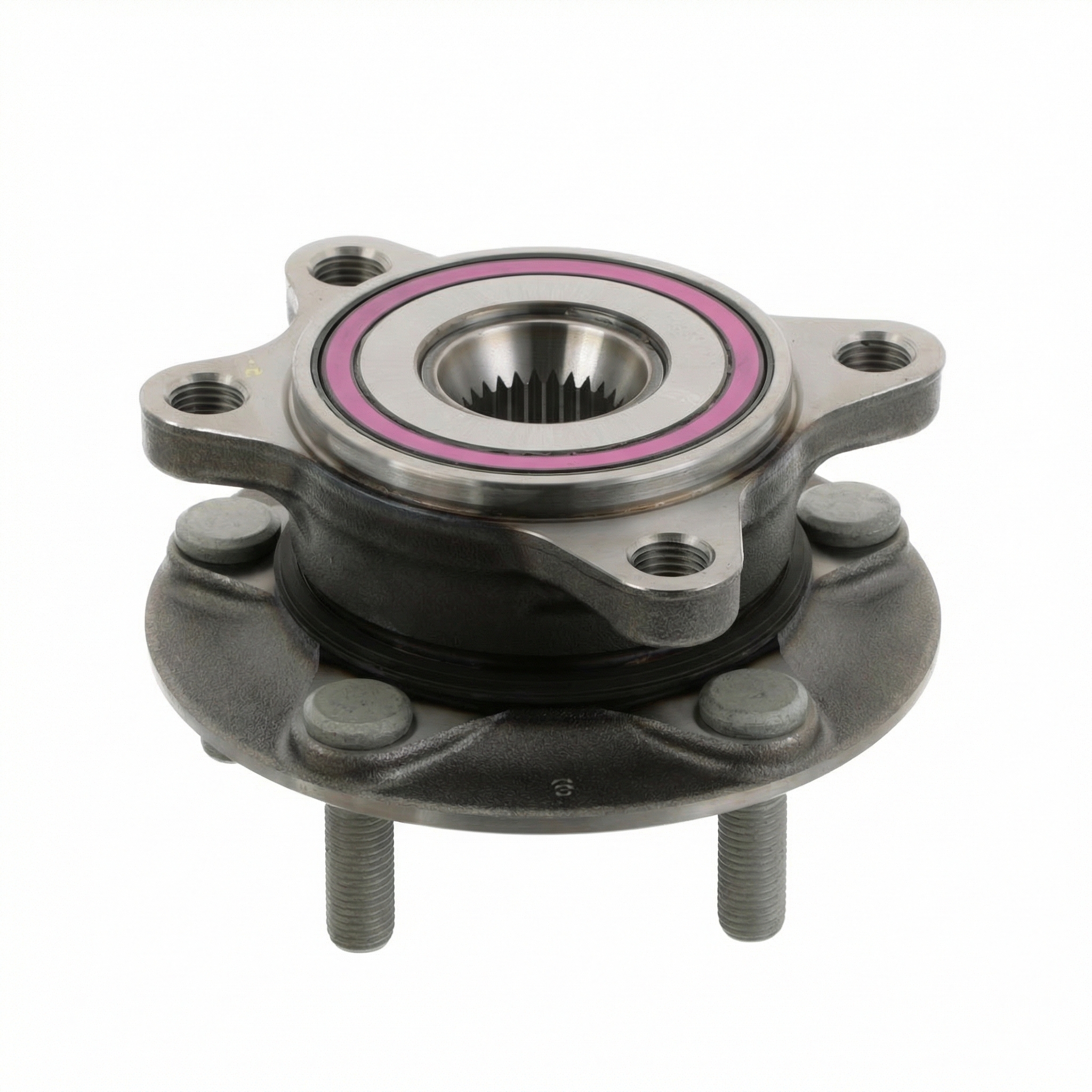
Fits front left or right side. For naturally aspirated (non-turbo) engines. Includes integrated ABS wheel speed sensor.
We Have This Part in Stock

The information in this article is provided for general reference and educational purposes only. Vehicle specifications, procedures, and part compatibility can vary by production date, trim level, and region. Always consult your vehicle's factory service manual and verify part numbers before purchasing or performing repairs. Safety-critical components such as airbags, seat belts, and braking systems should be installed by a qualified professional.
- Mazda MAZDA3:
- Mazda CX-30:
- 🎬 Helpful Videos
- 🛍️ Shop This Part
- Symptoms of a Failing Hub Assembly
- Known Issues, TSBs, and Recalls
- Mazda Service Alert SA-020/25: Don't Mistake Hub Noise for a Bad Transmission
- Recalls and TSBs
- Buying a Used Hub Assembly: What to Look For
- Cost Comparison
- Replacement Overview and Torque Specs
- Key Torque Specs:
- Frequently Asked Questions (FAQ)
- 🎟️ Get 5% Off