

2004-2006 Pontiac GTO Hub Assembly: Diagnosing Noise and Replacement Guide
A complete guide to understanding, diagnosing, and replacing the front and rear hub assemblies on your 2004-2006 Pontiac GTO.
- The most common sign of failure is a 'wooo wooo' or groaning noise that gets louder with speed and changes when turning.
- A failing hub assembly is a critical safety issue; if you suspect a problem, get it inspected immediately as wheel separation can occur.
- Front hubs are bolt-on units and are DIY-friendly, while rear bearings are press-in and require special tools and professional installation.
- A low-mileage used OEM hub can be a better choice than a cheap new aftermarket part due to superior materials and durability.
Symptoms of a Failing Hub Assembly
A bad wheel hub assembly on a 2004-2006 GTO will almost always give you audible warnings. Ignoring these signs can be dangerous, as a complete failure can lead to the wheel separating from the vehicle.
Noises
- Groaning, Roaring, or Humming: This is the most common symptom. The noise is often described as a "wooo wooo wooo" sound that starts around 15-20 MPH and gets louder and higher in pitch with increased speed. It may sound similar to loud, aggressive off-road tires.
- Grinding or Rumbling: As the bearing deteriorates further, the noise can become a rough grinding or rumbling, indicating metal-on-metal contact inside the bearing.
- Changes While Turning: A key diagnostic trick is to pay attention to the noise while turning. When you steer, weight transfers to the outside wheels. If you turn right and the noise gets louder, the problem is likely on the left side (driver's side). If you turn left and the noise increases, the right side (passenger's side) hub is the likely culprit.
Vibrations and Physical Symptoms
- Steering Wheel Vibration: You may feel a vibration or wobbling sensation through the steering wheel that corresponds with the noise.
- Loose Feeling: The car's handling might feel less precise or "loose."
- ABS Light: Since the front hub assemblies house the ABS wheel speed sensor, a failing hub can damage the sensor or its wiring, triggering the ABS and traction control warning lights on your dashboard.
- Uneven Tire Wear: A worn hub can allow for excessive play in the wheel, leading to abnormal and accelerated tire wear.
Diagnosing a Bad Hub Assembly
If you suspect a hub assembly is failing, you can perform two simple tests:
- The Wiggle Test: Safely raise the vehicle so the suspect wheel is off the ground and support it with a jack stand. Grab the tire at the 12 and 6 o'clock positions and try to rock it back and forth. Then, grab it at the 9 and 3 o'clock positions and do the same. If you feel any significant play, movement, or hear a clunking sound, the hub bearing is likely worn out.
- The Spin Test: While the wheel is in the air, spin it by hand. A good bearing will be nearly silent and smooth. If you hear or feel a gritty, rough, or grinding sensation, the bearing is bad.
Known Issues, TSBs, and Recalls
While there are no specific recalls or a high volume of Technical Service Bulletins (TSBs) for the hub assemblies on the 2004-2006 Pontiac GTO, the front suspension as a whole is a known weak point. Issues like failing strut mounts and radius rod bushings can put additional stress on other components, including the wheel bearings. 🎬 Watch: 11 common problems to look for on your GTO. Some owners have reported front suspension issues related to tire rubbing on the struts, which prompted an investigation by the Center for Auto Safety, but this did not result in a formal recall. No recalls directly address the hub assemblies themselves.
Warning: The rear wheel bearings are significantly more difficult to replace than the front hub assemblies. The rear bearings are pressed into the control arm and require special tools, a hydraulic press, and considerable effort to service. This guide primarily focuses on the bolt-on front hub assemblies.
Buying a Used Hub Assembly
For a vehicle like the GTO where new OEM parts are becoming discontinued and expensive, a low-mileage used OEM hub assembly can be a smart choice. An original GM/Holden part often has superior metallurgy and build quality compared to entry-level aftermarket replacements.
What to Inspect:
- Check for Smoothness: Spin the hub by hand. It must be perfectly smooth and silent. Any grittiness, notchiness, or noise means the bearing is bad.
- Inspect for Damage: Look for any signs of impact damage, heavy corrosion, or cracks on the hub flange and mounting points.
- Check the ABS Sensor Wire: On front hubs, carefully inspect the ABS sensor and its wire. Ensure the wire isn't cut, frayed, or damaged, and that the plastic connector isn't broken. A damaged sensor wire makes the part useless without repair.
- Verify Mileage: Whenever possible, choose a part from a lower-mileage vehicle. While there's no exact failure mileage, bearings are wear items, and less use means more life remaining.
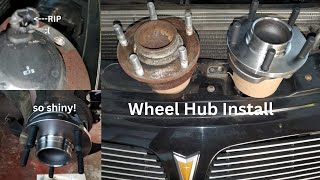
- Confirm Compatibility: The front hub assemblies are side-specific (left and right are different). The rear bearings are also different from the front. Ensure you are buying the correct part for your specific needs. 🎬 See this step-by-step walkthrough of a GTO hub replacement.
Cost Comparison
| Part | Estimated Cost |
|---|---|
| New OEM (GM 92115772) | $250 - $400+ (if available, often discontinued) |
| New Aftermarket (Quality Brand like Timken/SKF) | $150 - $250 per side |
| New Aftermarket (Value Brand) | $50 - $90 per side |
| Used OEM | $50 - $100 per side |
| Shop Labor (Front Hub Assembly) | $150 - $250 per side |
Replacement Procedure Overview (Front Hubs)
Replacing the front hub assembly is a feasible DIY job for someone with mechanical experience and the right tools. The rear bearings require a press and are best left to a professional shop.
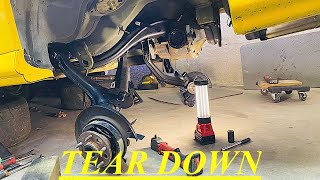
🎬 Watch: A deep dive into GTO rear suspension and bearings.Key Steps & Torque Specs:
- Preparation: With the vehicle on the ground, break the axle nut loose. You will need a 32mm socket and a large breaker bar. Do not remove it completely. Then, loosen the wheel's lug nuts.
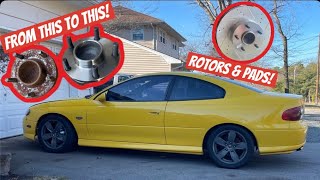
- Disassembly: Raise and support the vehicle, then remove the wheel. Remove the brake caliper and caliper bracket, and hang the caliper securely out of the way to avoid stressing the brake hose. Remove the brake rotor.
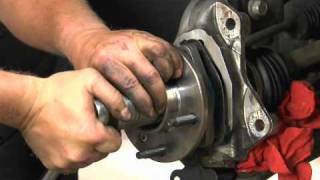
- Hub Removal: Remove the axle nut. From behind the steering knuckle, remove the three bolts holding the hub assembly in place. These may require heat to loosen if red Loctite was used. You may need to gently pry or tap the old hub out of the knuckle.
- Installation: Clean the mounting surface on the knuckle thoroughly. Install the new hub assembly. Use red Loctite on the three mounting bolts and torque them to 80 lb-ft.
- Final Torque: Reinstall the brake components. The front axle nut torque is critical for bearing life. While specific GTO specs are debated in forums, a common torque value for similar GM platforms is between 118 lb-ft and 159 lb-ft. Always use a new axle nut if one is provided, as they are often designed for one-time use.
Pro Tip: The front hub mounting bolts are often installed with red threadlocker from the factory. You may need to apply heat with a torch to the knuckle around the bolts to break them loose.
Frequently Asked Questions
Are the front and rear hub assemblies the same?
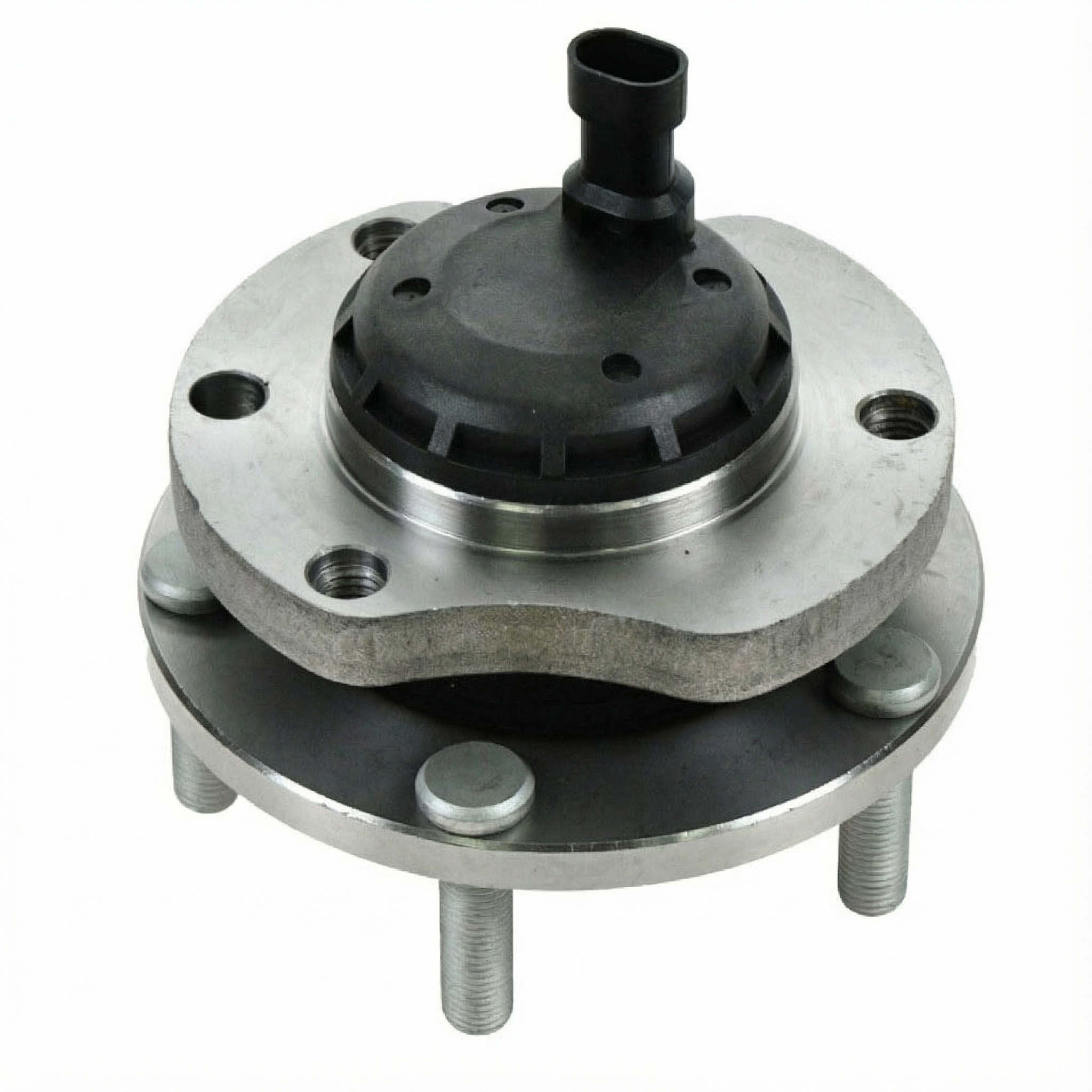
No. The front hubs are bolt-in assemblies that include the hub, bearing, and ABS sensor. The rear uses a press-in bearing that is a separate component from the hub itself and is much more difficult to replace.
Are the left and right front hubs interchangeable?
No, the front hub assemblies are side-specific. Part numbers for the left (driver's side) and right (passenger's side) are different.
Can I just replace the bearing instead of the whole front hub assembly?
No, for the front wheels, the bearing is integrated into the hub assembly as a single, sealed, non-serviceable unit. The entire assembly must be replaced.
Do I need a wheel alignment after replacing a front hub assembly?
While replacing the hub assembly itself does not directly alter alignment angles, it is often recommended. The process involves disassembling parts of the suspension, and if any other components like tie rods or control arms are disturbed, an alignment is necessary to ensure proper handling and prevent tire wear.
Helpful Videos
Technical Specifications
OEM Part Numbers: 92115772 (Front) FW152 (Front) HA590006 (Front Right Aftermarket) HA590007 (Front Left Aftermarket) 513218 (Front Aftermarket) 513217 (Front Aftermarket) 511035 (Rear Bearing Aftermarket)
Front Axle Nut Socket Size: 32mm Front Hub Mounting Bolt Torque: 80 lb-ft Front Axle Nut Torque: 118-159 lb-ft (consult service manual for exact spec)
We Have This Part in Stock

The information in this article is provided for general reference and educational purposes only. Vehicle specifications, procedures, and part compatibility can vary by production date, trim level, and region. Always consult your vehicle's factory service manual and verify part numbers before purchasing or performing repairs. Safety-critical components such as airbags, seat belts, and braking systems should be installed by a qualified professional.
- Pontiac GTO:
- 🎬 Helpful Videos
- 🛍️ Shop This Part
- Symptoms of a Failing Hub Assembly
- Noises
- Vibrations and Physical Symptoms
- Diagnosing a Bad Hub Assembly
- Known Issues, TSBs, and Recalls
- Buying a Used Hub Assembly
- What to Inspect:
- Cost Comparison
- Replacement Procedure Overview (Front Hubs)
- Key Steps & Torque Specs:
- Frequently Asked Questions
- 🎟️ Get 5% Off