

2004-2009 Toyota Prius Wheel Bearing & Hub Guide: Diagnosing Noise and Replacement
Learn to identify a failing wheel bearing on your Gen 2 Prius and understand the key differences between replacing the front bearing versus the rear hub assembly.
- The primary symptom of failure is a humming or roaring noise that increases with speed, not engine RPM.
- On the 2004-2009 Prius, both the front and rear use a complete, bolt-on hub assembly, making replacement a feasible DIY job.
- A key diagnostic test is to swerve the vehicle; if the noise gets louder turning left, the right bearing is likely bad, and vice-versa.
- A used OEM hub assembly from a low-mileage vehicle is often a better quality and more durable option than a new, cheap aftermarket part.
Understanding Front vs. Rear Hubs on a 2004-2009 Prius
A key difference on the second-generation Toyota Prius is how the front and rear wheel bearings are serviced. It's important to know which one you're dealing with.
- Front: The front uses a bolt-in wheel bearing and hub assembly. This entire unit is unbolted from the steering knuckle. This design is relatively straightforward for DIY replacement.
- Rear: The rear also uses a complete, sealed hub and bearing assembly that bolts to the rear axle carrier. It includes the integrated ABS sensor. Like the front, it is a bolt-on replacement.
Symptoms of a Failing Hub Assembly
The most common sign of a bad wheel bearing is a noise that changes with vehicle speed. It's often confused with tire noise, but there are specific ways to tell the difference.
1. Humming, Roaring, or Grinding Noise
A failing bearing typically starts as a faint hum and progresses to a louder roar or grinding sound 🎬 Listen to what a failing Prius wheel bearing sounds like. as it gets worse. This noise is directly related to how fast the wheels are turning, not the engine speed. It will be present whether you are accelerating, coasting, or have the car in neutral. A clicking or popping sound, especially during turns, is more likely a bad CV joint, not a wheel bearing.
2. Noise Changes While Turning
A classic test is to swerve the car gently from side to side at a speed where the noise is obvious (e.g., 40-50 mph). If you turn the steering wheel to the left, you put more load on the right-side wheel bearing. If the noise gets louder when turning left, the right-front bearing is likely the culprit. If it gets louder when turning right, the left-front bearing is the suspect.
3. Vibration or Wheel Play
In advanced stages of failure, you might feel a vibration through the steering wheel or the floor. You can also check for failure by jacking the car up so the wheel is off the ground. Grab the tire at the top and bottom (12 and 6 o'clock positions) and try to wiggle it. If you feel any looseness or play, the bearing is worn out. You can also spin the wheel by hand; a bad bearing will feel rough or make a grinding noise.
Pro Tip: It can be difficult to pinpoint which wheel bearing is making noise from the driver's seat. A mechanic's stethoscope placed on the steering knuckle while the wheel is spinning is a definitive way to isolate the sound. Another method is to place your hand on the coil spring while a helper spins the tire; a bad bearing will transmit a noticeable vibration into the spring.
Known Issues, TSBs, and Recalls
While wheel bearings are considered a wear-and-tear item, the 2004-2009 Prius was subject to a few major recalls. None are for the wheel bearings themselves, but are important for owners to be aware of.
- Steering Shaft Recall (NHTSA 12V537000): A significant recall was issued for nearly 670,000 Prius vehicles from this generation. The splines on the steering intermediate extension shaft could wear down, potentially leading to a loss of steering. Dealers were to inspect and replace the shaft if necessary.
- Floor Mat Recall (NHTSA 90L): These models were part of the large-scale Toyota recall for floor mats that could trap the accelerator pedal. The remedy involved modifying the pedal and replacing certain types of all-weather floor mats.
There are no specific Technical Service Bulletins (TSBs) for premature hub assembly failure, but it is a commonly discussed repair in owner forums, with failures often occurring after 100,000 miles.
Buying a Used 2004-2009 Prius Hub Assembly
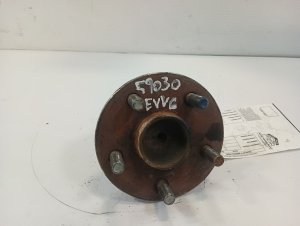
A used OEM hub assembly is an excellent value, especially for the bolt-on design of the Gen 2 Prius. Because they are a sealed unit from the factory, a low-mileage used OEM part is often a higher quality and more reliable choice than a cheap, new aftermarket part.
What to Inspect:
- Check for Play: Hold the hub flange and the mounting body and try to wiggle it. There should be absolutely no play or looseness.
- Spin the Hub: Rotate the hub by hand. It should spin smoothly and silently. Any grinding, roughness, or catching indicates a bad bearing.
- Inspect the ABS Sensor: The rear hub has an integrated ABS sensor and wire. Ensure the wire and its connector are not cut, frayed, or damaged.
- Check Mounting Points: Look at the bolt holes to ensure they are not stripped or damaged. Check the mating surface for any deep gouges or warping.
- Verify Mileage: If possible, get the mileage from the donor vehicle. A hub from a vehicle with under 150,000 miles is a good candidate.
Cost Comparison: Prius Hub Assembly Replacement
| Part Type | Estimated Cost (Part Only) |
|---|---|
| New OEM | $270 - $410 |
| New Aftermarket | $50 - $150 |
| Used OEM | $40 - $100 |
| Shop Labor | $140 - $360 per wheel |
Replacement Overview & Torque Specs
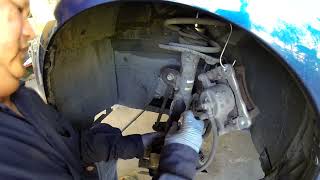
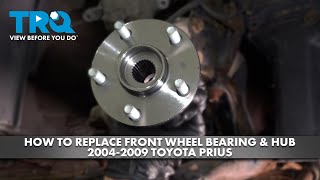
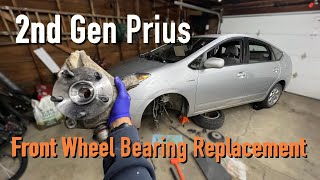
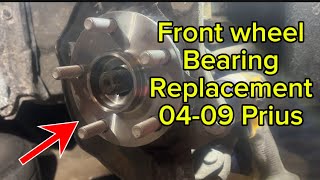
Replacing the front or rear hub assembly on a Gen 2 Prius is a feasible DIY job for someone with mechanical experience and the right tools. The process is a bolt-off, bolt-on procedure.
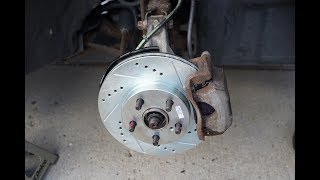
🎬 Watch this step-by-step guide to replacing the hub assembly.Warning: Always use jack stands when working under a vehicle. Never rely on a jack alone to support the car's weight.
Key Steps:
- Raise and safely support the vehicle, then remove the wheel.
- Remove the brake caliper and caliper bracket, and hang the caliper securely out of the way without stressing the brake hose. Remove the brake rotor.
- Unplug the ABS speed sensor connector.
- Remove the large 30mm 12-point axle nut.
- For the front, you may need to separate the lower ball joint from the control arm to get enough room to slide the CV axle out of the hub.
- Remove the four bolts holding the hub assembly to the steering knuckle (front) or axle carrier (rear).
- The old hub may be seized with rust. It may require significant force with a hammer or a slide hammer to remove.
- Clean the mounting surface thoroughly with a wire brush before installing 🎬 See a professional mechanic demonstrate the front wheel bearing replacement. the new hub.
Important Torque Specifications:
| Component | Torque Value | Source |
|---|---|---|
| Front Hub Assembly Bolts | 41 ft-lbs | |
| Rear Hub Assembly Bolts | 45 ft-lbs | |
| Front Caliper Bracket Bolts | 81 ft-lbs | |
| Front Caliper Pin Bolts | 25 ft-lbs | |
| Ball Joint to Control Arm Nuts/Bolt | 66 ft-lbs | |
| Lug Nuts | 76 ft-lbs |
Frequently Asked Questions (FAQ)
Do I need a wheel alignment after replacing a hub assembly?
If you only replace the bolt-in hub assembly and do not remove the steering knuckle or adjust any steering components like the tie rod ends, a wheel alignment is generally not necessary. However, if you separate the strut from the knuckle or replace the entire knuckle, an alignment is recommended.
Can I drive with a bad wheel bearing?
You can drive for a short period, but it is not recommended. As the bearing wears, it generates excessive heat which can damage the hub and spindle. In a worst-case scenario, the wheel could seize up or separate from the vehicle, leading to a complete loss of control.
Should I replace wheel bearings in pairs?
It is not strictly necessary to replace them in pairs. Unlike brakes or tires, the failure of one wheel bearing does not mean the other side is about to fail. However, if both bearings have similar mileage and have been subjected to the same conditions, it's possible the other side may not be far behind.
What is the difference between a wheel bearing and a hub assembly?
The wheel bearing is the component that allows the wheel to spin. On the 2004-2009 Prius, the bearing is pre-installed into a flange with the wheel studs, which is called the hub assembly. For this vehicle, you replace the entire sealed assembly, not just the internal bearing.
Helpful Videos

Technical Specifications
OEM Part Numbers: 42450-47030 (Rear Hub Assembly) 43510-47012 (Front Hub Assembly, supersedes 43510-47010, 43510-47011)
Front Hub Bolts: 41 ft-lbs. Rear Hub Bolts: 45 ft-lbs. Axle Nut: Requires 30mm 12-point socket.
We Have This Part in Stock

The information in this article is provided for general reference and educational purposes only. Vehicle specifications, procedures, and part compatibility can vary by production date, trim level, and region. Always consult your vehicle's factory service manual and verify part numbers before purchasing or performing repairs. Safety-critical components such as airbags, seat belts, and braking systems should be installed by a qualified professional.
- Toyota Prius:
- 🎬 Helpful Videos
- 🛍️ Shop This Part
- Understanding Front vs. Rear Hubs on a 2004-2009 Prius
- Symptoms of a Failing Hub Assembly
- 1. Humming, Roaring, or Grinding Noise
- 2. Noise Changes While Turning
- 3. Vibration or Wheel Play
- Known Issues, TSBs, and Recalls
- Buying a Used 2004-2009 Prius Hub Assembly
- What to Inspect:
- Cost Comparison: Prius Hub Assembly Replacement
- Replacement Overview & Torque Specs
- Key Steps:
- Important Torque Specifications:
- Frequently Asked Questions (FAQ)
- 🎟️ Get 5% Off