

2015-2022 Colorado & Canyon HVAC Blower Motor: Failure Symptoms, Noises, and Replacement
Diagnose and understand common failures with the HVAC blower motor in your 2015-2022 Chevrolet Colorado or GMC Canyon, from strange noises to a complete lack of airflow.
- If the fan only works on the highest setting, the problem is the blower motor resistor, not the motor.
- A noisy blower motor (chirping, grinding) is the most common sign of impending failure.
- When replacing the motor, always inspect the electrical connector for melting or burns. It's common to replace the resistor and connector pigtail at the same time.
- Replacement is a very easy DIY job, located under the passenger dash and held by just a few screws.
Symptoms of a Failing Blower Motor

A failing blower motor in a 2015-2022 Chevrolet Colorado or GMC Canyon will usually give you some warning signs. Here are the most common symptoms, ranging from minor annoyances to complete failure.
1. Unusual Noises from the Passenger Dash
This is often the first sign of a problem. As the motor's internal bearings wear out, they can produce a variety of noises that are most audible from the passenger footwell area.
- Chirping or Squeaking: A high-pitched chirp or squeal that changes with the fan speed often points to worn motor bearings. This noise may be more noticeable at lower fan speeds.
- Grinding or Rumbling: A deeper grinding or rumbling noise suggests a more severe bearing failure. The motor may be difficult to turn.
- Ticking or Rattling: A ticking or rattling sound can be caused by debris, like leaves or paper, hitting the spinning fan cage. This can happen if the cabin air filter is missing or damaged.
2. Weak or No Airflow from Vents
The most obvious symptom is a lack of air coming from the vents. Even if you can hear the A/C compressor engage or the engine fan running, the cabin fan isn't doing its job. This can manifest in a few ways:
- Completely Dead: No air blows out at any fan speed. This could be a seized motor, a blown fuse, or a failed electrical connection.
- Intermittent Operation: The fan works sometimes but not others. It might cut out when you hit a bump, which often points to worn electrical brushes inside the motor or a loose connection.
- Weak Airflow: The motor may be spinning, but much slower than it should, resulting in poor airflow even on the highest setting.
3. Fan Only Works on the Highest Speed
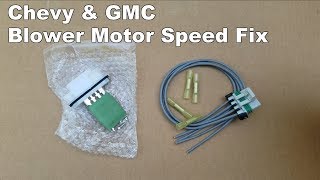
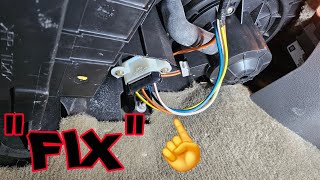
If your fan controls work for the highest setting but not for any of the lower speeds, the problem is almost certainly the blower motor resistor, not the blower motor itself. The resistor is what controls the fan speed, and the 'high' setting bypasses the resistor entirely. 🎬 Watch this quick fix if your fan only works on high. This is a very common issue, and the resistor is a separate, less expensive part located right next to the blower motor.
4. Burning Smell or Melted Connector
A burning plastic or electrical smell coming from the vents is a serious symptom that requires immediate attention. It indicates the motor is overheating and drawing too much electrical current, which can melt the wiring and create a fire hazard. A failing motor can draw excess current and damage the blower motor resistor and its wiring harness connector. It is common to find a burnt or melted connector when diagnosing this issue.
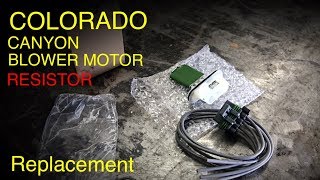
Pro Tip: If you are replacing a blower motor, it is highly recommended to also inspect and likely replace the blower motor resistor and its pigtail connector, especially if you see any signs of discoloration, melting, or corrosion 🎬 See tips for replacing the resistor and connector together. on the terminals. A failing motor often damages these related parts.
Known Issues, TSBs, and Recalls

While there are no major safety recalls for the HVAC blower motor itself on the 2015-2022 Chevrolet Colorado and GMC Canyon, there are related service bulletins and common problems to be aware of.
- Blower Motor Resistor & Connector Failure: The most prevalent issue is not the motor itself, but the associated resistor and its electrical connector. A GM Technical Service Bulletin (TSB) for older models, PIT3688A, addressed a poor connection at the resistor that causes intermittent operation. This same issue of burnt connectors is widely reported by owners of the 2015-2022 generation, indicating a persistent design weakness. The root cause is often an aging blower motor drawing too much current, which overheats the connector.
- Customer Satisfaction Program 16019: This program for 2015-2016 models addressed a cracking temperature blend door shaft, which could cause inconsistent air temperature. This is not a blower motor issue, but can be confused for a general HVAC problem.
Buying a Used HVAC Blower Motor

A used OEM blower motor can be a reliable and cost-effective alternative to expensive new parts or lower-quality aftermarket options. Since this is a simple electric motor, a low-mileage used unit is often a smart buy. Here’s what to inspect:
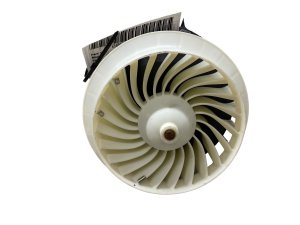
- Spin the Fan Cage by Hand: This is the most important test. The plastic 'squirrel cage' fan should spin freely, smoothly, and silently for several rotations. If you feel any grinding, roughness, or resistance, or if it makes noise, the bearings are worn. Do not buy it.
- Inspect the Fan Cage: Carefully check the plastic fan for any cracked, broken, or missing fins. Even a small imbalance will cause significant vibration and noise when installed.
- Check the Electrical Connector: Look at the electrical pins and the plastic housing on the motor. There should be no signs of melting, charring, or heavy corrosion. A damaged connector is a red flag that the motor may have been overheating.
- Verify Part Numbers: The most current part number is 84933974. This number supersedes older versions like 84355032, 84063798, 23306919, and 22986970. Any of these numbers will fit, but the latest revision is always preferred.
Replacement Information

Replacing the HVAC blower motor on a 2015-2022 Colorado or Canyon is a straightforward job that most DIYers can complete with basic tools.
- Difficulty: 1.5 / 5
- Estimated Time: 30-45 minutes
- Location: The blower motor is located under the passenger side of the dashboard, directly beneath the glove box. It is easily accessible.
- Tools Required: A small ratchet with a 5.5mm or 7/32" socket is typically all that is needed to remove the motor mounting screws.
The general process involves removing a lower plastic trim panel, disconnecting the electrical connector, removing three small screws, and twisting the motor to release it from the HVAC housing. Installation is the reverse of removal.
🎬 Watch this diagnostic guide to avoid replacing the wrong parts.Cost Comparison
Prices can vary by location and supplier, but this provides a general expectation of costs.
| Part Type | Estimated Cost |
|---|---|
| New OEM | $140 - $180 |
| New Aftermarket | $105 - $150 |
| Used OEM | $60 - $100 |
| Shop Labor | $70 - $150 |
Frequently Asked Questions (FAQ)
Do I need to replace the blower motor or the resistor?
If your fan only works on the highest speed, the problem is the blower motor resistor. If the fan is noisy, works intermittently on all speeds, or doesn't work at all, the blower motor is the more likely culprit. Given the low cost, it's often wise to replace both, along with the wiring pigtail if it shows any heat damage.
Is the blower motor the same for manual and automatic climate control?
Yes, for the 2015-2022 Chevrolet Colorado and GMC Canyon, the same blower motor is used for all trim levels and climate control systems.
Why did my new blower motor fail so quickly?
If a replacement blower motor fails prematurely, it's often because the underlying issue wasn't addressed. A common reason is that the original motor was failing and drawing too much current, which damaged the electrical connector or resistor. If you install a new motor without replacing the damaged connector, the poor connection will create high resistance and heat, quickly destroying the new motor or the connector itself.
Is there a cabin air filter that protects the blower motor?
Yes, these trucks are equipped with a cabin air filter accessible from behind the glove box. A clean filter is essential for preventing leaves, dust, and other debris from entering the blower motor fan cage, which can cause noise, imbalance, and strain on the motor.
Helpful Videos
Technical Specifications
OEM Part Numbers: 84933974 84355032 84063798 23306919 22986970
Voltage: 12V. Rotation: Clockwise. The motor is a direct replacement and fits all models of the 2015-2022 Chevrolet Colorado and GMC Canyon, regardless of manual or automatic climate control systems.
We Have This Part in Stock

The information in this article is provided for general reference and educational purposes only. Vehicle specifications, procedures, and part compatibility can vary by production date, trim level, and region. Always consult your vehicle's factory service manual and verify part numbers before purchasing or performing repairs. Safety-critical components such as airbags, seat belts, and braking systems should be installed by a qualified professional.
- Chevrolet Colorado:
- GMC Canyon:
- 🎬 Helpful Videos
- 🛍️ Shop This Part
- Symptoms of a Failing Blower Motor
- 1. Unusual Noises from the Passenger Dash
- 2. Weak or No Airflow from Vents
- 3. Fan Only Works on the Highest Speed
- 4. Burning Smell or Melted Connector
- Known Issues, TSBs, and Recalls
- Buying a Used HVAC Blower Motor
- Replacement Information
- Cost Comparison
- Frequently Asked Questions (FAQ)
- 🎟️ Get 5% Off