

2005-2014 Mustang Blower Motor: Diagnosing Noises and Airflow Failures
This guide covers common failure symptoms, replacement costs, and how to buy a quality used HVAC blower motor for your S197 Ford Mustang.
- This blower motor fits 2005-2014 Mustangs with MANUAL climate control only; it will not work with dual-zone/automatic systems.
- If the fan only works on the highest speed, the problem is almost certainly the blower motor resistor, not the motor itself.
- Replacement is an easy DIY job, requiring only an 8mm socket and about an hour of time.
- A common cause of failure is water intrusion from a clogged cowl drain on the passenger side; keeping this area clean is important preventative maintenance.
Symptoms of a Failing Blower Motor


A failing blower motor in a 2005-2014 Mustang will usually provide clear warning signs. Diagnosing the issue correctly can save you from replacing parts that are not broken.
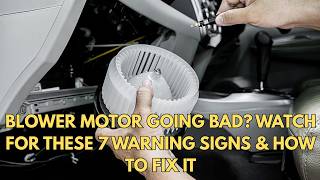
🎬 Watch: Learn how to diagnose symptoms and find the fix.1. No Airflow from Vents
The most obvious symptom is when no air comes out of the vents at any fan speed. Before condemning the motor, it's important to check the fuse first. If the fuse is intact, the motor itself may have burned out or has a bad electrical connection.
2. Weak or Reduced Airflow
If the fan is blowing, but the airflow is noticeably weaker than it used to be, the motor could be wearing out and losing its ability to spin at full speed. This can also be a symptom of a clogged cabin air filter, so it's wise to inspect the filter before replacing the motor.
3. Unusual Noises from the Passenger Side Dash
Strange noises coming from the passenger footwell area are a very common sign of a failing blower motor.
- Squealing or Grinding: A high-pitched squeal or a metallic grinding noise often indicates the motor's internal bearings are worn out and failing.
- Rattling or Clicking: A rattling or flapping sound can be caused by debris like leaves or paper that has been pulled into the fan cage. It can also mean the fan cage itself is broken. 🎬 See this video for a breakdown of common blower noises.
4. Fan Only Works on the Highest Speed Setting
This is a very common issue for the 2005-2014 Mustang, but it is almost always caused by a failed blower motor resistor, not the motor itself. The resistor controls the fan speed on lower settings. When it fails, the electrical current bypasses it, allowing the fan to run only on its maximum setting. If you are experiencing this specific symptom, you should diagnose or replace the resistor first.
Pro Tip: A failing blower motor can draw excess electrical current, which can cause the new blower motor resistor to fail prematurely. Some mechanics recommend replacing the motor and resistor at the same time if the motor is old or noisy.
Known Issues and Recalls

There are no specific recalls or widespread Technical Service Bulletins (TSBs) from Ford for the blower motor itself on the 2005-2014 Mustang. However, a known issue with this generation is a clogged cowl drain grommet located under the passenger side of the windshield. When this drain clogs with leaves and debris, rainwater can overflow from the cowl and leak directly onto the cabin air filter and into the HVAC housing, potentially damaging the blower motor. Regularly cleaning the cowl area is a key preventative measure.
Compatibility Warning: This blower motor is for vehicles with manual climate controls only. It is not compatible with the rare optional dual-zone or automatic temperature control systems. Always verify your vehicle's system before purchasing.
Buying a Used HVAC Blower Motor

A used OEM blower motor can be a reliable and cost-effective alternative to a new part. Since this is a simple electric motor, a low-mileage unit can provide years of service. Here’s what to check before buying:
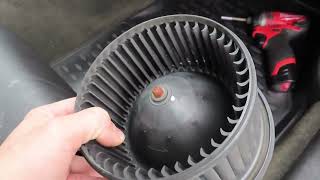
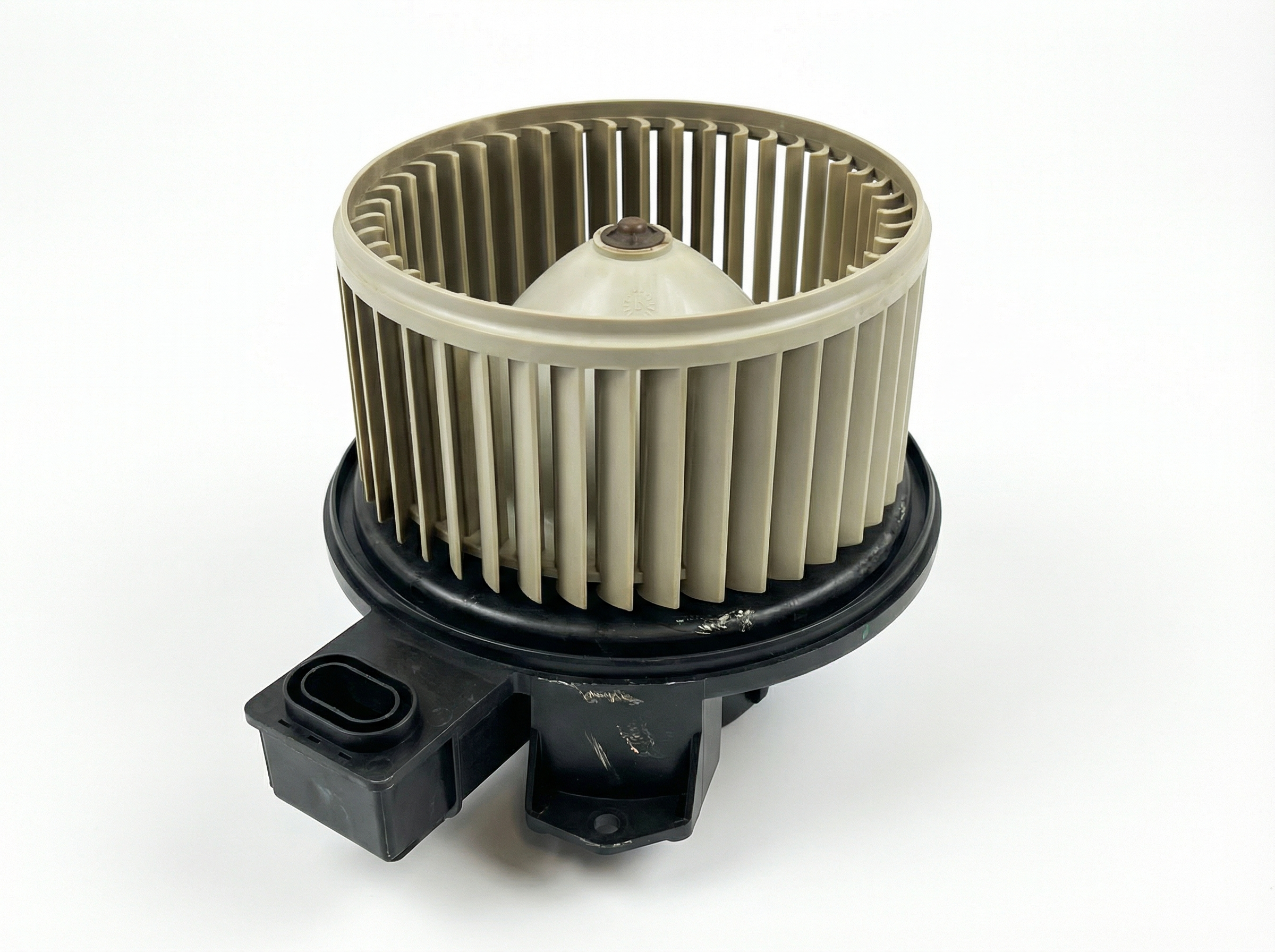
- Inspect the Fan Cage: Carefully check the plastic 'squirrel cage' fan for any cracks, chips, or missing fins. A damaged fan will be out of balance and cause vibration and noise.
- Spin the Fan by Hand: The fan should spin smoothly and freely with minimal resistance. If you feel any grinding, roughness, or wobbling, the motor's bearings are worn out.
- Check the Electrical Connector: Look at the electrical plug and pins on the motor. There should be no signs of melting, corrosion, or discoloration, which would indicate overheating or water damage.
- Verify Part Numbers: Match the part number on the used unit to your original part or the list of known OEM numbers to ensure compatibility.
- Why Used OEM is a Good Choice: A genuine Ford/Motorcraft blower motor is built to the vehicle's original specifications for fit, electrical draw, and balance. This often results in quieter operation and a longer lifespan compared to some cheaper aftermarket alternatives.
Replacement Information
Replacing the blower motor on a 2005-2014 Mustang is a straightforward job that most DIY mechanics can complete with basic tools.
- Difficulty: 2 out of 5
- Estimated Time: 0.5 - 1 hour
- Tools Needed: Ratchet with 8mm socket. A 7mm socket may be needed for the glove box screws on some models.
Quick Replacement Steps
- The blower motor is located under the passenger side of the dashboard, behind the glove box.
- For easier access, remove the glove box. This typically involves removing four screws from underneath.
- Disconnect the electrical connector from the blower motor.
- Remove the three 8mm screws that hold the blower motor assembly in place.
- Lower the blower motor out from the HVAC housing.
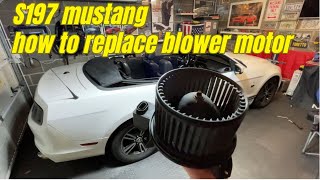
- Installation is the reverse of removal. The motor is keyed and can only be installed in one orientation. 🎬 Watch: Step-by-step guide to replacing the motor and cabin filter.
Cost Comparison
Prices can vary based on supplier and location. The following are estimates to help you understand the value of a used OEM part.
| Part Type | Estimated Cost |
|---|---|
| New OEM (Ford/Motorcraft) | $120 - $200 |
| New Aftermarket | $40 - $130 |
| Used OEM | $35 - $75 |
| Shop Labor | $65 - $95 |
Frequently Asked Questions (FAQ)
Why does my fan only work on the highest speed?
This is a classic symptom of a failed blower motor resistor, not the motor itself. The resistor controls the lower fan speeds, and when it burns out, only the high-speed setting (which bypasses the resistor) will function.
Where is the blower motor located on a 2005-2014 Mustang?
The blower motor is located on the passenger side of the vehicle, underneath the dashboard and typically behind the glove box.
Do I need to replace the blower motor resistor at the same time?
It is not always necessary, but it is often recommended. A failing motor can draw too much power and damage the resistor. If your motor failed or was making noise, replacing both parts can prevent a repeat failure of the resistor.
Is this a difficult part to replace myself?
No, this is considered an easy DIY repair. It requires only basic hand tools (an 8mm socket) and can typically be done in under an hour. The motor is easily accessible after removing the glove box.
Helpful Videos

Technical Specifications
OEM Part Numbers: 4R3318456AA 4R3318456AB 4R3Z19805AA 5R3Z-19805-A 6R3318456AA AR3319846AB AR3Z19805A AR3Z19805B MM925 MM926 MM1041
Voltage: 12V
We Have This Part in Stock

The information in this article is provided for general reference and educational purposes only. Vehicle specifications, procedures, and part compatibility can vary by production date, trim level, and region. Always consult your vehicle's factory service manual and verify part numbers before purchasing or performing repairs. Safety-critical components such as airbags, seat belts, and braking systems should be installed by a qualified professional.
- Ford Mustang:
- 🎬 Helpful Videos
- 🛍️ Shop This Part
- Symptoms of a Failing Blower Motor
- 1. No Airflow from Vents
- 2. Weak or Reduced Airflow
- 3. Unusual Noises from the Passenger Side Dash
- 4. Fan Only Works on the Highest Speed Setting
- Known Issues and Recalls
- Buying a Used HVAC Blower Motor
- Replacement Information
- Quick Replacement Steps
- Cost Comparison
- Frequently Asked Questions (FAQ)
- 🎟️ Get 5% Off