

1996-2000 Ford Taurus & Mercury Sable HVAC Blower Motor: Diagnosis and Replacement
A complete guide to troubleshooting, replacing, and buying a used HVAC blower motor for your 1996-2000 Ford Taurus or Mercury Sable.
- If the fan only works on the high setting, the problem is the blower motor resistor, not the motor itself.
- Replacement is an easy DIY job, located under the passenger dashboard and held by three 8mm screws.
- When buying a used motor, ensure the fan spins freely and the electrical connector shows no signs of melting or corrosion.
- This part is guaranteed to fit 1996-2000 Ford Taurus and Mercury Sable models; be wary of catalogs suggesting it fits later years.
Symptoms of a Failing Blower Motor
When a blower motor starts to fail, it usually provides a few clear warning signs. Recognizing them early can help you diagnose the problem correctly. The most common symptoms include:
- No Airflow From Vents: The most obvious sign is when no air comes out of the vents at any fan speed. This often points to a completely failed motor or a blown fuse.
- Squealing, Grinding, or Clicking Noises: Loud or unusual sounds coming from the passenger side of the dashboard are a classic symptom. Squealing or screeching often indicates worn-out motor bearings, while a rattling or clicking sound could mean debris is stuck in the fan cage.
- Weak Airflow: If the fan seems to be moving much less air than it used to, the motor could be wearing out and losing its power.
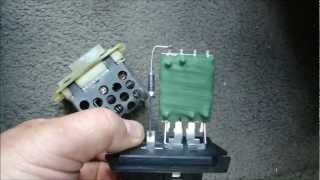
- Fan Only Works on High Speed: This is a very common issue, but it does not mean the blower motor is bad. Instead, this symptom almost always points to a failed blower motor resistor. 🎬 Watch: Why your fan only works on high and how to fix it. The highest fan setting bypasses the resistor, which is why it's the only speed that works.
- Burning Smell: A hot or electrical burning smell coming from the vents can be a sign that the motor is overheating. If you notice this, you should stop using the fan immediately to prevent further damage or a potential fire hazard.
Diagnosing the Problem: Motor vs. Resistor
Before buying any parts, it's important to confirm what has actually failed. The blower motor and the blower motor resistor are the two most common failure points in this system.
- Check the Fan Speeds: Turn your fan control knob through all the speeds. If it works on high but not on the lower settings, the blower motor resistor is the likely culprit. The resistor is located near the blower motor and is also an easy, inexpensive part to replace.
- Check the Fuses: Always check the fuse box first. A simple blown fuse can cause the entire system to stop working. Your owner's manual will have the location for the HVAC or blower motor fuse.
- Listen for Noises: If you hear grinding or squealing when the fan is running, the motor itself is almost certainly failing.
- The "Tap Test": If the fan isn't working at all, try turning the fan switch to high and tapping firmly on the blower motor housing under the passenger-side dashboard. If the fan kicks on, even briefly, it's a sure sign the motor's internal components are worn out and it needs to be replaced.
Pro Tip: A failing blower motor can draw too much electrical current, which can cause a new blower motor resistor to burn out prematurely. If you are replacing a failed resistor, it's wise to inspect the blower motor. If it feels stiff when you spin it by hand, consider replacing both parts at the same time to avoid a repeat failure.
Known Issues, TSBs, and Recalls
For the 1996-2000 Ford Taurus and Mercury Sable, there are no specific recalls or Technical Service Bulletins (TSBs) directly related to the HVAC blower motor itself. However, a common issue noted by owners is water intrusion from the cowl area (the base of the windshield), which can drip onto the blower motor. This can cause the motor's bearings to rust and seize, leading to premature failure and potentially damaging the blower motor resistor due to increased electrical draw.
Buying a Used HVAC Blower Motor: What to Look For
A used OEM blower motor can be a reliable and cost-effective alternative to expensive new parts or lower-quality aftermarket units. Here’s what to inspect to ensure you get a good part:
- Verify Compatibility: This blower motor is specifically for the 1996-2000 Ford Taurus and Mercury Sable. While some aftermarket catalogs might incorrectly suggest it fits later models (up to 2007 Taurus or 2005 Sable), sticking to the 1996-2000 year range guarantees a perfect fit. Cross-reference the OEM part numbers listed in this guide.
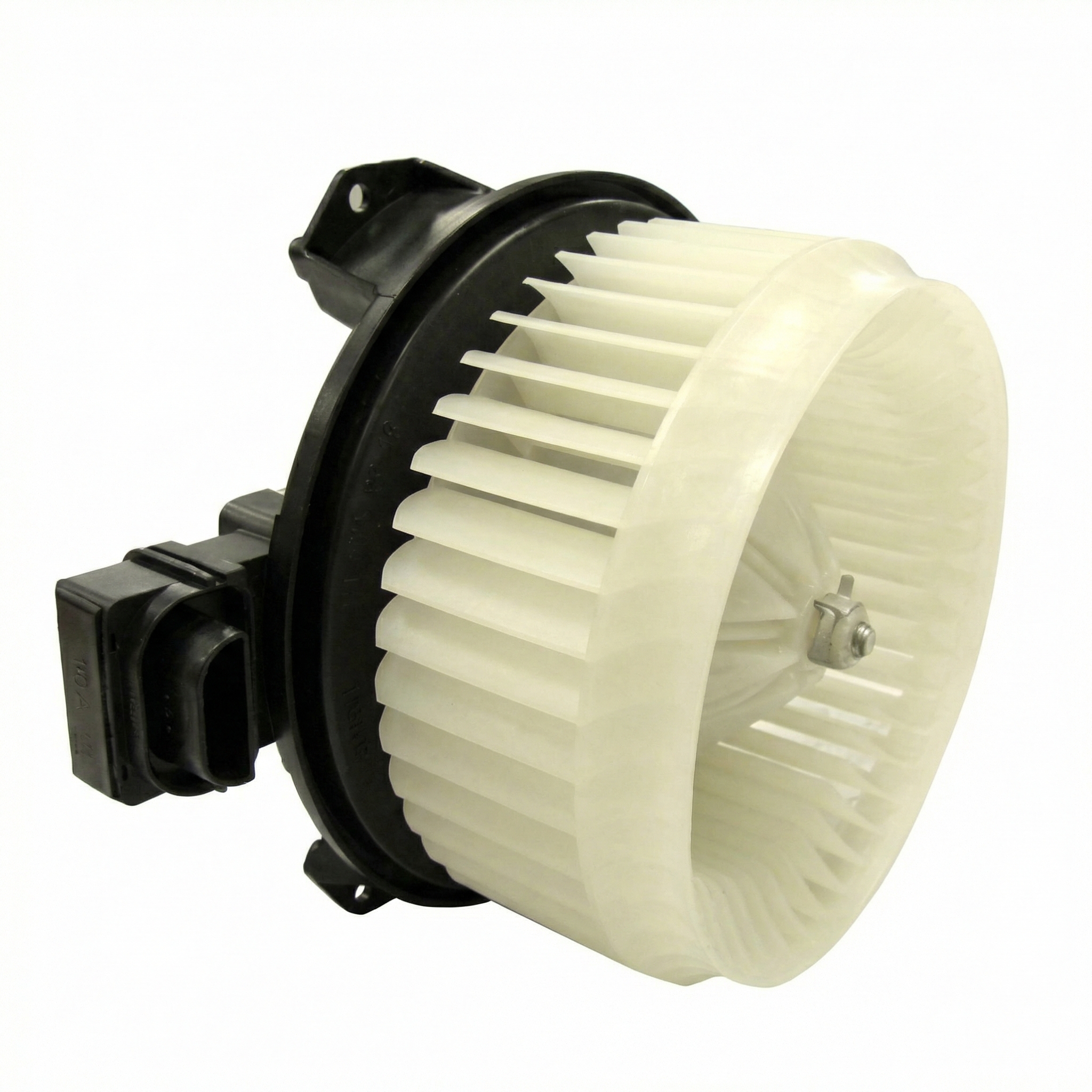
- Spin the Fan Cage: The "squirrel cage" fan should spin freely and smoothly by hand. There should be no grinding, roughness, or wobbling. If it feels stiff or makes noise, the bearings are worn and you should pass on it.
- Inspect the Fan Cage: Check for any broken, cracked, or missing fins on the plastic cage. An unbalanced cage will cause vibration and noise. Also, check for debris like leaves or old mouse nests inside the cage.
- Check the Electrical Connector: This is a critical inspection point. Look closely at the plastic connector and the metal pins inside. There should be no signs of melting, charring, or corrosion. A melted connector indicates the motor was overheating and drawing too much current, and it should be avoided.
Replacement Guide (Difficulty: 1.5/5)
Replacing the blower motor in a 1996-2000 Taurus or Sable is a straightforward job that is very DIY-friendly. It typically takes less than an hour and requires only basic tools.
🎬 Watch this step-by-step guide to replacing your heater blower motor.- Estimated Time: 30-45 minutes
- Tools Needed: 8mm socket with a ratchet and extension.
Step-by-Step Instructions:
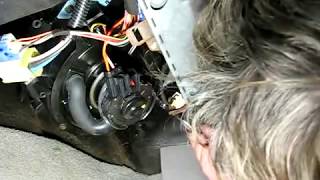
- Locate the Motor: The blower motor is located under the passenger-side dashboard, behind a plastic trim panel (hush panel).
- Remove the Panel: This lower panel is typically held on by a few plastic clips or pins. Pull them down to remove the panel and expose the blower motor.
- Disconnect the Electrical Connector: Unplug the two-wire electrical connector from the motor. There is usually a small tab you need to press to release it.
- Remove Mounting Screws: The motor is held in place by three 8mm screws. You can access them from below. For easier access to the rear screw, you can open the glove box and press in the sides to let it drop down fully.
- Remove the Motor: With the screws removed, the blower motor will drop straight down. You may need to wiggle it slightly to free it from the housing.
- Installation: Installation is the reverse of removal. Guide the new motor into place, making sure any alignment tabs are seated correctly. Reinstall the three screws, plug in the electrical connector, and reattach the lower trim panel.
Cost Comparison
The cost to replace a blower motor can vary significantly depending on the type of part you choose.
| Part Type | Estimated Cost |
|---|---|
| New OEM | $150 - $250+ |
| New Aftermarket | $35 - $75 |
| Used OEM | $25 - $60 |
| Shop Labor | $61 - $90 |
Frequently Asked Questions (FAQ)
Why does my fan only work on the highest speed?
This is the classic symptom of a failed blower motor resistor, not the blower motor itself. The resistor controls the fan speed for the lower settings, and the high setting bypasses it completely. Replacing the resistor is a simple and inexpensive fix.
Where is the blower motor located on a 1998 Ford Taurus or Mercury Sable?
The blower motor is located under the passenger side of the dashboard, behind a removable plastic panel.
Is it difficult to replace the blower motor myself?
No, this is considered an easy DIY repair. It requires only an 8mm socket and can usually be completed in under an hour. It is one of the more accessible components to replace in the HVAC system.
What is the clicking or rattling noise coming from my vents?
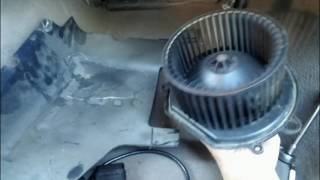
This is often caused by leaves, twigs, or other debris getting sucked into the blower motor's fan cage. It can also be a sign that the motor's bearings are failing and the fan is starting to come apart. You can remove the motor to inspect and clean out any debris.
🎬 See how to quickly remove and clean your blower motor.Helpful Videos
Technical Specifications
OEM Part Numbers: F6DH19805AA F6DH19805BA F6DH19805CA F6DHAA F6DHBA F6DHCA F7DH19805AA F7DH19805BA F7DHBA F7DZ19805BA
Voltage: 12V, Rotation: Clockwise
We Have This Part in Stock

The information in this article is provided for general reference and educational purposes only. Vehicle specifications, procedures, and part compatibility can vary by production date, trim level, and region. Always consult your vehicle's factory service manual and verify part numbers before purchasing or performing repairs. Safety-critical components such as airbags, seat belts, and braking systems should be installed by a qualified professional.
- Ford Taurus:
- Mercury Sable:
- 🎬 Helpful Videos
- 🛍️ Shop This Part
- Symptoms of a Failing Blower Motor
- Diagnosing the Problem: Motor vs. Resistor
- Known Issues, TSBs, and Recalls
- Buying a Used HVAC Blower Motor: What to Look For
- Replacement Guide (Difficulty: 1.5/5)
- Step-by-Step Instructions:
- Cost Comparison
- Frequently Asked Questions (FAQ)
- 🎟️ Get 5% Off