

2002-2008 MINI Cooper HVAC Blower Motor: Noises, No Air, and Resistor Issues
Your complete guide to diagnosing, replacing, and buying a used blower motor for first-generation MINI Coopers with manual climate control.
- This part ONLY fits 2002-2008 MINI Coopers with MANUAL climate controls (knobs for fan speed), not automatic A/C.
- If the fan only works on the highest speed, the problem is the blower motor RESISTOR, not the motor.
- Inspect any used motor for rust, which indicates water damage from a common cowl leak issue on these cars.
- Replacing the motor is a tight squeeze under the passenger dash, but is a feasible DIY job for most home mechanics.
Is Your MINI Cooper's Blower Motor Failing? Common Symptoms
A failing blower motor in a first-generation MINI Cooper can show several signs. Some point directly to the motor, while others can be mistaken for other issues. Here’s what to look and listen for:
- No Air From Vents: The most obvious symptom. If you turn the fan to any speed and get no air at all, the motor has likely failed completely or isn't receiving power.
- Squealing, Grinding, or Rattling Noises: Loud or unusual noises coming from the passenger side of the dashboard that change with fan speed are a clear sign of a problem. This is often caused by worn-out bearings in the motor or debris that has entered the fan cage.
- Weak Airflow: If the air coming from your vents seems weak even on the highest setting, the motor may be aging and losing its ability to spin at full speed.
- Burning Smell: A burning smell from the vents is a serious symptom that indicates the motor is overheating. This can be a fire hazard and should be addressed immediately.
- Fan Only Works on High Speed: This is a classic symptom, but it almost always points to a failed blower motor resistor, not the blower motor itself.
Blower Motor vs. Blower Motor Resistor: A Key Distinction
It's crucial to distinguish between a bad motor and a bad resistor to avoid replacing the wrong part. The blower motor resistor is an electrical component that controls the fan's speed.
- If your fan ONLY works on the highest setting (e.g., speed 4) but not on lower speeds (1, 2, 3), the problem is the blower motor resistor. This happens because the highest setting bypasses the resistor and sends full battery voltage directly to the motor.
- If your fan doesn't work on ANY speed, or is noisy, the problem is likely the blower motor itself.
In many cases, when a blower motor starts to fail, it draws more electrical current, which can overheat and damage the resistor. For this reason, many mechanics recommend replacing the motor and resistor at the same time.
Known Issues for 2002-2008 MINI Coopers
While the blower motor itself is a common wear item, first-generation MINIs have a few specific issues you should be aware of.
Safety Warning: While there isn't a direct recall for the blower motor itself, a related NHTSA recall (08V574000) was issued for the blower motor resistor wiring harness on some models, which could overheat and pose a fire risk. It is critical to ensure this has been addressed on any vehicle.
Water Damage from Clogged Drains
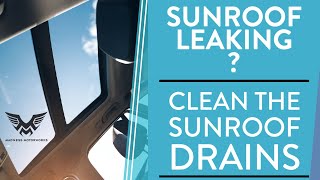
A common issue on R50/R53 MINIs is for the cowl drains (located under the plastic trim at the base of the windshield) to become clogged with leaves and debris. When this happens, rainwater can overflow and drip directly into the HVAC system, often onto the blower motor. 🎬 See how to clean sunroof drains to prevent water damage. This leads to corrosion and premature failure. When inspecting a car or a used part, signs of rust or water stains are a major red flag.
🎬 Watch: See how clogged drains can flood your MINI's interior.Buying a Used HVAC Blower Motor: What to Check
A high-quality used OEM blower motor can be a smart, cost-effective choice compared to a cheap aftermarket unit. OEM motors are typically better balanced, quieter, and made with more durable materials. Here’s what to look for.
Manual vs. Automatic Climate Control: A Critical Distinction
This is the single most important compatibility check. This blower motor (part numbers 64111497538, 67326935371) fits 2002-2008 MINI Cooper models equipped with MANUAL climate controls only. It will NOT fit vehicles with the optional automatic climate control system (IHKA).
- Manual Climate Control (This Part Fits): Has three simple rotary knobs. The left knob controls temperature (blue to red), the middle knob controls fan speed (0-1-2-3-4), and the right knob controls vent location.
- Automatic Climate Control (This Part Does NOT Fit): Has a small digital screen, an "AUTO" button, and buttons to set a specific temperature. The fan speed control is also a button, not a knob with distinct speed numbers.
Early 2002 models with automatic climate control had the resistor integrated into the fan motor itself, making them a different part entirely.
Physical Inspection Checklist
Before buying a used blower motor, perform these checks:
- Check for Water Damage: Look for any signs of rust, corrosion, or white mineral deposits on the motor housing. This is a clear sign of water intrusion and the part should be rejected.
- Spin the Fan Cage: Turn the plastic 'squirrel cage' fan by hand. It should spin smoothly and silently. If you feel any grinding, resistance, or wobbling, the bearings are worn and the motor is no good.
- Inspect the Fan Cage: Check the plastic blades for any cracks or missing pieces. A damaged cage will be out of balance and cause severe vibration and noise.
- Examine the Electrical Connector: Look at the plastic connector and the metal pins inside. There should be no signs of melting, blackening, or corrosion. Melted plastic indicates overheating, which could point to a larger electrical issue in the donor car.
Replacement Overview
Replacing the blower motor on a first-generation MINI is considered a moderately difficult DIY job. It doesn't require special tools, but access is very tight, and you'll be working in an uncomfortable position under the passenger-side dashboard.
- Location: Under the passenger side of the dashboard, typically accessed by removing the glove box and lower trim panels.
- Process: After removing panels for access, you'll disconnect the electrical plug and remove three Torx screws that hold the motor in the HVAC housing. The motor then twists and drops out. Wiggling it past wiring harnesses and the accelerator pedal can be tricky.
Pro Tip: Before installing the new motor, take a moment to clean out any leaves or debris from the HVAC housing. This is a common cause of noise and can restrict airflow.
Cost Comparison: New vs. Used
Prices can vary, but here is a general cost breakdown to help you decide:
| Part Type | Estimated Cost |
|---|---|
| New OEM (Dealer) | $250 - $400 |
| New Aftermarket | $60 - $150 |
| Used OEM | $40 - $90 |
| Shop Labor | $225 - $576 |
Frequently Asked Questions (FAQ)
Can I replace just the motor without the fan cage?
No, the blower motor and the 'squirrel cage' fan are sold as a single, balanced assembly. Attempting to separate them is not recommended and would likely result in vibration.
My fan works, but I hear a clicking or rattling noise. What could it be?
This is often caused by debris like leaves, paper, or even a parking ticket that has been sucked into the system and is hitting the spinning fan blades. Before replacing the motor, try removing the cabin air filter and reaching into the ductwork to see if you can feel and remove an obstruction.
Is it okay to buy a cheap aftermarket blower motor?
While tempting, many cheap aftermarket blower motors use lower quality bearings and are not as well-balanced as the OEM units. This can result in more noise, vibration, and a shorter lifespan. A quality used OEM part is often a more reliable choice than a new, low-cost aftermarket part.
Do I need to disconnect the battery to replace the blower motor?
Yes. It is always recommended to disconnect the negative battery terminal before working on any electrical components in your vehicle to prevent short circuits and protect sensitive electronics.
Helpful Videos

Technical Specifications
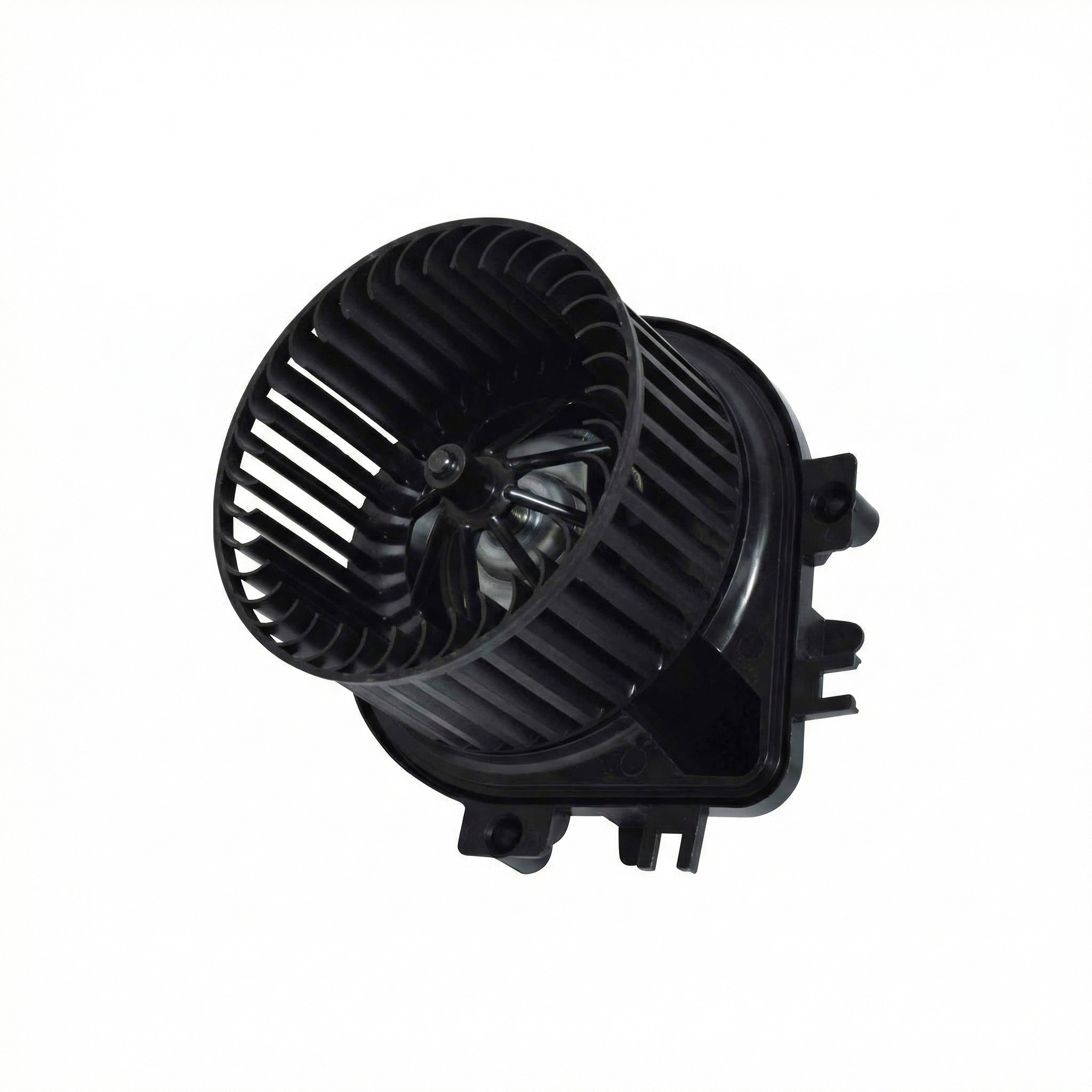
OEM Part Numbers: 64111497538 67326935371
Fits first-generation (R50, R52, R53) MINI Cooper models with manual climate control systems.
We Have This Part in Stock

The information in this article is provided for general reference and educational purposes only. Vehicle specifications, procedures, and part compatibility can vary by production date, trim level, and region. Always consult your vehicle's factory service manual and verify part numbers before purchasing or performing repairs. Safety-critical components such as airbags, seat belts, and braking systems should be installed by a qualified professional.
- MINI Cooper:
- 🎬 Helpful Videos
- 🛍️ Shop This Part
- Is Your MINI Cooper's Blower Motor Failing? Common Symptoms
- Blower Motor vs. Blower Motor Resistor: A Key Distinction
- Known Issues for 2002-2008 MINI Coopers
- Water Damage from Clogged Drains
- Buying a Used HVAC Blower Motor: What to Check
- Manual vs. Automatic Climate Control: A Critical Distinction
- Physical Inspection Checklist
- Replacement Overview
- Cost Comparison: New vs. Used
- Frequently Asked Questions (FAQ)
- 🎟️ Get 5% Off