

1998-2004 Concorde & Intrepid HVAC Control: Fixing Unresponsive Buttons & Airflow Issues
This guide helps you diagnose and replace the manual HVAC control unit in the 1998-2004 Chrysler Concorde and Dodge Intrepid, and tells you when another part is the real problem.
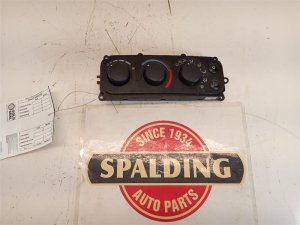
- This is a manual control unit with three knobs; it is NOT interchangeable with the digital Automatic Temperature Control (ATC) unit.
- Before replacing the control unit, diagnose the issue carefully. If the fan only works on high, the problem is the blower motor resistor. If you hear clicking or have temperature problems, the issue is likely a blend door actuator.
- A completely dead unit or unresponsive buttons are the most common symptoms of a true control unit failure.
- Replacement is a simple DIY job that involves prying off the center dash bezel and removing a few screws; no programming is needed.
Symptoms of a Failing HVAC Control Unit
When the HVAC control unit in a 1998-2004 Chrysler Concorde or Dodge Intrepid begins to fail, it can create a frustrating experience. However, it's important to distinguish between a faulty control head and other common HVAC system failures. Many issues are often misdiagnosed as a bad control unit when the real culprit is a different, and often cheaper, part.
Symptoms of a Bad Control Unit
- Unresponsive Buttons or Knobs: You press a button (like A/C or Recirculation) or turn a knob, and nothing happens. The indicator light may not turn on, or the function simply won't engage.
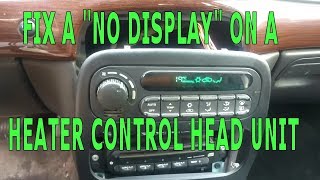
- Completely Dead Unit: The backlighting for the panel is out, and none of the functions work at all. This can indicate a total failure of the unit's internal electronics or a loss of power to the unit. 🎬 Watch this DIY fix for a Chrysler climate control with no display.
- Stuck in One Mode: The unit is powered on, but you cannot change the airflow from defrost to the dash vents, for example. The mode control knob seems to have no effect.
Symptoms Often Mistaken for a Bad Control Unit
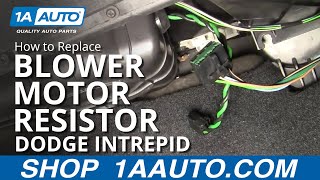
- Fan Only Works on High Speed: If your blower fan only works on the highest setting (speed 4), the problem is almost certainly a failed blower motor resistor, not the control unit. This is the most common HVAC-related failure on these vehicles. 🎬 Watch this video to learn how to replace the blower motor resistor.
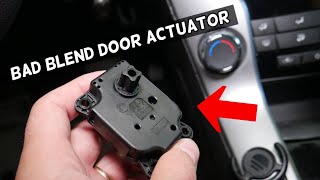
- Clicking or Knocking Sounds from Dash: A repetitive clicking or tapping noise from behind the dashboard, especially when changing temperature, points to a failing blend door actuator.
- Incorrect Air Temperature: If the system only blows hot air or only cold air, regardless of the temperature knob's position, this is also a classic symptom of a bad blend door actuator that is stuck in one position.
- Air Blows from Wrong Vents: If you select dash vents but the air comes out of the defroster, this could be a failed mode door actuator or a mechanical issue with the door itself inside the HVAC housing.
Pro Tip: Before condemning the control unit, always check the simple things first. A single blown fuse can make the entire unit appear dead. Consult your owner's manual for the location of the HVAC-related fuses.
Known Issues, TSBs, and Recalls
For the 1998-2004 Chrysler Concorde and Dodge Intrepid, there are no major recalls directly affecting the manual HVAC control unit. However, owners should be aware of related issues:
- Technical Service Bulletin (TSB) 24-004-03: While this TSB was officially for 2003 Dodge Ram trucks, the issue it describes is relevant to other Chrysler products of the era. It addresses a condition where the defrost door pivot shaft breaks, causing airflow to be permanently stuck coming out of the defrost vents. This is a mechanical failure within the main HVAC housing under the dash, not a fault of the electronic control unit.
- HVAC Drain Tube Leak (Recall K25): Some Chrysler vehicles were recalled because a leaking HVAC drain tube could allow water to drip onto the Occupant Restraint Control (ORC) module, potentially causing airbag problems. This is not a failure of the climate control panel but is a related HVAC system issue to be aware of.
Buying a Used Manual HVAC Control: What to Check
Since new OEM units are largely discontinued, a quality used part is often the best and most affordable solution. Here’s what to inspect before you buy.
Warning: These vehicles were available with two different climate control systems: a manual version (with three knobs) and an Automatic Temperature Control (ATC) version (with a digital screen). They are not interchangeable. Ensure the part you are buying has the same three-knob layout as your original unit.
Inspection Checklist for a Used Unit:
- Verify the Part Number: Match the part number on the used unit to your original if possible. Common part numbers include 04698198AB, 04698198AC, and 05013424AA. Part number 04698198AC is a common final revision that supersedes earlier versions.
- Test the Knobs and Buttons: Turn all three knobs. They should rotate smoothly with distinct detents (clicks) for each position. They should not feel loose, gritty, or overly stiff. Press each of the center buttons (A/C, Recirculation) to ensure they move freely and don't stick.
- Inspect the Electrical Connectors: Look at the back of the unit. The plastic connector housings should be free of cracks, and the metal pins inside should be straight, clean, and free of any green or white corrosion.
- Check the Illumination Bulbs: It's common for the small incandescent bulbs that provide backlighting to burn out. While these are often replaceable with some careful work, ask the seller if the backlighting was fully functional. If not, be prepared to either live with it or replace the bulbs yourself.
- Ask About Testing: Ask the recycler or seller if the unit was tested before being removed from the vehicle. Reputable sellers will often test major electronic components.
Replacement Overview
- Difficulty: 2/5 (Easy to Moderate)
- Estimated Time: 0.5 - 1 hour
- Tools Needed: Plastic trim removal tools, Phillips head screwdriver.
Replacing the HVAC control unit is a straightforward job suitable for most DIY mechanics. The process involves carefully prying off the center dashboard bezel that surrounds the radio and climate controls. Once the bezel is removed, the control unit is typically held in place by a few screws. After unscrewing it, you can pull it forward, disconnect the electrical connectors from the back, and swap in the new unit. No special programming is required for this manual control module.
Cost Comparison: New vs. Used
Here is an approximate cost breakdown for replacing the manual HVAC control unit. Labor costs can vary by location.
| Part Type | Estimated Cost | Notes |
|---|---|---|
| New OEM | N/A | Generally considered discontinued and no longer available from dealers. |
| New Aftermarket | $180 - $230 | Companies like Dorman produce new replacement units (e.g., part number 599-218). |
| Used OEM | $35 - $75 | Widely available from online marketplaces and salvage yards. This is often the most cost-effective option. |
| Shop Labor | $100 - $165 | Typically a 1-hour job at most independent repair shops. |
Frequently Asked Questions (FAQ)
Can I install a digital Automatic Temperature Control (ATC) unit in my car that has a manual one?
No, this is not a simple plug-and-play swap. The ATC system uses additional sensors (like in-car temperature sensors and sun sensors) and different wiring harnesses that a car originally equipped with a manual system will not have.
My fan only blows on speed 4. Do I need to replace the whole control unit?
No. When the fan only works on the highest speed, the problem is a failed blower motor resistor. This is a separate part located under the passenger side dashboard, and it's a common and relatively easy fix.
Why is my A/C button light blinking, but the A/C isn't working?
A blinking A/C light can indicate a problem within the A/C system itself, not necessarily the control unit. This often happens when the system pressure is too low (due to a refrigerant leak) or too high. The control module detects this fault and prevents the A/C compressor from engaging to protect it from damage.
Is it hard to replace the little light bulbs behind the faceplate?
Replacing the backlighting bulbs requires disassembling the control unit, which involves carefully removing the faceplate and circuit board. The bulbs are typically small, twist-in types. While not overly difficult, it requires patience and a delicate touch to avoid damaging the plastic clips or circuit board. Many owners choose to replace all the bulbs at once since they have a similar lifespan.
Helpful Videos
Technical Specifications
OEM Part Numbers: 04698198AB 04698198AC 05013424AA 4698198AB
Manual Temperature Control (MTC) unit with three rotary knobs. Not compatible with Automatic Temperature Control (ATC) systems.
We Have This Part in Stock

The information in this article is provided for general reference and educational purposes only. Vehicle specifications, procedures, and part compatibility can vary by production date, trim level, and region. Always consult your vehicle's factory service manual and verify part numbers before purchasing or performing repairs. Safety-critical components such as airbags, seat belts, and braking systems should be installed by a qualified professional.
- Chrysler Concorde:
- Dodge Intrepid:
- 🎬 Helpful Videos
- 🛍️ Shop This Part
- Symptoms of a Failing HVAC Control Unit
- Symptoms of a Bad Control Unit
- Symptoms Often Mistaken for a Bad Control Unit
- Known Issues, TSBs, and Recalls
- Buying a Used Manual HVAC Control: What to Check
- Inspection Checklist for a Used Unit:
- Replacement Overview
- Cost Comparison: New vs. Used
- Frequently Asked Questions (FAQ)
- 🎟️ Get 5% Off