

1994-2002 Honda Accord HVAC Control: Fixing Common Failures and Buying a Used Unit
This guide covers the most common issues with the 1994-2002 Honda Accord climate control unit, from burnt-out bulbs and intermittent buttons to helping you choose the right used replacement.
- Compatibility is critical: You must match the generation (1994-1997 vs 1998-2002) and control type (Manual vs Automatic). They are not interchangeable.
- If the fan only works on high, the problem is the blower motor resistor, not the control unit.
- For 1998-2002 models, intermittent power loss is the most common failure, caused by bad solder joints on the internal circuit board that can be repaired.
- Burnt-out backlights are a simple fix; the bulbs can be replaced without replacing the entire unit.
Symptoms of a Failing HVAC Control Unit


Diagnosing a bad HVAC control unit can be tricky, as its symptoms often overlap with other failing parts in the climate system. Here are the most common signs that point specifically to the control unit itself.
1. Intermittent or Dead Control Panel (1998-2002 Models)
A very common issue on 6th generation Accords is for the climate control panel to stop working intermittently or die completely. You might notice the button lights flicker or that the controls only work when the car is cold, failing once the interior heats up. This is almost always caused by failing solder joints on the unit's internal circuit board. Over time, heat and vibration cause these connections to crack, leading to a loss of power to the buttons and display. The blower fan may still work on its own, but you won't be able to change modes or turn on the A/C.
2. Burnt-Out Backlights
If you can no longer see your HVAC controls at night, the most likely cause is simply burnt-out incandescent bulbs. This is an extremely common, age-related failure on both the 5th and 6th generation Accords. The control unit itself is likely fine. These tiny bulbs can be replaced individually without needing to replace the entire unit.
3. Unresponsive or Malfunctioning Buttons
If pressing a button (like the A/C or defrost) does nothing, or the system doesn't switch between vent modes, the control unit could be at fault. On 1998-2002 models, this is often tied to the same internal circuit board failure mentioned above. On 1994-1997 models, which use more mechanical controls, a loose or broken cable behind the unit is also a common cause for temperature or mode control failure.
Pro Tip: If your fan only works on the highest speed, the problem is almost certainly NOT the HVAC control unit. This classic symptom points to a failed blower motor resistor (for manual A/C) or power transistor (for automatic climate control). This is a separate, relatively inexpensive part located under the passenger-side dashboard.
Buying a Used HVAC Control: What to Check

A used OEM HVAC control is often a reliable and cost-effective solution, especially since new OEM units are often discontinued or very expensive. However, compatibility is critical.
1. Match the Part Number and System Type (CRITICAL)
There are two main generations and multiple system types. You cannot interchange them.
- Generation: A unit from a 1994-1997 Accord (5th Gen) will not work in a 1998-2002 Accord (6th Gen), and vice-versa. The connectors and mounting are completely different. Part numbers starting with SV4 (e.g., 79620-SV4-A01) are for the 5th generation. Part numbers starting with S84 (e.g., 79600-S84-A21ZA) are for the 6th generation.
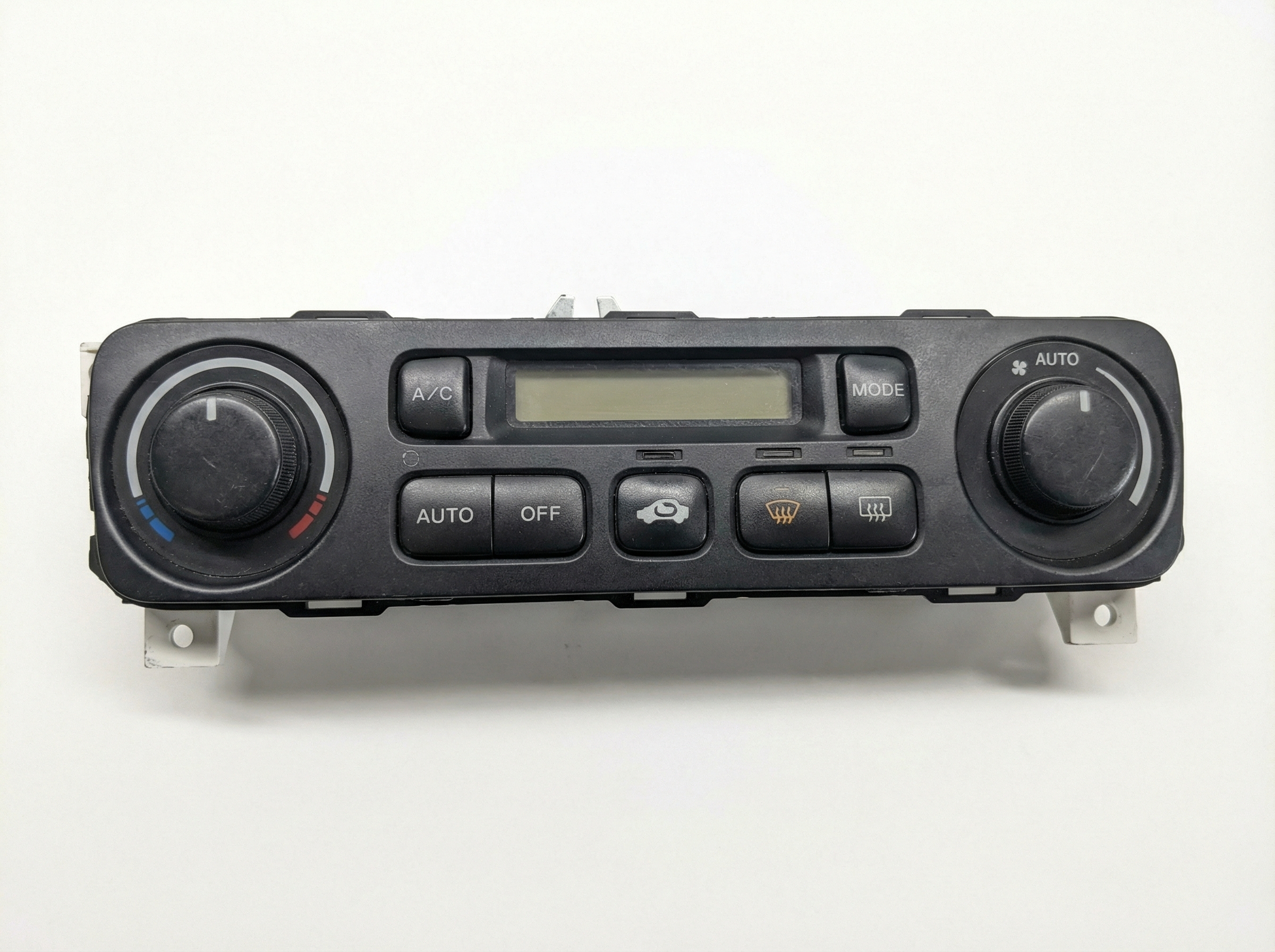
- Control Type: You MUST match your car's original system. A manual control unit cannot be swapped for an automatic one. The wiring harnesses and all the underlying components (sensors, actuators vs. cables) are different. Look for the "Auto" button—if your original unit has it, your replacement must have it too.
- Model Years (for 6th Gen): There are differences between 1998-2000 and 2001-2002 units. Always verify the part number from your original unit before buying.
2. Physical Inspection
- Faceplate and Buttons: Check for deep scratches, cracks, or broken buttons. Ensure all buttons press and return smoothly.
- Mounting Tabs: Inspect the plastic tabs around the unit to ensure none are broken off. These are essential for a secure, rattle-free installation.
- Connectors: Look at the electrical connectors on the back. Check for any signs of corrosion, melted plastic, or bent pins.
- Control Knobs: Many used units are sold without the knobs. Be prepared to reuse the knobs from your old unit. They simply pull straight off.
Warning: For 1998-2002 models, a used unit may eventually develop the same intermittent failure from bad solder joints. Some buyers prefer to buy a used unit and proactively re-solder the common failure points on the circuit board before installation for long-term reliability.
Known Issues, Recalls, and TSBs
Searches for official recalls from the National Highway Traffic Safety Administration (NHTSA) did not find any recalls specifically for the HVAC control unit on 1994-2002 Honda Accords. The most prominent issues are not safety recalls but common service problems.
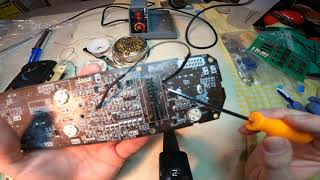
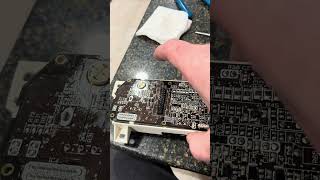
- Circuit Board Failure (1998-2002): As detailed above, intermittent operation due to bad solder joints is the number one known issue for the 6th generation automatic climate control units. This can be repaired by re-flowing the solder on specific points 🎬 Watch: How to repair the internal circuit board solder joints. of the circuit board.
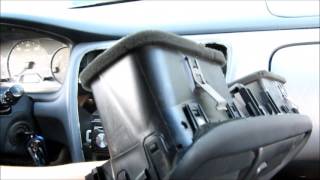
- Slipped Temperature Cable (1994-1997): On 5th generation models, the temperature knob can feel loose or stop changing the temperature. This is often caused by the control cable's sheath slipping out of its clamp behind the dash, preventing the blend door from moving. This can be fixed by repositioning the cable and tightening the clamp. 🎬 Watch: How to fix a loose temperature control cable.
- Blower Motor Resistor/Transistor Failure: This is the most common cause of the fan only working on high speed and is often misdiagnosed as a bad control unit.
Cost of Replacement
Replacing the HVAC control unit can range from a cheap DIY fix to a very expensive repair, depending on the path you choose.
| Part Type | Estimated Cost | Notes |
|---|---|---|
| New OEM | $570 - $900+ | Often discontinued, but very expensive if found. |
| New Aftermarket | $50 - $70 | Available for some models, primarily 1998-2000 manual controls. |
| Used OEM | $40 - $120 | The most common and cost-effective option. Prices vary by condition and seller. |
| Remanufactured | $240 - $300 | A good option where the circuit board has been professionally repaired and tested. |
| Shop Labor | $134 - $197 | Typically 1-1.5 hours of labor. |
Installation Guide
Replacing the HVAC control unit is a straightforward DIY job for most owners.
- Difficulty: 2 out of 5
- Estimated Time: 1 hour
General Steps (1998-2002 Models):
- Disconnect Battery: Always disconnect the negative battery terminal before working on electrical components.
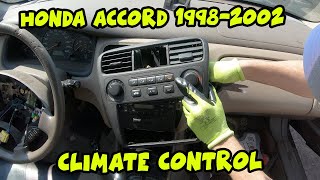
- Remove Trim: Carefully pry off the plastic trim piece surrounding the radio and HVAC controls. It is held in by clips.
- Remove Screws: There are typically a few Phillips head screws holding the radio/HVAC assembly in place. One is often hidden behind the clock display.
- Unplug and Swap: Pull the assembly out, disconnect the electrical harnesses from the back of the old HVAC unit, and unbolt it from the bracket (usually four screws).
- Reassemble: Install the new unit and reassemble everything in the reverse order. Test the unit before fully reinstalling the trim.
The process for 1994-1997 models is similar but involves removing more of the dash trim around the instrument cluster and carefully disconnecting the mechanical cables from the back of the unit.
Frequently Asked Questions (FAQ)
Why does my fan only work on the highest setting?
This is a classic symptom of a failed blower motor resistor (or power transistor on automatic systems), not the control unit itself. The highest fan setting bypasses the resistor, sending full power directly to the fan. It's a separate part located under the passenger side of the dashboard and is a common, inexpensive fix.
The lights on my HVAC controls are out. Is the whole unit bad?
No, almost certainly not. The backlighting is provided by small, replaceable incandescent bulbs that simply burn out over time. You can buy replacement bulb kits and swap them out without replacing the entire control unit.
Can I install an automatic climate control unit in my car that has manual controls?
No, this is not a plug-and-play swap. Automatic climate control systems use different wiring harnesses, blend door actuators (electric motors) instead of cables, and additional sensors (like in-cabin temperature sensors) that a manual car does not have. You must replace your unit with one that matches your car's original configuration.
My 1999 Accord's A/C and buttons randomly turn off and on. What's the fix?
This is the most common failure for 1998-2002 models, caused by cracked solder joints on the internal circuit board. The unit needs to be removed and the solder points for several components (capacitors, resistors) need to be re-soldered. Many videos online show the exact points to repair. Alternatively, you can replace the unit with a remanufactured one where this repair has already been done.
Helpful Videos
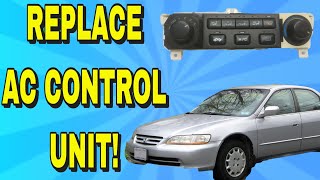
Technical Specifications
OEM Part Numbers: 79600S84A21ZA 79600S84A51ZA 79620-SV4-A01 79620SV4A01
Varies significantly by year and trim. Manual controls use mechanical cables. Automatic controls use electronic signals to control blend door actuators.
We Have This Part in Stock

The information in this article is provided for general reference and educational purposes only. Vehicle specifications, procedures, and part compatibility can vary by production date, trim level, and region. Always consult your vehicle's factory service manual and verify part numbers before purchasing or performing repairs. Safety-critical components such as airbags, seat belts, and braking systems should be installed by a qualified professional.
- Honda Accord:
- 🎬 Helpful Videos
- 🛍️ Shop This Part
- Symptoms of a Failing HVAC Control Unit
- 1. Intermittent or Dead Control Panel (1998-2002 Models)
- 2. Burnt-Out Backlights
- 3. Unresponsive or Malfunctioning Buttons
- Buying a Used HVAC Control: What to Check
- 1. Match the Part Number and System Type (CRITICAL)
- 2. Physical Inspection
- Known Issues, Recalls, and TSBs
- Cost of Replacement
- Installation Guide
- General Steps (1998-2002 Models):
- Frequently Asked Questions (FAQ)
- 🎟️ Get 5% Off