

Mazda3 & CX-30 HVAC Control: Fixing Temp Issues & Buying Used (2019-2025)
This guide covers common failures, replacement costs, and how to choose the correct used climate control unit for your 2019-2025 Mazda3 or 2020-2024 Mazda CX-30.
- Compatibility is critical: You MUST match the control unit to your car's specific options—Manual vs. Automatic AC, Heated Seats (Yes/No), and Heated Steering Wheel (Yes/No).
- Software issues can mimic hardware failure. Some temperature regulation problems can be fixed with a dealer-installed software update instead of a full replacement.
- Failure symptoms often include incorrect temperature output (only hot or cold air), unresponsive buttons, and air blowing from the wrong vents.
- A used OEM unit is a cost-effective option, but physical inspection of buttons and connectors is important before purchase.
Symptoms of a Failing HVAC Control Unit
When the climate control panel in your 2019-2025 Mazda 3 or 2020-2024 Mazda CX-30 begins to fail, you'll notice symptoms that range from mildly annoying to a complete loss of function. Because the unit is an electronic module, failures can be inconsistent at first.
- Incorrect Temperature Output: This is one of the most common complaints. The system may blow only hot air or only cold air, regardless of the temperature setting. You might set the temperature to 70°F, but the vents blast freezing cold or scorching hot air as the module fails to properly regulate the blend doors.
- Unresponsive Buttons or Knobs: You might press a button or turn a knob with no effect on the fan speed, temperature, or airflow direction. This can be intermittent at first, working one day and not the next.
- Air Blows from the Wrong Vents: If you select the dashboard vents but air only comes out of the defroster or floor vents, the control unit may not be sending the correct signal to the mode door actuators.
- Fan Speed Issues: The blower fan may be stuck on one speed (high or low) or may not turn on at all, even though you can hear other parts of the system trying to work.
- No Power or Blank Display: In a total failure, the unit may appear completely dead, with no lights on the buttons and a blank screen.
- Erratic Behavior: Some owners report the system seems to have a mind of its own, changing fan speed or temperature without any input.
Known Issues, TSBs, and Recalls
While there are no direct safety recalls for the HVAC control unit itself on these models, some related issues and service bulletins are worth noting.
Software-Related Temperature Regulation Problems
A number of owners of 2019 Mazda 3 vehicles have reported issues with the automatic climate control system's logic, where it struggles to maintain a comfortable temperature, often resulting in air that is either too hot or too cold. In some cases, a software update for the Powertrain Control Module (PCM) and other vehicle modules has resolved this issue. One owner reported that a "DASH ESU and PCM UPDATE" performed by the dealer fixed the problem. Another Technical Service Bulletin (TSB), 01-010/20, mentions reprogramming the Heater Control Unit (CCU) to fix improper control logic for other issues, indicating that software updates are a common fix for climate system problems.
Musty Smell / Wet Cabin Air Filter
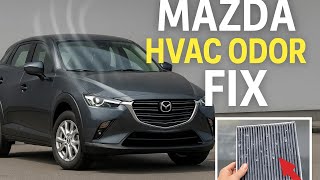
Mazda has issued a service alert (SA-031-25) for a wide range of vehicles, including the Mazda3 and CX-30, regarding a musty odor from the vents or a perpetually damp cabin air filter. This is typically caused by clogged cowl or evaporator drains, preventing condensation from escaping properly. 🎬 Watch: How to clear drains and fix musty AC odors. While not a failure of the control unit itself, it's a common HVAC system complaint for these vehicles.
Recalls
Searches of the NHTSA database did not show any recalls specifically for the failure of the main HVAC control unit for the 2019-2025 Mazda3 or 2020-2024 Mazda CX-30. Recalls for these vehicles have focused on other areas like brake caliper bolts, fuel hoses, and airbag indicator software.
Pro Tip: If you are experiencing erratic temperature control, ask your dealership to check for any available software updates for the climate control unit (CCU) or related modules before replacing the hardware. It could be a much cheaper fix.
Buying a Used HVAC Control: A Step-by-Step Guide
Purchasing a used OEM HVAC control is a great way to save money, but it requires careful verification. These units are not one-size-fits-all, and getting the wrong one means it simply won't work. Follow these steps to ensure you get the right part.
Step 1: The Feature Check (CRITICAL)
The single most important factor is matching the features of your vehicle. The control units are programmed differently based on the car's options. Before you even look for a part number, you must verify the following for your specific vehicle:
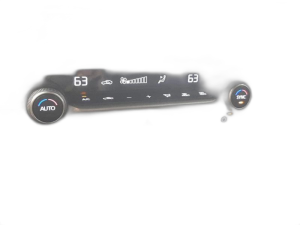
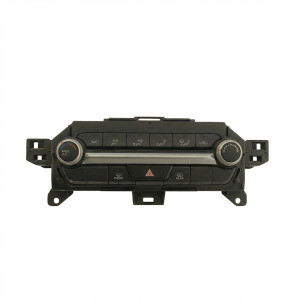
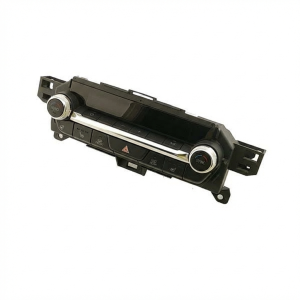
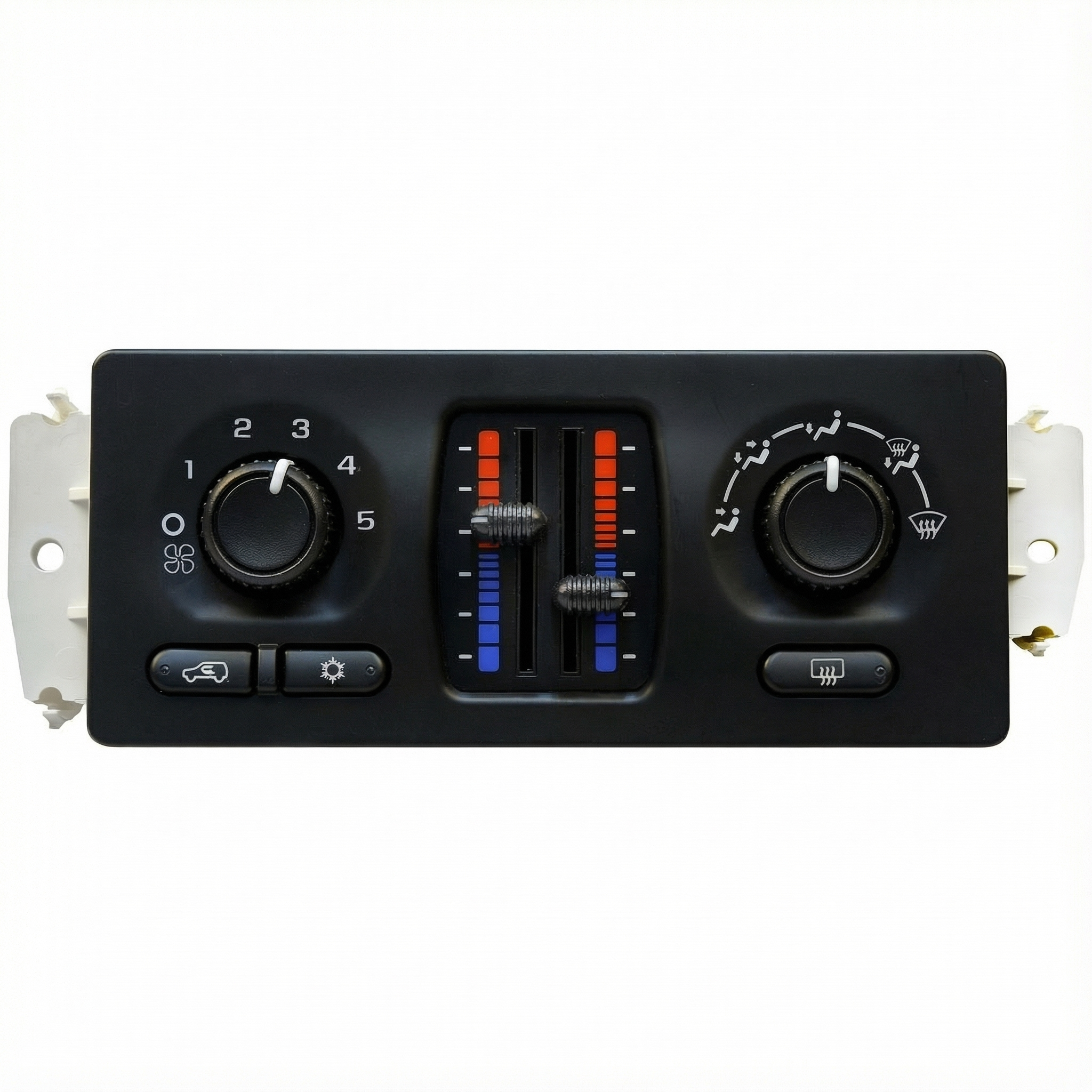
- Climate Control Type: Does your car have Manual (knobs with blue/red zones) or Automatic Temperature Control (ATC) (a screen that displays a specific temperature like 72°F)?
- Heated Front Seats: Does your car have heated front seats?
- Heated Steering Wheel: Does your car have a heated steering wheel?
Warning: You must match these three features exactly. A control unit from a car with a heated steering wheel will not work correctly in a car without one, even if they look identical. Always confirm the donor vehicle's options or match the part number precisely.
Step 2: Match the Part Number
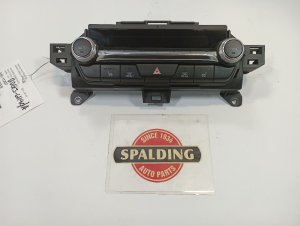
The surest way to guarantee compatibility is to match the OEM part number. If possible, remove your original unit to find the number printed on its label. There are many part numbers for these vehicles, including BCKA61190, BDGF61190B, and BFVT61190, among others. When buying a used part, provide the seller with your vehicle's VIN and ask them to confirm the part number and feature compatibility.
Step 3: Physical Inspection
Once you have a potential replacement, inspect it carefully:
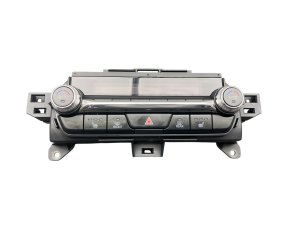
- Buttons and Knobs: Check for excessive wear on the buttons. Ensure the knobs turn smoothly and the buttons press without sticking.
- Connectors: Look at the electrical connectors on the back. Make sure none of the pins are bent, corroded, or broken.
- Casing: Inspect the plastic housing for any cracks or signs of liquid damage, which could indicate internal failure.
Replacement Information
Installation Difficulty: 2 out of 5
Replacing the HVAC control unit is a manageable DIY project for those comfortable with interior trim removal. The process generally involves carefully prying off surrounding dash and console trim pieces, removing a few screws holding the unit in place, and disconnecting the electrical connectors. No specialized tools are required beyond basic screwdrivers and plastic trim removal tools.
Estimated Time: 0.5 - 1.0 hours
Programming Requirements: Based on available information, these units are generally plug-and-play and do not require programming by a dealership, provided you have purchased the correct unit that matches your vehicle's features.
Cost Comparison
| Part Type | Estimated Cost |
|---|---|
| New OEM | $270 - $450 |
| New Aftermarket | Not commonly available |
| Used OEM | $75 - $150 |
| Shop Labor | $112 - $164 |
Frequently Asked Questions (FAQ)
Will a control unit from a Mazda CX-30 fit my Mazda 3?
Yes, it is possible, as they are built on the same platform and share many parts. However, you must strictly adhere to the feature-matching rule: the donor CX-30 must have the exact same climate control type (manual/auto) and heated options (seats/steering wheel) as your Mazda 3.
Do I need to disconnect the battery before replacing the HVAC control?
Yes, it is always recommended to disconnect the negative battery terminal before unplugging any electronic modules in your vehicle. This prevents the risk of short circuits and potential damage to the electrical system.
Why are there so many different part numbers for the same control panel?
The numerous part numbers reflect the different combinations of features (Auto vs. Manual AC, Heated Seats, Heated Steering Wheel). Mazda uses a unique part number for each specific configuration. Part numbers also get superseded over time as minor revisions are made.
My buttons work, but the temperature is always wrong. Is it the control unit or something else?
It could be either. The control unit is a common cause, but the issue could also be a faulty cabin temperature sensor or a stuck blend door actuator. However, given the known software issues with these models, erratic temperature regulation is a strong indicator of a problem with the control unit's logic, which could be fixed with a software update or replacement of the unit.
Helpful Videos
Technical Specifications
OEM Part Numbers: BCKA61190 BCKA61190A BDGF61190A BDGF61190B BDGG61190 BDGG61190A BDGJ-61190A BDGJ61190A BEKD61190 BEMD61190B BFVP61190 BFVT61190 BFWA61190 BFWB61190 BFWC-61-190
Specifications vary based on vehicle options (Automatic/Manual Temperature Control, Heated Seats, Heated Steering Wheel).
We Have This Part in Stock

The information in this article is provided for general reference and educational purposes only. Vehicle specifications, procedures, and part compatibility can vary by production date, trim level, and region. Always consult your vehicle's factory service manual and verify part numbers before purchasing or performing repairs. Safety-critical components such as airbags, seat belts, and braking systems should be installed by a qualified professional.
- Mazda CX-30:
- Mazda Mazda3:
- Mazda 3:
- 🎬 Helpful Videos
- 🛍️ Shop This Part
- Symptoms of a Failing HVAC Control Unit
- Known Issues, TSBs, and Recalls
- Software-Related Temperature Regulation Problems
- Musty Smell / Wet Cabin Air Filter
- Recalls
- Buying a Used HVAC Control: A Step-by-Step Guide
- Step 1: The Feature Check (CRITICAL)
- Step 2: Match the Part Number
- Step 3: Physical Inspection
- Replacement Information
- Installation Difficulty: 2 out of 5
- Cost Comparison
- Frequently Asked Questions (FAQ)
- 🎟️ Get 5% Off