

2018-2019 Mitsubishi Eclipse Cross HVAC Control: Dual-Zone Faults and Programming
This guide covers the common failures, replacement, and critical programming requirements for the dual-zone climate control unit in 2018-2019 Mitsubishi Eclipse Cross SE and SEL models.
- This HVAC control (part 7820A961) is specifically for 2018-2019 Eclipse Cross SE and SEL trims with dual-zone A/C.
- A replacement unit, whether new or used, MUST be programmed by a dealer or qualified shop to sync with the vehicle's VIN.
- Common failure symptoms include unresponsive controls, incorrect temperature output, and air blowing from the wrong vents.
- Before replacing the module, rule out simpler issues like a clogged cabin air filter or a refrigerant leak, which can cause similar problems.
Symptoms of a Failing HVAC Control Module
When the HVAC control module in a 2018-2019 Eclipse Cross begins to fail, it can cause a range of confusing and frustrating symptoms. Because this module is the 'brain' of the climate system, a problem with it can affect the entire system's operation. Here are the most common signs to watch for:
- Unresponsive Buttons or Display: The most obvious sign is when the buttons, knobs, or touchscreen controls do not respond or work intermittently. The display may also be blank or show garbled information.
- Incorrect Temperature Output: You set the temperature to cold, but the system blows hot air, or vice-versa. This happens when the module fails to correctly signal the blend door actuators that mix air from the heater core and A/C evaporator.
- Air Blows from the Wrong Vents: You select the dash vents, but air only comes out of the floor or defrost vents. This indicates the module is not properly controlling the mode door actuators.
- Fan Speed Issues: The blower fan may be stuck on one speed (often high or low) or may not respond to adjustments at all.
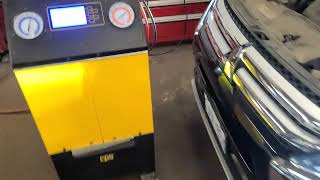
- Inconsistent Performance: The system may work correctly for a few minutes and then suddenly stop cooling or heating, a common complaint seen in some Eclipse Cross models. This can sometimes be mistaken for other issues like low refrigerant. 🎬 Watch: See how intermittent AC failure looks in an Eclipse Cross.
Important: Many of these symptoms can also be caused by other failing parts, such as a bad blower motor resistor, a faulty blend door actuator, or a refrigerant leak. Proper diagnosis is key before replacing the control module.
Known Issues, TSBs, and Recalls
While there are no recalls specifically for the HVAC control module itself, there are related service bulletins and recalls for the 2018-2019 Eclipse Cross that are important to be aware of.
- TSB for Fuel Smell from Vents: Technical Service Bulletin TSB-19-17-001 was issued for customers reporting a fuel smell from the HVAC vents when the engine is on and recirculation mode is off. This is not a fault of the control unit but is related to the HVAC system.
- Software-Related Recalls: Several recalls were issued for these model years related to software in other electronic control units (ECUs), such as the Forward Collision Mitigation (FCM) and Hydraulic Unit (ABS/ESC) ECUs. This highlights the complexity of the vehicle's electronic systems and how software plays a critical role. While not directly for the HVAC unit, it underscores the importance of correct electronic integration.
Variant & Compatibility Warning
This is the most critical section for anyone buying this part. The HVAC control unit is not a one-size-fits-all component.
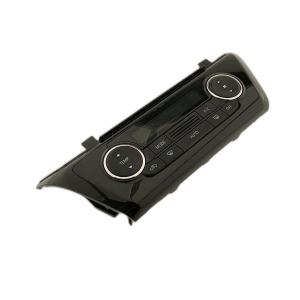
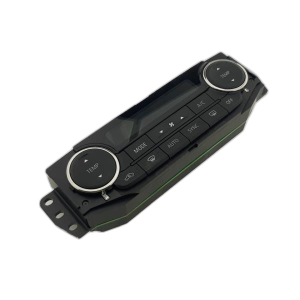
- Part Number 7820A961: This specific part number is for SE and SEL trims with dual-zone automatic climate control and an electric parking brake.
- Single-Zone vs. Dual-Zone: Base model Eclipse Cross vehicles have a simpler, single-zone manual or automatic climate control system. The control modules are physically and electronically different and are not interchangeable. You cannot use this dual-zone controller to 'upgrade' a single-zone system without extensive modification and programming.
- Programming Required: A replacement HVAC control module, whether new or used, will likely require programming or 'syncing' to your vehicle's VIN (Vehicle Identification Number) by a Mitsubishi dealer or a specialized programming service. This ensures it communicates correctly with the other computers in the car. Failure to program the unit can result in it not functioning at all or only having partial functionality.
Pro Tip: Before buying a used unit, always double-check that the part number (7820A961) matches your original part. If possible, get the VIN from the donor vehicle, as this can sometimes assist the technician with the programming process.
Buying a Used HVAC Control: What to Check
Purchasing a used OEM HVAC control can be a smart way to save money, especially since aftermarket options are often non-existent or of poor quality for complex electronic modules. Here’s what to look for:
- Verify the Part Number: This is rule number one. Ensure the part number is exactly 7820A961. Any other number will likely not work correctly.
- Inspect the Faceplate and Buttons: Check for excessive wear, deep scratches, or damage to the buttons and display screen. Ensure all buttons feel like they press and return properly.
- Check the Connectors: Look at the electrical connector ports on the back of the unit. The pins should be straight, clean, and free of any corrosion or signs of water damage.
- Ask About the Donor Vehicle: Inquire about the mileage and condition of the vehicle it came from. A part from a lower-mileage, collision-damaged car is generally a better bet than one from a high-mileage vehicle that was scrapped for mechanical issues.
- Understand the Programming Requirement: Be aware that you will have an additional cost to get the unit programmed. Factor this into the total price.
Cost Breakdown
The cost of replacing the HVAC control module can vary significantly based on the part source and labor.
| Item | Estimated Cost | Notes |
|---|---|---|
| New OEM Part (7820A961) | $420 - $500 | Purchased from a Mitsubishi dealership or online OEM parts store. |
| Used OEM Part | $75 - $200 | Price depends on condition and seller (e.g., eBay, salvage yards). |
| New Aftermarket | Not Widely Available | Due to the complexity and programming needs, aftermarket versions are rare or non-existent. |
| Shop Labor (Replacement) | $100 - $200 | Installation is relatively simple, requiring about 1 hour of labor. |
| Dealer Programming | $150 - $275 | Required for both new and used units to sync with the vehicle. |
Replacement Overview
Replacing the HVAC control unit is generally straightforward for a DIYer with basic tools.
- Difficulty: 2 out of 5
- Estimated Time: 0.5 - 1 hour
- Process: The process typically involves carefully prying off the surrounding dash trim panels, unscrewing a few fasteners holding the unit in place, disconnecting the electrical harness, and then reversing the procedure for installation. No special tools are usually required beyond a set of plastic trim removal tools and a Phillips screwdriver.
Warning: While the physical installation is easy, remember that the final step is programming. The vehicle will need to be taken to a dealer or a shop with advanced diagnostic tools to make the new part fully functional.
Frequently Asked Questions (FAQ)
Can I drive my Eclipse Cross with a bad HVAC control module?
Yes. A faulty HVAC control module is a comfort and convenience issue, not a safety-critical one. It will not prevent the vehicle from starting or driving safely, though you may be unable to use your defroster, which can be a safety issue in certain weather conditions.
Why do I have to program a replacement HVAC control?
Modern vehicles use a network (called a CAN bus) for all the electronic modules to communicate. Programming, or 'VIN syncing,' registers the new HVAC control to this network. It tells the other computers in the car that the part is legitimate and allows it to function correctly within the vehicle's specific configuration (like dual-zone A/C).
Can I upgrade my single-zone climate control to this dual-zone unit?
No, this is not a plug-and-play upgrade. A dual-zone system has extra temperature sensors and blend door actuators in the dash that a single-zone vehicle lacks. Attempting this conversion would require replacing the entire HVAC box behind the dashboard, adding wiring, and extensive programming, making it prohibitively complex and expensive.
My A/C is blowing warm air. Is it definitely the control module?
Not necessarily. The most common cause for an A/C system blowing warm air is a refrigerant leak. Other potential causes include a bad A/C compressor, a clogged cabin air filter, or a faulty pressure switch. It's important to have the system properly diagnosed before assuming the control module is the culprit.
Helpful Videos
Technical Specifications
OEM Part Numbers: 7820A961
Designed for dual-zone automatic climate control systems in SE and SEL trims with an electric parking brake.
We Have This Part in Stock

The information in this article is provided for general reference and educational purposes only. Vehicle specifications, procedures, and part compatibility can vary by production date, trim level, and region. Always consult your vehicle's factory service manual and verify part numbers before purchasing or performing repairs. Safety-critical components such as airbags, seat belts, and braking systems should be installed by a qualified professional.
- Mitsubishi Eclipse Cross: