

2007-2019 Toyota Camry HVAC Control: Fixing Failures & Buying Used
This guide covers common problems, compatibility traps, and replacement costs for the HVAC climate control unit in three generations of the Toyota Camry.
- Compatibility is critical: You must match the OEM part number and features (manual/auto, hybrid/non-hybrid, screen size) exactly. A visually similar unit will likely not work.
- Common symptoms include unresponsive controls, incorrect air temperature or direction, and erratic blower fan operation.
- Some 2012-2013 models were recalled for an HVAC water leak that could damage the airbag module. Check for signs of water intrusion.
- Many issues that seem like a bad control unit can also be caused by cheaper parts like a blower motor resistor or a blend door actuator. Diagnose carefully.
- DIY replacement is very feasible, requiring only basic tools and careful removal of dash trim panels.
Symptoms of a Failing Toyota Camry HVAC Control

When the HVAC control unit begins to fail, it can cause a range of confusing and frustrating symptoms. Because it's an electronic module, problems can be intermittent at first. Here are the most common signs that your control unit may be faulty:
- Unresponsive Controls: Buttons, knobs, or touchscreen commands that do not work or only work sometimes are a primary symptom. You might press a button to increase fan speed with no result, or turn a knob that no longer registers the change.
- Incorrect Temperature or Airflow: You might set the system to full cold, but only get warm or ambient air. Similarly, you may try to direct air to the dash vents, but it only comes out of the defroster or floor vents. This happens when the module fails to properly command the blend or mode door actuators. 🎬 See how to read diagnostic codes to find the exact fault.
- Blower Fan Issues: The fan may be stuck on a single speed (often high), refuse to turn on at all, or randomly shut off. While this can also be a sign of a bad blower motor or resistor, the control unit is often the root cause.
- Blank or Flickering Display: On units with a digital screen, the display might go blank, flicker, or show garbled information, even if some functions still work.
- Clicking or Buzzing Noises: Unusual clicking sounds from behind the dashboard can sometimes be traced to failing relays inside the control unit itself.
- System Won't Turn On or Off: The entire climate system may fail to power on, or in some cases, may not turn off even when the car is shut down, leading to a dead battery.
Known Issues, Recalls, and Generation-Specific Problems

The 2007-2019 Toyota Camry spans three distinct generations, each with its own HVAC system design and potential quirks.
NHTSA Recall on 2012-2013 Models
Toyota issued a safety recall for some 2012-2013 Camry and Camry Hybrid models. The issue involved the potential for the air conditioning condenser drain hose to become clogged. This could cause water to leak from the HVAC unit housing onto the airbag control module located below it, potentially causing a short circuit. This could lead to the illumination of the airbag warning light, and in some cases, could cause the airbags to become disabled or inadvertently deploy. The fix involved dealers applying sealant and a cover to the HVAC housing to prevent leaks.
Musty Odor from Vents (2012-2017 Models)
Many owners of the XV50 generation (2012-2017) have reported a persistent musty or foul odor from the HVAC system, especially when the A/C is first turned on. This is often caused by moisture accumulating on the A/C evaporator, leading to mold and mildew growth. A class-action lawsuit was filed regarding this issue. While not a failure of the control unit itself, it's a well-documented HVAC system problem for this generation. Regular replacement of the cabin air filter with a charcoal-activated version and performing an evaporator cleaning service can help minimize the odor.
Generation-Specific Notes
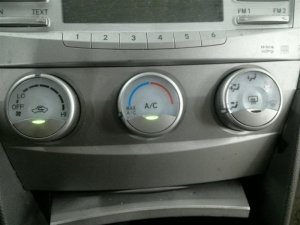
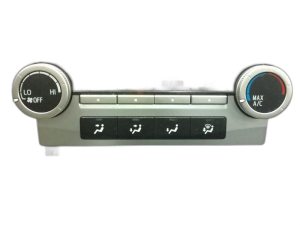
- 2007-2011 (XV40): These models often use simpler, more robust manual controls. Common failures include knobs that get pushed in or become loose, which can sometimes be fixed without replacing the entire unit. Temperature regulation issues can sometimes be traced to a dirty or disconnected in-cabin temperature sensor.
- 2012-2017 (XV50): This generation saw more complex controls, including dual-zone automatic options. Compatibility is a major issue, with many different part numbers for various trims. Failures of the underlying blend door actuators are also common, which can mimic a control unit problem.
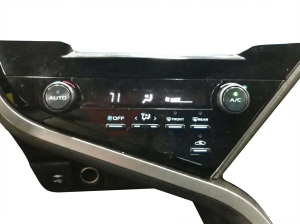
- 2018-2019 (XV70): These newer models integrate the climate controls more closely with the main infotainment system. Some owners have reported the climate controls freezing or becoming unresponsive, sometimes temporarily fixed by restarting the car. These issues can sometimes be software-related.
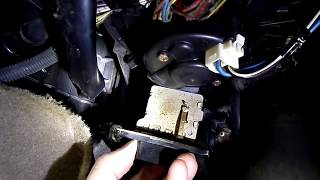
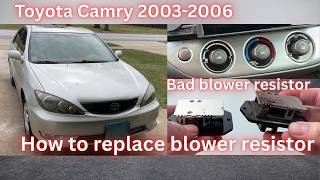
Warning: Before assuming the control unit is bad, check related components. A blower motor that only works on high is a classic symptom of a failed blower motor resistor, 🎬 Watch this quick fix to restore all your fan speeds. not the control head. Temperature blending issues can also be caused by faulty blend door actuators located within the dash.
Buying a Used HVAC Control for Your Camry

A used OEM HVAC control is often a smart and cost-effective repair. However, due to the wide variety of units across these model years, careful purchasing is essential.
1. Verify Compatibility by Part Number
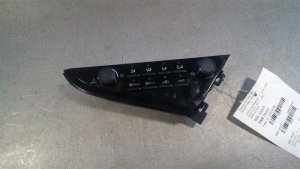
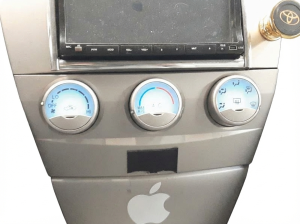
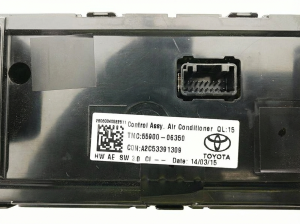
This is the most critical step. Do not buy a unit based on appearance alone. Many units look identical but have different internal programming. You must match the OEM part number from your original unit to the replacement. The part number is typically printed on a sticker on the unit's housing.
Pro Tip: If you cannot remove your old unit to check the part number, a Toyota dealer's parts department can often provide the correct part number for your specific vehicle using your VIN.
2. Match the Exact Features
Before purchasing, double-check that the replacement unit matches your car's original configuration. Pay close attention to:
- Manual vs. Automatic: Manual controls have rotary knobs for temperature, while automatic controls have a screen and buttons to set a specific temperature. They are not interchangeable.
- Single Zone vs. Dual Zone: Dual-zone controls allow the driver and passenger to set different temperatures. You cannot upgrade from single to dual zone by just swapping the control head.
- Hybrid vs. Non-Hybrid: Hybrid models often have specific buttons (like an 'EV mode' button) and different programming.
- Screen Size & Options: For later models, controls are designed to work with specific infotainment screen sizes (e.g., 7-inch vs. 8-inch) and options like heated seats.
3. Physical Inspection
When you receive the used part, inspect it carefully:
- Buttons and Knobs: Press every button and turn every knob. They should move freely without sticking and have a solid, tactile feel.
- Connectors: Check the electrical connector ports on the back. Ensure there are no bent, corroded, or broken pins.
- Faceplate and Screen: Look for deep scratches, cracks, or delamination on the display screen that could obscure information.
Cost Comparison
Replacing a Camry HVAC control unit can vary widely in cost depending on the source of the part and who performs the labor.
| Part Source | Estimated Cost |
|---|---|
| New OEM (Dealer) | $450 - $900+ |
| New Aftermarket | $150 - $400 |
| Used OEM (Recycled) | $45 - $150 |
| Shop Labor Cost | $100 - $250 |
DIY Installation Guide

Replacing the HVAC control unit on a 2007-2019 Camry is a straightforward job for a DIYer with basic tools. The difficulty is generally low.
- Disconnect the Battery: Always disconnect the negative battery terminal before working on any vehicle electronics to prevent short circuits.
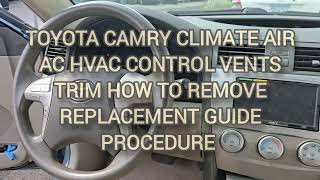
- Remove Trim: The control unit is typically held in by the surrounding dash trim. Use plastic trim removal tools to gently pry away the trim pieces around the radio and climate controls. This is the step that requires the most patience to avoid scratching or breaking plastic clips. 🎬 Watch this guide on how to safely remove the dash trim.
- Unbolt the Unit: Once the trim is removed, you will see the screws (usually 10mm bolts or Phillips head screws) holding the HVAC control unit in place. Remove them.
- Disconnect Wiring: Carefully pull the unit forward and locate the electrical connectors on the back. Press the release tab on each connector and pull it straight out. Do not pull on the wires themselves.
- Install the New Unit: Installation is the reverse of removal. Connect the wiring harnesses to the new unit, bolt it into place, re-attach the trim, and finally, reconnect the battery.
Frequently Asked Questions (FAQ)
Do I need to reprogram the car after installing a used HVAC control?
Generally, no. For most 2007-2019 Toyota Camrys, the HVAC control unit is a plug-and-play part and does not require special programming or calibration as long as you have installed a compatible unit with the correct part number.
Can I install a dual-zone automatic control in my car that has manual controls?
No. This is not a simple plug-and-play upgrade. The dual-zone system uses additional sensors and blend door actuators within the dashboard that a single-zone manual system lacks. The wiring harness is also different. You must replace your unit with one that matches the original factory configuration.
My A/C blows cold on the passenger side but warm on the driver's side. Is this the control unit?
While it's possible, this specific symptom more commonly points to a problem with a blend door actuator or low refrigerant charge. In a dual-zone system, a failed driver's side blend door actuator will prevent it from mixing air correctly. In a single-zone system, this can be a sign of low refrigerant, where the evaporator only gets cold enough on one side.
The lights on my HVAC control are out. Do I need to replace the whole unit?
It depends on the generation. On older models (like the XV40), the illumination is often provided by small, replaceable incandescent bulbs. You can often disassemble the unit to replace just the bulbs. On newer models with LED backlighting and integrated screens, a loss of illumination usually requires replacing the entire control unit.
Helpful Videos


Technical Specifications
OEM Part Numbers: 55900-06350 55900-06370 55900-06380 55900-33L00 55900-33L40 5590006161 5590006161B 5590006162 5590006270 5590006271 5590006280 5590006290 5590006300 5590006320 5590006360 88650-06350 55900-06490
Varies significantly by part number and vehicle configuration. Key specifications are tied to the vehicle's trim level, including single vs. dual-zone automatic climate control, hybrid system integration, and compatibility with specific infotainment screen sizes.
We Have This Part in Stock

The information in this article is provided for general reference and educational purposes only. Vehicle specifications, procedures, and part compatibility can vary by production date, trim level, and region. Always consult your vehicle's factory service manual and verify part numbers before purchasing or performing repairs. Safety-critical components such as airbags, seat belts, and braking systems should be installed by a qualified professional.
- Toyota Camry:
- 🎬 Helpful Videos
- 🛍️ Shop This Part
- Symptoms of a Failing Toyota Camry HVAC Control
- Known Issues, Recalls, and Generation-Specific Problems
- NHTSA Recall on 2012-2013 Models
- Musty Odor from Vents (2012-2017 Models)
- Generation-Specific Notes
- Buying a Used HVAC Control for Your Camry
- 1. Verify Compatibility by Part Number
- 2. Match the Exact Features
- 3. Physical Inspection
- Cost Comparison
- DIY Installation Guide
- Frequently Asked Questions (FAQ)
- 🎟️ Get 5% Off