

BMW & Mini Ignition Coil Failure (2011-2021): Diagnosing Misfires in N20, N55, S55 & More
This guide covers the common symptoms, diagnostic steps, and replacement costs for the ignition coil used in many popular 2011-2021 BMW and Mini models.
- Ignition coil failure is extremely common and typically causes engine misfires, a rough idle, and a check engine light with codes P0301-P0306.
- Diagnosis is simple: swap the suspected bad coil with a good one and see if the misfire code follows the coil to the new cylinder.
- Replacement is an easy DIY job (1/5 difficulty). It's highly recommended to replace all coils at once using OEM-supplier brands like Delphi or Eldor for best reliability.
- This coil fits many 2011-2021 BMWs and F-chassis Minis, but is NOT compatible with the 2014-2016 Mini Cooper Countryman (R60).
Vehicle Fitment and Coil Quantity
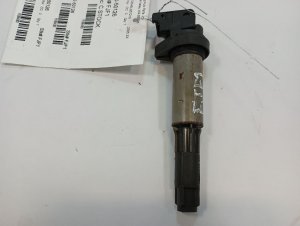
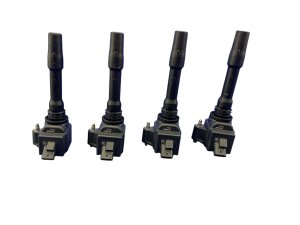
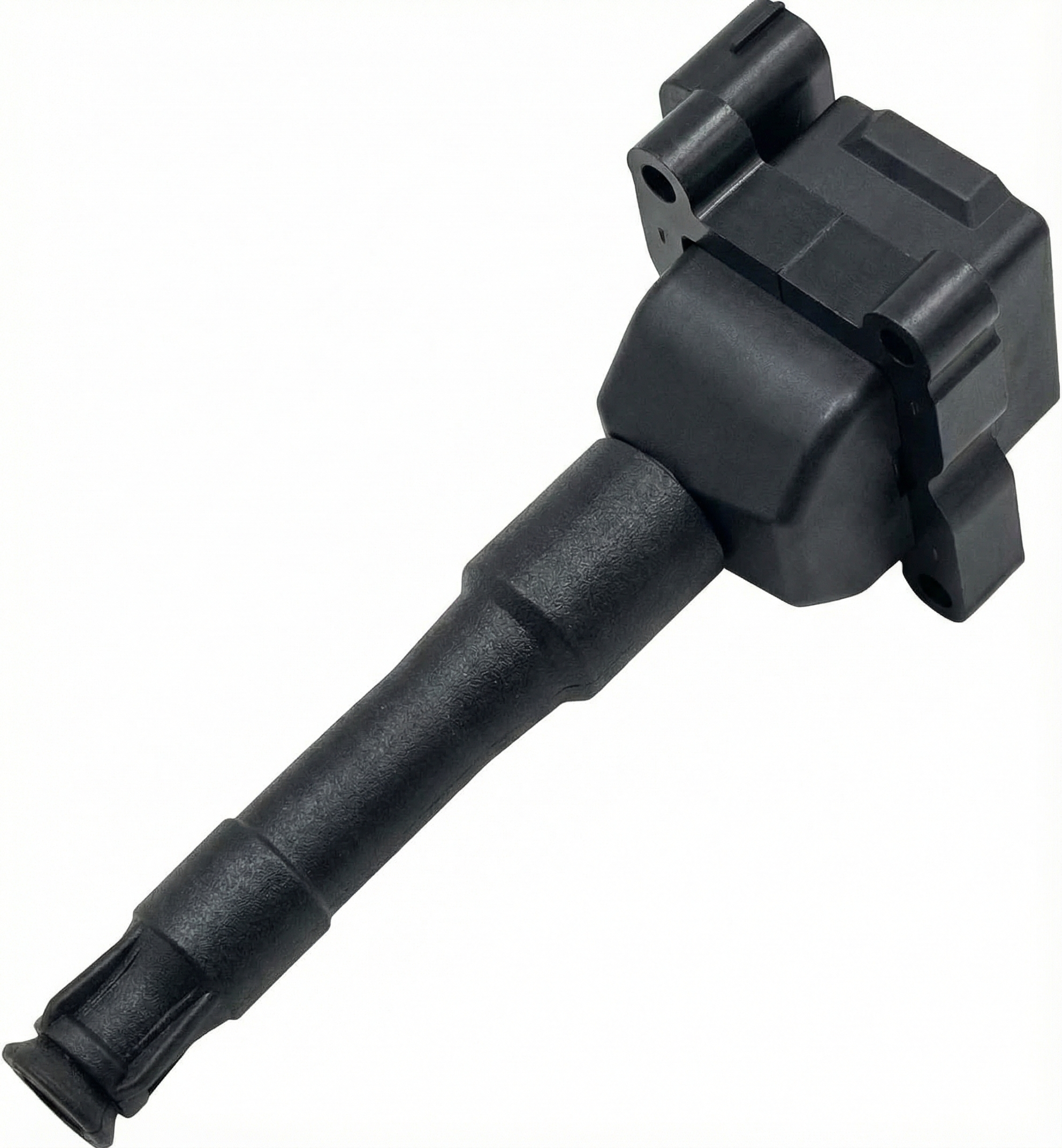
This ignition coil (BMW part number 12138616153) is used across a wide variety of BMW and Mini engines. However, the number of coils your vehicle requires depends on its engine. It is crucial to verify your engine type before purchasing. The initial advice suggesting these coils come from a V12 engine is incorrect; the vehicles listed below use 3, 4, or 6-cylinder engines.
| Model | Years | Applicable Engines | Coils Required |
|---|---|---|---|
| BMW 740i | 2013-2015 | 3.0L 6-Cylinder (N55) | 6 |
| BMW X5 | 2011-2018 | 3.0L 6-Cylinder (N55) | 6 |
| BMW X3 | 2011-2017 | 2.0L 4-Cylinder (N20) or 3.0L 6-Cylinder (N55) | 4 or 6 |
| BMW Z4 | 2012-2016 | 2.0L 4-Cylinder (N20) or 3.0L 6-Cylinder (N52/N54) | 4 or 6 |
| BMW X1 | 2012-2015 | 2.0L 4-Cylinder (N20) or 3.0L 6-Cylinder (N55) | 4 or 6 |
| BMW X4 | 2015-2018 | 2.0L 4-Cylinder (N20) or 3.0L 6-Cylinder (N55) | 4 or 6 |
| Mini Cooper (F-Chassis) | 2015-2021 | 1.5L 3-Cylinder (B38) or 2.0L 4-Cylinder (B48) | 3 or 4 |
| BMW M2 | 2016-2021 | 3.0L 6-Cylinder (N55/S55) | 6 |
| BMW M3 | 2015-2018 | 3.0L 6-Cylinder (S55) | 6 |
Compatibility Warning: The 2014-2016 Mini Cooper Countryman (R60 chassis) uses a different ignition coil from the Prince (N16/N18) engine family. The coil discussed in this guide is NOT compatible with the R60 Countryman.
Symptoms of a Failing Ignition Coil
Ignition coil failure is a very common issue on these engines. When a coil starts to fail, it can't deliver the high voltage the spark plug needs, leading to incomplete combustion in one or more cylinders. You will likely experience one or more of the following symptoms:
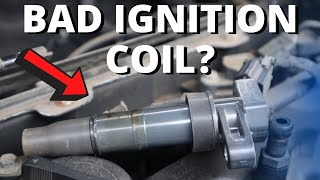
🎬 Watch: A visual guide to common ignition coil failure symptoms.- Engine Misfires: This is the most common symptom. It can feel like a stutter, hesitation, or jerking from the engine, especially when accelerating or under load.
- Rough Idle: When the car is stopped, the engine may vibrate or shake more than usual as it struggles to run smoothly with a non-firing cylinder.
- Check Engine Light: A misfire will almost always trigger the Check Engine Light. Using an OBD-II scanner will typically show codes from P0300 to P0306. The last digit indicates the cylinder with the fault (e.g., P0304 means a misfire on cylinder 4). A P0300 code indicates random or multiple cylinder misfires.
- Loss of Power: With one cylinder not contributing, the vehicle will feel noticeably sluggish and slow to accelerate.
- Reduced Fuel Economy: The engine's computer may try to compensate for the power loss by injecting more fuel, leading to a drop in your average MPG.
- Difficulty Starting: In cases of multiple coil failures or a completely dead coil, the engine may be difficult to start or may not start at all.
Diagnosing a Faulty Coil
Diagnosing a bad ignition coil is a straightforward process that is easy for most DIY mechanics.
- Read the Code: Use an OBD-II scanner to identify which cylinder is misfiring. For example, a P0302 code points to cylinder 2.
- Swap the Coil: The easiest way to confirm a bad coil is to swap it with one from a working cylinder. First, remove the plastic engine cover. The coils are located directly on top of the engine's valve cover. Unplug the electrical connector from the suspect coil (e.g., cylinder 2) and a known good coil (e.g., cylinder 1). Pull both coils straight up to remove them.
- Move the Suspect Coil: Install the suspected bad coil onto the known good cylinder (cylinder 1) and install the good coil onto the cylinder that was misfiring (cylinder 2). Reconnect the electrical plugs.
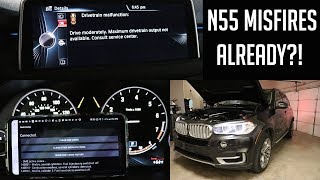
- Re-Scan for Codes: Clear the codes with your scanner, start the engine, and let it run until the check engine light comes back on. Read the codes again. If the code has 'moved' to the new cylinder (e.g., you now have a P0301 code), you have confirmed the ignition coil is faulty. 🎬 See this walkthrough for diagnosing misfires on N55 engines. If the misfire code remains on the original cylinder, the problem is likely the spark plug or, less commonly, the fuel injector.
Buying a Used Ignition Coil: What to Check
While new ignition coils are relatively affordable, a good used OEM coil can be a reliable and cost-effective option. Here’s what to look for when buying used:
- Stick with OEM Brands: The original equipment suppliers for BMW are typically Bosch, Delphi, and Eldor. Forum users and mechanics often report that Delphi and Eldor coils are more reliable and less prone to premature failure than some earlier Bosch versions. A used OEM Delphi coil is often a better choice than a cheap, new, no-name aftermarket part.
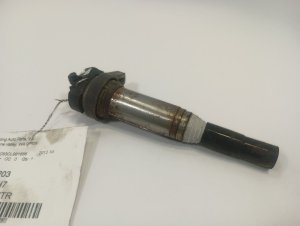
- Physical Inspection: Carefully inspect the coil's plastic housing. Look for any cracks, which can allow moisture to enter and cause failure. Check the electrical connector pins for any signs of green or white corrosion. Examine the rubber boot at the bottom for any tears, swelling, or a brittle, dried-out appearance.
- Verify the Part Number: The most current and widely compatible part number is 12138616153 (Delphi equivalent GN10571). This number supersedes many older part numbers. Ensure the part you are buying is a compatible replacement.
- Consider Mileage: Ignition coils are a wear item. While they can last over 100,000 miles, failures are common. If possible, choose a used coil from a lower-mileage vehicle. Given the low cost of new OEM-supplier coils, it is often recommended to replace all coils at once, especially on higher-mileage vehicles or if more than one has failed.
Pro Tip: When replacing coils, it's a great time to inspect and replace your spark plugs if they are due. Worn spark plugs can put extra strain on the ignition coils, leading to premature failure.
Replacement Cost Comparison
The cost to replace ignition coils can vary significantly depending on the parts you choose and whether you do the work yourself.
| Part/Service | Estimated Cost (Per Coil) | Estimated Cost (Set of 6) |
|---|---|---|
| New OEM (Dealer) | $60 - $85 | $360 - $510 |
| New OEM Supplier (e.g., Delphi, Bosch) | $35 - $55 | $210 - $330 |
| Used OEM | $20 - $40 | $120 - $240 |
| Shop Labor (Set of 6) | N/A | $150 - $300 |
Frequently Asked Questions (FAQ)
Is it difficult to replace an ignition coil myself?
No, this is considered a very easy DIY job, rated 1 out of 5 for difficulty. It typically takes less than an hour to replace all coils and requires only basic hand tools. The coils are easily accessible after removing the plastic engine cover.
Should I replace all ignition coils at once?
It is highly recommended. Ignition coils are subjected to the same heat and wear cycles, so when one fails, others are often not far behind. Replacing them all at once saves you from repeated repairs and ensures consistent ignition performance across all cylinders. Many mechanics suggest this as preventative maintenance, especially on vehicles with over 60,000 miles.
What's the difference between Bosch, Delphi, and Eldor coils?
All three are OEM suppliers to BMW. However, community feedback suggests that earlier Bosch coils had a higher failure rate. BMW later switched to Delphi and Eldor for many models. For this reason, many enthusiasts prefer to use Delphi or Eldor coils as replacements, even if their car originally came with Bosch.
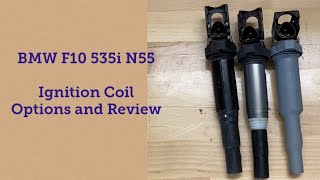
🎬 Watch: A detailed review of BMW ignition coil brand options.Do I need to apply dielectric grease to the new coil?
Many new OEM-supplier coils, like Delphi, come with dielectric grease pre-applied inside the boot. Adding more can prevent the coil from seating correctly on the spark plug. If the new coil is dry, applying a very small amount to the inside of the boot can make future removal easier, but it is not always necessary.
Helpful Videos
Technical Specifications
OEM Part Numbers: 12138616153 12137594937 12137594596 12137571643 12131712219 12137594938 7594596 8616153
Voltage: 12V, Type: Coil-on-Plug, OEM Suppliers: Delphi (GN10571), Bosch, Eldor
We Have This Part in Stock

The information in this article is provided for general reference and educational purposes only. Vehicle specifications, procedures, and part compatibility can vary by production date, trim level, and region. Always consult your vehicle's factory service manual and verify part numbers before purchasing or performing repairs. Safety-critical components such as airbags, seat belts, and braking systems should be installed by a qualified professional.
- BMW 740i:
- BMW X5:
- BMW X3:
- BMW Z4:
- BMW X1:
- BMW X4:
- Mini Cooper:
- Mini Cooper Countryman:
- BMW M2:
- BMW M3:
- BMW X6:
- BMW 535i:
- BMW 135i:
- BMW 320i:
- BMW 328i:
- BMW 335i:
- BMW 528i:
- BMW ActiveHybrid 7:
- BMW 228i:
- BMW 328i GT xDrive:
- BMW 335i GT xDrive:
- BMW 428i:
- BMW 435i:
- BMW 535i GT:
- BMW 640i:
- BMW ActiveHybrid 3:
- BMW ActiveHybrid 5:
- BMW M235i:
- BMW M4:
- BMW M760i xDrive:
- Mini Cooper Paceman: