

2016-2026 Audi Ignition Switch Failure: No-Start Symptoms & Replacement Guide for A4, Q7, A5, Q5 & More
Diagnose a faulty push-button ignition switch in your Audi and learn why this common no-start issue is a simple, no-programming-required DIY fix.
- A faulty ignition start/stop button is a common cause of intermittent no-start issues in these Audi models.
- This ignition switch requires NO programming or dealer visit; it is a simple plug-and-play replacement.
- Symptoms include intermittent no-start, engine stalling, and accessory power issues.
- Replacement is a simple DIY task that involves prying up the center console trim and swapping the switch.
Is Your Audi Failing to Start? It Might Be the Ignition Button

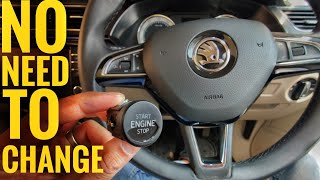
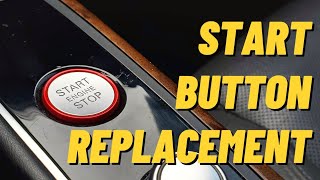
If your 2016-2025 Audi Q7, 2017-2025 A4, 2017-2024 A5, 2017-2023 Q5, 2017-2024 S4/S5, 2017-2023 SQ5, 2019-2025 A6/A7, or 2019-2026 Q8 experiences intermittent starting problems, a complete no-start condition, or strange electrical issues, a failing engine start-stop button is a likely cause. Over time, the internal contacts of this switch can wear out or become oxidized, leading to a variety of frustrating symptoms. 🎬 Watch: How to repair the internal contacts of your ignition button. Fortunately, this is one of the simpler electronic repairs you can perform on a modern Audi, as the switch itself does not require any dealer programming or special tools to replace.
Symptoms of a Failing Ignition Switch


A bad start-stop button can cause problems that seem complex, but they all stem from the switch's inability to send a consistent signal. Because it's a simple switch, it often will not store a specific Diagnostic Trouble Code (DTC) in the car's computer, making diagnosis tricky. Look for these common behaviors:
- Intermittent No-Start: You press the button and nothing happens—no crank, no click. You may try again and the car starts normally. This is the most common symptom.
- Engine Stalls After Starting: The engine fires up but immediately shuts down. This can happen if the switch loses contact right after the engine starts.
- Engine Stalls While Driving: In rare cases, vibrations can cause a faulty switch to momentarily lose connection, cutting power to the ignition and fuel systems and causing the engine to stall. This is a serious safety concern.
- Flickering Dash Lights / Accessories Not Working: When you press the button to enter accessory mode (without your foot on the brake), the radio, climate control, or dashboard lights may not turn on, or they may flicker.
- Physically Worn or Peeling Button: The lettering or silver trim on the button may peel or scratch off. While often a cosmetic issue, it can indicate a high-mileage part that is nearing the end of its electronic life.
Pro Tip: Before assuming the switch is bad, check the battery in your key fob. A weak fob battery can prevent the car from detecting the key, leading to a no-start condition that mimics a bad switch. Also, ensure the main vehicle battery is fully charged, as a weak battery can cause clicking sounds or prevent the engine from cranking.
Known Issues, TSBs, and Recalls

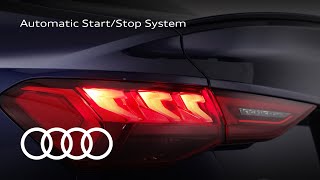
While the ignition switch itself is a common wear item, it's important to distinguish its failure from other related issues. Many of these Audi models were subject to recalls and Technical Service Bulletins (TSBs) for other components that can cause similar no-start or stalling symptoms. Notably, a recall for a faulty starter-generator on some models can present with similar no-start conditions. Always check for open recalls on your specific vehicle by entering your VIN on the NHTSA website. An informational TSB from Audi explains that the separate 'Auto Start/Stop' system (which turns the engine off at stoplights) has many operating conditions and its behavior is often normal even when owners perceive it as a fault. This is different from the ignition start/stop button failing.
🎬 See this tutorial to understand how the automatic start-stop system works.Buying a Used Ignition Switch
Purchasing a used OEM ignition switch is a cost-effective way to solve this common problem. Since the switch requires no programming, a recycled part from a compatible vehicle is a plug-and-play solution. Here’s what to look for:
- Physical Inspection: Check the button for cosmetic wear. While a peeling button might still work, it suggests high usage. More importantly, inspect the plastic housing and connector for any cracks, and ensure the connector pins are straight and free of corrosion.
- Verify Part Numbers: Audi uses several part numbers for these switches, which can vary by model year and trim. Common part numbers include 8K0-905-217-A and 8W1905217. Always match the part number from your original switch or verify compatibility with the donor vehicle's year and model.
- Red Flags: Avoid switches from flood-damaged or heavily wrecked vehicles. Moisture is the enemy of electronics, and a switch from a car with a deployed airbag might have been subjected to extreme forces.
- Why Used OEM is a Good Choice: A genuine used Audi switch offers the same fit, finish, and tactile feel as the original. Aftermarket versions can have a different feel, cheaper-looking plastics, or less durable internal contacts, leading to premature failure. Given the low replacement difficulty, a reliable used OEM part is often a better value than a new aftermarket one.
Replacement Difficulty: 2/5
Replacing the start-stop button is a feasible DIY job for most owners, with an estimated time of less than an hour. The main challenge is carefully removing the center console trim without scratching it.
- Access the Trim: The procedure typically involves using a plastic trim removal tool to gently pry up the trim panel surrounding the gear selector and MMI controls. On some models, putting the car in neutral can provide better access.
- Disconnect and Remove: Once the trim panel is lifted, you will see the underside of the switch assembly. Disconnect the electrical connector by pressing its release tab.
- Extract the Switch: The switch is usually held in by plastic clips and can be pushed out from underneath.
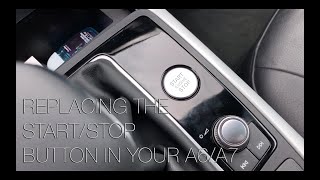
- Install the New Switch: The new switch simply snaps into place. Reconnect the electrical harness, test the button's function (both accessory mode and engine start), and then carefully snap the console trim back into place. 🎬 Watch this step-by-step guide to replacing the A6/A7 start button.
Warning: Always use plastic trim tools to avoid scratching or damaging the aluminum or wood trim on your center console. Be gentle and apply even pressure when prying.
Cost Comparison
Repairing a faulty ignition switch is significantly cheaper if you do it yourself with a used part.
| Part/Service | Estimated Cost |
|---|---|
| New OEM Switch (Dealer) | $80 - $120 |
| New Aftermarket Switch | $20 - $50 |
| Used OEM Switch | $25 - $60 |
| Shop Labor Cost | $100 - $200 |
Frequently Asked Questions
Do I need to program the new ignition switch?
No. This ignition switch is a simple electrical component and does not require any programming or dealer visit. It is a plug-and-play replacement.
How do I know if it's the switch or a dead battery?
A dead car battery will usually result in very dim or no interior lights and possibly a clicking sound from the starter solenoid. A faulty ignition switch often occurs when the battery is known to be good—the dashboard and interior lights will be bright, but the car simply refuses to crank when the button is pressed.
My button is physically broken/peeling. Can I just replace the cap?
No, the button and the electronic switch underneath are typically sold as a single, integrated unit. You must replace the entire switch assembly.
Is a faulty ignition switch the same as a problem with the 'Auto Start/Stop' system?
No, they are two different systems. The ignition switch is the button you press to start the car. The 'Auto Start/Stop' system is a fuel-saving feature that automatically shuts off the engine at stoplights. A fault in the Auto Start/Stop system will usually display a specific message on the dash and will not prevent you from starting the car with the ignition button.
Helpful Videos
Technical Specifications
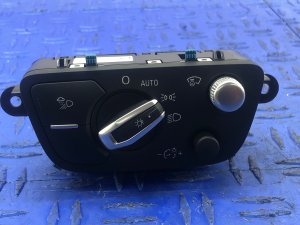
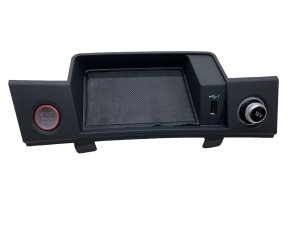
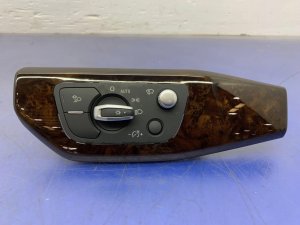
OEM Part Numbers: 8K0905217 8K0-905-217-A 8W1905217 8W1905217F
Keyless engine start/stop button, typically with a 6-pin electrical connector. Illuminated with a red or silver bezel.
We Have This Part in Stock
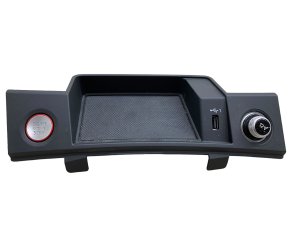

The information in this article is provided for general reference and educational purposes only. Vehicle specifications, procedures, and part compatibility can vary by production date, trim level, and region. Always consult your vehicle's factory service manual and verify part numbers before purchasing or performing repairs. Safety-critical components such as airbags, seat belts, and braking systems should be installed by a qualified professional.
- Audi Q7:
- Audi A4:
- Audi A5:
- Audi Q5:
- Audi S4:
- Audi S5:
- Audi SQ5:
- Audi A6:
- Audi A7:
- Audi Q8:
- Audi RS5:
- AUDI A4 allroad:
- Audi e-tron:
- Audi e-tron GT:
- Audi Q8 e-tron:
- Audi RS Q8:
- Audi RS7:
- Audi S7:
- Audi SQ7: