

2004-2009 Toyota Prius Ignition Switch: Power Button Problems & Fixes
Your guide to diagnosing a dead power button, why it doesn't need programming, and how to avoid common misdiagnoses.
- The ignition switch (power button) for the 2004-2009 Prius does NOT require programming, making a used OEM part a great plug-and-play repair option.
- A completely dead vehicle with no response to the power button is the primary symptom, but this is also the main symptom of a failed 12V battery, which should be checked first.
- Do not confuse a failed ignition switch with a failed combination meter. If the car won't turn OFF, the problem is likely the combination meter, not the switch.
- Before replacing the switch, check for a blown 15A AM2 fuse under the hood and look for loose connectors behind the glove box, as these can cause identical symptoms.
Symptoms of a Failing Power Button
When the ignition switch in a second-generation Prius begins to fail, the symptoms can be confusing. 🎬 Watch: 10 common warning signs of a bad ignition switch Because it's an electronic button rather than a mechanical switch, failure often appears as a sudden and complete loss of function.
- Car Will Not Power On: The most common symptom is pressing the power button and getting no response. The dashboard will not light up, and the car will not enter accessory mode or become "READY". This can make the car seem completely dead, similar to a failed 12V battery.
- Intermittent Starting: The switch may work sporadically, failing to power on the vehicle on some attempts but working fine on others. This unreliability can leave you stranded without warning.
- Flickering Dashboard Lights: In some cases, a faulty switch can cause an unstable power connection, leading to flickering lights on the instrument panel as you press the button.
- No Response from Starter or System: You will not hear a click from a starter motor (as the Prius doesn't have a conventional one), but you will notice a complete lack of the usual chimes and lights that accompany a normal startup.
Is It the Ignition Switch or Something Else? Common Misdiagnoses
Many issues on the 2004-2009 Prius can mimic a failed power button. Before replacing the switch, it's important to rule out these other common culprits.
Combination Meter Failure
A well-known problem in this Prius generation is the failure of the main instrument cluster, known as the combination meter. When it fails, it can prevent the car from shutting off with a normal press of the power button. Other signs of combination meter failure include a blank speedometer display and the rear hatch refusing to open. If your car won't turn off, the combination meter is the likely cause, not the ignition switch.
🎬 Watch this guide if your Prius refuses to shut offBlown AM2 Fuse
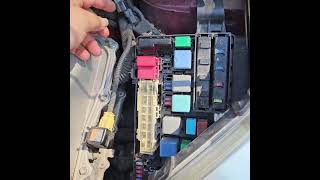
If the car dies while driving and now has no power to the dash or headlights, a blown 15-amp AM2 fuse is a likely suspect. This is often caused by a short circuit in the hybrid system's inverter water pump, a common failure point. If the AM2 fuse is blown, the car will be completely dead, just as if the ignition switch had failed.
🎬 See how a blown AM2 fuse causes a total power lossWeak or Dead 12V Battery
A weak 12-volt auxiliary battery (located in the trunk) is the most frequent cause of a no-start condition. Always test or replace the 12V battery before suspecting other components.
Pro Tip: Owners have reported that a loose electrical connector behind the glove box can cause symptoms identical to a failed ignition switch. Before buying parts, check to ensure all major wiring harnesses in that area are fully seated.
Buying a Used 2004-2009 Prius Ignition Switch
Because the ignition switch is a simple electronic component, a used OEM part is an excellent, cost-effective option. Unlike many other electronic modules, it does not require any special programming.
- Why Used OEM is a Good Choice: An original Toyota switch offers proven reliability. Aftermarket versions are not common for this specific part, and a used OEM unit is often a better choice than a low-quality new alternative.
- Physical Inspection: When buying a used switch, check for a crisp, tactile click when the button is pressed. Avoid any switches that feel mushy or sticky, as this could indicate internal wear or damage from a liquid spill. Ensure the plastic housing and electrical connector pins are free of cracks, corrosion, or heat damage.
- Verify Compatibility: This power button is only for models equipped with the Smart Key system. The correct OEM part number is 89611-47010. It is not compatible with the rare base models that used a traditional turn-key ignition.
Programming: The Switch vs. The Smart Key
This is the most important factor for anyone replacing this part.
Warning: The ignition switch (power button) itself DOES NOT need to be programmed. It is a plug-and-play part. You can install a new or used switch, and it will function immediately.
Programming is only required for the key fobs. The security information is stored in the key fob and the vehicle's immobilizer ECU. If you lose a key or need a new one, a dealer or an automotive locksmith must program the new key to the car using specialized equipment. Do not confuse key programming with switch replacement.
Replacement Overview
Replacing the ignition switch is a straightforward job that is feasible for a DIY mechanic with basic tools. The process generally involves these steps:
- Disconnect the 12V Battery: Always disconnect the negative terminal of the 12V battery in the trunk before working on any electrical components.
- Remove Lower Dash Panels: Carefully remove the plastic trim panels below and around the steering column to gain access to the back of the switch.
- Unplug the Connector: Depress the tab on the electrical connector and pull it from the back of the ignition switch.
- Release and Remove the Switch: The switch is held in place by plastic clips. Squeeze the clips and push the switch out from the front of the dash panel.
- Install the New Switch: Installation is the reverse of removal. Push the new switch into place until it clicks, reconnect the electrical plug, reassemble the dash panels, and reconnect the battery.
| Part Type | Estimated Cost |
|---|---|
| New OEM | $115 - $165 |
| Used OEM | $20 - $75 |
| New Aftermarket | Not commonly available |
| Shop Labor | $60 - $120 |
Known Recalls and Service Bulletins
As of early 2026, there are no specific recalls or Technical Service Bulletins (TSBs) from Toyota for the ignition switch (power button) on the 2004-2009 Prius. However, other recalls exist for this generation for issues like the electric water pump and steering linkage, which can also affect vehicle operation.
Frequently Asked Questions (FAQ)
Do I need to program a replacement ignition switch for my 2004-2009 Prius?
No. The power button itself is a simple switch and does not contain any security data. It is a plug-and-play part that does not require programming.
My Prius won't turn on. Is it the ignition switch or the 12V battery?
A dead 12V battery is the most common cause for a Prius that won't power on. Always test the 12V battery first, as its symptoms are identical to a failed ignition switch. If the battery is good, then the switch is a possible culprit.
Why won't my Prius turn OFF?
If your Prius will not shut off when you press the power button, the problem is almost certainly a failed combination meter (the instrument cluster), not the power button itself. This is a known issue, and you can typically force the car to shut down by pressing and holding the power button for several seconds.
Can a locksmith replace and program my ignition system?
A locksmith can't "program" the ignition switch because it doesn't require it. However, a qualified automotive locksmith can program new or spare key fobs to your vehicle's immobilizer system, which is often necessary if you have key-related problems.
Helpful Videos
Technical Specifications
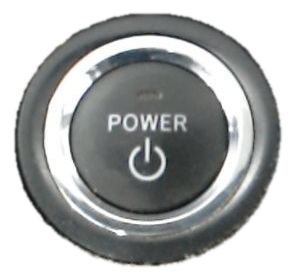
OEM Part Numbers: 89611-47010 8961147010
Push-button start switch for vehicles equipped with a Smart Key system.
We Have This Part in Stock

The information in this article is provided for general reference and educational purposes only. Vehicle specifications, procedures, and part compatibility can vary by production date, trim level, and region. Always consult your vehicle's factory service manual and verify part numbers before purchasing or performing repairs. Safety-critical components such as airbags, seat belts, and braking systems should be installed by a qualified professional.
- Toyota Prius:
- 🎬 Helpful Videos
- 🛍️ Shop This Part
- Symptoms of a Failing Power Button
- Is It the Ignition Switch or Something Else? Common Misdiagnoses
- Combination Meter Failure
- Blown AM2 Fuse
- Weak or Dead 12V Battery
- Buying a Used 2004-2009 Prius Ignition Switch
- Programming: The Switch vs. The Smart Key
- Replacement Overview
- Known Recalls and Service Bulletins
- Frequently Asked Questions (FAQ)
- 🎟️ Get 5% Off