

2006 Chevrolet HHR Instrument Cluster: Gauge Failures, Programming, and Recall Info
Your guide to diagnosing common HHR gauge problems, understanding the critical programming requirements for replacement, and ruling out related ignition switch issues.
- A replacement 2006 HHR instrument cluster is NOT plug-and-play. It MUST be professionally programmed to your vehicle's VIN, or the speedometer and odometer will freeze.
- The vehicle's mileage is stored inside the cluster. A used unit will display the donor car's mileage and must be corrected by a specialist.
- Many cluster symptoms (bouncing gauges, power loss) can be caused by the recalled ignition switch or loose fuse box connections. Check these first.
- Repairing your original cluster is often the best option, as it avoids all VIN and mileage programming issues.
Symptoms of a Failing Instrument Cluster
A faulty instrument cluster in a 2006 HHR can cause a range of confusing and frustrating issues. While some symptoms point directly to the cluster, others can be caused by different electrical problems.
Important: Many symptoms of a failing instrument cluster are identical to those caused by a faulty ignition switch or loose connections in the under-hood fuse box. The 2006 HHR was part of a major recall for the ignition switch. Before replacing your cluster, check for open recalls on your vehicle and inspect the fuse box connections.
Common Failure Symptoms:
- Erratic or Dead Gauges: The speedometer, tachometer, fuel, or temperature gauges may get stuck at zero, swing back and forth wildly, or provide incorrect readings.
- Complete or Intermittent Power Loss: The entire cluster may go dark and stop working, either permanently or sporadically. It might work again after restarting the car several times.
- Flickering Lights and Displays: The backlighting or the digital odometer display may flicker or fail to illuminate.
- False Warning Lights: The cluster may display warning messages like 'Power Steering' or 'Low Fuel' even when those systems are functioning correctly.
Known Issues, Recalls, and Technical Bulletins
Several known issues on the 2006 HHR can mimic or be related to instrument cluster problems.
Safety Recall: Ignition Switch Failure
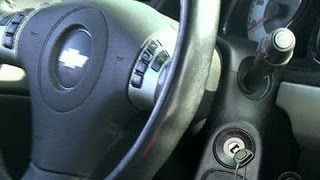
General Motors issued a major safety recall (NHTSA Campaign ID: 14V047, 14V171) for the 2006 HHR. The ignition switch can unexpectedly move out of the 'RUN' position, causing the engine to stall and disabling the airbags. This loss of electrical power can make the instrument cluster and other electronics appear to fail. Before diagnosing a bad cluster, ensure this critical recall has been performed on your vehicle by a GM dealer.
🎬 See the details on the critical GM ignition switch recallTechnical Service Bulletin (TSB)
A TSB was issued for the instrument panel cluster backlighting being inoperative during daylight hours (NHTSA ID: #10020228, TSB #3799). This addresses a specific lighting issue rather than a total cluster failure.
Under-Hood Fuse Box Connections
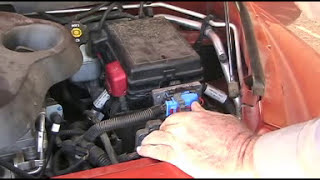
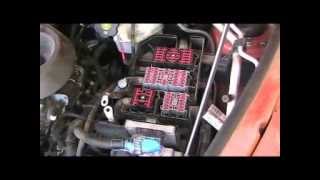
A widely reported issue among owners is that the two halves of the under-hood fuse box can become loose over time. This creates poor electrical connections, leading to a host of problems including bouncing gauges, false warning lights, and hard shifting—all of which can be mistaken for a bad instrument cluster. Tightening the bolts that hold the fuse box together has been shown to resolve these issues for many owners.
🎬 Watch: Troubleshooting intermittent dash gauge and light issuesBuying a Used Instrument Cluster
Purchasing a used OEM cluster is a cost-effective option, but there are critical factors to consider to avoid creating new problems.
Programming is REQUIRED
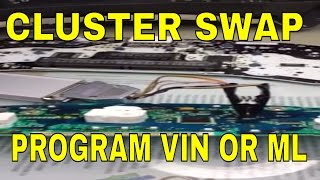
This is the most important consideration. A used instrument cluster is NOT a plug-and-play part for a 2006 HHR. The cluster and the Body Control Module (BCM) communicate with each other and must share the same Vehicle Identification Number (VIN).
- VIN Mismatch: If you install a used cluster with a different VIN, the speedometer and odometer will freeze and stop displaying information.
- Mileage Correction: The vehicle's mileage is stored on a small chip (EEPROM) inside the instrument cluster itself. A used cluster will display the mileage of the vehicle it came from, not your vehicle's actual mileage. This must be corrected to be legal and accurate.
To install a used cluster, you will need a GM dealer or a specialized automotive electronics shop with a Tech2 scan tool (or equivalent) to program your car's VIN into the replacement cluster. Some services can also correct the mileage on the used cluster to match your vehicle's true mileage.
What to Look For
- Part Number: Ensure the OEM part number matches your original cluster. The known verified part number is 15825567.
- Physical Condition: Inspect the used cluster for a clear, unscratched plastic lens and check that all connector pins on the back are straight and free of corrosion.
- Find a Programmer First: Before buying the part, contact a local dealer or repair shop to confirm they can and will program a used cluster for you and inquire about the cost.
Cost to Replace a 2006 HHR Instrument Cluster
Costs can vary significantly based on the path you choose.
| Item | Estimated Cost | Notes |
|---|---|---|
| New OEM (Dealer) | $900+ (Part Only) | This part is largely discontinued and may be difficult to find new. Price does not include dealer labor and programming. |
| Used OEM (Salvage) | $50 - $150 | Requires additional cost for programming. Mileage will be incorrect until corrected. |
| Repair Service (Remanufactured) | $75 - $200 | You send your original cluster to be repaired. This avoids all VIN and mileage programming issues and is often the best value. |
| Shop Labor (Physical Swap) | $100 - $160 | For the physical removal and installation only. |
| Shop Labor (Programming) | $100 - $250 | Cost to program a replacement cluster's VIN. This is a separate charge from the physical installation. |
Frequently Asked Questions (FAQ)
Can I install a replacement instrument cluster myself?
Yes, the physical replacement is straightforward for a DIY mechanic. It involves removing the dash trim and a few screws. However, the cluster will not function correctly until it is professionally programmed to your vehicle's VIN.
Will replacing the cluster change my car's mileage?
Yes. The mileage is stored in the cluster. Installing a used cluster will make the odometer display the mileage from the donor car. You must have it professionally corrected to reflect your vehicle's true mileage. Tampering with an odometer is illegal in many jurisdictions.
Why did my speedometer and odometer freeze after I installed a used cluster?
This happens because the VIN in the used cluster does not match the VIN stored in your vehicle's Body Control Module (BCM). The system freezes the display as a security and anti-fraud measure. The cluster must be reprogrammed with your car's VIN.
Are all my weird electrical problems caused by the instrument cluster?
Not necessarily. On the 2006 HHR, many cluster-like symptoms (bouncing gauges, random warnings, power loss) can be caused by a loose under-hood fuse box or the faulty ignition switch that was subject to a major recall. Always investigate these possibilities before replacing the cluster.
Helpful Videos

Technical Specifications
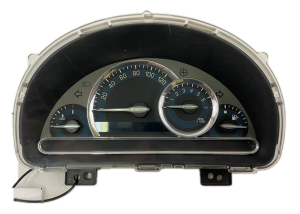
OEM Part Numbers: 15825567
Reads in Miles Per Hour (MPH). Requires VIN programming with a Tech2 or equivalent diagnostic tool upon installation.
We Have This Part in Stock

The information in this article is provided for general reference and educational purposes only. Vehicle specifications, procedures, and part compatibility can vary by production date, trim level, and region. Always consult your vehicle's factory service manual and verify part numbers before purchasing or performing repairs. Safety-critical components such as airbags, seat belts, and braking systems should be installed by a qualified professional.
- Chevrolet HHR:
- 🎬 Helpful Videos
- 🛍️ Shop This Part
- Symptoms of a Failing Instrument Cluster
- Common Failure Symptoms:
- Known Issues, Recalls, and Technical Bulletins
- Safety Recall: Ignition Switch Failure
- Technical Service Bulletin (TSB)
- Under-Hood Fuse Box Connections
- Buying a Used Instrument Cluster
- Programming is REQUIRED
- What to Look For
- Cost to Replace a 2006 HHR Instrument Cluster
- Frequently Asked Questions (FAQ)
- 🎟️ Get 5% Off