

2011-2017 Chrysler 200 Instrument Cluster: A Guide to Screens, Failures, and Programming
This guide covers the common failures, complex variations, and essential programming requirements for the 2011-2017 Chrysler 200 instrument cluster.
- Programming is mandatory for all replacement clusters; this is not a plug-and-play part.
- You must match the replacement cluster to your vehicle's specific options, including screen size (none, 3.5-inch, or 7-inch) and speedometer range.
- A "Proxy Alignment" procedure is required to sync the new cluster with the vehicle's other computers and stop the odometer from flashing.
- The most common failure symptoms are erratic gauges and a blank or flickering central display screen.
Key Variants and How to Identify Yours
Chrysler 200 models from 2011-2017 used several different instrument clusters. Ordering the correct one is critical, as they are not interchangeable. The primary differences are screen size, speedometer range, and the generation of the vehicle.
First Generation (2011-2014)
- Base Models: These clusters feature standard analog gauges and may not have a central display screen.
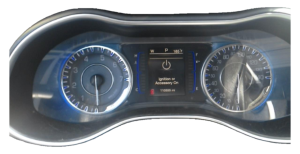
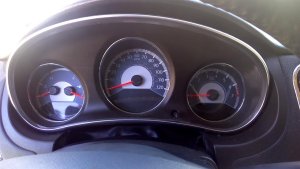
- Touring/Limited Models: These often came with a 120 MPH speedometer and a small, central digital display screen for information like fuel economy and trip data. This is often referred to by the option code JAT.
Second Generation (2015-2017)
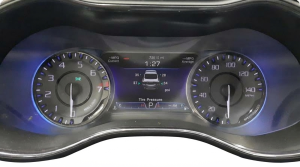
- LX/Limited Models: Typically equipped with a 140 MPH speedometer and a 3.5-inch digital Driver Information Display (DID) screen.
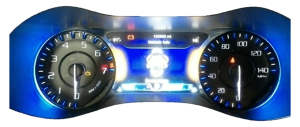
- S/C Models: These premium trims often featured a larger, more advanced 7-inch full-color TFT (Thin-Film Transistor) screen between the analog speedometer and tachometer.
Warning: Always verify your vehicle's original configuration before ordering a replacement. A cluster with a different screen or speedometer will not function correctly, even if it physically fits. The best way to ensure compatibility is to match the OEM part number from your original unit.
Symptoms of a Failing Instrument Cluster
A failing instrument cluster can cause a range of confusing and distracting issues. Here are the most common signs that your cluster may need repair or replacement:
- Gauges Not Working: The speedometer, tachometer, fuel gauge, or temperature gauge may stop working, get stuck, or provide erratic readings.
- Display Screen Failure: The central information screen (3.5-inch or 7-inch) may go blank, flicker, or show scrambled or pixelated information.
- Intermittent Power Loss: The entire cluster may randomly shut off and turn back on while driving.
- Warning Lights On: Multiple warning lights may illuminate for no reason, or the check engine light may come on.
- Backlighting Issues: The lights that illuminate the gauges may fail, making the cluster difficult to read at night.
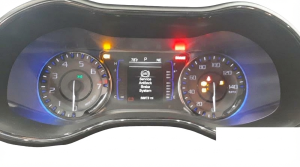
A common diagnostic trouble code (DTC) associated with a complete failure is U0155 - Lost Communication with Instrument Panel Control (IPC) Module. This code means the cluster is no longer communicating with the vehicle's other computers on the CAN bus network.
Known Issues, TSBs, and Recalls
While there are no widespread recalls specifically for instrument cluster failure on the 2011-2017 Chrysler 200, some Technical Service Bulletins (TSBs) have been issued that relate to its function.
- TSB 08-014-16: This bulletin for the 2015 model year involves reprogramming the Instrument Panel Cluster (IPC) with updated software to address potential issues.
- TSB 22958: Issued in August 2016, this TSB instructed dealers to inspect and return certain instrument panel part numbers for various models, including the 2015-2017 Chrysler 200.
It's important to note that many electrical issues, like stalling or flickering lights, can sometimes be misdiagnosed as a cluster problem when they originate from other modules like the Powertrain Control Module (PCM) or a faulty wiring harness.
CRITICAL: Programming and Installation Requirements
Warning: A replacement instrument cluster for a 2011-2017 Chrysler 200 MUST be programmed to the vehicle. This is not a plug-and-play part. Failure to perform the necessary programming will result in a non-functional cluster, a flashing odometer, and potentially a no-start condition.
Three key steps are required after physical installation:
- VIN Programming: The vehicle's VIN must be written to the replacement cluster. The cluster is a key component of the vehicle's anti-theft system, and a VIN mismatch will cause conflicts with other modules.
- Mileage Programming: The vehicle's correct mileage must be programmed into the replacement unit. Federal law regulates odometer accuracy, so this is a legal requirement. Services exist that can program the mileage on a replacement cluster before it is shipped to you.
- Proxy Alignment (or Proxi Alignment): This is a Chrysler-specific procedure that syncs all electronic modules on the vehicle's network. When a new module like the instrument cluster is installed, a proxy alignment tells the Body Control Module (BCM) and other computers that the new part is present and what its configuration is. A flashing odometer is the most common symptom of a failed or needed proxy alignment.
Who Can Program the Cluster?
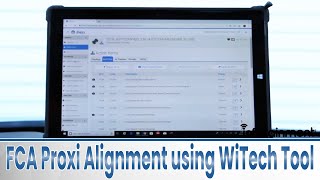
While a Chrysler, Dodge, Jeep, or Ram dealership is the most straightforward option, they are not the only choice. Many well-equipped independent repair shops with advanced diagnostic tools (like Autel, Snap-on, or wiTECH) 🎬 See a step-by-step tutorial on using the professional wiTECH tool. can perform the VIN programming and proxy alignment. Some advanced DIYers use tools like AlfaOBD or ThinkDiag+ to perform these functions as well.
🎬 Watch: How to perform a budget-friendly proxy alignment yourself.Buying a Used Instrument Cluster: A Step-by-Step Guide
A used OEM cluster is an excellent, cost-effective alternative to a new unit. Follow these steps to ensure you get the right part.
- Identify Your Exact Cluster: Before you shop, determine your vehicle's configuration. Do you have the 3.5-inch or 7-inch screen? Is your speedometer 120 MPH or 140 MPH? This is the most critical step.
- Match the Part Number: The surest way to guarantee compatibility is to match the OEM part number. This is typically found on a sticker on the back or side of the cluster housing. Even if two clusters look identical, they may have different internal software.
- Inspect the Used Unit: When you receive the part, check for deep scratches or cracks on the plastic lens. Ensure all connector pins on the back are straight and free of corrosion.
- Ignore the Mileage: The mileage displayed on the used cluster is irrelevant. It will be overwritten with your vehicle's correct mileage during the programming process.
- Budget for Programming: Remember to factor in the cost of programming when buying a used cluster. Call local dealerships or qualified independent shops beforehand to get a quote for the service.
Pro Tip: Some specialized automotive electronics services offer to clone the data from your old cluster to the replacement one. This can sometimes simplify the installation process, as the replacement unit arrives already programmed with your car's VIN and mileage.
Cost Comparison
| Part Type | Estimated Cost |
|---|---|
| New OEM | $325 - $500+ |
| Used OEM | $50 - $150 |
| Remanufactured | $150 - $300 |
| Shop Labor (Installation & Programming) | $100 - $250 |
Frequently Asked Questions (FAQ)
Do I absolutely have to program a replacement cluster?
Yes. For the 2011-2017 Chrysler 200, programming is mandatory. The cluster will not function correctly, the odometer will flash, and other vehicle systems may be disabled if it is not programmed with your car's VIN and configured using a proxy alignment.
Can I install the cluster myself and then drive to a shop for programming?
Yes, but with caution. The vehicle will likely start and run, but you may not have a working speedometer, fuel gauge, or warning lights, which is unsafe and potentially illegal. It is recommended to have the vehicle towed or to program the cluster immediately after installation.
What is a "proxy alignment"?
A proxy alignment is a procedure that scans and syncs all the electronic control modules in the vehicle with the central Body Control Module (BCM). If a module is replaced, this procedure updates the vehicle's configuration to recognize the new part and ensure all modules can communicate correctly. A flashing odometer is the primary indicator 🎬 Watch: Using ThinkDiag+ to fix a flashing odometer after installation. that a proxy alignment is needed.
Why is my odometer flashing after installing a new part?
A flashing odometer on a Chrysler vehicle almost always means there is a configuration mismatch between the electronic modules. This is the car's way of telling you that a proxy alignment procedure needs to be performed to sync the new part with the rest of the vehicle's systems.
Helpful Videos
Technical Specifications
OEM Part Numbers: 56054492AD 56054492AE 56054492AF 56054492AG 56054492AH 56054492AI 56054492AJ 56054492AL 56054631AD 56054631AE 56054631AF 56054631AG 56054631AH 56054631AI 56054631AJ 56046514AC 56046514AD 56046514AE 56046514AF 56046514AG 56046514AH 56046911AE 56054630AJ
Varies by vehicle options. Key variants include no display, 3.5-inch display, or 7-inch display, and 120 MPH or 140 MPH speedometers.
We Have This Part in Stock

The information in this article is provided for general reference and educational purposes only. Vehicle specifications, procedures, and part compatibility can vary by production date, trim level, and region. Always consult your vehicle's factory service manual and verify part numbers before purchasing or performing repairs. Safety-critical components such as airbags, seat belts, and braking systems should be installed by a qualified professional.
- Chrysler 200:
- 🎬 Helpful Videos
- 🛍️ Shop This Part
- Key Variants and How to Identify Yours
- First Generation (2011-2014)
- Second Generation (2015-2017)
- Symptoms of a Failing Instrument Cluster
- Known Issues, TSBs, and Recalls
- CRITICAL: Programming and Installation Requirements
- Who Can Program the Cluster?
- Buying a Used Instrument Cluster: A Step-by-Step Guide
- Cost Comparison
- Frequently Asked Questions (FAQ)
- 🎟️ Get 5% Off