

2007-2019 Explorer & Police Interceptor Instrument Cluster: Failures, Programming, and Replacement
This guide covers the common failures, critical programming requirements, and replacement nuances for the instrument cluster in the 2007-2019 Ford Explorer and 2013-2019 Ford Police Interceptor Utility.
- Programming is mandatory for all replacement clusters to address anti-theft (PATS), mileage, and vehicle options.
- There is a major difference between 2007-2010 and 2011-2019 clusters; they are not interchangeable.
- When buying a used cluster, matching the engineering ID number on the housing is more important than the part number.
- For DIY programming with FORScan, the replacement cluster must have lower mileage than your vehicle, as the software can only increase the odometer reading.
Vehicle Fitment and Generational Differences

It is critical to understand that the instrument clusters for this year range are split into two distinct generations that are not interchangeable. The Ford Explorer platform underwent a major redesign for the 2011 model year.
- 2007-2010 Ford Explorer (Fourth Generation): These models use a more traditional analog gauge cluster. Common failures are often related to internal electronic components causing intermittent power loss to the gauges.
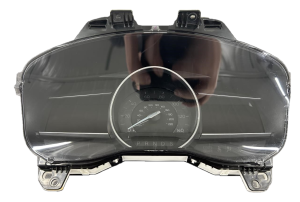
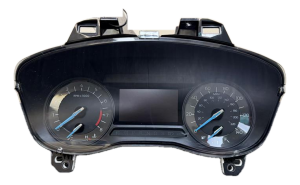
- 2011-2019 Ford Explorer (Fifth Generation) & 2013-2019 Ford Police Interceptor Utility: These vehicles are built on a newer platform and feature more advanced instrument clusters, often with integrated LCD screens. Failures can range from screen issues to complete communication loss. The Police Interceptor Utility is based on this generation of Explorer and shares similar parts and procedures.
Common Symptoms of a Failing Instrument Cluster


A failing instrument cluster can manifest in various ways, from minor annoyances to critical safety issues. Here are the most common symptoms reported by owners:
- Intermittent or Total Power Loss: The entire cluster may shut off and turn back on randomly while driving. For 2007-2010 models, this is a very common failure mode.
- Faulty or Sticking Gauges: The speedometer, tachometer, fuel, or temperature gauges may provide incorrect readings, get stuck in one position, or not move at all.
- Blank or Pixelated Information Screens: On 2011-2019 models, the digital display(s) may go blank, become difficult to read, or show garbled information.
- Warning Lights Illuminate Randomly: A faulty cluster can cause multiple, unrelated warning lights (like ABS, Airbag, or Check Engine) to turn on because it is failing to communicate correctly with other modules.
- No-Start Condition: Because the instrument cluster is tied into the PATS anti-theft system, a complete failure can prevent the vehicle from starting. The theft light may blink rapidly.
- Dim or Flickering Backlighting: The illumination for the gauges may become dim, flicker, or fail completely, making the cluster unreadable at night.
Associated OBD-II Codes
While a failing cluster might not always set a specific "P" (powertrain) code, it often results in communication or module-related codes, typically "U" codes. Common codes associated with instrument cluster failure include:
- U-codes (Network Codes): Codes like U0155 (Lost Communication With Instrument Panel Cluster Control Module) or U1900 (CAN Communication Bus Fault) indicate a communication problem between the cluster and other vehicle modules.
- P0603: This code indicates an Internal Control Module Keep Alive Memory (KAM) error, which can sometimes be related to power interruptions affecting the cluster and other modules.
Programming, Calibration, and Anti-Theft Requirements

Warning: A replacement instrument cluster, whether new or used, will almost always require programming to function correctly in your vehicle. This is not a simple plug-and-play part.
There are three main reasons programming is necessary:
- Vehicle Configuration: The cluster must be programmed with your vehicle's specific features (engine type, drivetrain, optional equipment) to ensure all gauges and warning lights work correctly. This is often referred to as programming the "as-built" data.
- Mileage (Odometer): Federal law requires the vehicle's true mileage to be displayed. A new or used cluster must be programmed to reflect your vehicle's actual mileage. It is illegal to misrepresent a vehicle's mileage.
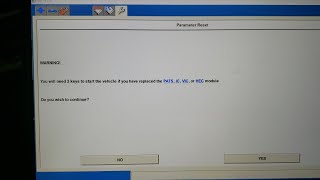
- PATS Anti-Theft System: The instrument cluster stores the vehicle's ignition key information. When you install a different cluster, it will not recognize your existing keys, and the vehicle will not start. 🎬 Learn more about how the Ford PATS anti-theft system works A procedure called a "Parameter Reset" is required to sync the new cluster with the vehicle's engine computer (PCM) and relearn the keys. A minimum of two keys is typically required for this process. 🎬 See this walkthrough on programming a replacement cluster with two keys
Who Can Program a Replacement Cluster?
- Ford Dealership: A dealership has the proprietary IDS (Integrated Diagnostic System) software required to perform all necessary programming, including the parameter reset and mileage correction. This is the most reliable, albeit often most expensive, option.
- Qualified Independent Shops & Locksmiths: Many professional shops and automotive locksmiths have advanced scan tools with the capability to perform the PATS parameter reset and key relearn procedures.
- DIY with FORScan: For advanced DIY users, the FORScan software application combined with a compatible OBD-II adapter can program many aspects of the instrument cluster. This includes loading the original "as-built" data into the new cluster and, in some cases, adjusting the odometer reading. However, FORScan can typically only roll the mileage *forward* (increase it), not backward. Therefore, if you use FORScan, you must purchase a used cluster with fewer miles than your vehicle currently has.
Buying a Used Instrument Cluster: What to Look For
Purchasing a used OEM instrument cluster is a cost-effective way to solve a failure, but careful selection is key. Here’s what to check:
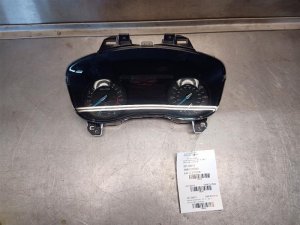
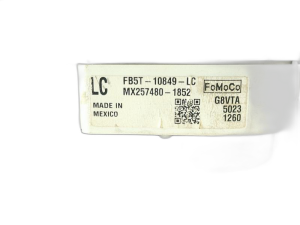
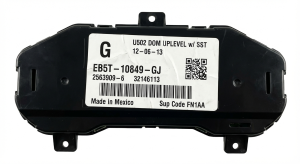
- Verify the Engineering ID: The most important step is to match the engineering ID number from your original cluster. This number is printed on a sticker on the cluster's housing. Part numbers can be superseded, but the engineering ID (e.g., CB5T-10849-CA, DB5T-10849-EA) ensures electronic compatibility. The buyer warnings in the initial data highlight the importance of matching these specific prefixes.
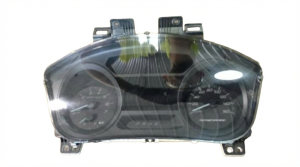
- Physical Inspection: Check the clear plastic lens for deep scratches, cracks, or fogging. While the lens can sometimes be swapped from your old unit, it's best to get one in good condition.
- Check the Screens (2011-2019): If possible, ask the seller to power up the cluster to check for dead pixels or screen burn-in on the digital displays.
- Mileage is Secondary: Do not worry about finding a cluster with matching mileage. Since the unit must be reprogrammed, the mileage displayed on the used part is irrelevant. The crucial factor is that if you plan to use FORScan for programming, the used cluster's mileage must be *lower* than your vehicle's actual mileage.
- Why Used OEM is a Good Choice: Used original equipment (OEM) clusters guarantee proper fitment and are designed to communicate perfectly with your vehicle's other modules once programmed. Aftermarket units may have quality issues or be incompatible with factory programming procedures.
Cost Comparison
| Part Type | Estimated Cost | Notes |
|---|---|---|
| New OEM | $800 - $1,100+ | Highest cost, may need to be special ordered. Requires programming. |
| New Aftermarket | $130 - $350 | Lower cost, but quality and compatibility can be a concern. May not support all factory functions. |
| Used OEM | $75 - $250 | Excellent value. Ensures OEM quality and compatibility. Requires programming. |
| Remanufactured / Repair Service | $190 - $400 | A good option for common failures. You send your original cluster to be repaired, which means no programming is needed upon reinstallation. |
| Shop Labor (Installation & Programming) | $150 - $300 | Labor for physical replacement is low, but programming adds time and cost. |
Known Issues, Recalls, and Technical Service Bulletins (TSBs)
While there are no widespread recalls specifically for total instrument cluster failure on these models, Ford has issued recalls and TSBs for related software issues on other vehicles that can cause blank screens. For the 2011-2019 Explorer, a notable recall (NHTSA Campaign Number: 24V031) was issued for A-pillar trim that could detach, which is unrelated to cluster function but relevant to the vehicle generation.
The most common issues, especially on the 2007-2010 models, stem from internal component failure on the circuit board, which is why repair services are a popular and effective solution.
🎬 Watch: How to remove the cluster for repair or replacementFrequently Asked Questions (FAQ)
Do I have to go to the dealer to program a new instrument cluster?
Not necessarily. While a Ford dealer is a guaranteed option, many well-equipped independent shops and automotive locksmiths can perform the necessary PATS key relearn and parameter reset. Advanced DIYers can also use software like FORScan, but must be aware of its limitations, especially regarding mileage adjustment.
Can I install a higher-trim cluster (e.g., Platinum) into my base model Explorer?
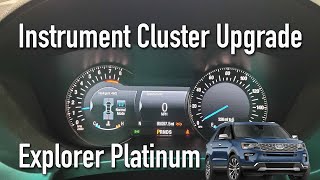
Yes, this is a popular upgrade for 2016-2019 Explorer owners. However, it requires significant programming with FORScan to enable and disable features to match your vehicle's options. You will also need the correct plastic bezel trim for the new cluster to fit properly.
Will my car start if I just swap in a used instrument cluster?
No. The vehicle will not start because the used cluster is not programmed to your vehicle's ignition keys. The PATS anti-theft system will immobilize the engine. A parameter reset and key relearn procedure is mandatory.
What tools are needed to physically replace the instrument cluster?
The physical replacement is relatively simple. You will typically need basic hand tools, including a 7mm socket, and plastic trim removal tools to avoid scratching the dashboard panels. The process involves removing the trim around the cluster, unscrewing the four bolts holding it in, and disconnecting the electrical connector(s) at the back.
Helpful Videos

Technical Specifications
OEM Part Numbers: 3B5T-10849-GJ 7L2T10849BA 7L2T10849BB 7L2T10849BC 7L2T10849BD 7L2T10849BE 7L2Z10849BA 9L2T-10849-FC 9L2T10849BB 9L2T10849BC 9L2T10849BD 9L2T10849FA 9L2T10849FB 9L2Z-10849-E 9L2Z-10849-F
Compatibility is determined by the engineering ID number printed on the cluster's housing (e.g., CB5T-10849-CA, DB5T-10849-NA). This number must be matched for proper electronic function.
We Have This Part in Stock

The information in this article is provided for general reference and educational purposes only. Vehicle specifications, procedures, and part compatibility can vary by production date, trim level, and region. Always consult your vehicle's factory service manual and verify part numbers before purchasing or performing repairs. Safety-critical components such as airbags, seat belts, and braking systems should be installed by a qualified professional.
- Ford Explorer:
- Ford Police Interceptor Utility:
- 🎬 Helpful Videos
- 🛍️ Shop This Part
- Vehicle Fitment and Generational Differences
- Common Symptoms of a Failing Instrument Cluster
- Associated OBD-II Codes
- Programming, Calibration, and Anti-Theft Requirements
- Who Can Program a Replacement Cluster?
- Buying a Used Instrument Cluster: What to Look For
- Cost Comparison
- Known Issues, Recalls, and Technical Service Bulletins (TSBs)
- Frequently Asked Questions (FAQ)
- 🎟️ Get 5% Off