

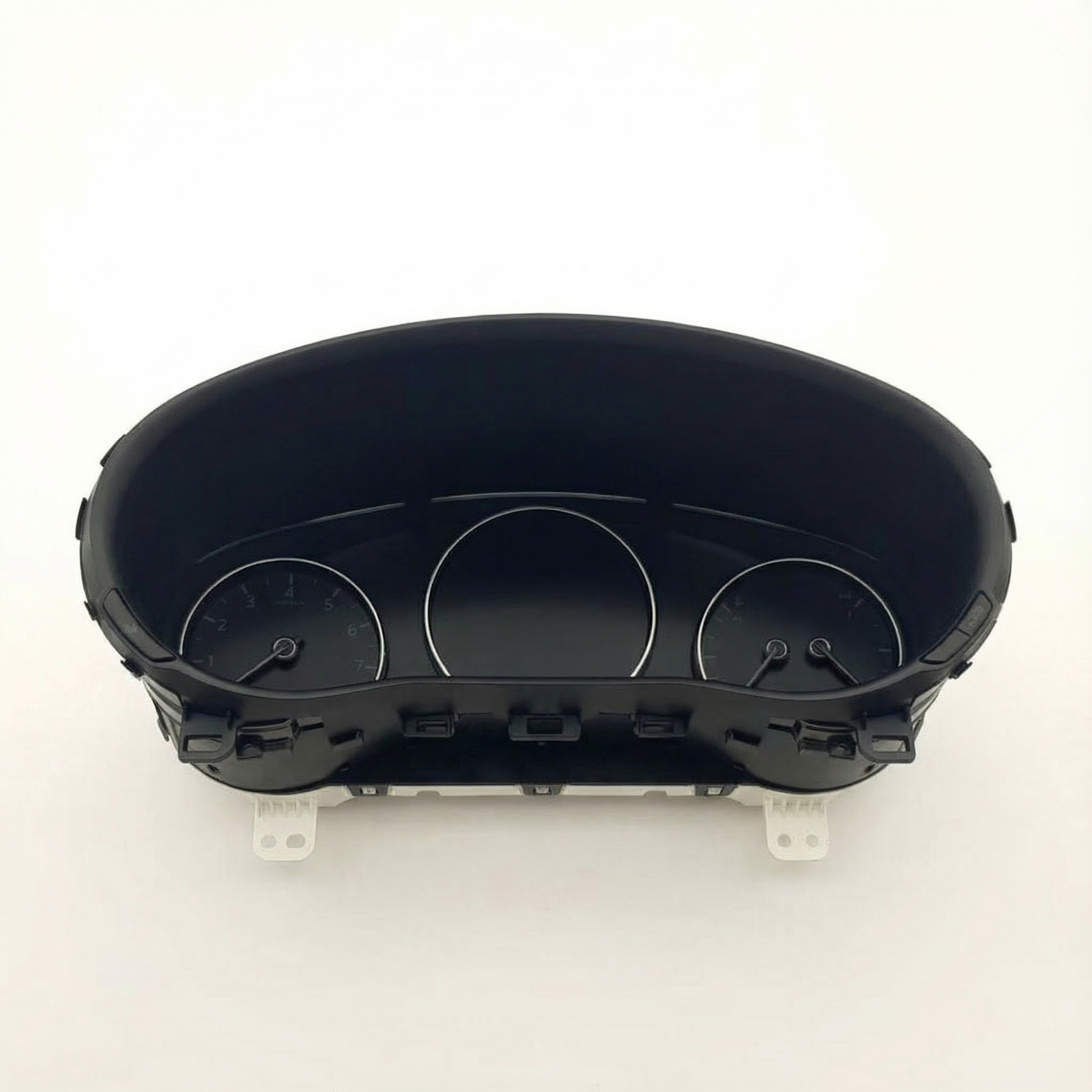
2020-2025 CX-30 & 2021-2023 Mazda 3 Instrument Cluster: Compatibility and Programming Guide
This guide covers common failures, critical compatibility differences between engine types, and the required dealer programming for the Mazda CX-30 and Mazda 3 instrument cluster.
- The single most critical factor is engine compatibility; clusters for Turbo and non-Turbo models are NOT interchangeable.
- Replacement clusters MUST be programmed to the vehicle by a Mazda dealer or specialist with MDARS software to sync the immobilizer and correct the odometer reading.
- A known TSB (09-018/20) addresses white lines appearing on the display of some 2020 CX-30 and Mazda 3 models.
- The plastic lens is notoriously soft and scratches very easily; handle with extreme care during cleaning or installation.
Critical Compatibility Warnings: Turbo vs. Non-Turbo

The most important factor when replacing the instrument cluster in a 2020-2025 Mazda CX-30 or 2021-2023 Mazda 3 is the engine type. These vehicles were offered with both naturally aspirated (non-turbo) and turbocharged 2.5L engines, and their instrument clusters are not interchangeable.
- Turbo models have a different tachometer redline and display information specific to the turbo system, such as a boost gauge.
- Non-turbo models are calibrated for a different engine operating range.
Warning: Installing a turbo cluster in a non-turbo vehicle (or vice-versa) will result in incorrect readings, persistent error messages, and potential functionality loss. Always verify the engine type of the donor vehicle and match the OEM part number from your original cluster before purchasing a replacement.
Symptoms of a Failing Instrument Cluster

A failing instrument cluster can present a variety of symptoms, ranging from minor annoyances to critical safety issues where the driver loses access to important information.
- Blank or Intermittent Display: The entire cluster or parts of the digital screen may fail to light up or flicker randomly.
- Inaccurate or Dead Gauges: The speedometer, tachometer, fuel, or temperature gauges may provide incorrect readings or stop working completely.
- Warning Lights Stay On or Flash: Multiple warning lights may illuminate for no reason, often due to internal communication failures.
- White Lines on the Screen: A known issue, particularly on earlier models, involves white lines appearing across the digital display due to poor contact in the LCD terminals.
- Loss of Communication (OBD-II Code U0155): A common trouble code associated with cluster failure is U0155 (Lost Communication with Instrument Panel Control Module). This indicates other modules in the car can no longer 'talk' to the cluster.
Known Issues, Recalls, and Technical Service Bulletins (TSBs)

Several documented issues affect the instrument clusters in these vehicles.
- TSB 09-018/20: This bulletin addresses an issue on 2019-2020 Mazda 3 and 2020 Mazda CX-30 models where white lines appear on the instrument cluster display. The cause is identified as poor contact with the internal LCD terminals, and the fix is to replace the cluster with a modified part.
- Easily Scratched Lens: Many owners report that the plastic lens covering the instrument cluster is extremely soft and prone to scratching, even when cleaned carefully with a microfiber cloth. TSB SA-050-23 was issued for this concern.
- NHTSA Recall 25V357000: Affecting certain 2024-2025 Mazda 3 and CX-30 vehicles, this recall addresses a software issue in the Sophisticated Air Bag Sensor (SAS) unit. If the vehicle's battery is fully depleted under specific conditions, the airbag warning light will illuminate on the instrument cluster upon restart, and the airbags will be deactivated. The remedy involves a software update or replacement of the SAS unit by a dealer.
Programming and Installation: A Dealer Visit is Required

Warning: You cannot simply swap a used instrument cluster into your Mazda CX-30 or Mazda 3. The new cluster must be professionally programmed to the vehicle.
The instrument cluster is a critical part of the vehicle's security and data network. It stores the vehicle's mileage (odometer) and is linked to the immobilizer system, which prevents the engine from starting without a recognized key.
- Immobilizer Link: If a non-programmed cluster is installed, the car will not start because the immobilizer system will not recognize the keys.
- Mileage Correction: The vehicle's true mileage is stored in multiple modules. A dealer must use the Mazda Diagnostic and Repair Software (MDARS) to transfer the correct mileage to the replacement cluster. Federal law regulates odometer accuracy, making this step essential.
- Vehicle Configuration: The cluster must be configured to the specific options and VIN of your vehicle to ensure all features and warning lights work correctly.
Pro Tip: While some advanced independent shops may have the necessary equipment, a Mazda dealership is the most reliable place to have a replacement instrument cluster programmed. Most general mechanics and locksmiths will not have access to the proprietary MDARS software required for these newer models.
Buying a Used Instrument Cluster: What to Look For
Purchasing a used OEM instrument cluster is a cost-effective way to replace a faulty unit. However, careful verification is key to getting the right part.
- Verify the Part Number: The most reliable method is to remove your original cluster and match the OEM part number on the back.
- Confirm the Engine Type: Double-check that the donor vehicle had the same engine (2.5L Turbo or 2.5L non-Turbo) as your car.
- Inspect for Physical Damage: Check the clear plastic lens for deep scratches or cracks. Ensure all mounting tabs and electrical connector ports on the back are intact and free of corrosion.
- Mileage on the Used Unit: The mileage displayed on the used cluster is not important, as it will be overwritten during the programming process at the dealership.
- Source from a Reputable Supplier: Buy from a recycled parts seller who can provide the VIN of the donor vehicle. This can help in verifying compatibility.
Replacement Cost Comparison
The cost of replacing an instrument cluster can vary significantly depending on the source of the part.
| Part Source | Estimated Cost |
|---|---|
| New OEM | $550 - $1,800 |
| Used OEM | $100 - $350 |
| Shop Labor (Installation & Programming) | $200 - $400 |
Frequently Asked Questions (FAQ)
Can I install a used instrument cluster myself to save money?
You can perform the physical installation, which typically involves removing some dashboard trim pieces and a few screws. However, the vehicle will not start or run correctly until the cluster is professionally programmed by a Mazda dealer or a specialist with MDARS software.
Will the mileage be wrong if I install a used cluster?
Yes. The used cluster will initially display the mileage from the donor vehicle. The correct mileage from your car must be programmed into the replacement cluster by a technician to be legally compliant and accurate.
Can an independent mechanic program the new cluster?
It is unlikely. Programming for these newer Mazda models requires the specific Mazda Diagnostic and Repair Software (MDARS), which most independent shops do not have. A Mazda dealership is the most reliable option.
What happens if I install a Turbo cluster in my non-Turbo car?
The cluster will not function correctly. The tachometer will be inaccurate, you may see persistent error lights related to systems your car doesn't have (like the turbo), and other gauges may not read correctly. The part must match your vehicle's specific engine and build configuration.
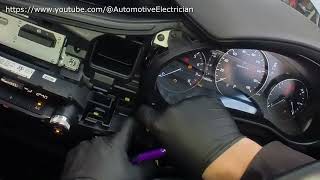
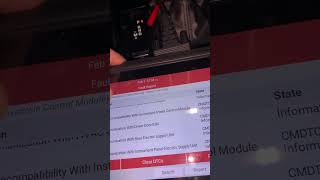
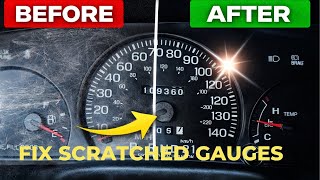
Helpful Videos



Technical Specifications
OEM Part Numbers: BFWM55430 BGCE55430 DAKM55430 DAKM55430A DAKM55430ABDGF DEKK55430 DNBH-55-430 DPTW-55-430 DPTW55430BHSA VPPJVF-10849
Varies by vehicle configuration (Turbo vs. Non-Turbo, trim level).
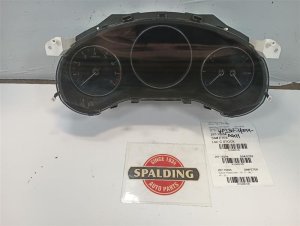
We Have This Part in Stock

The information in this article is provided for general reference and educational purposes only. Vehicle specifications, procedures, and part compatibility can vary by production date, trim level, and region. Always consult your vehicle's factory service manual and verify part numbers before purchasing or performing repairs. Safety-critical components such as airbags, seat belts, and braking systems should be installed by a qualified professional.
- Mazda CX-30:
- Mazda 3:
- 🎬 Helpful Videos
- 🛍️ Shop This Part
- Critical Compatibility Warnings: Turbo vs. Non-Turbo
- Symptoms of a Failing Instrument Cluster
- Known Issues, Recalls, and Technical Service Bulletins (TSBs)
- Programming and Installation: A Dealer Visit is Required
- Buying a Used Instrument Cluster: What to Look For
- Replacement Cost Comparison
- Frequently Asked Questions (FAQ)
- 🎟️ Get 5% Off