

2004-2006 Mazda 3 Instrument Cluster: Solving Mileage, Programming, and Flickering Lights
This in-depth guide explains the critical mileage programming, compatibility checks, and common failures for the first-generation Mazda 3 instrument cluster.
- A replacement cluster is NOT plug-and-play; mileage and anti-theft data are stored in the cluster and must be transferred ('cloned') from your original unit.
- Flickering dash lights are frequently caused by a bad glove box light bulb, not a failed cluster. Check this simple fix first.
- You must buy a used cluster with a part number that exactly matches your car's engine, transmission, and regional display (MPH vs. KPH).
- A direct swap will display the donor car's mileage, which is illegal to misrepresent, and may prevent the car from starting due to the immobilizer link.
Symptoms of a Failing Instrument Cluster


A faulty instrument cluster in a 2004-2006 Mazda 3 can manifest in several ways, from annoying to critical. Some symptoms can even be misleading, pointing to other issues.
Flickering or Dead Dashboard Lights
One of the most common and unusual problems with this vehicle is flickering or completely dead instrument panel illumination. Before assuming the cluster itself has failed, there is a critical and simple part to check first.
Pro Tip: A failing glove box light bulb is a known cause of flickering dash lights and a strange beeping sound from the dashboard area on these Mazda 3 models. The faulty bulb filament can create an electrical issue that affects the entire dash illumination circuit. Always inspect and, if necessary, replace the glove box bulb before condemning the instrument cluster.
Intermittent or Complete Power Failure
The entire cluster may randomly shut off and turn back on while driving, or it may die completely. This can be caused by cracked solder joints on the internal circuit board, a failing power supply component within the cluster, or a poor connection at the main wiring harness plugs.
Inaccurate or Dead Gauges
One or more gauges (speedometer, tachometer, fuel, temp) may behave erratically, get stuck in one position, or stop working entirely. This is often due to failing stepper motors that drive the individual needles.
Warning Lights On
An illuminated airbag light or check engine light could be due to a fault within the cluster, but it's important to rule out other causes first. For example, a known recall for a faulty airbag crash zone sensor on 2004 models will cause the airbag light to come on. Always have the vehicle's codes scanned with an OBD-II scanner to pinpoint the source of any warning light.
Common OBD-II Codes
While a failing cluster may not always set a code, here are some that point to a potential issue:
- B1342: Instrument cluster malfunction
- B2477: Configuration error
- U1900: CAN Communication Bus Fault — Receive Error
- U2510: Communication Error Between The Instrument Cluster and The PCM
Buying a Used 2004-2006 Mazda 3 Instrument Cluster

Buying a used instrument cluster for this generation of Mazda 3 is not a simple plug-and-play affair. Due to how the vehicle's data is stored, there are critical steps you must follow to ensure compatibility and proper function.
Mileage and Immobilizer Data is Stored in the Cluster
Warning: The vehicle's mileage (odometer reading) is stored directly inside the instrument cluster, not in the main engine computer (ECM). If you install a used cluster, your dashboard will display the mileage from the donor car, not your car. This can cause legal issues with vehicle registration and future sales. Furthermore, the anti-theft immobilizer data is also linked to the cluster. A mismatched cluster can prevent the car from starting.
"Cloning" is Required
To use a replacement cluster, you must have the data from your original (faulty) cluster transferred to the used replacement. This process is called "cloning." It involves a specialist service reading the memory chip from your original cluster and writing that data onto the replacement cluster's chip. This transfers your car's correct mileage and the immobilizer programming, making the replacement unit plug-and-play.
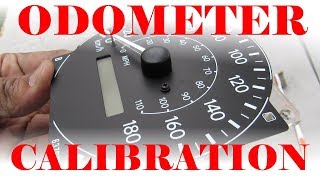
🎬 Learn how professional cloning and mileage correction works.You will need to send both your original cluster and the replacement cluster to a company that offers this service. This is the most reliable method and avoids a costly trip to the dealer.
Verifying Compatibility
It is absolutely essential to buy a replacement cluster with a part number that matches your vehicle's exact configuration. Check the white sticker on the back of your original cluster. Key differences include:
- Engine: 2.0L and 2.3L engines may use different clusters.
- Transmission: Manual and automatic transmission clusters are different (the gear indicator display).
- Speedometer Units: Clusters made for the US market display Miles Per Hour (MPH) as the primary scale. Clusters from Canada or other regions will display Kilometers Per Hour (KPH). Ensure you get the correct one for your region.
The part number BN8K55471 corresponds to a cluster for a 2.3L engine with a manual transmission, and it typically has a KPH speedometer. An example of an MPH part number for a similar configuration is BAP4-55-471A. Always match part numbers carefully.
Known Issues, Recalls, and Technical Service Bulletins (TSBs)
While there are no recalls for the instrument cluster itself, other recalls can cause symptoms that appear on the cluster.
- NHTSA Recall 21V-494: Affects 2004-2007 models. The plastic Mazda logo on the steering wheel airbag cover can shatter during deployment, creating projectiles. This does not directly affect cluster function.
- NHTSA Recall 04V-523 (Mazda Campaign 2304J): Affects certain 2004 Mazda 3 vehicles. A crack in the airbag crash zone sensor housing can let water in, causing a short circuit. This will illuminate the airbag warning light on the instrument cluster and can prevent the airbags from deploying. This could be misdiagnosed as a cluster fault when the issue is the sensor.
- TSB 09-009-19-3566: This bulletin outlines the federally-mandated procedure for replacing a speedometer to ensure odometer accuracy, underscoring the legal importance of having the correct mileage displayed after a swap.
Cost Breakdown
Prices can vary based on your location and the supplier. Here are typical cost ranges:
| Part or Service | Estimated Cost |
|---|---|
| New OEM Instrument Cluster | $300 - $600 |
| Used OEM Instrument Cluster | $50 - $200 |
| Remanufactured / Repair Service | $150 - $350 |
| Mileage Cloning Service | $80 - $150 |
| Shop Labor (Installation Only) | $100 - $200 |
Frequently Asked Questions (FAQ)
Can I just swap in a used cluster with lower miles?
No. It is illegal to misrepresent a vehicle's mileage. A used cluster will show the mileage of the car it came from. You must have your original mileage programmed onto the replacement cluster by a professional service.
Will the car start after I install a replacement cluster?
Maybe not. The instrument cluster is part of the car's anti-theft (immobilizer) system. If you install a non-cloned cluster, the car may not recognize your key and will not start. Cloning your original data to the replacement cluster prevents this problem.
Why are my dash lights flickering and the car is beeping?
Before suspecting a major electrical fault, check the small light bulb in the glove box. On 2004-2006 Mazda 3s, a faulty glove box bulb is a very common cause of flickering dash lights and a rhythmic beeping sound.
🎬 Watch this video to see the glove box bulb fix.Is replacing the instrument cluster a DIY job?
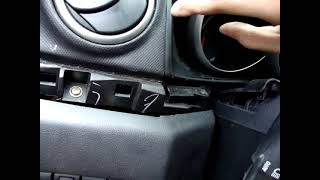
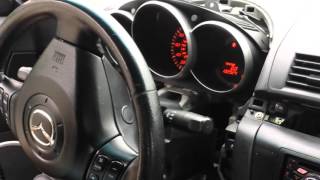
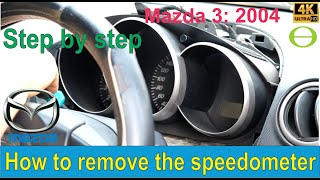
The physical removal and installation is relatively easy for a DIYer with basic tools. It involves removing some dash trim and three screws. 🎬 See a step-by-step walkthrough of the cluster removal process. However, the electronic programming (cloning) is not a DIY task and requires sending the clusters to a specialist.
Helpful Videos


Technical Specifications
OEM Part Numbers: BN8K55471 BAP4-55-471A
Stores vehicle mileage and immobilizer data internally. Connects via two main wiring harness plugs. Illumination is typically incandescent bulbs which can be replaced.
We Have This Part in Stock

The information in this article is provided for general reference and educational purposes only. Vehicle specifications, procedures, and part compatibility can vary by production date, trim level, and region. Always consult your vehicle's factory service manual and verify part numbers before purchasing or performing repairs. Safety-critical components such as airbags, seat belts, and braking systems should be installed by a qualified professional.
- Mazda Mazda 3:
- 🎬 Helpful Videos
- 🛍️ Shop This Part
- Symptoms of a Failing Instrument Cluster
- Flickering or Dead Dashboard Lights
- Intermittent or Complete Power Failure
- Inaccurate or Dead Gauges
- Warning Lights On
- Common OBD-II Codes
- Buying a Used 2004-2006 Mazda 3 Instrument Cluster
- Mileage and Immobilizer Data is Stored in the Cluster
- "Cloning" is Required
- Verifying Compatibility
- Known Issues, Recalls, and Technical Service Bulletins (TSBs)
- Cost Breakdown
- Frequently Asked Questions (FAQ)
- 🎟️ Get 5% Off