

2013-2020 Toyota Camry Instrument Cluster: A Guide to Compatibility, Failures, and Programming
This guide explains common failures, how to choose the correct used cluster, and why programming is almost always required for a replacement.
- Programming is mandatory for all replacement clusters, new or used, to correct the mileage and ensure compatibility.
- You must match the part number from your original cluster exactly. Compatibility depends on the model year, engine (gas vs. hybrid), and trim level.
- The physical replacement is an easy DIY job, but the electronic programming requires a dealer or a specialized shop with the proper tools.
- A used cluster will display the mileage of the donor car until it is reprogrammed; failing to correct this is illegal.
Symptoms of a Failing Instrument Cluster
While generally reliable, the instrument cluster in a 2013-2020 Toyota Camry can fail. Symptoms can range from a minor annoyance to a critical safety issue. A failing cluster might be caused by internal electronic faults, a bad vehicle speed sensor, or even a weak 12V battery causing widespread electrical issues.
- Complete or Intermittent Power Loss: The entire cluster may go dark, with no gauges, lights, or displays working. This can happen intermittently, sometimes resetting after the car is turned off and on.
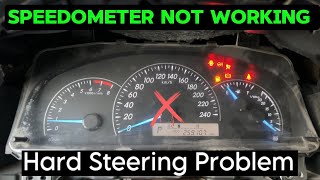
- Inaccurate or Stuck Gauges: The speedometer, tachometer, fuel, or temperature gauge may provide incorrect readings, get stuck in one position, or not move at all.
- Malfunctioning Digital Display: The central multi-information display (MID) might become pixelated, show a 'snowball' effect, go completely blank, or fail to save settings.
- Warning Lights On: A failure within the cluster can sometimes trigger various warning lights, such as the check engine light, even if there is no issue with the systems themselves.
- Rattling Noises: Some owners have reported rattling or shaking noises from within the cluster assembly, which may be caused by a loose internal component or bezel.
Generation and Model Differences (2013-2020)
The 2013-2020 model years span two distinct Camry generations, and their instrument clusters are not interchangeable. It is critical to buy a cluster from the correct generation and trim level.
2013-2017 Toyota Camry (XV50 Generation)
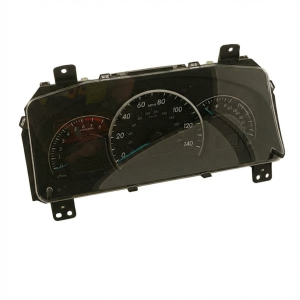
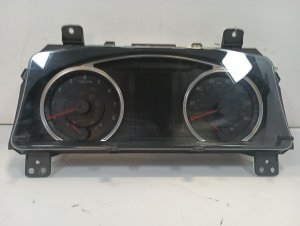
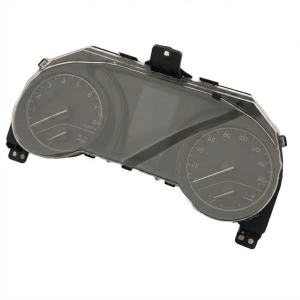
Clusters from this era typically feature two large analog gauges for the speedometer and tachometer, with a smaller digital display screen in the center for the odometer and trip information. Higher trims like the SE and XLE featured more advanced color displays compared to the basic dot-matrix screens in the L and LE models. Hybrid models have a unique gauge layout that replaces the tachometer with a Hybrid System Indicator.
2018-2020 Toyota Camry (XV70 Generation)
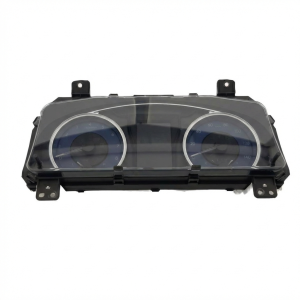
The newer generation introduced more sophisticated clusters with larger, more capable multi-information displays (MIDs). Base models (L, LE) have a 4.2-inch MID between analog gauges, while higher trims (XSE, XLE) feature a larger 7-inch full-color MID. As with the previous generation, gasoline and hybrid models have different cluster layouts and part numbers. Compatibility is also sometimes dependent on whether the vehicle was built in the US or Japan.
Warning: The mileage you see on a used instrument cluster is the mileage from the donor vehicle. It will NOT automatically update to your car's mileage. Installing a cluster with incorrect mileage and not having it professionally corrected is illegal in most jurisdictions.
Programming and Mileage Correction Requirements
This is the most important factor when replacing a Camry instrument cluster. A replacement cluster, whether new or used, will not work correctly without being electronically programmed to your specific vehicle.
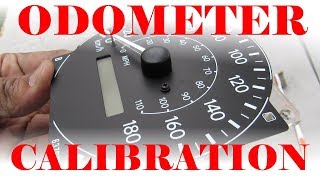
- Mileage Correction: The odometer reading is stored inside a memory chip within the instrument cluster itself. When you install a used cluster, it will display the mileage from the car it came from. You must have the mileage professionally adjusted to match your vehicle's actual mileage. This is a legal requirement. 🎬 See how a professional technician performs odometer mileage correction
- VIN Programming: Newer clusters are often tied to the vehicle's Vehicle Identification Number (VIN). The replacement cluster may need to be programmed to your car's VIN to ensure all features, particularly safety systems and immobilizer functions, work correctly.
- Who Can Program It?
- Toyota Dealerships: A dealer can program a new or, in some cases, a used cluster to your vehicle.
- Specialized Repair Shops: Many independent shops specialize in automotive electronics and have the tools to perform mileage correction and programming.
- Mail-In Services: You can ship your replacement cluster to a service that will adjust the mileage for a fee and mail it back to you. This is often the most cost-effective option if you are comfortable performing the physical installation yourself.
Buying a Used 2013-2020 Camry Instrument Cluster
Buying a used OEM cluster is a great way to save money, but careful verification is essential to avoid getting the wrong part.
- Match the Part Number EXACTLY: The surest way to guarantee compatibility is to remove your original cluster and find the manufacturer's part number on the sticker. Match this number exactly with the used part you intend to buy.
- Verify Engine and Drivetrain: Ensure the donor cluster came from a Camry with the same engine (e.g., 2.5L 4-Cylinder, 3.5L V6) and type (Gasoline vs. Hybrid).
- Match the Trim Level: A cluster from an XLE will have different features and displays than one from an LE. Match the trim level to ensure all functions work and it fits correctly.
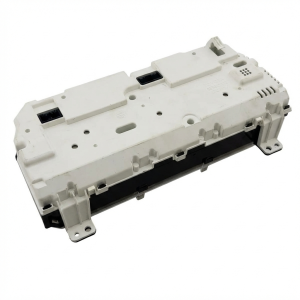
- Inspect the Lens and Housing: Check for deep scratches on the clear plastic lens, broken mounting tabs, and any signs of water damage or corrosion on the rear circuit board. The lens can be removed for cleaning or polishing, but a heavily damaged one is difficult to repair.
- Ignore the Mileage: Since the mileage on the used cluster will need to be reprogrammed anyway, the reading on the donor part is irrelevant to your purchase decision.
Cost to Replace a Toyota Camry Instrument Cluster
The total cost includes the part itself, labor for the physical swap, and the separate cost for electronic programming.
| Item | Estimated Cost | Notes |
|---|---|---|
| New OEM Cluster | $350 - $900+ | Price varies widely by part number and model year. |
| Used OEM Cluster | $75 - $250 | Commonly found on eBay and at auto recyclers. |
| Remanufactured / Repair Service | $150 - $400 | This can involve repairing your original unit or buying a pre-repaired one. |
| Shop Labor (Installation) | $80 - $165 | For the physical removal and replacement only. | 🎬 Watch: Step-by-step guide to removing your Camry's instrument cluster
| Programming / Mileage Correction | $100 - $250 | A separate but required cost from a dealer or specialist. |
Frequently Asked Questions
Will my car start if I install a replacement cluster without programming it?
The car will likely start and run, but you may have multiple warning lights illuminated, and features tied to the cluster (like the speedometer and certain safety system indicators) will not function. In some cases, it could trigger the anti-theft immobilizer.
Will the mileage be correct after I install a used cluster?
No. The cluster will display the mileage from the vehicle it was removed from. You must have it professionally reprogrammed to show your vehicle's correct mileage to be legal and accurate.
Can I upgrade to a cluster from a higher trim level (e.g., from an LE to an XSE)?
This is generally not recommended. While it might physically fit, the wiring and software are different. Features may not work, and it can cause communication errors with other modules in the car. It is safest to stick with the exact part number for your vehicle's trim.
Why are all my dashboard lights flickering or going crazy?
Before assuming the instrument cluster is bad, check your 12-volt battery. A weak or failing battery is a common cause of strange electrical behavior in modern cars, including flickering dash lights and random warning messages.
Can I just replace a blown fuse to fix my dead cluster?
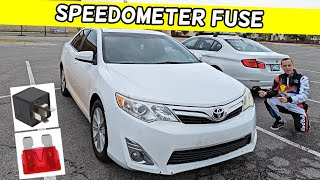
It's possible. Always check the fuses first. For the 2015-2017 Camry, for example, fuses #1, #22, and #37 in the under-hood fuse box are related to the instrument cluster. 🎬 Watch: How to find and check your speedometer fuses If a new fuse blows immediately, there is a short circuit in the wiring or the cluster itself.
Helpful Videos
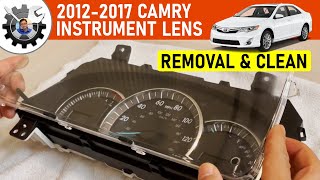
Technical Specifications
OEM Part Numbers: 83800-0X620-RP 83800-0X640 83800-0X730 83800-0X790 83800-0X800 83800-0X820 83800-0XD20 83800-0XD21 83800-0XJ80-00 83800-0XK00 83800-0XK01 83800-33Q10 838000X620 838000X62000 838000X640 83800-0X650 83800-0XD00
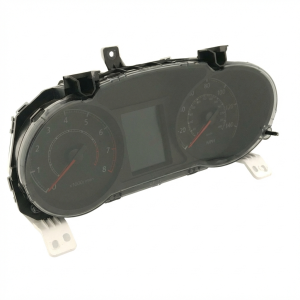
Display type varies from analog with dot-matrix digital display to analog with 4.2-inch or 7-inch color TFT multi-information displays. Units are specific to MPH (US Market) or KPH. Some are specific to Japan-built vehicles.
We Have This Part in Stock

The information in this article is provided for general reference and educational purposes only. Vehicle specifications, procedures, and part compatibility can vary by production date, trim level, and region. Always consult your vehicle's factory service manual and verify part numbers before purchasing or performing repairs. Safety-critical components such as airbags, seat belts, and braking systems should be installed by a qualified professional.
- Toyota Camry:
- 🎬 Helpful Videos
- 🛍️ Shop This Part
- Symptoms of a Failing Instrument Cluster
- Generation and Model Differences (2013-2020)
- 2013-2017 Toyota Camry (XV50 Generation)
- 2018-2020 Toyota Camry (XV70 Generation)
- Programming and Mileage Correction Requirements
- Buying a Used 2013-2020 Camry Instrument Cluster
- Cost to Replace a Toyota Camry Instrument Cluster
- Frequently Asked Questions
- 🎟️ Get 5% Off