

2021-2025 Toyota Prius Instrument Cluster: A Guide to Programming, Compatibility, and Replacement
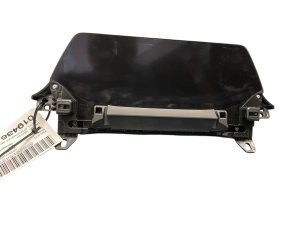
This guide covers the essential details for replacing the digital instrument cluster in the 2021-2025 Toyota Prius, focusing on mandatory programming and critical compatibility issues.
- Programming is mandatory. A replacement cluster must be programmed to the vehicle by a dealer or qualified shop to set the correct mileage and ensure functionality.
- Part number must be an exact match. Compatibility depends on drivetrain (FWD/AWD), hybrid system (Standard/Prime), and trim level (LE/XLE/Limited).
- A blank screen is a critical safety failure, as it results in the loss of the speedometer and all warning indicators.
- While the physical swap is DIY-friendly, the final programming step requires specialized professional tools.
Symptoms of a Failing Instrument Cluster


While widespread failures on these newer models are not yet common, issues can still arise. Symptoms often point to internal electronic faults or communication errors with other vehicle modules. Be aware of the following signs:
- Complete Blackout: The entire screen fails to turn on, leaving you without a speedometer, fuel gauge, or any warning lights.
- Intermittent Operation: The cluster may work correctly sometimes but then randomly shut off and turn back on. This can sometimes be triggered by hitting a bump.
- Inaccurate or Erratic Readings: The speedometer, tachometer, or other gauges may show incorrect values or behave erratically.
- Warning Lights On: A failure within the cluster can trigger various warning lights, even if the systems they monitor are functioning correctly.
- Associated OBD-II Codes: A common trouble code associated with a loss of communication to the cluster is U0155 (Lost Communication with Instrument Panel Control Module). This code indicates that other modules on the vehicle can no longer receive a signal from the instrument cluster.
Known Issues, TSBs, and Recalls
As of early 2026, there are no specific recalls or Technical Service Bulletins (TSBs) that exclusively target the instrument cluster for the 2021-2025 Toyota Prius. However, Toyota has issued recalls for other models with similar digital displays that may go blank. For example, recall numbers 25TB08 and 25TA08 were issued for a wide range of 2023-2025 Toyota and Lexus vehicles due to an error in the instrument panel software that could cause the display to go blank at startup. While the Prius was not explicitly named in these specific recalls, it highlights a potential issue with the technology. Always check the NHTSA website with your vehicle's VIN for the most up-to-date recall information.
Warning: A blank instrument cluster is a serious safety issue. You will not be able to see your speed, warning lights, or fuel level, which can increase the risk of a crash or leave you stranded.
Programming and Calibration Requirements

This is the most critical aspect of replacing the instrument cluster in a 2021-2025 Toyota Prius. You cannot simply swap a used cluster and expect it to work correctly.
- Mandatory Programming: A replacement instrument cluster, whether new or used, MUST be programmed to the vehicle. This process syncs the cluster with the vehicle's other electronic modules and, most importantly, programs the correct mileage.
- Odometer and VIN Matching: The vehicle's mileage (odometer reading) is stored in the cluster. To comply with federal law and ensure proper function, the replacement cluster must be programmed with the vehicle's actual mileage. This process is often referred to as a "VIN relearn" and typically requires specialized dealer-level equipment.
- Who Can Program It?: This is not a DIY task. The programming requires Toyota's proprietary software, often called Techstream. While some highly-equipped independent shops or automotive locksmiths may have this capability, a Toyota dealership is the most reliable option for ensuring the programming is done correctly.
Variant and Compatibility Differences

Ordering the correct part number is essential. The instrument cluster for the 2021-2025 Prius varies based on several factors. Using the wrong part can result in incompatibility and features that do not work.
- Drivetrain: Clusters are specific to Front-Wheel Drive (FWD) or All-Wheel Drive (AWD) models.
- Hybrid System: Standard hybrid models use a different cluster than the Prius Prime (PHEV) models.
- Trim Level: There are differences between the base LE trim and the higher XLE and Limited trims.
- Display Units: The cluster must match your vehicle's display units (MPH for the US market).
Pro Tip: Before purchasing a replacement, always locate the part number on your original instrument cluster and match it exactly. Do not rely on visual comparisons alone.
Buying a Used Instrument Cluster
A used OEM instrument cluster can be a cost-effective alternative to a new part, but careful purchasing is key.
- Verify the Part Number: This is the most important step. The part number must be an exact match to your original cluster. Do not buy a part if the seller cannot confirm the number.
- Inspect for Physical Damage: Check for deep scratches on the screen, broken mounting tabs, and damage to the electrical connectors. Avoid any units with signs of water intrusion or corrosion.
- Mileage on the Used Unit is Irrelevant: The mileage displayed on the donor vehicle does not matter, as the used cluster will need to be reprogrammed to reflect your vehicle's correct mileage during installation.
- Source and Warranty: Purchase from a reputable seller that offers a warranty. This protects you in case the unit is dead on arrival or has undiscovered electronic faults.
- Why Used OEM is a Good Choice: For a complex electronic module like this, a used OEM part ensures perfect fitment, compatibility with the vehicle's software, and original factory quality, which is often superior to aftermarket alternatives that may not even exist for such a new model.
Cost Comparison
The cost of replacing a Prius instrument cluster can vary significantly depending on the source of the part and labor rates.
| Part Type | Estimated Cost |
|---|---|
| New OEM | $1,050 - $1,650 |
| Used OEM | $200 - $500 |
| Remanufactured | Not commonly available for this model year yet. |
| Shop Labor (Installation & Programming) | $200 - $400 |
Frequently Asked Questions (FAQ)
Do I have to get the new instrument cluster programmed by a dealer?
While some advanced independent shops may have the necessary tools, a Toyota dealership is the most reliable choice. The cluster requires programming with Toyota-specific software (Techstream) to set the correct mileage and ensure it communicates properly with the rest of the car's systems.
If I install a used cluster, will my car show the wrong mileage?
Temporarily, yes. However, the replacement cluster MUST be professionally reprogrammed to show your vehicle's actual mileage. Driving with an incorrect odometer reading can cause legal issues, especially when selling the vehicle. The programming procedure corrects this.
Can I replace the instrument cluster myself and then drive it to the dealer?
Physically replacing the cluster is relatively straightforward for a DIY mechanic. It typically involves removing some dash trim panels 🎬 Watch: Step-by-step guide to removing the Prius instrument cluster. and a few screws. You can likely drive the vehicle to a dealer for programming, but be aware that you may not have a working speedometer or other critical information during that drive, which could be unsafe and potentially illegal.
Is a blank screen the only sign of a bad instrument cluster?
No. Other symptoms can include gauges that give incorrect readings, intermittent flickering or power loss, or warning lights that stay on when they shouldn't. Any of these issues could point to an internal failure of the cluster.
Helpful Videos


Technical Specifications
OEM Part Numbers: 83800-4E070 83800-4E472 83800-4E473 83800-4E474 83800-4E561 83800-4E684 838004E070 838004E271 838004E472 838004E482 838004E483 838004E484
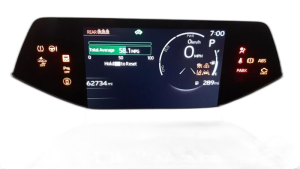
Fully digital LCD display. Integrates with vehicle CAN bus system. Displays speed in MPH (for US market).
We Have This Part in Stock
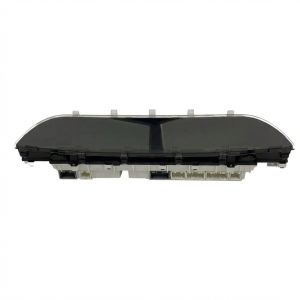
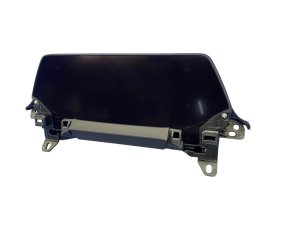
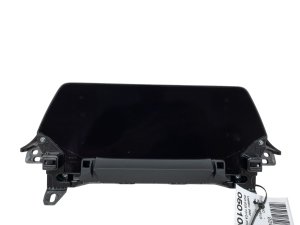

The information in this article is provided for general reference and educational purposes only. Vehicle specifications, procedures, and part compatibility can vary by production date, trim level, and region. Always consult your vehicle's factory service manual and verify part numbers before purchasing or performing repairs. Safety-critical components such as airbags, seat belts, and braking systems should be installed by a qualified professional.
- Toyota Prius: