

Audi 2.0T Intercooler Leaks & Failure Guide: A4, A5, A6, Q5 & Allroad (2008-2017)
Diagnosing power loss and the P0299 underboost code on Audi's B8 and C7 platforms often points to a leaking intercooler.
- A leaking intercooler is a primary cause of power loss and the P0299 'Underboost' code on these Audi 2.0T models.
- The most common failure points are cracks in the plastic end tanks or damage from road debris.
- Diagnosis is crucial; a P0299 code can also be caused by a bad diverter valve or turbo wastegate issue, not just the intercooler.
- For 2017 Q5 models, you must verify the VIN's 7th and 8th digits are 'FP' to ensure you have the correct first-generation part.
Symptoms of a Failing Intercooler
A leaking or failing intercooler creates a "boost leak," where the pressurized air from the turbo escapes before reaching the engine. This leads to several noticeable symptoms.
- Loss of Power: The car will feel sluggish and slow to accelerate. This is the most common symptom, as the engine isn't receiving the full amount of air it expects.
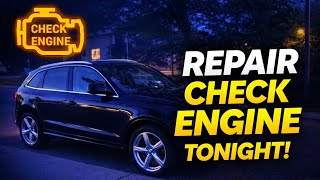
- Check Engine Light: A significant boost leak will trigger a Check Engine Light. The most common trouble code is P0299 - Turbocharger/Supercharger Underboost Condition. This code means the engine's computer (ECU) detects that the actual boost pressure is much lower than the requested boost pressure. 🎬 Watch: Diagnosing the P0299 underboost code on an Audi.
- Hissing or Whistling Noises: You may hear a distinct hissing or whistling sound from the front of the engine bay, especially during acceleration when the turbo is creating boost. This is the sound of pressurized air escaping from a crack or hole in the intercooler or its connecting hoses.
- Poor Fuel Economy: When the engine isn't running efficiently due to a boost leak, it may consume more fuel to achieve the same level of performance.
- Visible Damage: The intercooler is located at the front of the vehicle, behind the grille. It is susceptible to damage from rocks and road debris, which can cause punctures and leaks.
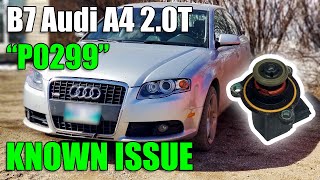
P0299 Doesn't Always Mean a Bad Intercooler: While a leaking intercooler is a common cause for a P0299 code, it's not the only one. Other potential causes include a failed diverter valve, a loose hose clamp, or a problem with the turbocharger's wastegate. A proper diagnosis is key 🎬 See how a faulty recirculation valve can cause similar symptoms. before replacing parts.
Diagnosing an Intercooler Leak
Finding an intercooler leak can be straightforward. Here are the common methods, from simplest to most definitive.
- Visual Inspection: Remove the front engine cover and inspect the intercooler and its connecting hoses. Look for obvious cracks, especially on the plastic end tanks, or signs of impact from road debris. Oily residue around a connection point can also indicate a small leak, as oil vapor from the PCV system will collect at the site of the escaping air.
- Soapy Water Test: With the engine running, have a helper gently rev the engine while you spray the intercooler and its connections with a soapy water solution. If there is a leak, you will see bubbles forming where the air is escaping.
- Boost Leak / Smoke Test: The most reliable method is to pressurize the system. A mechanic will use a special tool that seals off the intake system and fills it with low-pressure air (around 15-20 PSI). They can then listen for hissing sounds or use a smoke machine, which fills the system with visible vapor, making even the smallest leaks easy to spot as smoke exits the crack or hole.
Buying a Used Intercooler: What to Check
A used OEM intercooler is an excellent, cost-effective alternative to an expensive new part, especially since the original design is generally reliable. When buying a used unit, perform a careful inspection.
- Inspect the End Tanks: The most common failure point is where the plastic end tanks are crimped onto the aluminum core. Carefully check this entire seam for any hairline cracks in the plastic. Stress and heat cycles can cause the plastic to become brittle and fail.
- Check for Oil Inside: A light coating of oil residue inside the intercooler is normal. This comes from the engine's crankcase ventilation (PCV) system. However, if the intercooler has a large amount of pooled oil inside, be cautious. This could be a sign that the turbocharger's oil seals are failing, which is a much more serious and expensive repair.
- Examine the Cooling Fins: Look at the front of the intercooler. A few bent fins from small pebbles are normal and won't affect performance. However, avoid any unit with large areas of crushed or damaged fins, as this can restrict airflow and reduce cooling efficiency. Also, check for any signs of previous repairs or epoxy, which indicate a past leak.
- Verify Part Numbers: Ensure the part number matches your vehicle's requirements. The primary OEM part numbers are 8K0145805G and its updated replacement, 8K0145805P.
Known Issues, TSBs, and Recalls
There are no widespread recalls or Technical Service Bulletins (TSBs) specifically for intercooler failure on these models. However, it's important to note that TSB 2031245 exists for some 2009-2012 models with the CAEB engine code that experience a P0299 underboost fault. This TSB points to a potential issue with excessive play in the turbocharger's wastegate, not the intercooler itself. This reinforces the need for accurate diagnosis before assuming the intercooler is the culprit.
Installation Guide and Difficulty
Replacing the intercooler is a moderately difficult job that a skilled DIY mechanic can perform. The main challenge is removing the front bumper cover to gain access.
- Difficulty Rating: 3 out of 5
- Estimated Time: 2-4 hours
- Tools Required: Torx bit set (T25, T30), socket set, screwdrivers, wheel removal tools.
General Replacement Steps:
- Remove Front Bumper: This is the most involved step. It requires removing screws in the front wheel wells, the plastic belly pan underneath, and several screws along the top edge under the hood. Once all fasteners are removed, carefully unplug any fog light or sensor connectors before pulling the bumper cover away 🎬 Watch: Step-by-step guide to removing the bumper and intercooler. from the car.
- Access the Intercooler: With the bumper removed, the intercooler is fully accessible at the front of the car, typically mounted in front of the radiator.
- Remove Old Intercooler: Disconnect the large air hoses from the inlet and outlet. Then, unbolt the mounting screws (usually T30 Torx) that hold the intercooler to its support bracket. The old unit can then be removed.
- Install New Intercooler: Installation is the reverse of removal. It's a good practice to replace the O-rings or seals on the intercooler hoses to ensure a leak-free connection. Bolt the new intercooler in place, reconnect the hoses, and carefully reinstall the front bumper cover.
Pro Tip: While the bumper is off is a great time to inspect other components in the area, such as the A/C condenser and radiator, for damage or leaks.
Cost of Replacement
The cost to replace the intercooler can vary significantly depending on the type of part used.
| Part Type | Estimated Cost |
|---|---|
| New OEM | $300 - $540 |
| New Aftermarket | $80 - $300 |
| Used OEM | $100 - $150 |
| Shop Labor | $320 - $470 |
Vehicle Compatibility & Part Numbers
This intercooler is shared across several Audi models built on the B8/B8.5 and C7 platforms, primarily those equipped with the 2.0T TFSI engine. Always verify fitment for your specific vehicle before purchasing.
- 2012-2015 Audi A6 (2.0T)
- 2009-2016 Audi A4 (2.0T)
- 2009-2017 Audi Q5 (2.0T)
- 2008-2017 Audi A5 (2.0T)
- 2013-2016 Audi Allroad (2.0T)
Known OEM Part Numbers:
- 8K0145805P (latest version)
- 8K0145805G (replaces by 'P')
Compatibility Warnings:
- For the 2009 Audi A4, this part primarily fits models with the CAEB engine code.
- For the 2017 Audi Q5, this part only fits the first generation. You can confirm this by checking your VIN; the 7th and 8th digits should be 'FP'. The second-generation Q5, which also began in 2017, uses a different part.
Frequently Asked Questions (FAQ)
Can I drive my Audi with a leaking intercooler?
Yes, but it is not recommended for an extended period. You will experience reduced power and poor fuel economy. More importantly, the engine is not operating as designed, which could potentially lead to other issues over time. It is best to get it repaired soon.
Will a bigger aftermarket intercooler give me more power?
On a stock vehicle, a larger intercooler by itself will not add significant power. Its main benefit is preventing power loss from heat, especially with performance modifications like an ECU tune. If your engine is tuned to produce more boost, an upgraded intercooler is highly recommended to keep intake air temperatures down and maintain consistent performance.
Is it hard to remove the front bumper on these Audis?
It is more time-consuming than difficult. It involves removing many screws from different locations (under the hood, under the car, and in the wheel wells). However, it does not require specialized tools, and many DIY guides are available online. The key is to be patient and keep track of all the fasteners.
My car has a P0299 code. Is the intercooler definitely bad?
Not necessarily. A P0299 code indicates an underboost condition, which can be caused by any leak in the charge air system. While the intercooler is a common culprit, the leak could also be from a simple loose clamp, a cracked hose, a faulty diverter valve, or even an issue with the turbo's wastegate. A proper diagnosis is essential to avoid replacing the wrong part.
Helpful Videos
Technical Specifications
OEM Part Numbers: 8K0145805P 8K0145805G
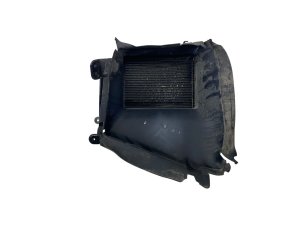
Core construction: Aluminum with plastic end tanks. Location: Front-mounted, in front of the radiator and A/C condenser.
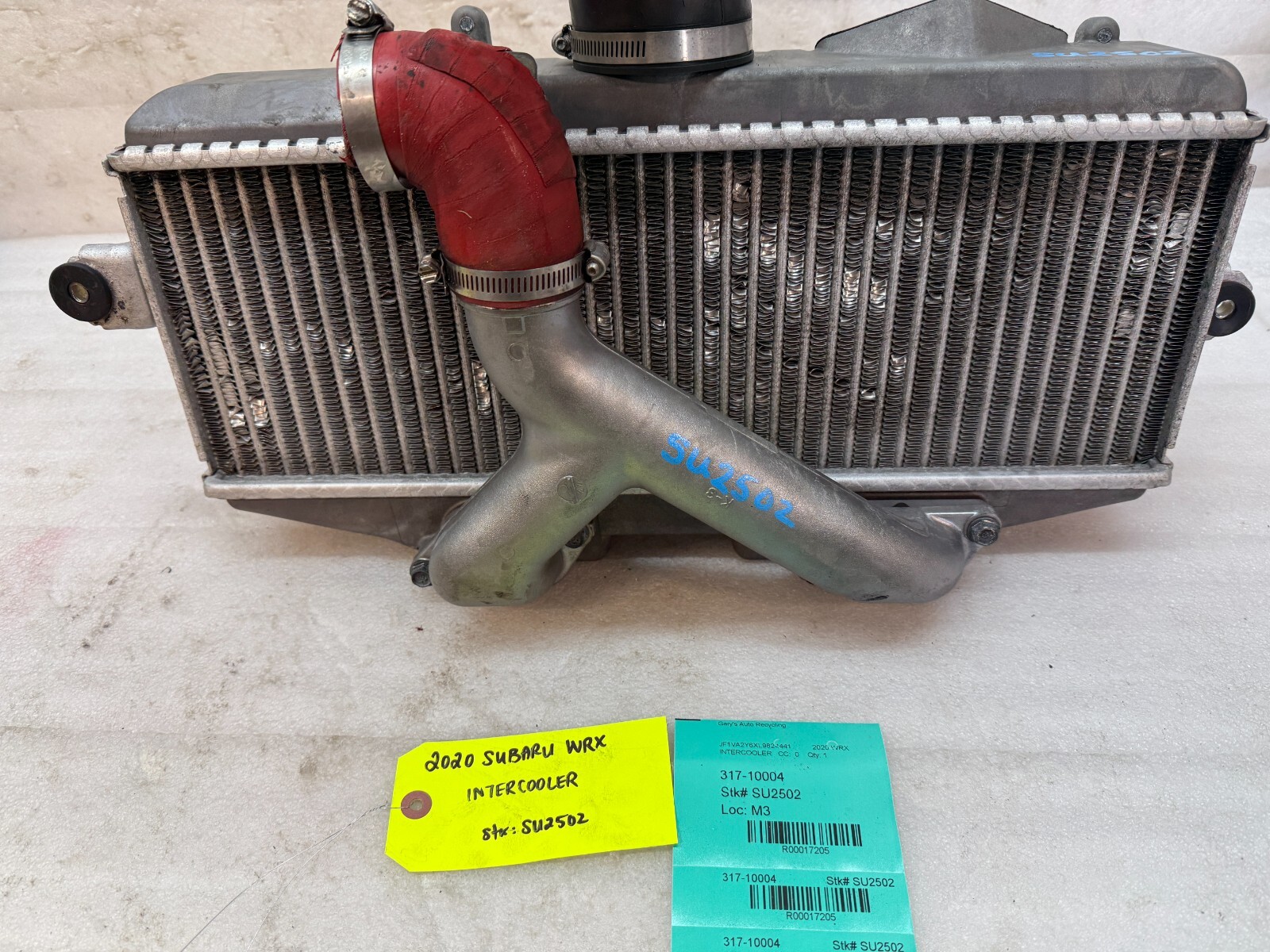
We Have This Part in Stock

The information in this article is provided for general reference and educational purposes only. Vehicle specifications, procedures, and part compatibility can vary by production date, trim level, and region. Always consult your vehicle's factory service manual and verify part numbers before purchasing or performing repairs. Safety-critical components such as airbags, seat belts, and braking systems should be installed by a qualified professional.
- Audi A6:
- Audi A4:
- Audi Q5:
- Audi A5:
- Audi Allroad:
- 🎬 Helpful Videos
- 🛍️ Shop This Part
- Symptoms of a Failing Intercooler
- Diagnosing an Intercooler Leak
- Buying a Used Intercooler: What to Check
- Known Issues, TSBs, and Recalls
- Installation Guide and Difficulty
- Cost of Replacement
- Vehicle Compatibility & Part Numbers
- Frequently Asked Questions (FAQ)
- 🎟️ Get 5% Off