

2017-2024 Audi RS3 Intercooler: Diagnosing Boost Leaks and ACC Compatibility
This guide covers the common failure symptoms, replacement costs, and critical compatibility checks for the intercooler on the 2.5L turbocharged engine.
- The most common failure symptom is a loss of power combined with a P0299 'Underboost' code.
- Compatibility with Adaptive Cruise Control (ACC) is the single most important check; verify your vehicle's options before buying.
- When buying used, physically inspect for cracks in the plastic end tanks and pressure test the unit to confirm it has no leaks.
- Replacement is a significant job, requiring removal of the front bumper and crash bar, taking 3-5 hours.
Symptoms of a Failing Intercooler
A problem with the intercooler on an Audi RS3 will almost always result in a noticeable loss of performance. Because the part's job is to manage the pressurized air from the turbo, any leaks or blockages will directly impact engine output.
Loss of Power and Boost
The most common symptom is a significant reduction in engine power, especially during acceleration. The car may feel sluggish or hesitant, and you won't feel the strong pull you expect from the turbo. This is often accompanied by a "Drive System Malfunction" message on the dashboard and the car entering a reduced-power "limp mode".
Check Engine Light with Code P0299
A failing intercooler will frequently trigger a Check Engine Light. The most common diagnostic trouble code (DTC) associated with this issue is P0299 - Turbocharger/Supercharger Underboost Condition. This code means the engine's computer has detected that the turbo is not producing the expected amount of boost pressure, often due to a leak in the system between the turbo and the engine—a system that includes the intercooler and its connections.
🎬 Learn more about diagnosing the P0299 underboost fault code.Audible Hissing or Whistling Noises
A crack or leak in the intercooler or its connecting hoses will allow pressurized air to escape. This often creates a distinct hissing or whistling sound that is most noticeable when the engine is under load (i.e., during acceleration). The sound will rise and fall with the engine's RPM and boost level.
Known Issues and Recalls
As of early 2026, there are no specific recalls or Technical Service Bulletins (TSBs) issued by Audi or the NHTSA for intercooler failure on the 2017-2024 RS3. The primary issue buyers must be aware of relates to vehicle options.
Warning: A critical compatibility issue exists for vehicles equipped with Adaptive Cruise Control (ACC). The ACC radar sensor is mounted on the front crash bar, directly in the area of the intercooler. While the OEM intercooler part itself is the same, some aftermarket units require special brackets or modifications to fit with the ACC sensor. When purchasing a used OEM intercooler, ensure all mounting points are intact and undamaged, as they are crucial for proper fitment with the surrounding components.
Buying a Used Intercooler: What to Check
A used OEM intercooler can be a great value, but a thorough inspection is essential to avoid buying a part that is already failing.
- Inspect for Physical Damage: Carefully check the entire intercooler for cracks, especially on the plastic end tanks where they are crimped to the aluminum core. Look for any signs of impact damage, such as crushed or heavily bent cooling fins. While a few bent fins are cosmetic, large areas of damage can restrict airflow and reduce efficiency.
- Check for Oil Residue: Look inside the inlet and outlet ports. A very light film of oil is normal due to the engine's crankcase ventilation system. However, if you find pools of oil or heavy, thick sludge, it could be a sign that the donor vehicle had a failed turbocharger. This excessive oil can clog the intercooler and is difficult to clean out completely.
- Verify End Tank Integrity: The plastic end tanks are the most common failure point. Look for hairline cracks, especially around the hose connections and the seams where the plastic meets the metal core.
- Pressure Test the Unit: The only way to be certain a used intercooler is good is to pressure test it. A repair shop can do this, or you can create a simple tester with rubber plumbing caps, hose clamps, and a valve stem attached to one of the caps. The unit should be able to hold a pressure of 15-20 PSI for several minutes without any drop. 🎬 See how to properly pressure test your intercooler system.
Replacement Information
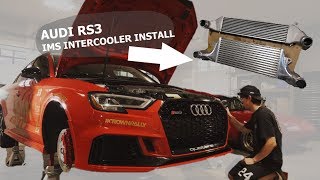
Replacing the intercooler on an RS3 is a moderately difficult job that requires disassembly of the front of the vehicle. The process involves removing the front wheels, wheel arch liners, the entire front bumper cover, and the front crash bar to access the intercooler. While it is feasible for an experienced DIY mechanic, the number of steps and potential for breaking plastic clips makes it a time-consuming task.
| Category | Details |
|---|---|
| Difficulty Rating | 4 out of 5 |
| Estimated Time | 3-5 hours |
| DIY Feasible? | Yes, for experienced individuals with the right tools. |
| Estimated Shop Labor Cost | $450 - $900 |
Cost Comparison
Prices can vary based on supplier and condition. The following is an estimate of what you can expect to pay for the part and labor.
| Part Type | Estimated Cost | Notes |
|---|---|---|
| New OEM | $1300 - $1900 | Purchased from an Audi dealership. |
| New Aftermarket | $650 - $1200+ | Prices vary widely by brand and performance claims. |
| Used OEM | $250 - $500 | Purchased from a salvage yard or online marketplace. |
| Shop Labor | $450 - $900 | Based on 3-5 hours at a typical independent shop rate. |
Frequently Asked Questions (FAQ)
Do I need to upgrade my intercooler if I tune my RS3?
It is highly recommended. The stock intercooler is adequate for stock power levels, but can quickly become overwhelmed (an issue called "heat soak") with the increased boost from a Stage 1 or Stage 2 tune. An upgraded intercooler will provide more consistent power and is a foundational part of performance tuning for this platform.
How do I know if my car has Adaptive Cruise Control (ACC)?
The easiest way to tell is by looking at the cruise control stalk on the left side of the steering column. A car with ACC will have a switch on the end of the stalk to adjust the following distance, marked with car icons and distance lines. You can also see the radar sensor, which looks like a black square box, in the lower part of the front grille on one side.
Can a small intercooler leak be repaired?
Generally, no. The plastic end tanks are not designed to be repaired, and welding a cracked aluminum core is often more expensive and less reliable than replacement. Given the critical role of the intercooler, replacement with a new or verified-good used unit is the only recommended solution.
What is the difference between a bar-and-plate and a tube-and-fin intercooler?
The OEM intercooler is typically a tube-and-fin design. Most high-performance aftermarket intercoolers for the RS3 are a bar-and-plate design. Bar-and-plate cores are generally more durable and can be more efficient at heat transfer, though they are often heavier. For a tuned RS3, a quality bar-and-plate intercooler is a common and effective upgrade.
Helpful Videos
Technical Specifications
OEM Part Numbers: 8V0145803 8V0145803A 8V0145803B
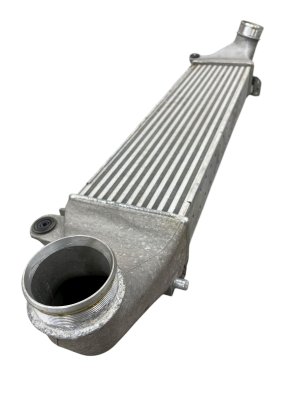
Air-to-air heat exchanger with plastic end tanks and an aluminum core. Mounts to the front of the vehicle behind the crash bar.
We Have This Part in Stock

The information in this article is provided for general reference and educational purposes only. Vehicle specifications, procedures, and part compatibility can vary by production date, trim level, and region. Always consult your vehicle's factory service manual and verify part numbers before purchasing or performing repairs. Safety-critical components such as airbags, seat belts, and braking systems should be installed by a qualified professional.
- Audi RS3:
- 🎬 Helpful Videos
- 🛍️ Shop This Part
- Symptoms of a Failing Intercooler
- Loss of Power and Boost
- Check Engine Light with Code P0299
- Audible Hissing or Whistling Noises
- Known Issues and Recalls
- Buying a Used Intercooler: What to Check
- Replacement Information
- Cost Comparison
- Frequently Asked Questions (FAQ)
- 🎟️ Get 5% Off