

2011-2013 Regal & 2010-2011 Saab 9-5 Intercooler: Diagnosing P0299 Boost Leaks and Power Loss
This guide covers the common failure symptoms, testing procedures, and what to look for when buying a used intercooler for your 2.0L turbocharged Buick Regal or Saab 9-5.
- The most common failure is a crack in the plastic end tanks, causing a boost leak.
- A failing intercooler will typically cause a loss of power and trigger a P0299 Check Engine Light code.
- Replacement requires removing the entire front bumper cover, making it a moderately difficult DIY job.
- When buying a used part, it is essential to inspect it for cracks and perform a leak test before installation.
Symptoms of a Failing Intercooler
A problem with the intercooler on your 2011-2013 Buick Regal or 2010-2011 Saab 9-5 will almost always result in a loss of boost pressure. This leads to several noticeable symptoms.
- Loss of Engine Power: This is the most common complaint. The car will feel sluggish and slow to accelerate because the engine isn't receiving the amount of pressurized air it expects.
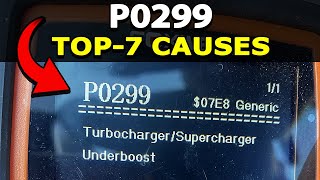
- Check Engine Light with Code P0299: 🎬 Watch: Understanding P0299 codes, limp mode, and boost leaks. This code means "Turbocharger/Supercharger 'A' Underboost Condition." It is triggered when the car's computer detects that the actual boost pressure is significantly lower than the target pressure for a set period of time. While other issues can cause this code, a leak in the intercooler or its connections is a primary suspect.
- Hissing or Whistling Noises: You may hear a distinct hissing or whistling sound from the front of the engine bay, especially under acceleration. This is the sound of pressurized air escaping from a crack or a loose connection in the intercooler system.
- Reduced Fuel Economy: When the engine's air-fuel ratio is incorrect due to a boost leak, the computer may try to compensate, often leading to increased fuel consumption.
- Excessive Black Smoke from Exhaust: In some cases, a significant boost leak can cause the engine to run rich (too much fuel, not enough air), resulting in black smoke from the exhaust as unburnt fuel is expelled.
Known Issues, TSBs, and Recalls
As of early 2026, there are no specific recalls or Technical Service Bulletins (TSBs) from GM or Saab directly concerning intercooler failure on the 2011-2013 Buick Regal or 2010-2011 Saab 9-5. Searches of the National Highway Traffic Safety Administration (NHTSA) database show recalls for these vehicles related to airbags, but none for the engine's charge air system.
The most commonly reported issue by owners is a boost leak leading to the P0299 underboost code. The factory intercooler uses plastic end tanks crimped onto an aluminum core. Over time, the plastic can become brittle from heat cycles and crack, causing leaks where the tanks meet the core. The connecting hoses and clamps can also loosen or fail.
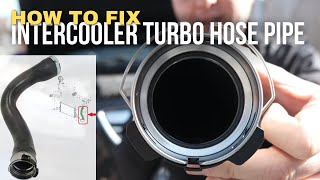
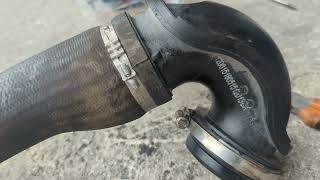
🎬 Watch: How to identify and fix a split turbo hose.Pro Tip: The 2.0L turbo engine in these cars is part of a larger family of GM engines. When searching for information, you may find relevant posts for the Opel Insignia, which shares a similar platform and drivetrain components.
Buying a Used Intercooler: What to Check
A used OEM intercooler is an excellent, cost-effective replacement, provided you inspect it carefully. Cheap aftermarket parts may not have the same cooling efficiency or durability. Here’s what to look for:
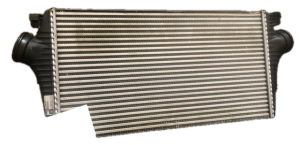
- Inspect the End Tanks: This is the most critical step. Carefully examine the plastic end tanks for any hairline cracks, especially around the seams where they join the aluminum core and where the inlet/outlet pipes are molded.
- Check for Physical Damage: Look for signs of impact from road debris. Check for large areas of bent or crushed cooling fins. While a few bent fins are purely cosmetic, significant damage can restrict airflow and reduce cooling performance.
- Look for Oil Inside: A light coating of oil residue inside the intercooler is normal for a turbocharged engine. However, if it is dripping with oil or has pools of oil inside, it could indicate a severe issue with the previous engine's turbocharger seals. A heavily oil-coated interior will also reduce cooling efficiency. You can clean a used intercooler with a degreaser before installation.
- Perform a Leak Test: The best way to verify a used intercooler is to test it. You can build a simple leak tester with PVC caps and a valve stem to pressurize the unit to about 15-20 PSI. Submerge it in water and look for bubbles, or spray the seams and connections with soapy water and watch for bubbles to form.
- Verify Part Numbers: Ensure the part number matches one of the known compatible numbers for your vehicle, such as GM 1302647 or 13241751.
Cost of Replacement
The cost to replace the intercooler can vary significantly based on the parts you choose and whether you perform the labor yourself.
| Part / Service | Estimated Cost |
|---|---|
| New OEM (GM) | $400 - $600 |
| New Aftermarket (Nissens, Spectra Premium) | $150 - $250 |
| Used OEM | $75 - $150 |
| Shop Labor | $200 - $350 |
Installation Guide (Overview)
Replacing the intercooler is a manageable DIY job for someone with moderate mechanical experience. The key challenge is that you must remove the front bumper cover to access it.
- Difficulty: 3 out of 5
- Estimated Time: 2-3 hours
The general steps involve:
- Safely lifting and supporting the front of the vehicle.
- Removing the plastic push pins, screws (often T20 Torx), and bolts holding the bumper cover in place, including those in the wheel wells and underneath the car.
- Carefully pulling the bumper cover away from the vehicle, being mindful of any fog light or sensor wiring that needs to be disconnected.
- With the bumper removed, the intercooler is directly visible. Disconnect the large air hoses from the inlet and outlet.
- Unbolt the intercooler from its mounting brackets (typically 10mm bolts).
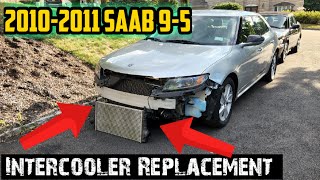
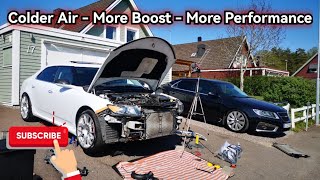
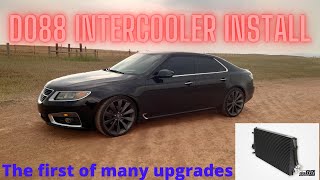
- Installation is the reverse of removal. Be sure to securely tighten all hose clamps to prevent future leaks. A video of a replacement on a 2011 Saab 9-5 shows the core swap itself is quick once the bumper is off. 🎬 See this step-by-step intercooler replacement on a Saab 9-5.
Warning: When removing the charge hoses, a small amount of oil may drip out. This is normal, but have a rag ready.
Frequently Asked Questions (FAQ)
Can I drive my car with a bad intercooler?
Yes, but it's not recommended for long. You will experience significantly reduced power, poor fuel economy, and the car may enter a 'limp mode' to protect the engine. Driving with a major boost leak puts extra strain on the turbocharger as it tries to compensate.
What is the difference between this intercooler and a performance one?
OEM intercoolers are designed for stock power levels and often use plastic end tanks to save cost and weight. Performance intercoolers are typically all-aluminum with welded end tanks, have larger cores for better cooling, and are designed to handle higher boost pressures from engine tuning.
My Saab 9-5 is a 2010 model. How do I know if this part fits?
For the 2010 Saab 9-5, this intercooler fits models with the 2.0L Turbo engine where the 4th digit of the Vehicle Identification Number (VIN) is 'G'. For the 2011 Saab 9-5, it fits all models equipped with the 2.0L Turbo engine.
How can I test for an intercooler leak at home?
A simple way is to mix dish soap and water in a spray bottle. With the engine running, have a helper lightly press the accelerator while you spray all the hose connections and seams of the intercooler. If you see bubbles forming, you've found a leak. For a more thorough test, you can build a pressure tester to pressurize the system with the engine off.
Helpful Videos

Technical Specifications
OEM Part Numbers: 1302647 13241751
Aftermarket Part Numbers: 96554 (Nissens), 44011208 (Spectra Premium). Core Material: Aluminum. Tank Material: Plastic.
We Have This Part in Stock

The information in this article is provided for general reference and educational purposes only. Vehicle specifications, procedures, and part compatibility can vary by production date, trim level, and region. Always consult your vehicle's factory service manual and verify part numbers before purchasing or performing repairs. Safety-critical components such as airbags, seat belts, and braking systems should be installed by a qualified professional.
- Buick Regal:
- Saab 9-5: