

2016-2025 Malibu 1.5L Intercooler Leaks: Symptoms, Diagnosis, and Replacement
Diagnose poor acceleration and hissing noises in your turbocharged Malibu by understanding how the intercooler fails and what to look for in a replacement.
- The most common failure is a leak from cracks in the plastic end tanks, causing power loss and a hissing sound.
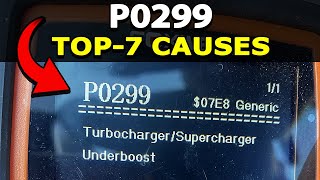
- A P0299 'Underboost' code is a strong indicator of a failing intercooler.
- Before buying a used unit, you must perform a pressure test with soapy water to confirm it has no leaks.
- This part is ONLY for the 1.5L turbocharged engine and is not compatible with 2.0L or Hybrid models.
Symptoms of a Failing Malibu Intercooler
When the intercooler on a 1.5L Malibu begins to fail, it almost always means there is a leak. This leak allows the pressurized air from the turbo (called 'boost') to escape before it reaches the engine. The symptoms are often noticeable and can significantly impact your driving experience.
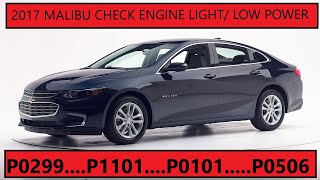
- Loss of Engine Power: This is the most common symptom. Your car may feel sluggish, hesitate, or struggle to accelerate, especially when you need a burst of speed for passing or merging. 🎬 Watch: Real-world symptoms of a Malibu with low power
- Audible Hissing or Whistling: You may hear a distinct hissing or whistling sound coming from the front of the engine bay. This noise is the sound of boost pressure escaping from a crack or hole in the intercooler or its connections. It will be most noticeable when the engine is under load, such as during acceleration.
- Check Engine Light: A significant boost leak will often trigger a Check Engine Light. The most common diagnostic trouble code (DTC) associated with this issue is P0299 - Turbocharger/Supercharger 'A' Underboost Condition. This code means the engine's computer (PCM) has detected that the turbo is not producing the expected amount of boost pressure.
- Reduced Fuel Economy: When the engine isn't receiving the correct amount of air, the air-fuel mixture becomes rich (too much fuel). This forces the engine to work harder and burn more gasoline to achieve the same level of performance, leading to a noticeable drop in MPG.
- Black Smoke from Exhaust: In some cases, an engine running too rich on fuel due to a boost leak can produce black smoke from the tailpipe, which is essentially unburnt fuel.
Known Issues, TSBs, and Recalls
While there are no specific safety recalls for the intercooler itself on the 2016-2025 Malibu, General Motors has issued a Technical Service Bulletin (TSB) related to its performance in extremely cold weather.
- TSB 18-NA-069: This bulletin addresses a condition where, in temperatures of 0°F (-18°C) or below, ice can accumulate inside the charge air cooler. This ice blockage can restrict airflow, causing symptoms like loss of power, hesitation, stalling, and the illumination of the Check Engine Light with codes P0299 or P0234. The official fix involves installing a thermal wrap on the turbocharger wastegate regulator solenoid valve and sometimes reprogramming the Engine Control Module (ECM).
Pro Tip: While the TSB addresses icing, the most common day-to-day failure is physical damage or cracks in the intercooler's plastic end tanks, leading to boost leaks regardless of the weather.
Buying a Used Intercooler: What to Inspect
A used OEM intercooler can be a smart, cost-effective choice, as factory parts often have superior build quality compared to cheaper aftermarket alternatives. However, a thorough inspection is crucial to ensure you're getting a good part.
1. Physical Inspection
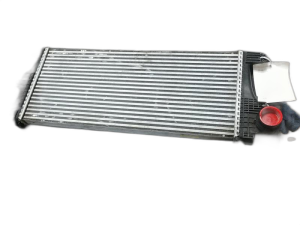
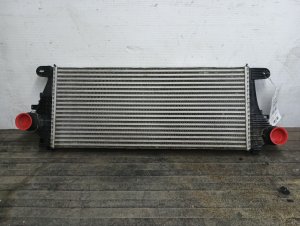
- Check for Cracks: Carefully examine the plastic end tanks on both sides of the aluminum core. This is the most common failure point. Look for hairline cracks, especially where the plastic is bonded to the aluminum.
- Inspect the Core: Look for any signs of physical damage to the aluminum fins. While a few bent fins are cosmetic and acceptable, major damage or crushed sections can impede airflow and indicate a harder impact that could have caused hidden cracks.
- Look for Oil Residue: A light coating of oil vapor inside the intercooler is normal for any turbocharged engine. However, if there is a significant amount of pooled oil, it could indicate a more serious problem with the turbocharger's seals on the donor vehicle.
- Examine Hose Connections: Ensure the inlet and outlet ports are perfectly round and free of cracks or damage. A damaged port will not seal properly with the charge pipes.
2. The Pressure Test (Crucial Step)
A visual inspection alone can miss small cracks. The only way to be certain a used intercooler is good is to pressure test it. This is a simple procedure you can ask the seller to perform or do yourself.
- Seal the Inlet and Outlet: Use appropriately sized rubber plumbing caps or plugs to securely seal both the inlet and outlet ports of the intercooler.
- Create an Air Inlet: Drill a small hole in one of the caps and insert a tire valve stem or a small air fitting.
- Apply Low Pressure: Using a hand pump or an air compressor with a regulator set to a low pressure (no more than 15-20 PSI), slowly pressurize the intercooler.
- Listen and Spray: Listen for any hissing sounds. For a more definitive test, spray the entire unit, especially the seams where the plastic meets the aluminum, with soapy water. If you see bubbles forming, there is a leak, and you should not buy the part. 🎬 See how to perform a professional intercooler pressure test
Replacement Cost and Difficulty
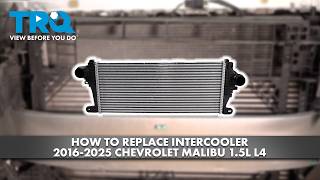
Replacing the intercooler on a 2016-2025 Malibu is a moderately difficult job that typically requires removing the front bumper cover to gain access.
🎬 Watch: Step-by-step guide to replacing your Malibu intercooler| Part | Price Range |
|---|---|
| New OEM (GM) | $250 - $390 |
| New Aftermarket | $120 - $220 |
| Used OEM | $75 - $150 |
| Shop Labor Cost | $320 - $470 |
Compatibility Warning: This intercooler is specifically for models equipped with the 1.5L turbocharged engine. It will not fit models with the 2.0L turbo engine or hybrid powertrains.
Frequently Asked Questions (FAQ)
Can I still drive my Malibu with a leaking intercooler?
Yes, but it's not recommended for long. The car will have significantly reduced power, making acceleration difficult and potentially unsafe in traffic. It will also have poor fuel economy and could cause the turbocharger to work harder than it should, potentially leading to more damage over time.
What causes the intercooler to fail?
The most common cause of failure is cracking of the plastic end tanks due to age, heat cycles, and constant vibration. Road debris can also cause physical damage to the aluminum core, leading to leaks.
Is a cheap aftermarket intercooler a good idea?
While less expensive, some aftermarket intercoolers may use lower-quality materials or construction methods, making them more prone to premature failure. A high-quality, pressure-tested used OEM part is often a more reliable and durable choice than a new, budget-friendly aftermarket unit.
How do I know the problem is the intercooler and not the turbo itself?
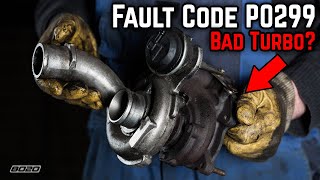
A P0299 underboost code can be caused by several issues. However, a distinct hissing sound under acceleration strongly points to a leak in the intake system after the turbo, with the intercooler being a primary suspect. A pressure test of the intercooler is the definitive way to confirm or rule it out as the source of the leak.
Helpful Videos
Technical Specifications
OEM Part Numbers: 23336337 84493634 85525374
The latest OEM part number, 85525374, supersedes the previous versions 23336337 and 84493634.
We Have This Part in Stock

The information in this article is provided for general reference and educational purposes only. Vehicle specifications, procedures, and part compatibility can vary by production date, trim level, and region. Always consult your vehicle's factory service manual and verify part numbers before purchasing or performing repairs. Safety-critical components such as airbags, seat belts, and braking systems should be installed by a qualified professional.
- Chevrolet Malibu: