

2015-2018 Jeep Renegade 1.4L Intercooler: Diagnosing Boost Leaks and P0299 Codes
This guide details common failure symptoms, replacement costs, and what to inspect when buying a used intercooler for your 1.4L Turbo Renegade.
- This intercooler is ONLY for the 1.4L Turbo engine; the 2.4L engine does not use one.
- The most common failure is a leak, which causes power loss, hissing sounds, and a P0299 Check Engine Light code.
- When buying a used intercooler, check carefully for cracks in the plastic end tanks and avoid any with excessive, pooled oil inside.
- Replacement is a moderate DIY job that requires removing the front bumper cover.
Engine Compatibility: 1.4L Turbo Only
It is essential to know that only the 1.4L MultiAir Turbo engine uses an intercooler. The other common engine option, the 2.4L Tigershark, is naturally aspirated and does not have a turbocharger or an intercooler. This guide applies exclusively to models with the 1.4L Turbo engine.
Symptoms of a Failing Intercooler
A failing intercooler typically leaks, preventing the turbocharger from delivering the proper amount of pressurized air (boost) to the engine. The symptoms are often related to this loss of boost pressure.
- Loss of Engine Power: The vehicle will feel sluggish and slow to accelerate. This is the most common symptom of a boost leak.
- Check Engine Light (CEL): A significant boost leak will trigger a Check Engine Light. The most common trouble code is P0299 (Turbocharger/Supercharger Underboost Condition). This code means the engine's computer has detected that the actual boost pressure is significantly lower than what it expects.
- Audible Hissing or Whistling Noises: When the engine is under load (accelerating), you may hear a hissing or whistling sound from the engine bay. This is the sound of pressurized air escaping from a crack or hole in the intercooler or its connecting hoses.
- Black Smoke from Exhaust: A loss of boost pressure can cause the engine to run rich (too much fuel, not enough air). This unburned fuel can exit the tailpipe as black smoke, especially during heavy acceleration.
- Poor Fuel Economy: With the air-fuel mixture out of balance, the engine's efficiency drops, leading to more frequent stops at the gas station.
- Engine Overheating: In some cases, because the engine is working harder and less efficiently to produce power, engine temperatures can rise.
Pro Tip: The P0299 code is not exclusive to a bad intercooler. It can also be caused by leaks in the connecting hoses, a faulty wastegate on the turbo, or other sensor issues. A thorough diagnosis is necessary before replacing parts.
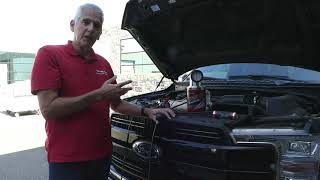
🎬 Watch: Expert tips on diagnosing the P0299 underboost code.Buying a Used Intercooler: What to Check
A used OEM intercooler can be a cost-effective solution, but a careful inspection is crucial to avoid buying someone else's problem. Here’s what to look for:
Physical Inspection
- Check for Cracks: The most common failure point is where the plastic end tanks are crimped onto the aluminum core. Meticulously inspect these seams and the plastic surfaces for any hairline cracks or signs of stress.
- Inspect Mounting Points: Ensure all mounting tabs and brackets are intact and not cracked or broken. A broken tab can cause vibrations that will lead to a new failure.
- Examine the Fins: The thin aluminum fins are easily bent by road debris. A few bent fins are purely cosmetic and acceptable, but large areas of crushed or blocked fins will reduce cooling efficiency and should be avoided.
- Hose Connections: Check the inlet and outlet ports for any damage. Ensure the quick-connect fittings or hose beads are not cracked or deformed, as this could prevent a proper seal.
Internal Inspection
- Look for Oil Residue: A light, thin film of oil inside the intercooler is normal. This comes from the engine's Positive Crankcase Ventilation (PCV) system.
- Red Flag: Pooled Oil: If you can pour liquid oil out of the intercooler, be very cautious. This indicates a more severe problem, most likely failing seals in the turbocharger, which is a much more expensive repair. Buying an intercooler full of oil means you might be inheriting a turbo problem.
Testing for Leaks
The best way to confirm an intercooler is good is to test for leaks. While not always possible before purchase, you can ask the seller if it has been tested.
- Pressure Test: The most reliable method is to cap both ends of the intercooler and pressurize it with air to check if it holds pressure.
- Soapy Water Test: If you can't do a full pressure test, you can sometimes spot larger leaks by spraying the exterior with soapy water and looking for bubbles while blowing air through it.
Known Issues, TSBs, and Recalls
As of early 2026, there are no specific recalls or Technical Service Bulletins (TSBs) for the intercooler on the 2015-2018 Jeep Renegade 1.4L. However, the broader turbo system has some related information:
- TSB 09-003-16: Issued in January 2016, this TSB addresses turbocharger replacement and repositioning a control solenoid valve air intake filter on some models. While not an intercooler issue, it points to known sensitivities in the turbo system.
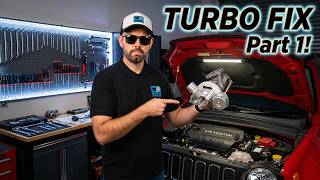
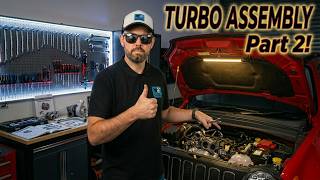
- 1.4L MultiAir Engine Sensitivity: This Fiat-derived engine is known to be sensitive to oil quality and change intervals. Failure of the MultiAir unit itself can cause misfires and power loss, which can sometimes be confused with turbo system issues. A video of a Renegade 1.4L turbo failure showed the cause to be congealed oil blocking the feed lines, highlighting the importance of clean oil for the entire system's health. 🎬 See this walkthrough of a 1.4L turbo diagnosis and disassembly.
Replacement Information
Replacing the intercooler is a moderately difficult job that requires removing the front bumper cover to gain access.
- Difficulty: 3 out of 5.
- Tools Needed: Basic hand tools, sockets, screwdrivers, and potentially trim removal tools for the bumper clips.
- Process Overview: The general process involves putting the vehicle securely on jack stands, removing the front wheels, detaching the fender liners from the bumper, removing screws and clips holding the bumper cover, and carefully pulling the bumper cover off. Once exposed, the intercooler is unbolted, and the two large air hoses are disconnected. Installation is the reverse of removal.
Cost Comparison
The cost to replace a Jeep Renegade intercooler can vary significantly based on the part source and labor rates.
| Item | Estimated Cost |
|---|---|
| New OEM (Mopar) | $230 - $350 |
| New Aftermarket | $90 - $180 |
| Used OEM | $75 - $150 |
| Shop Labor | $320 - $470 |
| Total (New OEM + Labor) | $550 - $820 |
| Total (Used OEM + Labor) | $395 - $620 |
Warning: Some online estimators may show very low labor costs ($60-$90). This is likely for replacing an accessible intercooler hose, not the intercooler assembly itself, which requires significantly more labor to remove the bumper.
Frequently Asked Questions (FAQ)
Can I drive with a bad intercooler?
You can, but it's not recommended for long. You will have significantly reduced power, poor fuel economy, and the check engine light will be on. In some cases, the vehicle may enter a reduced-power "limp mode" to protect the engine. Ignoring it can put extra strain on the turbocharger as it tries to compensate for the pressure loss.
Is a little bit of oil in the intercooler normal?
Yes, a thin coating of oil inside the intercooler and charge pipes is normal. This is residue from the Positive Crankcase Ventilation (PCV) system. However, if there is enough oil to drip or pool, it could be a sign of failing turbocharger seals, which is a much more serious issue.
Does the 2.4L Jeep Renegade have an intercooler?
No. The 2.4L Tigershark engine is naturally aspirated (not turbocharged) and does not have an intercooler. This part is only found on the 1.4L MultiAir Turbo engine.
How can I test for an intercooler leak at home?
A simple way is to perform a visual inspection for cracks and then spray the intercooler and its connections with a soapy water solution. Have a helper start the engine and gently rev it while you watch for bubbles, which indicate a leak. For a more definitive test, you can build or buy a boost leak tester that pressurizes the system, allowing you to listen for hissing sounds.
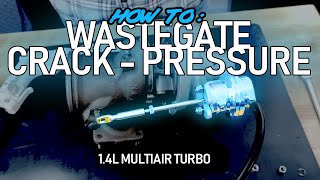
🎬 Learn how to check and adjust your turbo wastegate pressure.Helpful Videos
Technical Specifications
OEM Part Numbers: 68256123AA
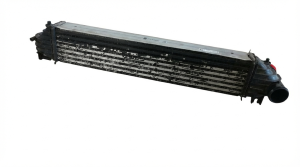
Air-to-air charge air cooler with plastic end tanks and an aluminum core. Fits 2015-2018 Jeep Renegade with 1.4L MultiAir Turbo engine.
We Have This Part in Stock

The information in this article is provided for general reference and educational purposes only. Vehicle specifications, procedures, and part compatibility can vary by production date, trim level, and region. Always consult your vehicle's factory service manual and verify part numbers before purchasing or performing repairs. Safety-critical components such as airbags, seat belts, and braking systems should be installed by a qualified professional.
- Jeep Renegade:
- 🎬 Helpful Videos
- 🛍️ Shop This Part
- Engine Compatibility: 1.4L Turbo Only
- Symptoms of a Failing Intercooler
- Buying a Used Intercooler: What to Check
- Physical Inspection
- Internal Inspection
- Testing for Leaks
- Known Issues, TSBs, and Recalls
- Replacement Information
- Cost Comparison
- Frequently Asked Questions (FAQ)
- 🎟️ Get 5% Off