

2022-2024 Mercedes-AMG SL-Class Intercooler: Guide to the 'Hot V' Charge Air Cooler
A detailed guide to understanding, diagnosing, and replacing the air-to-water charge air cooler in the R232-generation SL55 and SL63.
- The SL-Class uses a complex air-to-water intercooler (charge air cooler) located in the engine's 'hot V'.
- The most critical failure is an internal coolant leak, which can cause catastrophic engine damage (hydrolock). Symptoms include white exhaust smoke and coolant loss.
- Common failure symptoms are loss of power, hissing noises, and check engine lights with boost-related codes.
- Replacement is a difficult, labor-intensive job (4/5 difficulty) and not recommended for DIY. When buying used, ensure the part has been pressure-tested.
Understanding the SL-Class Intercooler System
The 2022-2024 Mercedes-AMG SL55 and SL63 feature a twin-turbo 4.0L V8 engine (M177) with a "hot V" configuration. This means the turbochargers are placed within the 'V' of the engine block. This design requires a special type of intercooler known as an air-to-water charge air cooler. Instead of a large, front-mounted radiator that cools the charge air with outside air, the SL-Class uses two compact charge air coolers mounted directly on the engine. These units have their own dedicated low-temperature coolant circuit, complete with a pump and a separate radiator (heat exchanger) at the front of the car. This system is highly efficient at reducing the temperature of the compressed air before it enters the engine, which is essential for performance and engine health.
Symptoms of a Failing Intercooler
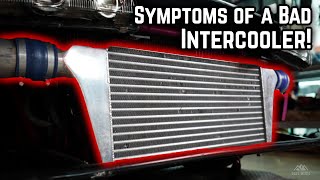
Failure in the charge air cooler system can manifest in several ways, ranging from performance loss to the risk of severe engine damage. 🎬 Watch: Learn more about common signs and symptoms of a bad intercooler. Symptoms often depend on whether the failure is an external boost leak, a coolant leak, or a more critical internal coolant leak.
- Reduced Engine Power and Sluggish Acceleration: This is the most common symptom. If the intercooler leaks air (a boost leak), the engine doesn't receive the expected amount of compressed air, leading to a noticeable loss of power, especially under load. The turbochargers may also spin faster to compensate, leading to more wear.
- Check Engine Light: A failing intercooler system can trigger various diagnostic trouble codes (DTCs). Codes related to charge air temperature, boost pressure, or even engine misfires may appear. Common codes include P0299 (Turbo/Supercharger Underboost), P0127 (Intake Air Temperature Too High), and codes related to the charge air cooler temperature sensor or coolant pump circuits like P007B and P023B.
- Hissing or Whistling Noises: A crack or loose connection in the intercooler or its plumbing can cause a distinct hissing or whistling sound during acceleration as pressurized air escapes.
- Increased Fuel Consumption: When the engine's air-fuel ratio is compromised due to a leak, the engine management system may try to compensate by adding more fuel, leading to a noticeable drop in fuel economy.
- Black or White Smoke from Exhaust: A significant boost leak can cause a rich fuel condition, resulting in black smoke from the exhaust. More critically, an internal failure of the air-to-water intercooler can allow coolant to leak into the intake, producing white, sweet-smelling smoke (steam) from the exhaust. This is a serious condition that requires immediate attention to prevent engine damage.
- Unexplained Coolant Loss: If you are losing coolant from the low-temperature circuit reservoir but see no visible external leaks, it could be a sign of an internal intercooler leak.
Warning: If you suspect an internal coolant leak (symptoms include white exhaust smoke, sweet smell, and coolant loss with no visible drips), do not continue to drive the vehicle. Coolant entering the cylinders can cause hydrolock, a condition where the engine's pistons try to compress liquid, leading to catastrophic engine failure. The vehicle should be towed to a qualified technician.
Known Issues, Recalls, and Service Bulletins
As of late 2025, there are no specific recalls or technical service bulletins (TSBs) from the National Highway Traffic Safety Administration (NHTSA) directly addressing the intercoolers for the 2022-2024 Mercedes-AMG SL-Class. However, the M177 engine used in these vehicles has a known history in other models of potential intercooler leaks.
Several recalls have been issued for the 2022-2023 SL-Class for other issues, including:
- Fuel Pump Shutdown: A recall affecting multiple Mercedes models, including the SL-Class, involves a fuel pump that may shut down, causing a loss of drive power.
- Wiring Harness Routing: An issue where the starter/alternator wiring harness may have been improperly routed, potentially contacting the driveshaft and causing a short circuit. This could lead to a loss of power or a fire risk.
- Incorrect Fuses: A recall was issued for incorrectly manufactured 80-Amp fuses that could fail.
While these are not intercooler-specific, they highlight the complexity of the vehicle. Owners can check for open recalls using their vehicle's VIN on the NHTSA website.
Buyer's Guide: Inspecting a Used SL-Class Intercooler
Given the high cost of a new OEM intercooler, a quality used unit is an excellent option. However, careful inspection is crucial, especially with an air-to-water system.
Physical Inspection Checklist
- Check for Cracks and Damage: Carefully inspect the plastic end tanks and aluminum core for any cracks, fractures, or signs of impact. Pay close attention to the mounting points and hose connections.
- Look for Coolant Residue: Examine the exterior for any white or colored crusty residue, which indicates a past or present external coolant leak.
- Inspect Air Passages: Look inside the air inlet and outlet ports. A light film of oil is normal (from engine blow-by), but a thick, sludgy buildup or any sign of coolant (a milky, emulsified substance) is a major red flag indicating a potential internal failure or a problem with the engine it came from.
- Verify Part Numbers: Ensure the part number on the used unit matches the required part for your vehicle. The verified OEM part number for this generation is A1770907402.
Pro Tip: For an air-to-water intercooler, the most important test is a pressure test. A reputable seller of used parts should be able to confirm if the unit has been pressure tested to ensure there are no internal leaks between the coolant and air passages. Do not purchase a used unit without this verification, as an internal leak can destroy your engine.
Why Used OEM is a Smart Choice
For a high-performance, complex component like the AMG SL-Class charge air cooler, a used OEM part offers significant advantages. It guarantees the exact fitment, performance, and material quality designed by Mercedes-AMG. Aftermarket options for such a new and specialized vehicle are rare and may not meet the precise cooling and flow requirements, potentially harming performance and reliability. A verified, pressure-tested used OEM cooler provides the same function as a new dealer part at a fraction of the cost.
Replacement Cost and Difficulty
Replacing the charge air cooler on the M177 engine is a labor-intensive job not recommended for beginners. The intercoolers are located on top of the engine, requiring the removal of various covers, ducts, and potentially fuel system components to gain access. The cooling system for the intercoolers must also be drained, filled, and bled properly after installation.
| Item | Estimated Cost |
|---|---|
| New OEM Intercooler (Dealer) | $1,500 - $2,500+ |
| New Aftermarket Intercooler | Not widely available |
| Used OEM Intercooler | $500 - $1,000 |
| Shop Labor Cost | $900 - $1,500 |
Frequently Asked Questions (FAQ)
What does the intercooler do on the 2022-2024 AMG SL-Class?
It functions as an air-to-water charge air cooler. It uses a dedicated coolant system to cool the hot, compressed air from the twin turbochargers before it enters the engine. This creates a denser air charge, allowing for more efficient combustion and higher horsepower.
Can I drive my SL-Class with a bad intercooler?
It depends on the failure. If it's a minor boost leak, the car is drivable but will have reduced power and poor fuel economy. If the failure is an internal coolant leak (indicated by white exhaust smoke), you should stop driving immediately and have the vehicle towed to prevent catastrophic engine damage from hydrolock.
Is the intercooler the same for the SL55 and SL63?
Yes, both the SL55 and SL63 models use the same M177 4.0L V8 engine architecture and share the same charge air cooler design. The power difference between the models comes from factors like turbo boost pressure and ECU tuning, not different intercoolers.
Does a used intercooler need to be programmed to the car?
No. The intercooler itself is a mechanical component and does not require any electronic programming or calibration. However, after replacement, any diagnostic trouble codes stored in the ECU should be cleared.
Helpful Videos
Technical Specifications
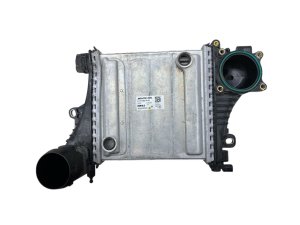
OEM Part Numbers: A1770907402
Air-to-water charge air cooler for Mercedes-AMG M177 4.0L V8 Biturbo engine with 'Hot V' configuration.
We Have This Part in Stock

The information in this article is provided for general reference and educational purposes only. Vehicle specifications, procedures, and part compatibility can vary by production date, trim level, and region. Always consult your vehicle's factory service manual and verify part numbers before purchasing or performing repairs. Safety-critical components such as airbags, seat belts, and braking systems should be installed by a qualified professional.
- Mercedes-AMG SL-Class:
- 🎬 Helpful Videos
- 🛍️ Shop This Part
- Understanding the SL-Class Intercooler System
- Symptoms of a Failing Intercooler
- Known Issues, Recalls, and Service Bulletins
- Buyer's Guide: Inspecting a Used SL-Class Intercooler
- Physical Inspection Checklist
- Why Used OEM is a Smart Choice
- Replacement Cost and Difficulty
- Frequently Asked Questions (FAQ)
- 🎟️ Get 5% Off