

2002-2008 Mini Cooper S (R53) Intercooler: Spotting Leaks and Heat Soak
This guide covers the common failure symptoms, used part inspection points, and extremely simple replacement process for the first-generation supercharged Mini Cooper intercooler.
- This intercooler only fits 2002-2008 Mini Cooper S and JCW models with the supercharged engine (R53/R52). It does not fit the base model.
- The most common failure is a boost leak from cracks in the plastic end tanks, causing power loss and a hissing sound.
- When buying a used unit, the most critical inspection is checking the plastic end tanks for any cracks or signs of repair.
- Replacement is extremely easy (1/5 difficulty), requiring only a T30 Torx driver and about 30 minutes.
Symptoms of a Failing Intercooler
A failing intercooler on a supercharged Mini Cooper typically means it has a leak. Because it's a simple mechanical part, the symptoms are usually related to this loss of air pressure in the intake system.
- Loss of Power and Acceleration: This is the most common symptom. If the intercooler is leaking, the pressurized air from the supercharger escapes before it reaches the engine, causing a drop in boost pressure. The car will feel sluggish, especially when you expect the supercharger to be working hard.
- Hissing or Whistling Noises: A noticeable hissing or whistling sound from the engine bay during acceleration often points to an air leak. This is the sound of boost pressure escaping from a crack in the intercooler's plastic end tanks or a bad seal.
- Reduced Fuel Economy: When the engine's computer expects a certain amount of air but receives less due to a leak, the air-fuel mixture can become incorrect, often running rich (too much fuel). This can lead to burning more fuel than necessary.
- Visible Damage: You may see cracks on the plastic end tanks, bent cooling fins from road debris, or signs of oil leaking from the intercooler boots.
- Check Engine Light (Rare): While a simple boost leak won't always trigger a check engine light, it can happen. If the leak is severe enough to cause a significant air-fuel ratio imbalance, it might trigger codes related to the system running too lean or rich.
Pro Tip: Before blaming the intercooler, always inspect the rubber intercooler boots (couplers) that connect it to the intake piping. These can dry out, crack, and cause identical boost leak symptoms. They are much cheaper and easier to replace.
Known Issues for 2002-2008 Mini Cooper S (R53)
The first-generation Mini Cooper S intercooler has a few well-documented weaknesses related to its design and placement.
Heat Soak
The intercooler is mounted directly on top of the hot engine. While it gets good airflow from the hood scoop when the car is moving, it suffers from "heat soak" in stop-and-go traffic or after a hard run. The heat rising from the engine warms up the intercooler, making it less effective at cooling the intake air. This isn't a failure, but a design limitation that results in a temporary loss of power until you get moving again.
Cracked Plastic End Tanks
The core of the intercooler is aluminum, but the end tanks are made of plastic. Over many years of heat cycles and vibration, this plastic can become brittle and crack, especially at the seams where it joins the metal core. This is a primary cause of boost leaks.
Internal Oil Coating
It is normal to find a light film of oil inside the intercooler and boots. This comes from the engine's Positive Crankcase Ventilation (PCV) system. However, if there are pools of oil, it could indicate a more serious engine issue. Over time, this oil coating can insulate the inside of the intercooler, slightly reducing its efficiency.
Recalls and Technical Service Bulletins (TSBs)
As of early 2026, there are no specific recalls or TSBs issued by MINI or the NHTSA for the intercooler itself on 2002-2008 Mini Cooper models. Issues with this part are generally considered wear and tear.
Warning: This intercooler ONLY fits first-generation (R52, R53) Mini Cooper models with the 1.6L supercharged engine. This includes the Cooper S and John Cooper Works (JCW) models. It will NOT fit the naturally aspirated base Cooper model.
Buying a Used 2002-2008 Mini Cooper Intercooler
A used OEM intercooler is an excellent value, as the original units are well-made. However, a thorough inspection is crucial to avoid buying a part that already has common failure points.
What to Physically Inspect
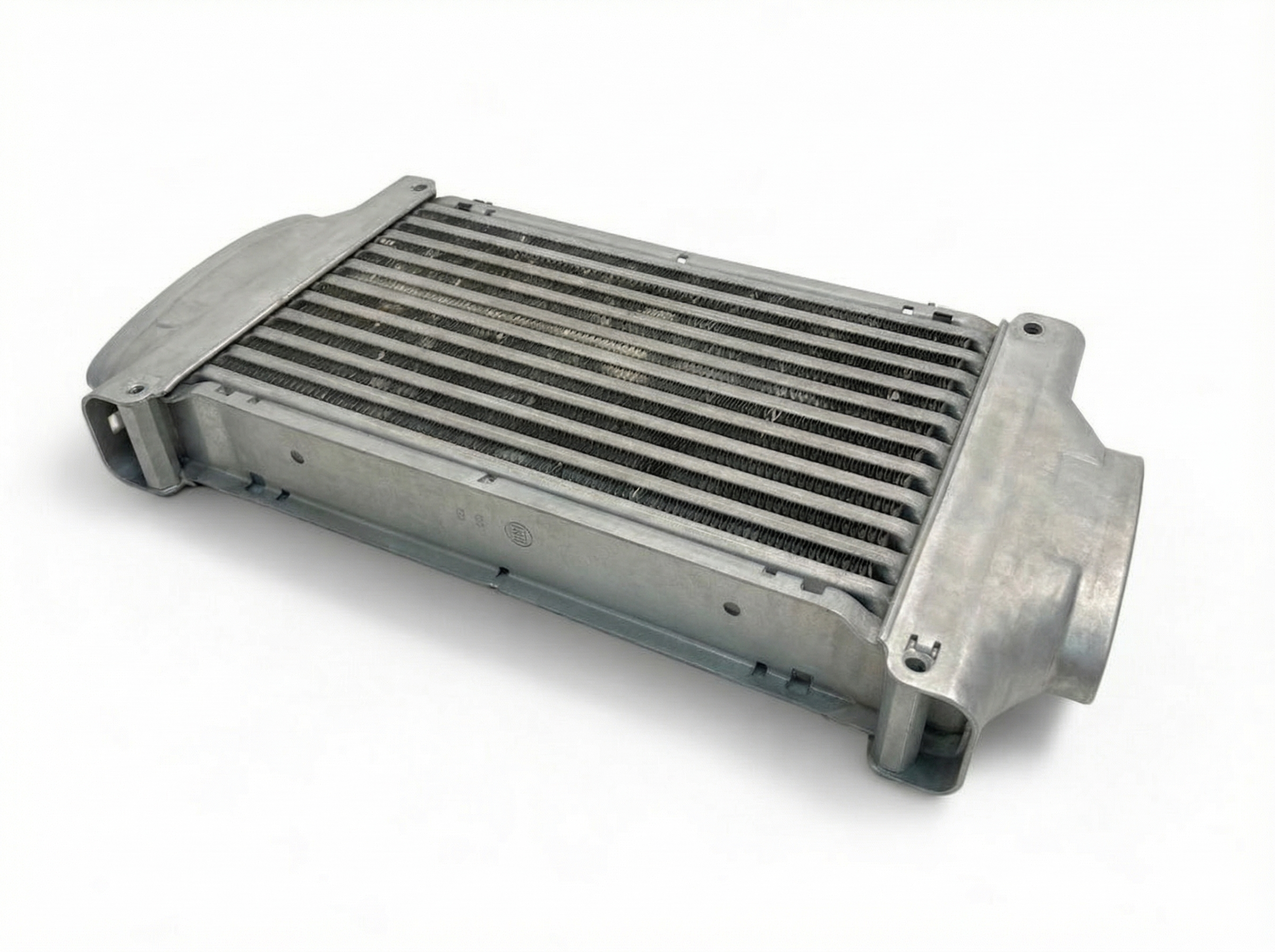
- Check the End Tanks: This is the most important check. Carefully inspect the plastic end tanks on both sides for any hairline cracks, especially around the seams where they meet the aluminum core. Avoid any units with visible cracks or signs of epoxy/JB Weld repairs.
- Examine the Fins: Look at the aluminum cooling fins. A few bent fins from small rocks or bugs are perfectly normal and won't affect performance. However, reject any intercooler with large areas of crushed or damaged fins.
- Look Inside: Peer into the inlet and outlet ports. A light coating of oil residue is normal. If you see puddles of oil or thick, heavy sludge, it's best to pass. This could indicate the donor car had significant engine problems.
- Inspect Mounting Points: Ensure all four mounting tabs (where the bolts go through) are intact and not cracked or broken.
Compatibility
Verify the part number if possible. The most common OEM part number is 11651515368. Remember, it must come from a 2002-2006 Cooper S Hatchback (R53) or a 2005-2008 Cooper S Convertible (R52).
Replacement Difficulty & Labor Costs
Replacing the intercooler on a first-generation Mini Cooper S is one of the easiest jobs you can do on the car.
- Difficulty Rating: 1 out of 5
- Estimated Time: 15-30 minutes
- Tools Needed: T30 Torx driver or socket.
The intercooler is located directly on top of the engine, held in place by four Torx bolts and two hose clamps. The process involves removing the decorative plastic cover (4 bolts), loosening the clamps on the rubber boots, removing the four mounting bolts, and lifting the intercooler off. Installation is the reverse of removal. Because the job is so simple, shop labor should be minimal, typically 0.5 to 1.0 hours.
Cost Comparison
| Part Type | Estimated Cost |
|---|---|
| New OEM | $350 - $450 |
| New Aftermarket (Stock Replacement) | $80 - $270 |
| New Aftermarket (Performance Upgrade) | $450 - $750+ |
| Used OEM | $50 - $150 |
| Shop Labor | $75 - $150 |
Frequently Asked Questions (FAQ)
Is the John Cooper Works (JCW) intercooler better than the standard Cooper S one?
No, for the R53 generation, the core intercooler unit is the same for both the Cooper S and the factory JCW models. Some JCW packages included a different decorative cover for the intercooler, but the part itself that cools the air is identical. The special, more efficient GP1 intercooler was only available on the very rare MINI Cooper S JCW GP model and is extremely hard to find and expensive.
Can I clean my intercooler instead of replacing it?
Yes. You can clean both the outside and inside. Use a soft brush and low-pressure water to gently clean bugs, dirt, and debris from the external fins. To clean the inside, you can remove the intercooler and use a degreaser or solvent like acetone to flush out oil residue. Rinse it thoroughly and ensure it is completely dry before reinstalling.
What is an "upgraded" intercooler and do I need one?
Upgraded intercoolers are designed for modified cars (e.g., with a smaller supercharger pulley or aggressive engine tune). They are typically larger, have a more efficient core design, and can sometimes be relocated to the front of the car to avoid heat soak. For a stock or lightly modified car, a new or good-condition used OEM intercooler is perfectly adequate.
How do I test for an intercooler leak?
The easiest way is a visual inspection of the end tanks and a check of the rubber boots. For a more definitive test, you can perform a boost leak test. This involves pressurizing the intake system with compressed air (to a low, safe pressure) and listening for hissing or spraying soapy water on connections to look for bubbles. This will reveal leaks in the intercooler, boots, or any other part of the charge piping.
Technical Specifications
OEM Part Numbers: 11651515368
Air-to-air top-mount intercooler with aluminum core and plastic end tanks.
We Have This Part in Stock

The information in this article is provided for general reference and educational purposes only. Vehicle specifications, procedures, and part compatibility can vary by production date, trim level, and region. Always consult your vehicle's factory service manual and verify part numbers before purchasing or performing repairs. Safety-critical components such as airbags, seat belts, and braking systems should be installed by a qualified professional.
- Mini Cooper:
- 🛍️ Shop This Part
- Symptoms of a Failing Intercooler
- Known Issues for 2002-2008 Mini Cooper S (R53)
- Heat Soak
- Cracked Plastic End Tanks
- Internal Oil Coating
- Recalls and Technical Service Bulletins (TSBs)
- Buying a Used 2002-2008 Mini Cooper Intercooler
- What to Physically Inspect
- Compatibility
- Replacement Difficulty & Labor Costs
- Cost Comparison
- Frequently Asked Questions (FAQ)
- 🎟️ Get 5% Off