

1997-2005 Passat & A4 1.8T Intercooler: Diagnosing Boost Leaks, Power Loss, and Hissing Noises
This guide covers the common failure symptoms, diagnosis, and replacement of the 1.8L turbo intercooler for the Volkswagen Passat (B5) and Audi A4 (B5).
- The most common failure is a boost leak, causing power loss, hissing noises, and a P0299 trouble code.
- Failures are often due to cracked plastic end tanks or physical damage from road debris, as the part is located in the front lower passenger side.
- When buying a used unit, meticulously inspect for cracks in the plastic, damage to the core, and internal debris which could signal a donor car's turbo failure.
- Replacement requires removing the front bumper cover, making it a moderately difficult DIY job (2-4 hours).
Symptoms of a Failing 1.8T Intercooler
A failing intercooler, or more commonly a leak in the system, will almost always result in noticeable performance issues. Because the intercooler is part of the pressurized intake system, any leak allows the carefully measured and compressed air (boost) to escape before it reaches the engine.
Most Common Symptoms:
- Loss of Power & Sluggish Acceleration: This is the most common complaint. The car will feel noticeably slower, especially when you expect the turbo to kick in.
- Hissing or Whistling Sounds: A distinct hissing or whistling noise from the engine bay that changes with engine RPM and is most audible under acceleration is a classic sign of a boost leak. This is the sound of pressurized air escaping from a crack or hole.
- Poor Fuel Economy: When the engine's computer detects a loss of boost, it may try to compensate by adjusting the fuel mixture, leading to inefficient combustion and more frequent trips to the gas station.
- Black Smoke from Exhaust: A significant boost leak can cause the air-fuel ratio to become too rich (too much fuel, not enough air). This unburnt fuel can exit the exhaust as black smoke, particularly under heavy acceleration.
- Check Engine Light (CEL): A major leak will often trigger a Check Engine Light. The most common trouble code associated with this issue is P0299 - Turbocharger/Supercharger Underboost Condition. This code confirms the engine control unit (ECU) is not seeing the expected amount of boost pressure. 🎬 Watch: Diagnosing the P0299 underboost code on a 1.8T.
Pro Tip: The intercooler itself is located in the lower front passenger side of the vehicle, behind the bumper cover. This location makes it vulnerable to damage from road debris, parking curbs, and minor front-end impacts. Often, a leak is caused by physical damage to the intercooler's plastic end tanks or aluminum core.
Diagnosing an Intercooler Leak
If you suspect a leak, there are a few ways to confirm it.
- Visual Inspection: Check the intercooler and all associated hoses and clamps for obvious signs of damage. Look for cracks in the plastic end tanks, separated hose connections, or oily residue. An accumulation of oily dirt around a specific area is often a tell-tale sign of a small leak, as the escaping air carries oil vapor with it.
- Soapy Water Test: With the engine running, you can spray a solution of soapy water on all connections and suspected leak points. If a leak is present, you will see bubbles form as the air escapes. This method is best for finding leaks at hose connections. 🎬 See how to perform a professional turbo boost leak test.
- Boost Leak / Smoke Test: The most effective method is to perform a pressure test, often called a boost leak test or smoke test. This involves pressurizing the entire intake system (from the turbo inlet to the engine) with a low, regulated air pressure (typically 15-20 PSI). You can then listen for escaping air or introduce smoke into the system to visually pinpoint the source of the leak. This is the preferred method for finding hairline cracks or leaks that only open under pressure. 🎬 Watch this guide to find 1.8T boost leaks fast.
Buying a Used Intercooler: What to Check
A used OEM intercooler can be a cost-effective solution, as the original units are generally well-made. However, it's crucial to inspect the part thoroughly before purchasing.
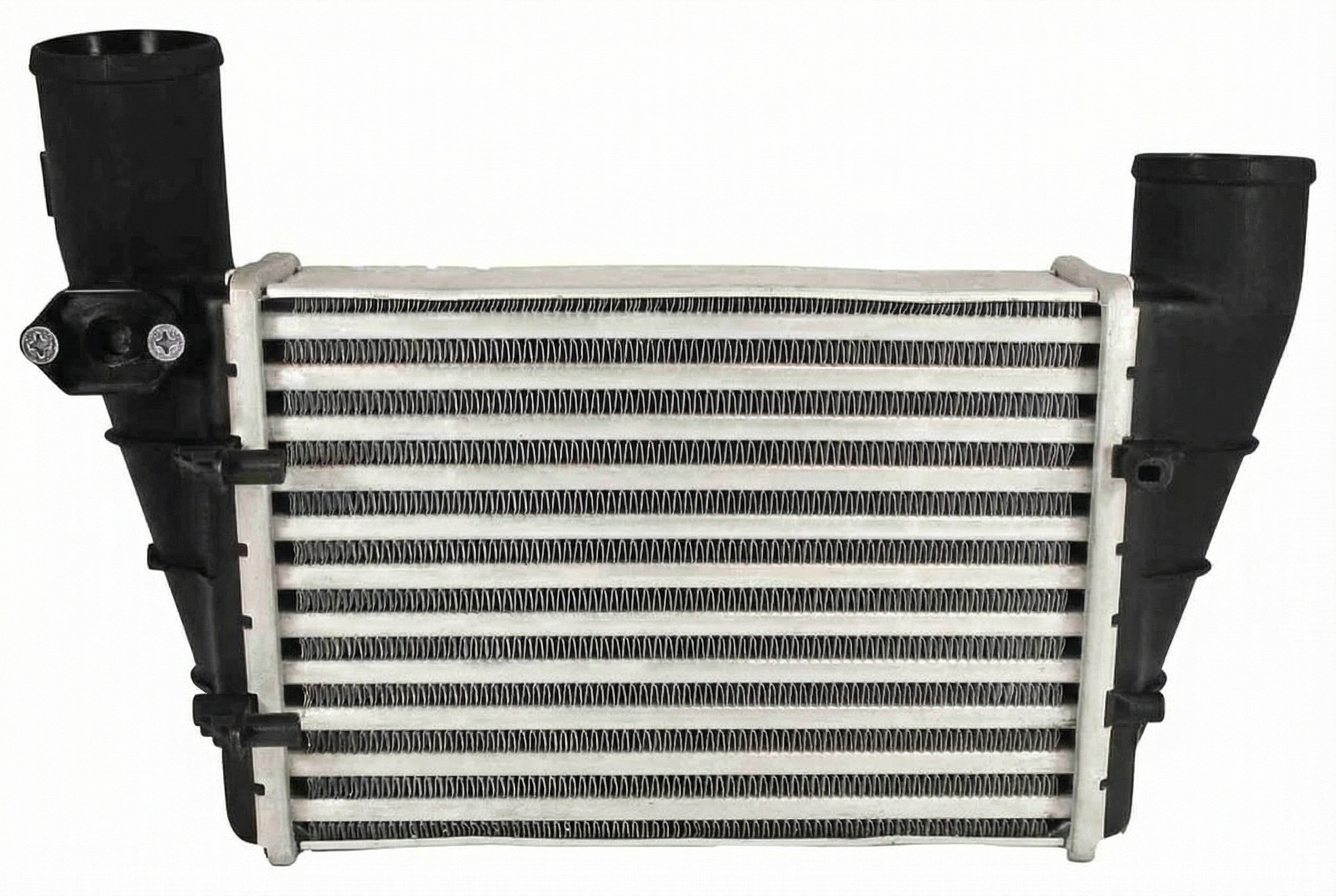
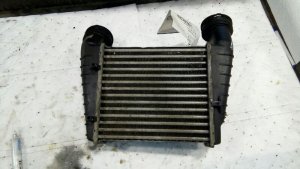
- Inspect the End Tanks: The most common failure point is the plastic end tanks, which can become brittle with age and crack. Carefully examine the entire surface of both end tanks for hairline cracks, especially around the seams where the plastic meets the aluminum core and at the inlet/outlet ports.
- Check for Core Damage: Look for significant damage to the aluminum cooling fins. While a few bent fins are purely cosmetic, large areas of crushed fins will restrict airflow and reduce efficiency. More importantly, check for any signs of punctures or previous repairs (like epoxy or JB Weld), which are immediate red flags.
- Look for Internal Debris: Shake the intercooler. If you hear any rattling, it could indicate internal debris from a catastrophic turbo failure on the donor vehicle. Do NOT install an intercooler with internal metal debris, as it will be ingested by your engine and cause severe damage.
- Check for Oil: A light coating of oil inside the intercooler is normal for a 1.8T engine. However, if it's dripping or pooled with oil, it may suggest excessive blow-by or a failing turbo on the donor car. Clean it out thoroughly before installation.
- Verify Part Numbers: Double-check the OEM part number on the unit to ensure it matches the compatible numbers for your vehicle. Pay close attention to compatibility notes for your specific year and engine code.
Compatibility Warning: This intercooler is specifically for models with the 1.8L turbocharged engine. It is critical to verify your engine code before ordering. It is primarily used on the AEB engine code but may also fit later codes like AWM and AUG. Some sources indicate that for 2004-2005 Volkswagen Passat models, this part may be specific to vehicles with an automatic transmission. Always verify fitment with your vehicle's specific details.
Known Issues, TSBs, and Recalls
There are no specific recalls for the intercooler on these models. However, the part's susceptibility to leaks is a well-documented issue in owner forums and among mechanics.
- Plastic End Tank Failure: The primary known issue is the plastic end tanks cracking due to age, heat cycles, and vibration.
- Hose Connection Leaks: The spring clamps and rubber/silicone hoses connecting to the intercooler can degrade over time, leading to boost leaks at the connection points. Upgrading to T-bolt style clamps can provide a more secure seal.
- Related TSBs: While not directly for the intercooler, Volkswagen has issued technical service bulletins (TSBs) that involve inspecting the charge air system for leaks when diagnosing certain engine performance issues. For example, one TSB mentions pressure testing the charge air system when investigating a P20D8 trouble code. This underscores the importance of a leak-free system for proper engine operation.
Replacement Overview
Replacing the intercooler on a 1998-2005 Volkswagen Passat or 1997-2000 Audi A4 is a moderately involved job, primarily because it requires removing the front bumper cover for access.
- Difficulty: 3 out of 5
- Estimated Time: 2-4 hours
- Tools Required: Basic socket set, Torx driver set, screwdrivers, hose clamp pliers.
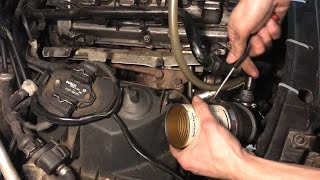
The general steps involve jacking up the front of the vehicle, removing the front wheels, detaching the fender liners, and then removing the series of screws and bolts that hold the bumper cover in place. Once the bumper is off, the intercooler and its connections are directly accessible. Disconnect the inlet and outlet hoses, unbolt the intercooler from its mounting bracket, and remove it. Installation is the reverse of removal.
Pro Tip: While you have the bumper off, it's a great time to inspect and replace any aging or brittle boost hoses. Consider upgrading to silicone hoses and T-bolt clamps for improved durability and reliability.
Cost Comparison
| Part Type | Estimated Price Range |
|---|---|
| New OEM | $250 - $450 |
| New Aftermarket | $90 - $200 |
| Used OEM | $50 - $125 |
| Shop Labor | $200 - $400 |
Frequently Asked Questions (FAQ)
Can I drive with a leaking intercooler?
Yes, but it is not recommended for long. The vehicle will have reduced power, poor fuel economy, and may enter a "limp mode." Continuing to drive with a significant boost leak can put extra strain on the turbocharger, as it will have to spin faster to try and build the required pressure, potentially leading to premature failure.
Is an aftermarket intercooler better than OEM?
It depends. A cheap, no-name aftermarket intercooler may not offer the same durability or fitment as an OEM part. However, high-quality performance aftermarket intercoolers are often larger, have all-aluminum construction (eliminating the plastic end tanks), and can provide improved cooling and performance, especially on modified vehicles. For a stock vehicle, a quality used OEM or new OEM-equivalent part is a reliable choice.
What is the difference between an intercooler and a radiator?
Both are heat exchangers, but they cool different things. A radiator cools the engine's liquid coolant. An intercooler cools the compressed air from the turbocharger before it enters the engine. They are separate systems with separate functions.
Will replacing my intercooler give me more horsepower?
If your old intercooler was leaking, then replacing it will restore lost horsepower. If your old intercooler was working correctly, simply replacing it with another stock OEM unit will not add any power. Upgrading to a larger, more efficient aftermarket intercooler can support higher horsepower levels on a tuned engine by providing cooler, denser air, but it does not add significant power by itself on an otherwise stock car.
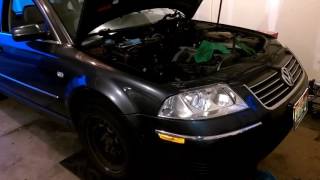
Helpful Videos

Technical Specifications
OEM Part Numbers: 058145805A 058145805B 058145805G 058145805H 3B0145805E 3B0145805H 8D0145805B 8D0145805D
Side-mount air-to-air intercooler with plastic end tanks and an aluminum core. Fits 1.8L turbocharged engines (AEB, AWM, etc.).
We Have This Part in Stock

The information in this article is provided for general reference and educational purposes only. Vehicle specifications, procedures, and part compatibility can vary by production date, trim level, and region. Always consult your vehicle's factory service manual and verify part numbers before purchasing or performing repairs. Safety-critical components such as airbags, seat belts, and braking systems should be installed by a qualified professional.
- Volkswagen Passat:
- Audi A4: