

2001-2016 Hyundai & Kia Manual Rear View Mirror: Loose, Drooping, and Replacement Guide
This guide covers the common failures and simple replacement of the standard manual-dimming interior rear view mirror for the Hyundai Tucson, Santa Fe, Kia Sorento, Sportage, and more.
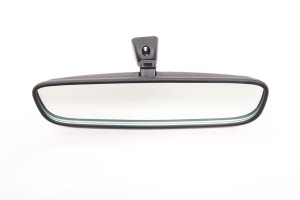
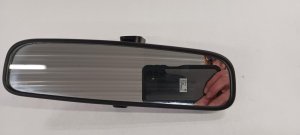
- This is a basic, manual mirror with NO electronic features. It cannot replace an auto-dimming, compass, or HomeLink mirror.
- The most common failure is a loose ball joint that causes the mirror to droop and not hold its position.
- Replacement is extremely easy and takes only a few minutes with a single screwdriver, making it an ideal DIY repair.
- A used OEM mirror is often a better choice than a new aftermarket one, offering superior quality and perfect fit at a similar price.
Vehicle Fitment and Critical Compatibility Warning

This basic manual interior rear view mirror is a shared part across a wide range of Hyundai and Kia vehicles. It serves as the standard, non-electronic mirror on many models.
- 2005-2008 Hyundai Tucson
- 2001-2006 Hyundai Santa Fe
- 2003-2009 Kia Sorento
- 2005-2010 Kia Sportage
- 2006 Kia Optima
- 2005-2009 Kia Sedona
- 2009-2016 Hyundai Genesis (Base models only)
- 2006-2011 Hyundai Azera (Base models only)
- 2007-2012 Hyundai Veracruz (Base models only)
- 2009-2011 Kia Borrego (Base models only)
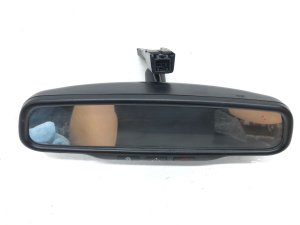
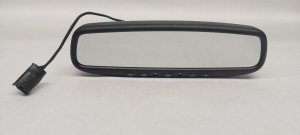
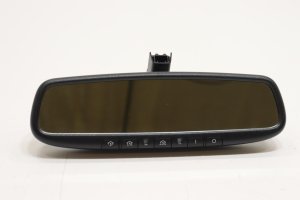
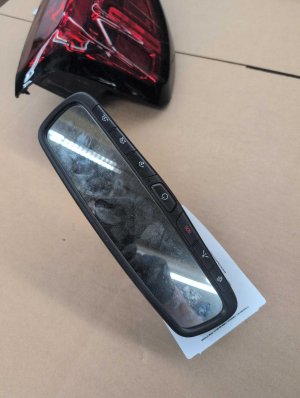
Warning: Verify Your Mirror Type. This is a manual dimming (day/night) mirror with NO electronic features. Higher trim levels of the Azera, Genesis, Veracruz, and other models came standard with mirrors featuring auto-dimming, a compass, or HomeLink garage door openers. Those mirrors have electrical connectors. This manual mirror has no wiring and cannot be used as a direct replacement for an electronic mirror without a loss of all features. Before purchasing, look for a power button, sensors, or a compass display on your current mirror. If you have any of these, this part is not the correct replacement for you.
Symptoms of a Failing Rear View Mirror

Failure of a manual rear view mirror is always mechanical. Here are the common signs that it needs to be replaced:
- Loose or Drooping Mirror: The most common issue is a worn-out ball joint where the mirror pivots. The mirror will no longer hold its position and will droop or shift while driving over bumps.
- Broken Day/Night Tab: The small lever used to flip between day and night modes can break off, or the internal mechanism can fail, leaving it stuck in one position.
- Cracked or Damaged Glass: The mirror glass can be cracked by an impact. Over time, the reflective backing can also start to delaminate or tarnish, causing dark spots or a foggy appearance.
- Mirror Falls Off Windshield: The entire mirror assembly may detach from the metal mounting button that is glued to the windshield. This is usually a failure of the set screw or the mounting bracket on the mirror itself, not the button on the glass.
Step-by-Step Replacement Guide

Replacing this mirror is one of the easiest DIY repairs you can perform. It typically takes less than 15 minutes.
Tools Needed:
- Phillips or Torx screwdriver (usually a T20 size)
- Small flathead screwdriver (optional, for prying)
Removal and Installation Steps:
- Locate the Set Screw: Look at the base of the mirror where it connects to the metal mount on the windshield. You will see a small Phillips or Torx head screw.
- Loosen the Screw: Turn the set screw counter-clockwise to loosen it. You do not need to remove it completely, just back it out a few turns until the mirror mount feels loose.
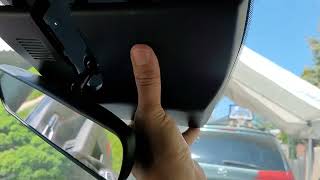
- Slide the Mirror Off: With the screw loosened, firmly grip the mirror mount (not the mirror glass) and slide the entire assembly upward, parallel to the windshield, about half an inch. It should slide right off the metal button that remains on the glass.
- Install the New Mirror: Take the replacement mirror and ensure its set screw is backed out. Slide it down onto the windshield button from above until it's fully seated.
- Tighten the Set Screw: While holding the mirror in place, tighten the set screw clockwise until it is snug. Do not overtighten, as this can strip the threads or crack the mount. The mirror should now be secure.
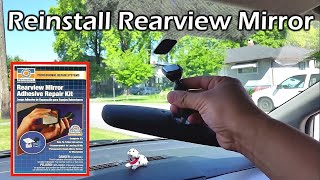
Pro Tip: If your entire mirror mount, including the metal button, has detached from the glass, you do not need a new mirror. You need a special rear view mirror adhesive kit, available at any auto parts store, 🎬 See this demo on using mirror adhesive kits to re-glue the metal button to the windshield. Follow the instructions in the kit carefully, which usually involves cleaning both surfaces and allowing the adhesive to cure for a specific time 🎬 Watch: How to reattach your mirror so it stays before re-mounting the mirror.
Buying a Used Interior Rear View Mirror

For a simple mechanical part like this, a used OEM mirror is an excellent value. It will have the same fit, finish, and quality as the original part, often at a fraction of the price of a new one. Cheap aftermarket mirrors can have distorted glass or use lower-quality plastic that vibrates more easily.
What to Inspect:
- Ball Joint Tension: The most critical check. Hold the mirror's base and try to pivot the mirror glass. It should move smoothly but with enough resistance to hold its position firmly. If it's floppy or loose, it will droop in your car.
- Day/Night Lever: Flip the tab back and forth. It should have a positive 'click' or 'thunk' as it engages in each position. If it's mushy or doesn't hold, the mechanism is worn out.
- Glass Condition: Check the mirror for any deep scratches, cracks, or signs of 'de-silvering' (dark, tarnished edges).
- Mounting Point: Look at the mounting bracket and the set screw. Ensure the screw threads are clean and the bracket isn't cracked or stripped.
Cost Comparison
The cost to replace this manual mirror varies significantly between new, aftermarket, and used options.
| Part Type | Estimated Price Range |
|---|---|
| New OEM | $60 - $150 |
| New Aftermarket | $15 - $50 |
| Used OEM | $20 - $50 |
| Shop Labor | $25 - $75 |
Technical Specifications and Part Numbers
These are the primary OEM part numbers for this manual mirror. They are generally interchangeable between the listed Hyundai and Kia models.
- Hyundai/Kia Part Number: 8510126000
- Hyundai/Kia Part Number: 0K57T69220
Key Specifications:
- Type: Manual Dimming (Day/Night)
- Electrical Connections: None
- Color: Typically Black
Frequently Asked Questions (FAQ)
My car has an auto-dimming mirror with a power button. Will this mirror work?
No. This is a purely mechanical mirror with no wiring. It cannot replace an electronic mirror. You must find a replacement that has the same electronic features (auto-dimming, compass, HomeLink) as your original.
My mirror is just loose. Can I tighten it instead of replacing it?
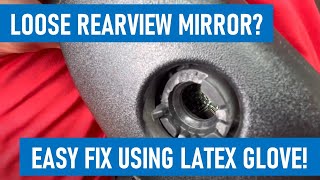
Sometimes. First, check that the set screw holding the mirror to the windshield mount is tight. If it is, the looseness is likely internal to the ball-and-socket pivot joint. 🎬 Watch: How to fix a loose rear view mirror There is no way to tighten this internal joint, and the mirror will need to be replaced.
Does this mirror have a compass or any lights?
No. This is the most basic mirror available for these vehicles. It has no electronic features, compass, lights, or wiring of any kind.
Is it difficult to replace this mirror myself?
No, this is a very easy job for a beginner. It requires only a single screwdriver and takes about 15 minutes. There is no need to remove any other interior trim panels.
Helpful Videos
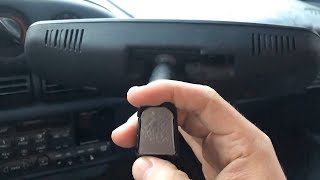

Technical Specifications
OEM Part Numbers: 8510126000 0K57T69220
Manual day/night dimming function, no electrical connections.
We Have This Part in Stock

The information in this article is provided for general reference and educational purposes only. Vehicle specifications, procedures, and part compatibility can vary by production date, trim level, and region. Always consult your vehicle's factory service manual and verify part numbers before purchasing or performing repairs. Safety-critical components such as airbags, seat belts, and braking systems should be installed by a qualified professional.
- Hyundai Tucson:
- Hyundai Santa Fe:
- Kia Sorento:
- Kia Sportage:
- Kia Optima:
- Kia Sedona:
- Hyundai Genesis:
- Hyundai Azera:
- Hyundai Veracruz:
- Kia Borrego:
- 🎬 Helpful Videos
- 🛍️ Shop This Part
- Vehicle Fitment and Critical Compatibility Warning
- Symptoms of a Failing Rear View Mirror
- Step-by-Step Replacement Guide
- Tools Needed:
- Removal and Installation Steps:
- Buying a Used Interior Rear View Mirror
- What to Inspect:
- Cost Comparison
- Technical Specifications and Part Numbers
- Frequently Asked Questions (FAQ)
- 🎟️ Get 5% Off