

Mercedes GL, GLS, ML, GLE Liftgate Failure (2012-2026): Grinding Noises, Drifting Down, and Software Fixes
Your guide to diagnosing whether your power liftgate problem is a bad motor, a weak gas strut, or just a software glitch that needs a reset.
- The system uses two different parts: a motorized strut on the right and a simple gas strut on the left. A weak left strut can cause the entire power system to malfunction.
- A loud grinding noise from the right side means the motorized strut has failed mechanically and must be replaced.
- Many problems (like reversing mid-cycle) are caused by software glitches or a weak battery, not a failed motor. Always try a manual reset procedure first.
- The liftgate is extremely heavy; you must prop it open securely before attempting any repairs to prevent serious injury.
Vehicle and Part Compatibility: 166 vs. 167 Platforms

This power liftgate system is used across two distinct generations of Mercedes-Benz SUVs. While the operating principles are similar, the specific part numbers are different. It is critical to match the part number to your vehicle's specific platform and model year.
| Platform (Chassis Code) | Models | Approx. Years | Key Part Number Prefix |
|---|---|---|---|
| 166 Platform | M-Class / ML-Class (W166), GL-Class (X166), GLE-Class (W166), GLS-Class (X166) | 2012–2019 | 166... (e.g., 1668901130) |
| 167 Platform | GLE-Class (V167), GLS-Class (X167), including GLS450, GLS580, AMG GLS63, and Maybach GLS600 | 2020–2026 | 167... (e.g., 1678901200) |
Warning: These parts are only for models equipped with the power liftgate feature (Option Code 890). They are not compatible with manual liftgates.
Common Symptoms of a Failing Power Liftgate Support

Diagnosing a liftgate issue requires paying close attention to the specific sounds and behaviors, as different symptoms point to very different problems.
Grinding or Popping Noises During Operation
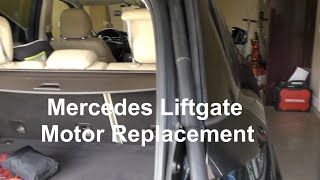
A loud grinding, clicking, or popping sound coming from the right (passenger) side of the liftgate is the most definitive sign of failure. This noise indicates that the plastic gears inside the motorized spindle drive have stripped or broken. The motor is trying to work, but the internal mechanism is destroyed. At this point, the only solution is to replace the entire right-side motorized strut assembly.
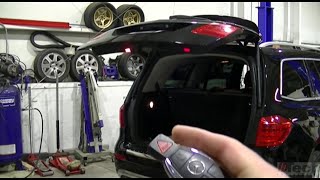
🎬 Watch this step-by-step guide to replacing the motorized spindle drive.Liftgate Drifts Down or Won't Stay Open
If the liftgate opens but then slowly drifts downward or slams shut, the problem is almost always the left-side gas support strut. The gas charge inside the strut has leaked out, and it can no longer hold the weight of the heavy tailgate. This is a significant safety hazard, as the tailgate can fall unexpectedly on a person or object. This issue is often more noticeable in cold weather, as the lower temperature reduces the pressure of the remaining gas.
Liftgate Acts Erratically (Reverses, Stops, Won't Latch)
When the liftgate opens part-way and stops, reverses direction unexpectedly, or fails to close completely, the cause is often not the expensive motorized strut. Before assuming the motor is bad, investigate these common causes:
- Failing Left-Side Gas Strut: The control module monitors the effort required to open the gate. If the left gas strut is weak, the motor has to work too hard. The system interprets this extra strain as an obstruction and reverses direction as a safety precaution.
- Software/Normalization Issue: The Tailgate Control Module (TCM) can lose its memory of the proper open and close positions. This is very common after the vehicle's battery has been replaced or has gone dead. Often, a simple reset procedure can fix this without replacing any parts.
Diagnosing the Problem: Motor, Strut, or Software?

Follow these steps to narrow down the cause of your liftgate problem.
- Listen Carefully: Have a helper operate the liftgate while you stand near the rear. Is there a loud, mechanical grinding noise from the right side? If yes, the motorized strut has failed. If the operation is quiet but erratic, proceed to the next steps.
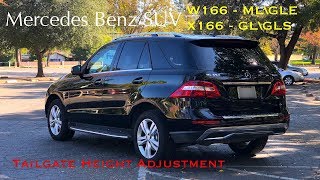
- Try a Manual Reset (Normalization): This simple procedure can often resolve software glitches. First, open the tailgate all the way (manually if needed). Then, press and hold the round 'close' button on the edge of the tailgate. Continue holding the button as it closes and for at least 5-10 seconds after it has fully latched, until you hear a beep. This can re-teach the control module the proper limits. 🎬 See how to adjust and set your tailgate opening height.
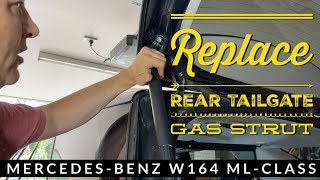
- Inspect the Left Gas Strut: Look closely at the metal shaft of the left-side strut. Is there any oily residue? Oil leakage is a sure sign the internal seal has failed and the strut needs replacement. Even without visible leaks, if the gate won't stay open, this strut is the culprit. 🎬 Watch a quick demonstration on replacing the left-side gas struts.
- Check for Fault Codes: If the simple reset doesn't work, the next step is a professional diagnosis. A Mercedes-specific scan tool can read fault codes from the Tailgate Control Module. Codes like B224E49 or B224555 often point to a software issue that can be fixed by a dealer without replacing parts.
Known Issues, Recalls, and Technical Service Bulletins (TSBs)
- TSB for Fault Code B224E49: Mercedes-Benz issued a TSB for the 166-platform vehicles that addresses this specific fault code. It indicates an internal error in the control module. The official fix is not to replace the module, but for a dealer to perform a software update and re-code it.
- Vehicle Recalls (Not Liftgate Related): While there are no active recalls for the liftgate struts themselves, several recalls exist for these vehicle platforms. These include NHTSA campaign 24V-207 for a loose 48V ground connection under the passenger seat, and 24V-118 for a transmission software issue that could cause stalling. These do not directly affect the liftgate but are important for owners to be aware of.
Buying a Used Liftgate Support: What to Look For
Buying a used OEM part can offer significant savings, but inspection is key. Because the system uses two different types of struts, the inspection criteria are different for each.
Right-Side Motorized Strut (Higher Risk)
This is a complex electronic and mechanical part. Be cautious when purchasing used.
- Source with a Warranty: A recycled OEM part from a reputable seller with a warranty is much safer than a cheap aftermarket clone or a questionable part from an online marketplace. Some used units may have internal electronic faults that prevent them from being programmed to the vehicle.
- Inspect the Connector: Check the electrical connector and its pins. They should be clean, straight, and free of any corrosion or damage.
- Check for Physical Damage: Look for dents in the housing or a bent spindle rod, which could impede its movement.
Left-Side Gas Strut (Lower Risk)
This is a simple mechanical part and is much safer to buy used.
- Check for Leaks: The most important check is for any sign of oil or greasy residue on the polished metal shaft. Any fluid indicates a failed seal, and the strut should be rejected.
- Avoid Physical Damage: Do not buy a strut with significant dents or corrosion on the main black body, as this can compromise the cylinder.
Pro Tip: Whenever possible, purchase the left and right struts as a matched pair from the same donor vehicle. This ensures they have experienced similar wear and will work well together.
Replacement Overview & Difficulty

Warning: The liftgate on these SUVs is extremely heavy. Before attempting to remove either strut, you MUST prop the liftgate open securely. Use a strong piece of wood or a dedicated support rod. Failure to do so can result in the gate slamming shut, causing serious injury or damage to the vehicle.
The replacement process is generally straightforward for a DIYer with basic tools.
- Support the Liftgate: Securely prop the tailgate in the fully open position.
- Access the Struts: On some models, you may need to remove small interior trim pieces near the top of the strut to access the connection point.
- Disconnect Electrical (Right Side Only): For the motorized strut, locate and disconnect the electrical harness connector.
- Release the Retaining Clips: The struts are held onto ball studs on the body and tailgate. Use a small flathead screwdriver to gently pry open the metal retaining clip at each end of the strut. You only need to open it slightly to release the tension.
- Install the New Strut: The new strut simply snaps onto the ball studs. Ensure the clips are secure. Reconnect the electrical plug for the right side.
- Test and Normalize: Remove the support prop and test the power operation. Perform the manual reset procedure described in the diagnosis section to ensure the system learns the new part's limits.
Cost Comparison: New vs. Used Liftgate Supports
| Part | New OEM | New Aftermarket | Used OEM |
|---|---|---|---|
| Right Motorized Strut | $450 - $550 | $120 - $220 | $100 - $250 |
| Left Gas Strut | $150 - $200 | $40 - $80 | $30 - $60 |
| Shop Labor Cost | $150 - $300 | ||
Frequently Asked Questions (FAQ)
How do I perform a liftgate reset or normalization?
A simple user reset can be done by manually opening the liftgate all the way, then pressing and holding the close button on the tailgate itself. Continue to hold the button for 5-10 seconds after it has fully closed and latched until it beeps. This often fixes issues caused by a weak or replaced battery. If this doesn't work, a more advanced normalization using dealer diagnostic tools may be required.
Why does my liftgate open a little then close again?
This is a classic symptom of the system sensing too much resistance and reversing for safety. The most common cause is a weak left-side gas strut that is no longer helping lift the gate's weight. It can also be caused by a software glitch that requires the normalization procedure.
Can I replace just one liftgate strut?
Yes, you can replace only the failed component. For example, if you hear grinding, you only need to replace the right motorized strut. If the gate is drifting down, you only need to replace the left gas strut. However, it is often recommended to replace them in pairs to ensure even wear and balanced operation, especially on higher-mileage vehicles.
Is a trip to the dealer always necessary after replacing a strut?
Not always. After installing the new part, you should always attempt the manual normalization procedure first. In many cases, this is sufficient to restore full function. However, if the liftgate still behaves erratically or if the control module had stored specific fault codes, a dealer visit to properly code and synchronize the new part with the vehicle may be necessary.
Helpful Videos
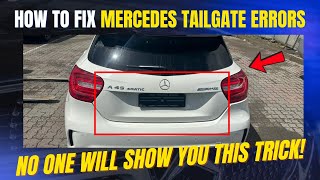
Technical Specifications
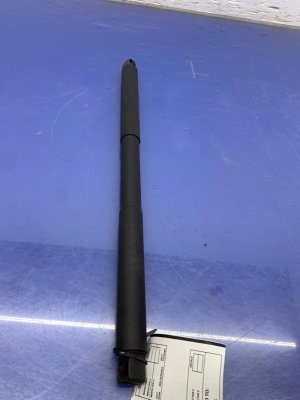
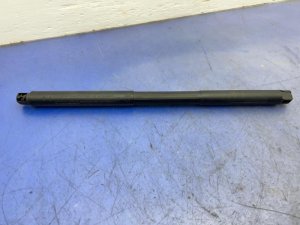
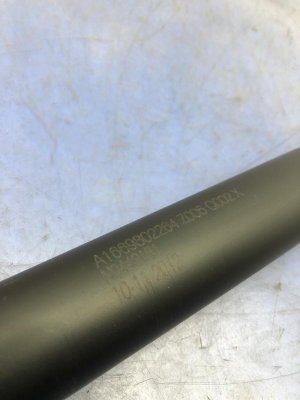
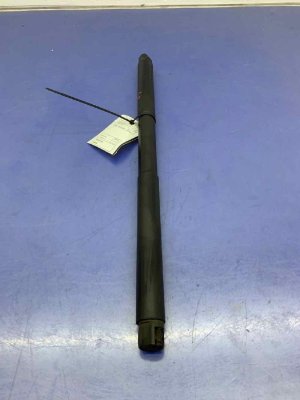
OEM Part Numbers: 1668900100 1668900430 1668900530 1668901130 1668901230 1669802164 1669802264 1669803764 1678901000 1678901200 167890120028 167890120064 1679800764 A1668900000 A1668900100
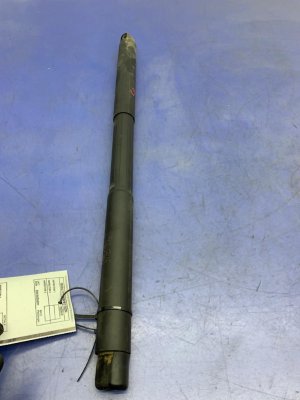
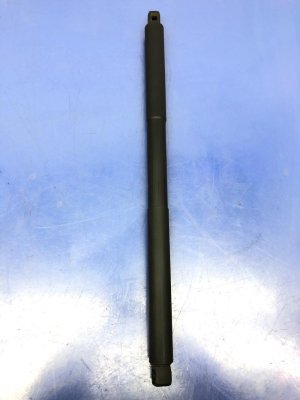
System consists of one motorized spindle drive (right side) and one gas-charged support strut (left side). Operates on the vehicle's 12V system and is controlled by the Tailgate Control Module (TCM).
We Have This Part in Stock

The information in this article is provided for general reference and educational purposes only. Vehicle specifications, procedures, and part compatibility can vary by production date, trim level, and region. Always consult your vehicle's factory service manual and verify part numbers before purchasing or performing repairs. Safety-critical components such as airbags, seat belts, and braking systems should be installed by a qualified professional.
- MERCEDES-BENZ GLS-CLASS:
- MERCEDES-BENZ GL-CLASS:
- Mercedes-Benz GLE-Class:
- MERCEDES-BENZ M-Class:
- Mercedes-Benz Maybach GLS600:
- Mercedes-Benz GLS450:
- Mercedes-Benz GLS580:
- Mercedes-Benz GLS63 AMG:
- MERCEDES-BENZ ML-CLASS:
- 🎬 Helpful Videos
- 🛍️ Shop This Part
- Vehicle and Part Compatibility: 166 vs. 167 Platforms
- Common Symptoms of a Failing Power Liftgate Support
- Grinding or Popping Noises During Operation
- Liftgate Drifts Down or Won't Stay Open
- Liftgate Acts Erratically (Reverses, Stops, Won't Latch)
- Diagnosing the Problem: Motor, Strut, or Software?
- Known Issues, Recalls, and Technical Service Bulletins (TSBs)
- Buying a Used Liftgate Support: What to Look For
- Right-Side Motorized Strut (Higher Risk)
- Left-Side Gas Strut (Lower Risk)
- Replacement Overview & Difficulty
- Cost Comparison: New vs. Used Liftgate Supports
- Frequently Asked Questions (FAQ)
- 🎟️ Get 5% Off