

B1001 on 2000-2006 Chevrolet Tahoe: Airbag Light and Configuration Error Fixes
On a 2000-2006 Tahoe, code B1001 almost always means the Body Control Module (BCM) or Airbag Module (SDM) was replaced but not programmed. This turns on the airbag light. The fix is not a part, but a programming service using a special scan tool, typically costing $100-$250 at a dealer or qualified shop.
- B1001 means a programming step was missed, not that a part has failed.
- The airbag system is disabled while the B1001 code is active.
- You cannot fix this code with a standard OBD-II reader; it requires professional programming with a tool like a GM Tech 2 or high-end Autel/Snap-on.
- Before buying any parts, confirm if the BCM or SDM was recently replaced. The fix is likely a service, not a part.
- Do not let a shop replace the SDM or BCM again to fix this code; insist on performing the 'Setup New Module' or '10-minute VTD Learn' procedure first, as specified in TSB PIT4093B.
What's Unique About the 2000-2006 Chevrolet TAHOE
On the GMT800 platform, which includes the 2000-2006 Tahoe, major control modules like the BCM and SDM are not 'plug-and-play'. They contain specific information about the vehicle, including its VIN and optional equipment (RPO codes). When a new or used module is installed, it must be electronically 'introduced' to the vehicle. The B1001 code is the system's way of flagging that this introduction, or programming, hasn't been done, leading to a mismatch between the modules. TSB PIT4093B explicitly details this procedure for dealers, confirming it's a known, process-related issue.
Diagnostic Flowchart
Tap your situation to follow the diagnostic path that matches what you're seeing on this vehicle.
Symptoms You May Notice
- Airbag warning light is constantly on
- Message on the Driver Information Center (DIC) related to "Service Airbag System"
- Code B1001 is present as a current (not history) DTC when read with a capable scan tool.
- Replacing the clock spring
- Replacing airbag sensors
- Replacing the SDM or BCM again without realizing programming is the actual issue.
Most Likely Causes
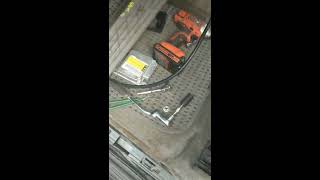
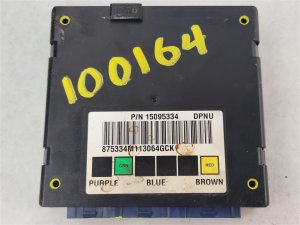
- Sensing and Diagnostic Module (SDM) Replaced Without Programming 🔴 High Probability → Shop Air Bag Control Module The SDM is a common replacement item after an accident or due to internal failure. It must be programmed 🎬 Watch: How to remove the front seat and SDM module to the vehicle's BCM upon installation.
How to confirm: Confirm if the SDM was recently replaced. Use a professional scan tool to check for communication with the SDM and initiate the 'Setup SDM' procedure. The tool will fail this procedure if the modules are mismatched.
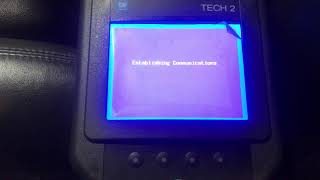
Typical fix: Perform the 'Setup New SDM' or 'Setup SDM Part Number in BCM' procedure using a compatible professional scan tool. TSB PIT4093B specifies performing a '10 minute Vehicle Theft Deterrent - Learn' procedure with a Tech 2.
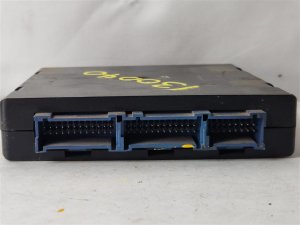
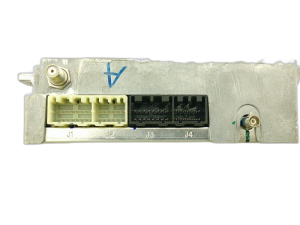
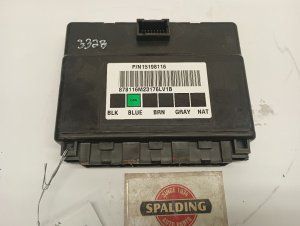
Est. part cost: $0 (Programming Service) - Body Control Module (BCM) Replaced Without Programming 🔴 High Probability → Shop Body Control Module The BCM controls many body functions and may be replaced to fix other issues. It stores vehicle configuration data that must match the SDM.
How to confirm: Confirm if the BCM was recently replaced. A professional scan tool will show a configuration mismatch originating from the BCM.
Typical fix: Program the new BCM with the vehicle's specific VIN and RPO codes, then perform the SDM setup procedure. This may also require a theft deterrent relearn.
Est. part cost: $0 (Programming Service) - Used SDM or BCM Installed 🟡 Medium Probability Using salvaged parts is common, but these modules carry the VIN and configuration from the donor vehicle, causing an immediate mismatch. For 2003 and newer models, the SDM is VIN-locked and generally cannot be reprogrammed to a new vehicle.
How to confirm: The B1001 code will appear immediately after installing a used module. A scan tool may be able to read the mismatched VIN from the used module.
Typical fix: The used module must be reprogrammed. However, many used GM modules from this era are 'VIN-locked' and cannot be flashed with a new VIN, requiring the purchase of a new module. 🎬 See how to program a used SDM using a Tech2 Some specialist services offer mail-in clearing for original modules after a crash but may not be able to re-VIN a used one.
Est. part cost: $0 (Programming Service) or cost of a new module if locked.
Rare But Worth Checking
- Intermittent Voltage Drop During Startup: A weak battery or failing ignition switch can sometimes cause a temporary communication glitch between the BCM and SDM at startup, setting a history B1001 code. If the code is not current and the airbag light is off, this may be the cause.
Diagnosis Steps
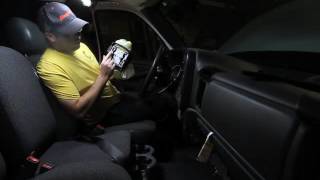
- Connect a professional scan tool (GM Tech 2, Autel MaxiSys, Snap-on Solus, etc.) capable of reading 🎬 Watch: Programming the SDM module with a Snap-on scan tool B-codes and accessing the BCM and SDM modules.
- Verify that B1001 is the active/current code and note which module is setting it (usually the SDM).
- Ask the vehicle owner or check service records to determine if the BCM or SDM has been recently replaced. This is the most common trigger.
- Using the scan tool, navigate to the special functions for the 'Inflatable Restraint', 'SIR', or 'Airbag' system.
- Per TSB PIT4093B, the primary fix is to perform a 'Vehicle Theft Deterrent - Learn' which takes 10 minutes. This allows the BCM and SDM to learn each other's restraint IDs. A 30-minute relearn will NOT work for this specific issue.
- Alternatively, look for a procedure named 'Setup SDM Part Number in BCM' or 'Setup New Module' and follow the on-screen prompts.
- Follow the on-screen prompts to allow the BCM to learn the new SDM's identification number and/or VIN.
- Once the procedure is complete, clear the B1001 code.
- Cycle the ignition off for at least 30 seconds, then turn it back on and verify that the airbag light turns off and the code does not return.
Parts You'll Likely Need
- Programming Service — This code is resolved by a software configuration procedure, not by replacing a physical part. The cost is for the labor and use of specialized diagnostic equipment.
OEM price range: $100-$250
Aftermarket price range: $100-$200 - Sensing and Diagnostic Module (SDM)
(OEM #12231770 (Replaces 12220290 for some 2003-2004 models, verify by VIN))— This part is what *causes* the code when it's replaced without being programmed. If the original fault was a bad SDM, this part is required, followed by programming.
Trusted brands: ACDelco (Genuine GM)
OEM price range: $250-$400
Aftermarket price range: $150-$300 - Body Control Module (BCM) — This part is what *causes* the code when it's replaced without being programmed. If the original fault was a bad BCM, this part is required, followed by programming.
Trusted brands: ACDelco, Dorman
OEM price range: $200-$350
Aftermarket price range: $150-$250
Technical Service Bulletins (TSBs) & Recalls
- PIT4093B: Communicates dealership procedure for clearing a B1001 DTC after replacing the BCM or SDM. It specifies a 10-minute VTD learn process is required, not a 30-minute one.
Platform-Specific Known Issues
- GM Technical Service Bulletin #PIT4093B explicitly details the need to perform a 10-minute 'Vehicle Theft Deterrent - Learn' procedure to sync the modules and clear a B1001 DTC after replacing the BCM or SDM, confirming this is a known procedural issue.
- A real-world owner experience on 2CarPros.com highlights the frustration of this repair. An owner replaced a BCM, and multiple independent shops with professional tools could not program it. The dealer also failed, indicating that sometimes even with the right tools, a faulty 'new' or remanufactured module can be the root cause, leading to repeated programming failures.
Mechanic-Grade Diagnostic Values
- Class 2 Serial Data Bus Voltage — expected: The bus is active at a nominal 7.0 volts and inactive at ground (0 volts). It operates at a speed of 10.4 Kbps.. Failure: No voltage, or voltage that is stuck high or low, indicates a communication problem on the circuit. A loss of serial data DTC does not normally represent a failure of the module that set it, but rather a communication breakdown.
Hidden / Shadow Codes Worth Checking
- B1001 00: A generic 'Option Configuration Error' where the base DTC text provides the complete description. (see via A professional scan tool like a GM Tech 2 or high-end aftermarket scanner that can read GM-specific body codes and their symptom bytes.)
- B1001 46: Indicates an 'Option Configuration Error' with a failure type of 'Calibration/Parameter Memory Failure'. This points more specifically to an issue with the module's internal memory (like FLASH or EEPROM) where configuration data is stored. (see via A professional scan tool capable of reading GM-specific body codes and their symptom bytes.)
Scan Tool Commands That Help
- GM Tech 2: Vehicle Theft Deterrent - Learn (10 minute) — Per TSB PIT4093B, this is the specific procedure required after a BCM or SDM replacement to allow the modules to learn each other's restraint IDs. A 30-minute relearn will not work for this issue.
- GM Tech 2: Setup SDM Part Number in BCM — This function is used to write the new SDM's part number information into the BCM to resolve the mismatch. The menu path is typically: Body > Supplemental Inflatable Restraint > Module Setup.
- GM Tech 2: Setup New SDM — This function is used after installing a new SDM to program the vehicle's VIN and other configuration data into the airbag module itself.
- Autel/Snap-on (High-End): Setup SDM Primary Key in BCM — This is the equivalent function on many high-end aftermarket scan tools to synchronize the SDM and BCM after a module replacement.
Wiring & Ground Locations
- Class 2 Serial Data Wire — This is the communication wire between the BCM and SDM. It is typically a Purple wire or a Light Green wire on GMT800 models. It can be found at Pin 2 of the Data Link Connector (DLC) and at specific pins on the BCM and SDM connectors. On the BCM, it is often located at connector C1, pin B1.. A short or open on this wire can prevent the BCM and SDM from communicating, which could theoretically cause a configuration error code, although a direct module mismatch is far more common. Checking for 7V activity on this wire can rule out a communication line failure.
- BCM (Body Control Module) — Located on the lower left side of the dashboard, below the steering column.. This is one of the two primary modules involved in the B1001 code. Physical access is needed to replace it or to check its connectors and grounds.
- G203 (Ground) — A common ground point located near the left 'A' pillar, in the driver's side kick panel area.. The BCM and other nearby modules rely on this ground. Corrosion or looseness at G203, often caused by water leaks from the windshield, can cause intermittent and difficult-to-diagnose electrical issues, including module communication problems.
- SDM (Sensing and Diagnostic Module) — Located under the driver's seat or front center seat, beneath the carpet.. This is the airbag control module and the second primary module involved in the B1001 code. It is prone to corrosion from water intrusion due to its location.
Real Owner Repair Stories
- 2CarPros Forum User (2000 Buick Regal (similar GM electronics)) — Airbag light constantly on with code B1001 after BCM replacement.
❌ Tried (didn't work) Programming a remanufactured (Cardone) BCM with a Snap-On tool., Attempting to program a second remanufactured BCM with a GM tool at a second shop; the module was reported as 'locked'., A third attempt at a GM dealership also failed to program the aftermarket BCM, even though they confirmed the VINs matched in all modules.
✅ What actually fixed it The story highlights a critical failure pattern rather than a fix: remanufactured BCMs for this platform can be defective or improperly prepared, making them impossible to program even with dealer tools, leading to a persistent B1001 code.
OEM Part Supersession History
Varies by year→Varies by year— SDM Module VIN Locking
Heads up: SDM modules for 2003 and newer GMT800 trucks are VIN-locked to the original vehicle. When replacing an SDM on a 2003-2006 Tahoe, it is highly recommended to send the original module for a 'crash data clear' service rather than attempting to install and program a used module from another vehicle. A used module will set a B1001 and likely cannot be reprogrammed.
Model Year Variations Within This Range
- 2000-2002 vs. 2003-2006: A significant interior and electrical refresh occurred in the 2003 model year. The dashboard, center console, radio (1.5-DIN to Double-DIN), and gauge cluster were changed. More importantly for this code, the electronics were updated. The PCM was changed to the more powerful P59 controller, and modules like the SDM became VIN-locked starting in 2003. This makes part-swapping from 2003+ donor vehicles into earlier models (or vice-versa) highly problematic.
Helpful Videos

We Have This Part in Stock

The information in this article is provided for general reference and educational purposes only. Vehicle specifications, procedures, and part compatibility can vary by production date, trim level, and region. Always consult your vehicle's factory service manual and verify part numbers before purchasing or performing repairs. Safety-critical components such as airbags, seat belts, and braking systems should be installed by a qualified professional.
- Chevrolet TAHOE:
- 🧭 Diagnostic Flowchart
- 🎬 Helpful Videos
- 🛍️ Shop This Part
- What's Unique About the 2000-2006 Chevrolet TAHOE
- Symptoms You May Notice
- Most Likely Causes
- Rare But Worth Checking
- Diagnosis Steps
- Parts You'll Likely Need
- Technical Service Bulletins (TSBs) & Recalls
- Platform-Specific Known Issues
- Mechanic-Grade Diagnostic Values
- Hidden / Shadow Codes Worth Checking
- Scan Tool Commands That Help
- Wiring & Ground Locations
- Real Owner Repair Stories
- OEM Part Supersession History
- Model Year Variations Within This Range
- 🎟️ Get 5% Off