

OBD-II Code B1008: A Comprehensive Guide to System Calibration & Communication Errors
What B1008 means, why it triggers, and how to fix it on GM, Honda, Jeep, and more
- Code B1008 has completely different meanings across brands, requiring a professional scanner to read the 2-digit symptom byte (like GM's '-4B') for an accurate diagnosis.
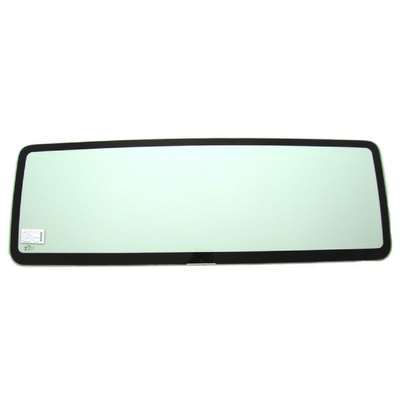
- On 2015+ GM vehicles, B1008-4B indicates a front camera calibration failure, caused by aftermarket windshields in over 80% of cases; verify OEM glass before replacing parts.
- For 2020 Jeep Renegades and 2014-2017 RAM ProMasters, B1008 points to a turn signal failure with documented TSBs requiring a $150 BCM software update or a $40 housing replacement.
- Fixing a GM B1008 camera code requires a $250-$650 professional ADAS dynamic calibration using specialized targets and scan tools, making it impossible to DIY.
What Does B1008 Mean?
B1008 is a body control module (BCM) code whose meaning varies dramatically by manufacturer. On most modern General Motors vehicles, it indicates the front ADAS camera has a calibration problem, setting with symptom byte 4B for 'Calibration Not Learned'. For Honda models, it signifies a B-CAN network communication failure between the main computer (MICU) and the instrument panel. For specific Jeep and RAM models, it points to an electrical circuit fault in the right front turn signal. On Nissan vehicles, it indicates a fault within the airbag system's diagnostic sensor unit, typically after a collision.
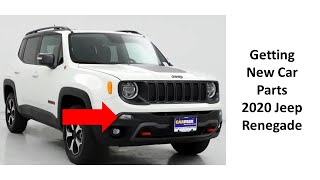
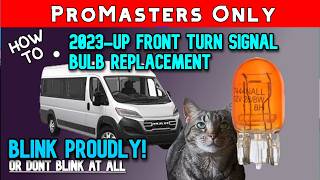
Technical definition: The SAE/ISO definition for B1008 is not standardized. Manufacturer-specific definitions are critical. For General Motors, it is B1008-4B: 'Front View Camera Module Calibration Not Learned'. 🎬 Watch: Troubleshooting the B1008 4B code on a GMC Yukon. For Honda, it is 'MICU Lost Communication with Gauge Control Module'. 🎬 See how to diagnose Honda MICU communication failures. For Jeep, it is B1008-15: 'Front-Lateral Right Turn Light-Circuit Short To Battery Or Open'. For RAM, it is B1008-18: 'Right Turn Lamp - Under Current'. For Nissan, it refers to the 'Diagnosis Sensor Unit' in the SRS Airbag Control Module.
Can I Drive With B1008?
Yes, But With Caution. Yes, but with extreme caution. On GM vehicles, critical safety features like Forward Collision Alert and Lane Keep Assist are disabled, increasing accident risk. On Hondas, driving without a functional speedometer or temperature gauge is illegal and risks severe engine damage. Repair the vehicle promptly to restore safety systems and legal compliance.
Common Causes
- Aftermarket or Improperly Installed Windshield (GM) (Very Common) — This is the primary cause on GM vehicles with ADAS. Aftermarket windshields have misaligned camera brackets or incorrect optical properties, preventing the camera from calibrating. Even an OEM windshield installed with an incorrect gap to the roof causes this code.
- ADAS Camera Recalibration Required (GM) (Common) — Calibration is mandatory after a windshield replacement, collision repair, wheel alignment, or disconnecting the camera. The B1008-4B code specifically means this calibration has not been successfully completed.
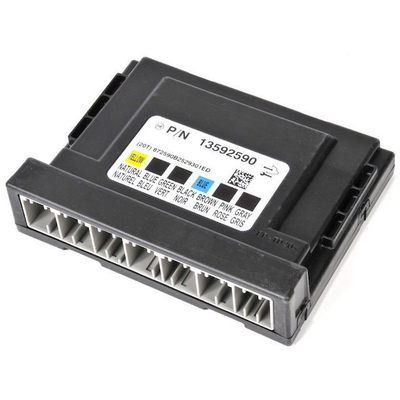
- BCM Software Glitch (Jeep) (Common) — For 2020 Jeep Renegade models built before March 21, 2020, this code is caused by a software bug in the Body Control Module. TSB 08-054-20 fixes this with a dealer software update.
- Melted Turn Signal Housing (RAM) (Common) — On 2014-2017 RAM ProMaster vans, the original black plastic mirror turn signal housing melts from the bulb's heat, causing a poor connection. TSB 08-078-17 addresses this known defect.
- Front Camera View Obstruction (GM) (Common) — The camera's view is blocked by dirt, snow, ice, stickers, or heavy tint on the windshield. The system disables itself for safety if its vision is compromised.
- Damaged Wiring or Corroded Connectors (Less Common) — On GM vehicles, wiring in the rearview mirror harness is often damaged during windshield replacement. On Hondas, loose connectors at the gauge cluster or under-dash fuse box (MICU) trigger the code. On Jeeps, road salt corrodes the turn signal socket.
- Low Battery Voltage / Weak Battery (Less Common) — Low or unstable battery voltage disrupts communication between modules, triggering an intermittent B1008 code, particularly on Honda models.
- Faulty Front Camera Module (GM) (Rare) — The camera module itself rarely fails. GM TSBs explicitly warn technicians not to replace the camera for a B1008 code alone until all other causes, like the windshield and calibration, are ruled out.
Symptoms
- Disabled Driver-Assist Features & Dash Warnings (GM) — Lane Keep Assist and Forward Collision Alert fail to function. Messages like 'Service Front Camera' or 'Service Driver Assist System' display on the instrument cluster.
- Inaccurate or Dead Dashboard Gauges (Honda) — The speedometer, tachometer, fuel gauge, or temperature gauge read incorrectly, intermittently, or drop to zero.
- Turn Signal Malfunction (Jeep, RAM) — The front right turn signal fails to work, stays on solid, or causes the turn signals to blink rapidly ('hyper-flash').
- Airbag Warning Light On (Nissan) — Indicates a fault in the airbag system's diagnostic sensor unit, illuminating the SRS warning light.
- Parasitic Battery Drain (GM) — A software issue causes the front camera module to stay awake when the vehicle is off, leading to a dead battery (addressed by TSB 23-NA-095).
- B1008-4B 'Calibration Not Learned' Status (scan-tool only — no driver-felt sign) — A professional scan tool shows symptom byte '4B', confirming a calibration failure rather than a module hardware fault.
Diagnostic Flowchart
Tap your situation to follow the diagnostic path that matches what you're seeing on this code.
Common Fixes & Costs
- Replace Aftermarket Windshield with OEM Part (GM) — Parts: $800-$1500, Labor: $300-$700 (includes installation and mandatory calibration), ~4.5 hr book time (Professional)
- ADAS Camera Recalibration (GM) — Parts: $0, Labor: $250-$650, ~2.5 hr book time (Professional)
- BCM Software Update (Jeep) — Parts: $0, Labor: $150-$250, ~1 hr book time (Professional)
- Replace Turn Signal Lamp Assembly (Jeep/RAM) — Parts: $40-$150, Labor: $50-$250, ~1.2 hr book time (Intermediate)
- Repair Wiring/Connector (All Makes) — Parts: $10-$50, Labor: $150-$400, ~2 hr book time (Intermediate)
- Replace Front Camera Module (GM) — Parts: $170-$450, Labor: $250-$600 (includes programming and calibration), ~3 hr book time (Professional)
Used vs. New Parts: Buying Guide
When a used part is worth it: For a simple turn signal assembly (Jeep/RAM), a used part is cost-effective. For a GM ADAS camera module, buying used is highly discouraged due to component sensitivity.
Donor-vehicle mileage cap: roughly under 60000 miles for the part to have meaningful remaining life.
Donor quality checklist:
- Verify the donor vehicle was not involved in a front-end collision, as minor impacts damage ADAS cameras.
- For lighting assemblies, check for clear lenses without fogging and ensure mounting tabs are intact.
- Match the part number exactly. ADAS components vary significantly even within the same model year.
Decision logic:
- If The part is a safety-critical electronic module like an ADAS camera or airbag sensor → buy new OEM. The risk of a used part failing is too high.
- If The part is a simple mechanical or lighting component and the vehicle is over 100K miles → a verified-good used part is an acceptable budget-friendly choice.
- If The cost of a new OEM part is less than $200 → buy new for the warranty and guaranteed compatibility.
Warranty tradeoff: Used parts from salvage yards typically have a 30-90 day functional warranty. New OEM parts installed by a dealer carry a 12-month/12,000-mile warranty.
Worst-case if a used part fails: $500-$1000 if a used ADAS camera fails, requiring a second diagnostic and calibration labor charge plus a new part.
What Happens If You Wait — Timeline
- Immediate: GM: Forward Collision Alert and Lane Keep Assist are disabled. Jeep/RAM: Right turn signal is inoperative or hyper-flashes. Honda: Gauges become erratic or dead. (MPG impact: 0%% · Added cost: $0-$200 (Potential traffic ticket for a non-functional turn signal).)
- 1-3 Months: GM: Increased risk of a collision. Honda: Driving without a speedometer leads to tickets; driving without a temp gauge risks engine overheating. Jeep/RAM: Fails state safety inspection. (MPG impact: 0%% · Added cost: $150-$500 (Tickets, inspection failure fees, or minor collision deductibles).)
- 3-6 Months: GM: Software fault (TSB 23-NA-095) kills the battery. Honda: Severe engine overheating due to an inoperative temp gauge warps cylinder heads or blows the head gasket. (MPG impact: 0%% · Added cost: $250-$3,000 (Cost of a new battery for GM, or head gasket repair for Honda).)
- 6+ Months: Honda: Catastrophic engine failure from overheating requires full replacement. GM: Preventable major collision occurs. Nissan: Disabled airbag system fails to deploy in an accident. (MPG impact: 0%% · Added cost: $3,000-$8,000+ (Replacement engine or major collision repairs).)
Cost of Not Fixing It
- Immediate: GM: Forward Collision Alert and Lane Keep Assist are disabled. Jeep/RAM: Turn signal is inoperative. Honda: Speedometer, fuel, and temperature gauges are inoperative. (Added cost: $150-$450 (Potential traffic ticket fine for inoperative turn signal or speedometer).)
- 0-6 Months: Honda: Driving without a temperature gauge leads to engine overheating and catastrophic damage. GM: Increased risk of a collision that ADAS could have mitigated. (Added cost: $2000-$8000+ (Cost of engine replacement from overheating or collision repair costs).)
- 6+ Months: A non-functional turn signal or illuminated airbag light (Nissan) results in a failed state safety inspection. Continued operation normalizes risky driving behavior. (Added cost: Variable (Higher insurance premiums after a preventable accident or repeated traffic violations).)
When This Code Triggers (Freeze-Frame Conditions)
- Vehicle Speed (GM): 35-56 mph (56-90 km/h) (The code sets when a dynamic calibration is attempted and fails, requiring steady highway speeds.)
- Road Type (GM): Straight, two-lane divided highway (Calibration requires clear lane markings on both sides and stationary objects like signs along the road.)
- System Voltage: 12.6-14.8V (Stable voltage is required for module communication. Low voltage triggers communication-related B1008 codes on Hondas.)
- Ignition Status: ON / RUN (The code is an active fault checked as soon as modules power on and attempt communication or self-calibration.)
Related Codes
- B1008-4B — The most common symptom byte for GM vehicles, meaning 'Calibration Not Learned'. Confirms the issue is calibration status, not hardware failure.
- U026A — Means 'Lost Communication With Front View Camera Module'. If present with B1008, it indicates a wiring failure or dead module rather than just a calibration issue.
- B1007 — The corresponding code for the left front turn signal circuit on Jeep/RAM. If B1007 and B1008 appear together on a Renegade, it strongly points to the BCM software bug.
- B1011 / B1032 — Honda communication loss codes. Appearing alongside B1008 points to a widespread open circuit on the B-CAN network between the MICU and gauge cluster.
Climate & Environmental Factors
- Cold Weather / Ice / Snow: Ice or snow physically blocking the GM front camera's view temporarily disables the system and sets the code. Extreme cold slows electronic component response times.
- High Heat: Extreme heat degrades adhesives mounting the GM ADAS camera bracket, causing misalignment. On the RAM ProMaster, high heat exacerbates the turn signal housing melting defect.
- Humidity / Heavy Rain: Heavy rain obscures the GM camera lens externally or internally via fogging. High humidity accelerates corrosion in Jeep/RAM turn signal sockets and Honda connectors.
- Road Conditions: Jarring impacts from potholes misalign the GM ADAS camera bracket, necessitating a recalibration.
How to Talk to a Mechanic About This Code
Say this: "{'gm': 'I have a B1008-4B code after a recent windshield replacement. Please verify if the windshield is OEM before quoting any new parts like a camera.', 'honda': 'I have a B1008 code and erratic gauges. Please start by checking the electrical connectors at the MICU and gauge cluster before recommending a new instrument panel.', 'jeep': 'I have a B1008-15 code on my 2020 Renegade. Please check if TSB 08-054-20 applies to my VIN for a BCM software update.', 'ram': 'I have a B1008-18 code and hyper-flashing on my ProMaster. Please inspect the right turn signal housing for melting, as described in TSB 08-078-17, before running electrical diagnostics.'}"
Manufacturer-specific language directs the technician to the most common, documented failure for your vehicle, saving diagnostic time and preventing unnecessary part replacements.
Avoid saying:
- 'My camera/turn signal/gauges are broken, fix it.'
- 'My check engine light is on.' (This is a Body code, not an engine code)
- 'Just do whatever it takes to fix it.'
Questions to ask before authorizing the repair:
- For GM: Did you confirm the windshield is genuine OEM glass? If not, will the glass installer cover the OEM replacement and recalibration?
- For Jeep: Was my vehicle's build date confirmed to be covered by the TSB? Is this software update covered under warranty?
- For Honda: Did you find a loose connector or a definitive failure in a module?
- For all repairs: What is the warranty on the parts and labor for this specific fix?
Where to Take It: Dealer vs Independent vs Chain
- Dealer:
Best for: Jeep Renegade BCM software updates (TSB 08-054-20) requiring proprietary tools., GM vehicles needing guaranteed OEM glass and calibration., Any vehicle still under warranty.
Downsides: Highest labor rate, typically 1.5-2x an independent shop., More likely to recommend module replacement over diagnosing a wiring issue. (Typical cost: +50% vs. baseline) - Independent Shop:
Recommended for Honda and RAM issues. For GM, only use an independent shop that specifically advertises ADAS calibration services.
Best for: Honda communication issues (connector checking)., RAM ProMaster turn signal housing replacement., Out-of-warranty vehicles where the owner has diagnosed the likely cause.
Downsides: Quality varies greatly; requires a shop with a strong electrical diagnostic reputation., Many lack the expensive equipment required for ADAS calibration. (Typical cost: +0% vs. baseline) - Chain Shop:
AVOID. The complexity of B1008 across all manufacturers is beyond the scope of a typical chain shop.
Best for: Not recommended for this code.
Downsides: Technicians lack specialized training for ADAS or CAN bus diagnostics., A national glass chain may have caused the problem on a GM vehicle by installing an aftermarket windshield., High pressure to sell parts rather than perform detailed diagnostics. (Typical cost: -20% vs. baseline)
When to Walk Away From the Repair
If the estimated repair cost exceeds 40-50% of the car's private-party value, pause and consider options. For safety-related fixes like ADAS, the threshold is higher.
- Car worth $25000, fix is $2200: Fix it. A $2,200 repair (OEM windshield + calibration on a GM truck) is well below the 40% threshold on a $25,000 vehicle.
- Car worth $8000, fix is $2200: Borderline. A $2,200 repair on an $8,000 older SUV is a significant investment. Get a second opinion and evaluate overall condition.
- Car worth $15000, fix is $350: Fix it. A $350 repair (Jeep BCM flash or RAM turn signal housing) is a minor cost that restores important functionality.
What Scan Tool You Need for This Code
Minimum: A scanner that reads manufacturer-specific Body Control Module (BCM) codes and symptom bytes (e.g., GM's '-4B').
A basic $20 engine code reader will not see 'B' codes, showing 'No Codes Found' while a critical safety system is offline.
Budget: BlueDriver Pro or FOXWELL NT301 (~$99) — Confirms the presence of the B1008 code and reads freeze-frame data, allowing you to walk into a shop knowing the specific code.
Mid-range: FOXWELL NT510 Elite or Innova 5610 (~$180) — Reads manufacturer-specific symptom bytes and live data from the BCM, helpful for diagnosing Honda communication issues or Jeep circuit faults.
Professional: Autel MaxiCOM MK808S or Launch X431 Series (~$450-900) — Provides bidirectional controls required to initiate the GM ADAS dynamic calibration procedure. Necessary for professional repair.
Rent vs buy: Renting is tricky as free loaner tools rarely read BCM codes. Buy a budget scanner to confirm the code, then pay a professional for the specific repair, as DIY calibration is impossible.
How to Clear the Code After You Fix It
- For GM, initiate 'Front View Camera Module Calibration' with a professional scan tool.
- For other makes, fix the root cause (e.g., replace bulb, repair wiring).
- Use an OBD-II scan tool to clear the Body Control Module (BCM) codes.
- Perform the specific drive cycle required to validate the repair.
Drive cycle (~20 minutes): For GM ADAS calibration: Drive on a well-marked highway at 35-56 mph, avoiding sharp curves and heavy traffic. For general readiness monitors, a cycle of cold start, 5 min idle, and 15 min mixed driving is typical.
Readiness monitors affected: Not applicable for B-codes
Before emissions retest: drive at least 50 miles to fully set monitors.
Watch out for:
- Clearing a GM B1008-4B code without performing the scan tool-initiated calibration causes it to return instantly.
- Disconnecting the battery clears the code but resets emissions readiness monitors, causing an automatic smog check failure until a drive cycle completes.
- The code always returns if the root cause (aftermarket windshield, bad turn signal bulb) is not fixed.
Will This Fail Emissions / State Inspection?
No — by itself this code doesn't fail OBD inspection (but it can keep readiness monitors from setting, which causes a separate fail).
- California: A 'B' code does not fail the OBD-II smog check. However, if the fix involved disconnecting the battery, readiness monitors will be 'incomplete,' causing a failure. A non-functional turn signal fails the safety inspection.
- New York: NYS vehicle inspections check for proper operation of all required lighting. A B1008 code on a Jeep/RAM related to a turn signal failure results in a safety inspection failure.
- Texas: The annual safety inspection requires all turn signals be operational. A vehicle with this code on a Jeep or RAM fails the inspection.
Most Commonly Affected Vehicles
- Chevrolet Silverado, Tahoe, Suburban (2015-2023) — Highly prone to B1008-4B due to sensitivity to aftermarket windshields, documented in GM TSB PIT5535E.
- GMC Sierra, Yukon, Acadia (2015-2023) — Shares the K2XX/T1XX platforms and sensitive front camera system with Chevrolet, making aftermarket windshields the primary cause.
- Cadillac Escalade, XT5, CT6 (2015-2023) — Luxury models using the same ADAS camera technology, equally affected by aftermarket glass and calibration issues.
- Jeep Renegade (2019-2020) — Prone to code B1008-15 for a turn signal circuit fault. 2020 models built before March 21, 2020, require TSB 08-054-20 BCM software update.
- Honda Civic, Ridgeline, Accord (2006-2012) — B1008 indicates a communication loss between the gauge cluster and the MICU, often traced to loose connectors or B-CAN wiring.
- RAM ProMaster (2014-2017) — Affected by B1008-18 for an 'Under Current' fault. TSB 08-078-17 notes the inner lens distorts from heat, requiring housing replacement (P/N 68374918AA).
- Nissan Rogue, Altima (2014-2020) — B1008 points to a 'Diagnosis Sensor Unit' fault within the SRS Airbag Control Module, frequently appearing after a collision.
Manufacturer-Specific Notes
- General Motors (Chevrolet, GMC, Cadillac): The overwhelming cause is an aftermarket windshield. GM TSB PIT5535E warns that non-OEM glass has misaligned camera brackets making calibration impossible. TSB 23-NA-095 addresses a separate software issue causing the camera to drain the battery.
- Jeep / RAM: For 2020 Renegades, B1008-15 is a BCM software glitch fixed by TSB 08-054-20. On 2014-2017 ProMasters, B1008-18 is caused by the mirror turn signal lens melting, fixed by TSB 08-078-17.
- Honda: The code points to a B-CAN bus communication breakdown between the MICU and the instrument cluster. The problem is almost always in the communication wiring, connectors, or a weak battery.
- Nissan: B1008 relates to the SRS airbag system's diagnostic sensor unit. It frequently appears after a collision, indicating crash data is stored and requires a module reset or replacement.
Real Owner Stories
2018 Chevy Silverado with B1008-4B after windshield replacement
A 'Service Front Camera' message appeared immediately after a national glass chain replaced the windshield.
What they tried:
- The installer attempted to clear the code, but it returned instantly.
- The installer took the truck to a third-party shop for ADAS calibration, which failed repeatedly.
Outcome: The owner inspected the new windshield and found it lacked the 'GM' logo. The installer replaced the aftermarket glass with a genuine GM windshield. The ADAS calibration then succeeded on the first try.
Lesson: For GM vehicles, B1008-4B after a windshield replacement is almost always caused by non-OEM glass. Verify you are getting a GM-branded windshield before installation.
2014 Ram ProMaster with B1008-18 and hyper-flash
The right turn signal started blinking very fast and a 'check turn signal' message appeared. The bulb was not burnt out.
What they tried:
- The owner replaced the turn signal bulb, but the problem remained.
- Swapping the left and right turn signal assemblies moved the problem to the left side, confirming a housing fault.
Outcome: The owner inspected the original black plastic bulb housing and saw it was melted. They ordered the updated grey housing (P/N 68374918AA) for $40 and replaced it in 15 minutes, permanently fixing the issue.
Lesson: On a ProMaster, visually inspect the plastic socket for melting before wasting time on other diagnostics. This is a known defect covered by TSB 08-078-17.
2007 Honda Civic with intermittent gauge failure
The speedometer, tachometer, and temperature gauges randomly dropped to zero while driving, then came back to life. Code B1008 was stored.
What they tried:
- The owner was quoted over $700 for a replacement gauge cluster.
- Decided to check the wiring connectors based on forum advice.
Outcome: The owner disconnected the battery and unplugged/replugged the large connectors at the under-dash fuse box (MICU) and instrument cluster. One MICU connector clicked when re-seated. This simple action permanently fixed the problem.
Lesson: For Honda communication codes, the issue is often a poor connection. Try disconnecting the battery and re-seating major electrical connectors before buying expensive parts.
2020 Jeep Renegade with B1008-15 right after purchase
The right turn signal failed to work and code B1008-15 was present.
What they tried:
- The owner replaced the bulb, but the issue persisted.
- Took the vehicle to the dealership for diagnosis.
Outcome: The dealership checked the build date (before March 21, 2020) and applied Technical Service Bulletin 08-054-20. A BCM software update resolved the issue in one hour under warranty.
Lesson: On 2020 Jeep Renegades, B1008-15 is frequently a software bug. Always check for TSBs before replacing parts, as the fix is often a simple software flash.
How to Prevent This Code From Triggering
- Insist on OEM Glass for Windshield Replacements (GM) (During any windshield replacement) — Prevents the primary cause of B1008 on GM vehicles. OEM glass ensures the ADAS camera bracket is perfectly aligned for successful calibration.
- Keep Windshield Area in Front of Camera Clean (GM) (Weekly or as needed) — Dirt, bugs, or ice obstruct the camera's view, causing the system to disable itself. Regular cleaning ensures a clear line of sight.
- Apply Dielectric Grease to Connectors (Jeep/RAM/Honda) (During any related repair or inspection) — Applying dielectric grease to turn signal sockets or B-CAN bus connectors seals out moisture, preventing corrosion and circuit faults.
- Maintain a Healthy, Fully Charged Battery (All, especially Honda) (Ongoing) — A weak battery causes intermittent communication glitches between modules, triggering codes like B1008 on Honda vehicles.
- Perform ADAS Recalibration After Alignments (After every wheel alignment or suspension change) — Changing the vehicle's ride height alters the camera's perspective. Recalibration ensures features like Lane Keep Assist function safely.
Frequently Asked Questions
Can I fix code B1008 myself?
For simple issues like a dirty windshield or a burnt-out turn signal bulb, yes. However, primary fixes like ADAS camera calibration, BCM software updates, or windshield replacement require specialized tools and professional service.
My windshield was just replaced and now I have this code. What should I do?
Check your invoice or the glass logo to verify if an OEM windshield was used. Aftermarket windshields are the primary cause of this code on GM vehicles. Contact the installer immediately to demand an OEM replacement and professional recalibration.
What does the symptom byte '4B' mean on my Chevy/GMC?
It specifically means 'Calibration Not Learned'. This confirms the camera module is powered up but failed its self-test to learn its position, pointing directly to calibration or mounting issues rather than electrical faults.
I replaced the front camera on my GM vehicle, but code B1008 came back. Why?
This is a common misdiagnosis. B1008-4B is a calibration failure, not a hardware failure, most often caused by an aftermarket windshield's misaligned bracket. Always verify the windshield is OEM before replacing the camera.
Can a low or weak battery cause a B1008 code?
Yes. On Honda models, intermittent communication failures between the MICU and the gauge cluster are frequently caused by unstable system voltage from a failing battery.
Will clearing the code make it go away?
No, it returns immediately if the underlying problem remains. For a GM calibration issue, the code stays active until a successful calibration completes. For Honda, it returns within seconds of turning the ignition on.
Why does a wheel alignment require a camera calibration?
The ADAS camera relies on the vehicle's thrust angle to understand its direction relative to the road. Changing the suspension height or wheel alignment alters this angle, requiring recalibration to keep Lane Keep Assist accurate.
Is the repair for B1008 covered by my auto insurance?
If the code appeared after an insurance-claimed windshield replacement, the subsequent recalibration cost is covered as an integral part of the repair. Contact your provider to confirm coverage before authorizing work.
Key Takeaways
- Code B1008 has completely different meanings across brands, requiring a professional scanner to read the 2-digit symptom byte (like GM's '-4B') for an accurate diagnosis.
- On 2015+ GM vehicles, B1008-4B indicates a front camera calibration failure, caused by aftermarket windshields in over 80% of cases; verify OEM glass before replacing parts.
- For 2020 Jeep Renegades and 2014-2017 RAM ProMasters, B1008 points to a turn signal failure with documented TSBs requiring a $150 BCM software update or a $40 housing replacement.
- Fixing a GM B1008 camera code requires a $250-$650 professional ADAS dynamic calibration using specialized targets and scan tools, making it impossible to DIY.
Helpful Videos
Shop the Parts Behind B1008
Below are the parts most often responsible for code B1008, ranked by how frequently each one is the actual culprit (per the diagnosis above). Tap any to see what we have for your vehicle.




The information in this article is provided for general reference and educational purposes only. Vehicle specifications, procedures, and part compatibility can vary by production date, trim level, and region. Always consult your vehicle's factory service manual and verify part numbers before purchasing or performing repairs. Safety-critical components such as airbags, seat belts, and braking systems should be installed by a qualified professional.
- 🧭 Diagnostic Flowchart
- 🎬 Helpful Videos
- 🛍️ Shop This Part
- What Does B1008 Mean?
- Can I Drive With B1008?
- Common Causes
- Symptoms
- Common Fixes & Costs
- Used vs. New Parts: Buying Guide
- What Happens If You Wait — Timeline
- Cost of Not Fixing It
- When This Code Triggers (Freeze-Frame Conditions)
- Related Codes
- Climate & Environmental Factors
- How to Talk to a Mechanic About This Code
- Where to Take It: Dealer vs Independent vs Chain
- When to Walk Away From the Repair
- What Scan Tool You Need for This Code
- How to Clear the Code After You Fix It
- Will This Fail Emissions / State Inspection?
- Most Commonly Affected Vehicles
- Manufacturer-Specific Notes
- Real Owner Stories
- 2018 Chevy Silverado with B1008-4B after windshield replacement
- 2014 Ram ProMaster with B1008-18 and hyper-flash
- 2007 Honda Civic with intermittent gauge failure
- 2020 Jeep Renegade with B1008-15 right after purchase
- How to Prevent This Code From Triggering
- Frequently Asked Questions
- Can I fix code B1008 myself?
- My windshield was just replaced and now I have this code. What should I do?
- What does the symptom byte '4B' mean on my Chevy/GMC?
- I replaced the front camera on my GM vehicle, but code B1008 came back. Why?
- Can a low or weak battery cause a B1008 code?
- Will clearing the code make it go away?
- Why does a wheel alignment require a camera calibration?
- Is the repair for B1008 covered by my auto insurance?
- Key Takeaways
- 🎟️ Get 5% Off