

OBD-II Code B1026: Driver Safety System and Anti-Theft Fault Guide
What B1026 means, why it triggers, and how to fix it on any make and model
- Code B1026 disables your entire airbag system on GM vehicles or triggers a no-start anti-theft immobilizer on Ford and Mazda models.
- Always verify the code definition for your specific make, as B1026 means a broken clock spring on a Chevrolet but indicates a failed passenger door lock switch on a Honda.
- Expect to pay between $400 and $900 to replace and reprogram a failed Electronic Steering Column Lock (ESCL) if you drive a Ford or Mazda.
- Diagnose a faulty clock spring instantly without tools: if your airbag light illuminates and your horn or steering wheel buttons simultaneously stop working, the clock spring is broken.
- Disconnect the negative battery terminal and wait exactly 15 minutes before touching any yellow SRS connectors to prevent accidental, injury-causing airbag deployment.
What Does B1026 Mean?

Code B1026 is a Body Control Module (BCM) code with two primary, distinct meanings depending on the manufacturer. For brands like GM and Chrysler, it signifies the main computer detected an open circuit in the driver's side safety system, typically the driver's seatbelt buckle sensor or the steering wheel clock spring. For Ford, Mazda, and Hyundai/Kia, this code points to a malfunction in the electronic steering column lock, a core component of the anti-theft system. On Honda vehicles, it indicates a fault with the passenger's door lock switch.
Technical definition: The official SAE/ISO definition is most commonly "Driver Deployment Loop Open" or "Driver Seatbelt Sensor Circuit Open." This indicates the Supplemental Restraint System (SRS) module detected a loss of continuity in the electrical circuit for the driver's airbag or seatbelt. For GM vehicles, the code sets when the SRS module detects a loop resistance of 4.5 ohms or greater for 500 milliseconds. For specific manufacturers, the definition is "Steering Column Lock Malfunction," "Steering Column Lock Missing Message," or "Passenger's Door Lock Switch Signal Error."
Can I Drive With B1026?
Yes, But With Caution. For most vehicles, you can drive, but your entire airbag system is disabled, meaning airbags will NOT deploy in a crash. This is a severe safety risk requiring immediate attention. For Ford, Mazda, and some Hyundai/Kia models, this code indicates a critical anti-theft system fault. The vehicle starts initially, but enters a fail-safe mode that permanently disables the ignition after a set number of drives, stranding you.
Common Causes

- Failed Electronic Steering Column Lock (ESCL) Actuator (Very Common) — On Ford, Mazda, and Hyundai/Kia models, the electric motor or internal switch within the ESCL actuator fails. It cannot confirm to the BCM that the steering is unlocked, triggering the anti-theft system and causing a no-start condition.
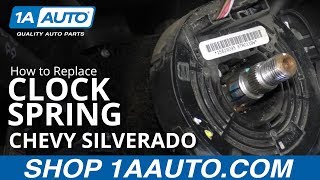
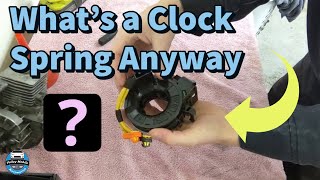
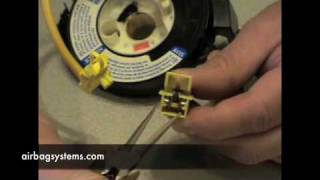
- Faulty Clock Spring (Spiral Cable) (Very Common) — This coiled ribbon of wire in the steering column maintains electrical contact for the driver's airbag, horn, and steering wheel controls. Over millions of rotations, the internal wires fatigue and break, creating an open circuit.
- Faulty Driver's Seatbelt Buckle Sensor (Very Common) — The switch inside the seatbelt buckle is the most frequent failure point for the airbag-related version of this code. Constant use wears out the internal contacts, or debris physically obstructs the mechanism.
- Low or Unstable Battery Voltage (Common) — A weak battery causes communication errors between the BCM and the steering lock module. This triggers the code and a no-start condition even if the battery has enough power to turn on the lights. A voltage drop below 10.5V during startup is the primary trigger.
- Damaged Wiring Under the Driver's Seat (Common) — The wiring harness connecting the seatbelt buckle and pretensioner stretches, pinches, or disconnects when moving the seat back and forth, breaking the circuit at the yellow SRS connector.
- BCM Software Fault (Ford) (Less Common) — Ford issued Technical Service Bulletin (TSB) SSM 49044 for 2020 Mustangs where a B1026 code and a no-start condition stem from a software glitch in the Body Control Module (BCM). The fix requires reprogramming the module.
- Faulty Passenger Door Lock Switch (Less Common) — Specific to Honda vehicles, the switch inside the passenger door panel that controls the power locks fails, sending an incorrect signal to the control module and triggering B1026.
- Faulty SRS Airbag Control Module (Rare) — The control module itself fails internally. For Nissan models, B1026 points specifically to a 'Diagnosis Sensor Unit' fault, indicating an internal module failure requiring a reset or replacement.
Symptoms

- Airbag Warning Light On — The most common symptom for the safety system fault. The dashboard light showing an airbag icon or the letters "SRS" stays illuminated.
- No-Start Condition — For Ford, Mazda, and Hyundai/Kia vehicles, the engine refuses to crank, accompanied by a flashing key-shaped security light or a dashboard message.
- Steering Wheel Controls or Horn Not Working — If the clock spring fails, you lose function of the horn, radio controls, cruise control, or phone buttons on the steering wheel simultaneously with the airbag light appearing.
- Warning Message on Dash — The vehicle displays a specific message like "Service Airbag System" or "Steering Lock Malfunction."
- Flashing Security or Key Light — On Mazda vehicles, a flashing red key light on the instrument cluster or an amber flashing push-start button directly indicates the B1026 steering lock fault.
- Seatbelt Light Stays On — The seatbelt warning light remains on even when the driver's seatbelt is securely fastened, indicating the buckle sensor fails to register.
Diagnostic Flowchart
Tap your situation to follow the diagnostic path that matches what you're seeing on this code.
Common Fixes & Costs
- Replace Electronic Steering Column Lock (ESCL)
— Parts: $200 - $500, Labor: $200 - $400, ~2.5 hr book time
(Professional)
2010-2013 Mazda 3 (Auto Trans): OEM CG36-66-150A (Alt: N/A - Module replacement requires OEM.)
2010-2013 Mazda 6: OEM GEA3-66-150 (Alt: Aftermarket repair motors are available, but not full units.)
2015-2020 Ford Mustang: OEM Part of steering column assembly, not typically sold separately. Service involves replacing the column or repairing with aftermarket motor. (Alt: N/A) - Replace Clock Spring
— Parts: $75 - $250, Labor: $150 - $350, ~1.5 hr book time
(Professional)
2007-2013 Chevrolet Silverado / GMC Sierra: OEM 25966962 (Superseded), 86773960 (Current) (Alt: Dorman 525-029) - Replace Driver's Seatbelt Buckle/Pretensioner
— Parts: $50 - $150, Labor: $100 - $200, ~1 hr book time
(DIY)
2007-2013 Chevrolet Silverado / GMC Sierra (Black Interior): OEM 19121537 (Alt: A-Premium APSBB003, Labwork 19121537) - Reprogram or Replace Body Control Module (BCM) — Parts: $100 (Reprogram) - $900+ (New Module), Labor: $150 - $300, ~1.2 hr book time (Professional)
- Repair Wiring Under Seat — Parts: $5 - $20, Labor: $100 - $250, ~1.5 hr book time (Intermediate)
- Reset SRS Control Module — Parts: $50 - $75 (Mail-in Service), Labor: $0 (DIY removal/install), ~1 hr book time (Intermediate)
Used vs. New Parts: Buying Guide
When a used part is worth it: For a clock spring, a used OEM part from a low-mileage, non-accident vehicle is a cost-effective alternative to a new aftermarket part. For an Electronic Steering Column Lock (ESCL), buying used is highly discouraged due to reprogramming complexity and the high risk of receiving a failing part.
Donor-vehicle mileage cap: roughly under 60000 miles for the part to have meaningful remaining life.
Donor quality checklist:
- Verify the donor vehicle was not in a front-end collision, which damages SRS components.
- Match the part number exactly, including suffixes. Clock springs are specific to trim levels (with/without radio controls).
- Avoid buying used electronic modules like the ESCL or SRS computer; they are VIN-locked to the original vehicle and resist reprogramming.
Decision logic:
- If The part is an Electronic Steering Column Lock (ESCL) or SRS Control Module → Buy new OEM. The cost and hassle of reprogramming a used module negates any savings.
- If The part is a clock spring and an OEM new part is over $300 → Buy a used OEM part from a reputable salvage yard with a warranty. Avoid no-name online marketplace parts.
- If The part is a seatbelt buckle → Buy new OEM or high-quality aftermarket. This is a critical safety component and a common wear item; a used part has a questionable lifespan.
Warranty tradeoff: Used parts typically have a 30-90 day warranty. New aftermarket parts offer a 1-year to limited lifetime warranty. New OEM parts carry a 12-month/12,000-mile warranty.
Worst-case if a used part fails: $300-600 if a used part fails. This includes repeat labor for diagnosis and installation, plus the cost of another part.
What Happens If You Wait — Timeline
- 0-1 month (Airbag Version): The airbag/SRS light illuminates and stays on. The entire airbag system, including the driver's airbag and seatbelt pretensioners, is now disabled. (MPG impact: 0%% · Added cost: $0 (but safety risk is total))
- 1-3 months (Airbag Version with Clock Spring Cause): The internal break in the clock spring ribbon worsens. In addition to the airbag light, the horn and steering wheel-mounted controls (radio, cruise) begin to fail intermittently, then permanently. (MPG impact: 0%% · Added cost: $0 (but failed safety inspection is guaranteed))
- 0-2 weeks (Anti-Theft Version): A 'Steering Lock Malfunction' message appears, or the key light flashes. The car starts, but the system enters a fail-safe mode. It is now on a countdown of a certain number of starts or a set period of time. (MPG impact: 0%% · Added cost: $0)
- 2+ weeks (Anti-Theft Version): The fail-safe period expires. The ESCL fails to disengage, and the BCM prevents the engine from cranking. The vehicle is completely immobilized and will not start. (MPG impact: 0%% · Added cost: $150-$300 (for towing to a repair shop))
Cost of Not Fixing It
- Immediate: Complete failure of the airbag system. In a collision, the driver's airbag (and potentially all other airbags) will not deploy, drastically increasing the risk of serious injury or death. (Added cost: N/A (Safety Risk))
- 1 Week: On Ford and Mazda vehicles, the system allows a few starts with a warning message before entering a hard fail-safe mode, resulting in a permanent no-crank, no-start condition. This strands you without warning. (Added cost: $150 - $300 (Towing))
- 1 Month: Continued driving with a disabled airbag system. If the cause is a faulty clock spring, other steering wheel functions like the horn also fail, creating an additional safety hazard and guaranteeing a failed safety inspection. (Added cost: Potential traffic citations or failed inspections.)
Diagnosis Steps

- Confirm Vehicle-Specific Meaning
Confirm what B1026 means for your specific make. Is it an airbag issue (GM, Chrysler), a steering lock issue (Ford, Mazda), or a door lock issue (Honda)? This single step saves hours of incorrect diagnosis.
Tools: Vehicle Service Manual or Online Search (Beginner) - Check for Related Steering Wheel Faults
If the airbag light is on, test the horn and all steering wheel-mounted buttons. If any of them failed simultaneously, the clock spring is the culprit with over 90% certainty. This is the fastest way to diagnose a faulty clock spring.
Tools: None (Beginner) - Inspect Ford/Mazda Steering Lock Actuator
Listen carefully when pushing the start button (without starting the engine). You should hear a distinct mechanical whir or click from the steering column as the lock disengages. If there is no sound and you have a 'Steering Lock Malfunction' message, the actuator motor failed.
Tools: None (Beginner) - Check Battery and Charging System Voltage
Electronic modules, especially the ESCL, are highly sensitive to low voltage. Use a multimeter to test the battery. A healthy battery shows a resting voltage of 12.2V-12.6V. Start the engine; voltage should rise to 13.7V-14.7V. If resting voltage is below 12.0V or drops below 10.5V during cranking, the weak battery is the root cause of the B1026 code.
Tools: Multimeter (Advanced) - Inspect Under-Seat Wiring
Slide the driver's seat fully forward and backward. Look underneath for the prominent yellow airbag connector. Check for pinched, frayed, or disconnected wires. Ensure the connector is fully seated and the locking tab is engaged.
Tools: Flashlight (Beginner) - Scan for Specific Sub-Codes
Use an advanced OBD-II scanner capable of reading Body (B) and SRS (C) codes. Look for manufacturer-specific sub-codes. Ford uses suffixes like B1026:87 ('Missing Message') or B1026:93 ('No Operation') to pinpoint whether the fault is communication-based or a mechanical failure of the steering lock.
Tools: Advanced OBD-II Scanner (Intermediate) - [PRO TIP] Test Seatbelt Buckle Sensor with a Multimeter
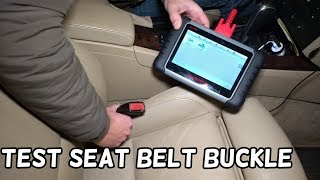
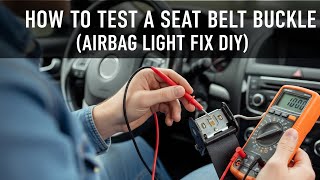
Disconnect the battery and wait 15 minutes. Disconnect the buckle sensor connector under the seat. Set your multimeter to continuity or resistance (Ω) mode. Most buckle switches are 'Normally Closed,' meaning they have continuity (resistance under 1.0 ohm) when the belt is NOT inserted, and an open circuit (infinite/OL resistance) when latched. If the state fails to change, the sensor is bad.
Tools: Multimeter, Basic Hand Tools (Intermediate) - [PRO TIP] Test Clock Spring Circuit Resistance
Disconnect the battery and wait 15 minutes. Disconnect the airbag module and the clock spring connectors. Using a wiring diagram, identify the two pins for the driver's airbag circuit. Measure the resistance between them. A good clock spring shows resistance under 5.0 ohms. Slowly rotate the steering wheel lock to lock. If the resistance jumps to infinite (OL) or fluctuates wildly, the internal ribbon is broken.
Tools: Multimeter, Service Manual (Advanced) - [ADVANCED] Test Seatbelt Pretensioner Resistance
After disconnecting the battery and waiting 15 minutes, disconnect the pretensioner connector (yellow connector under the seat). Use a multimeter set to Ohms (Ω). A healthy pretensioner squib has a resistance between 2.0 and 3.0 ohms. A reading of infinite (OL) indicates an open circuit, while 0.0 ohms indicates a short.
Tools: Multimeter (Advanced) - Diagnose Honda Door Lock Switch
For Honda vehicles, use a scanner to view live data for the 'FRONT PASSENGER'S DOOR LOCK SWITCH (LOCK)' and '(UNLOCK)'. The status should change from OFF to ON as you operate the switch. If it fails to change, disconnect the switch and check for continuity between the appropriate terminals and ground. Continuity to ground indicates a shorted wire.
Tools: OBD-II Scanner (Live Data), Multimeter (Intermediate)
When This Code Triggers (Freeze-Frame Conditions)
- System Voltage: 11.5V - 14.5V (The code sets during the Key-On Self-Test. A low voltage reading (under 11.5V) in the freeze frame points directly to a weak battery as the root cause, especially for the anti-theft variant on Ford/Mazda vehicles.)
- Ignition Status: RUN/START (This is not a driving code; it triggers the moment the ignition turns on and the Body Control Module (BCM) or SRS module performs its initial systems check.)
- Vehicle Speed: 0 mph (Freeze frame data universally shows a vehicle speed of 0, as the fault is detected before the vehicle is in motion.)
- Fault Frequency Counter: 1 or more (This parameter shows how many times the fault was detected. For a B1026, it increments on every key cycle until repaired, confirming a hard, persistent fault.)
Related Codes
- B1025 — Indicates an open circuit on the passenger side deployment loop. If you have B1026 but not B1025, confidently focus your diagnosis on the driver's side components.
- B0051 — A specific code for the driver's side deployment loop. B1026 is a general 'open circuit' code, while B0051 is set by an advanced scanner to specify the fault is in the driver's steering wheel airbag module itself, distinguishing it from a seatbelt or clock spring issue.
- B1054 — This code is for the driver's side seatbelt pretensioner circuit. Since the buckle sensor and pretensioner share the same harness under the seat, seeing B1026 and B1054 together strongly suggests the fault is in the wiring or connectors under the driver's seat.
- B10D7 — On Ford and Mazda vehicles, this Passive Anti-Theft System (PATS) code appears alongside B1026 when there is a steering lock fault, indicating a key recognition or security system problem.
- C0031 / C0034 — Wheel speed sensor codes. A failing clock spring disrupts the Steering Angle Sensor (SAS) data, which causes the ABS or Traction Control modules to set seemingly random communication or sensor faults.
Climate & Environmental Factors
- Low Temperatures: Cold weather reduces battery efficiency, causing lower voltage during startup. This voltage drop is a primary trigger for communication faults in sensitive modules like the Electronic Steering Column Lock (ESCL), leading to a no-start condition even if the battery seems fine otherwise.
- High Humidity / Moisture: Moisture and condensation penetrates electronic modules that are not perfectly sealed. This causes failure for ESCL units, where water corrodes the internal circuit board, leading to short circuits and complete, unrecoverable failure.
How to Talk to a Mechanic About This Code
Say this: "I have a [Your Car's Make/Model] with a B1026 code. For my car, this means [mention the specific issue: 'an airbag system fault' OR 'an anti-theft/steering lock fault']. I want to schedule a diagnostic to confirm the specific failed component."
This immediately tells the shop you understand the code's specific meaning for your vehicle. It focuses the technician's efforts, preventing them from wasting time diagnosing the wrong system and protects you from scams.
Avoid saying:
- 'My airbag light is on, can you fix it?' (Too vague, invites expensive guessing).
- 'My car won't start, I think it's the battery.' (Don't suggest a fix, describe the symptom).
- 'Just do whatever it takes to fix the B1026 code.' (This is a blank check for unnecessary part replacements).
Questions to ask before authorizing the repair:
- For an airbag light: Did you test the resistance of the clock spring and the seatbelt buckle switch individually to confirm which one failed?
- For a no-start on a Ford/Mazda: Have you checked for any Technical Service Bulletins (TSBs) related to the steering lock or BCM software before recommending a hardware replacement?
- Can you show me the faulty part and explain why it failed?
- Is the recommended repair part OEM or aftermarket, and what is the warranty on both the part and the labor?
Where to Take It: Dealer vs Independent vs Chain
- Dealer:
Recommended for anti-theft/no-start issues and software flashes. For simple airbag component swaps on older cars, an independent shop is more cost-effective.
Best for: Vehicles under warranty., Anti-theft faults on Ford/Mazda/Hyundai/Kia, as replacing and programming the steering lock module or BCM requires proprietary software., Confirmed software issues, like the Ford Mustang TSB.
Downsides: Highest labor rates, typically 1.5-2x more than independent shops., Defaults to replacing an entire assembly (like the steering column) when only a smaller component failed. (Typical cost: +75% vs. baseline) - Independent Shop:
Best overall value for common, out-of-warranty airbag-related repairs (GM/Chrysler). Verify their ability to handle anti-theft programming before committing to a Ford/Mazda repair.
Best for: Out-of-warranty airbag system faults, like a clock spring or seatbelt buckle on a GM or older vehicle., Basic wiring repairs under the seat.
Downsides: Quality and expertise vary greatly; ensure the shop is ASE certified and has experience with SRS systems., Lacks the expensive tools to program new anti-theft modules, requiring them to sublet the work to a dealer. (Typical cost: +0% vs. baseline) - Chain Shop:
AVOID. This code requires specific diagnostic procedures that are beyond the scope of most chain repair shops. The risk of misdiagnosis is extremely high.
Best for: Simple, unrelated maintenance like oil changes or tires.
Downsides: Technicians lack the specialized training for complex SRS or anti-theft diagnostics., High pressure to upsell and a business model based on speed leads to misdiagnosis and unnecessary parts replacement. (Typical cost: -10% vs. baseline)
When to Walk Away From the Repair
If the total estimated repair cost for the B1026 fault exceeds 50% of your car's current private-party value, sell or trade it in instead of repairing it.
- Car worth $3500, fix is $800: Fix it. The repair cost is about 23% of the car's value, which is a reasonable investment to keep a critical safety or anti-theft system functional.
- Car worth $4000, fix is $2200: Walk away. The repair cost is 55% of the vehicle's value. This is a poor investment, especially on an older car that has other pending issues.
What Scan Tool You Need for This Code

Minimum: A scanner that reads and clears Body Control Module (BCM) and Supplemental Restraint System (SRS) codes. A basic engine-only code reader will NOT see code B1026.
A standard $20 scanner from an auto parts store only reads 'P' (Powertrain) codes and cannot communicate with the SRS or BCM modules where 'B' codes like B1026 are stored. You will see 'No Codes Found' while your airbag light is on.
Budget: BlueDriver Pro (~$100) — Connects to your smartphone via Bluetooth and reads/clears SRS and BCM codes for most major brands. It displays live data, which is useful for diagnosing the Honda door lock issue.
Mid-range: Foxwell NT604 / Innova SD35 (~$160) — Dedicated handheld units that reliably read and clear Engine, ABS, Transmission, and SRS codes on a wide range of vehicles without needing a smartphone app. They provide a stable connection for diagnostics.
Professional: Autel MaxiCOM MK808S / MK808BT Pro (~$450-550) — Provides full bidirectional control, allowing you to command modules and test actuators directly. This is essential for advanced diagnostics and is required for programming/initializing a new Electronic Steering Column Lock (ESCL) on Ford/Mazda vehicles.
Rent vs buy: Most auto parts store loaner tools (like AutoZone's) are basic readers and will NOT read SRS/BCM codes. If you only need to read the code once, pay a shop a diagnostic fee. If you plan to DIY the repair or perform future diagnostics, buying a budget pick like the BlueDriver is a worthwhile investment.
How to Clear the Code After You Fix It
- Perform the physical repair (e.g., replace clock spring or steering lock).
- Reconnect the battery if disconnected.
- Use an SRS-capable OBD-II scan tool to clear the code from the BCM or SRS module. A standard engine code reader cannot clear body codes.
- Cycle the ignition off, then on, and verify the warning light remains off.
Drive cycle (~10 minutes): A complex drive cycle is not required. The fault is checked at key-on. After clearing the code, a simple 5-10 minute test drive confirms the fix. For Nissan models with a 'Diagnosis Sensor Unit' fault, a standard clear fails; the SRS module itself requires a professional reset using specialized equipment.
Readiness monitors affected: None
Watch out for:
- Using a basic OBD-II scanner that cannot access or clear Body (B) codes.
- Disconnecting the battery fails to clear a hard-set SRS or anti-theft code; it requires a proper scan tool.
- The code immediately returns because the underlying mechanical or electrical fault remains unfixed.
- On Ford/Mazda, failing to reprogram keys or initialize the new steering lock module after replacement prevents the code from clearing and the car from starting.
Will This Fail Emissions / State Inspection?
No — by itself this code doesn't fail OBD inspection (but it can keep readiness monitors from setting, which causes a separate fail).
- California: An illuminated airbag (SRS) light is not part of the emissions inspection (smog check) and does not cause a failure. However, a separate safety inspection required for revived salvage vehicles will fail.
- New York: During the annual safety inspection, the airbag warning light is checked. If the light is on or fails to illuminate, it is noted as an advisory on the inspection report. It is not a reason for rejection.
- Texas: As of 2025, most non-commercial vehicles are exempt from safety inspections. The remaining emissions inspection in certain counties ignores the airbag light. A B1026 code does not cause an inspection failure.
Most Commonly Affected Vehicles
- Ford Mustang (2015-2020) — B1026 indicates a 'Steering Lock Malfunction,' causing a no-start. TSBs SSM 48651 and SSM 49044 address this, with SSM 49044 pointing to a BCM software update as the fix for 2020 models.
- Chevrolet Silverado / Tahoe (1999-2014) — Prone to clock spring and seatbelt buckle sensor failures causing a 'Driver Deployment Loop Open' fault. The clock spring part number for 2007-2013 models is 25966962 or an equivalent.
- Mazda 6 / 3 (2009-2014) — Mazda uses B1026 for a 'Steering Lock Malfunction' which prevents the engine from starting and illuminates a red or amber key light. The system enters a fail-safe mode, permanently disabling the ignition until repaired.
- GMC Sierra / Yukon (1999-2014) — Shares the same GM platform and components as Chevrolet trucks/SUVs, leading to identical clock spring and seatbelt sensor issues.
- Ford Focus / Fiesta (2012-2018) — These vehicles log B1026 for a steering column lock fault, related to the keyless ignition system, resulting in a no-start. Forum discussions indicate this is a frequent issue for owners.
- Honda Civic / CR-V (2006-2012) — B1026 is defined as 'Passenger's Door Lock Switch Malfunction' and is completely unrelated to the airbag or anti-theft systems. Diagnosis involves testing the switch and wiring at the passenger door.
- Nissan Sentra / Altima (2007-2012) — Logs B1026 for a 'Diagnosis Sensor Unit' fault, pointing to an internal failure of the SRS Airbag Control Module itself. This requires a module reset service or a full replacement.
- Hyundai / Kia Elantra, Forte, Optima (2011-2016) — Symptoms of a no-start with a steering lock warning message point to a failure of the Electronic Steering Column Lock (ESCL) module, the same root cause as on Fords and Mazdas.
Manufacturer-Specific Notes
- Ford / Mazda: B1026 means 'Steering Column Lock Malfunction.' It is an anti-theft error, not an airbag error, and is a top cause of a no-start condition. A 'Steering Lock Malfunction' message and/or a flashing key light are the key symptoms. Ford issued TSBs SSM 48651 and SSM 49044 for this.
- Honda: B1026 is uniquely defined as 'Passenger's Door Lock Switch Signal Error,' related to the power door locking system and completely separate from the SRS or anti-theft systems.
- Chevrolet / GMC: This code is associated with a 'Driver Deployment Loop Open' fault, pointing directly to the airbag or seatbelt buckle circuit. The clock spring is a very common failure point on trucks and SUVs.
- Nissan: B1026 indicates a 'Diagnosis Sensor Unit' fault. This points to an internal failure of the SRS module itself, which cannot be fixed with a simple code clear and requires a professional module reset service or replacement.
Real Owner Stories
2017 Ford Mustang EcoBoost at 45K miles
Owner found the car dead in the garage—no crank, no start, with a 'Steering Lock Malfunction' message on the dash and code B1026.
What they tried:
- Replaced the original battery with a new 96R group battery, assuming low voltage was the cause. The problem persisted.
- Checked all BCM and PCM fuses and relays, which were fine.
- Performed a battery module reset with a scan tool so the car would recognize the new battery. The code and no-start condition remained.
Outcome: The issue was traced to a software glitch in the Body Control Module (BCM). A local Ford dealer reprogrammed the BCM per Technical Service Bulletin (TSB) SSM 49044, which resolved the problem.
Lesson: For the anti-theft version of B1026 on modern Fords, don't rule out software. Before replacing expensive hardware like the steering column, check for relevant TSBs, as a simple BCM re-flash is often the fix.
2010 Mazda 6 with 100K+ miles
The red key light on the dashboard and a red light on the push-to-start button appeared, with code B1026 present. The car still started and drove normally.
What they tried:
- Thinking it was a low voltage issue from the cold, the owner replaced the 6-year-old battery, but the code returned on the next start.
- The owner cleared the code with a BlueDriver scanner, but it came back every time the car was restarted.
- Tried pulling the 10A steering lock fuse and using the spare key fob, neither of which helped.
Outcome: The owner took the car to a Mazda dealer. The Electronic Steering Column Lock (ESCL) module itself had an internal fault. Even though it hadn't failed completely into a no-start condition, the module was sending error signals. The dealer replaced the ESCL unit.
Lesson: On Mazda vehicles, the flashing key light is a direct warning for the steering lock system. Even if the car still starts, this is an early warning of impending failure. The system enters a fail-safe mode that permanently prevents the engine from starting. Address it before you get stranded.
2008 Chevrolet Silverado at 150K miles
The airbag (SRS) warning light came on. Shortly after, the horn and all steering wheel radio controls stopped working.
What they tried:
- Initially suspected a bad fuse for the horn/radio controls, but found none were blown.
- Scanned the vehicle, which showed code B1026 'Driver Deployment Loop Open'.
Outcome: Based on the combination of the airbag light, B1026 code, and simultaneous failure of the horn and wheel controls, the owner correctly diagnosed a failed clock spring. They replaced the clock spring (part #25966962) themselves in about 2 hours. This restored function to the horn and controls, and the airbag light was cleared and stayed off.
Lesson: The combination of an airbag light and non-functional steering wheel controls/horn is the most definitive symptom of a bad clock spring. This diagnostic shortcut saves you from wasting time checking other components like seatbelt sensors or wiring.
2007 Honda CR-V at 120K miles
A B1026 code was present, but the airbag light was NOT on, and the car started and drove fine. The only symptom was that the power lock switch on the front passenger door would not lock or unlock any of the doors.
What they tried:
- The owner, confused by online search results about airbags and steering locks, almost bought an expensive scanner to check the SRS system.
- After finding a Honda-specific service manual, they learned the code meant 'Passenger's Door Lock Switch Signal Error'.
Outcome: The problem was a faulty passenger power window switch assembly, which also houses the door lock switch for that door. The owner replaced the switch assembly (a simple DIY job involving removing the door panel) and cleared the code, resolving the issue.
Lesson: Always verify the meaning of a code for your specific Make and Model. The same code means drastically different things. For Honda, B1026 is a minor door lock issue, not a critical safety or anti-theft fault.
How to Prevent This Code From Triggering
- Keep the cabin and electronic modules dry (Annually) — Moisture from clogged sunroof drains or A/C evaporator drains leaks onto the BCM or ESCL, causing corrosion and failure. Annually check that drains are clear and use quality all-weather floor mats to prevent water from soaking the carpet and reaching modules under seats or kick panels.
- Apply dielectric grease to connectors (During any related service) — When any electronic module (BCM, SRS, ESCL) or connector is disconnected, applying a small amount of silicone-based dielectric grease to the pins creates a moisture-proof barrier, preventing corrosion that leads to high-resistance faults like B1026.
- Avoid excessive force on the steering wheel at lock (Daily habit) — Repeatedly turning the steering wheel hard against its stops puts stress on the internal ribbon cable of the clock spring, accelerating wear and leading to premature breakage.
- Clean under the driver's seat periodically (Quarterly) — Debris, spilled liquids, or items stored under the seat damage the sensitive SRS wiring harness for the seatbelt buckle and pretensioner. Keeping this area clear prevents pinched or disconnected wires that trigger an airbag-related B1026 code.
- Maintain a healthy battery (Every 3-5 years) — Low voltage is a primary cause of communication errors that trigger the anti-theft version of B1026 on Ford/Mazda vehicles. A weak battery causes the ESCL to malfunction and trigger a no-start condition even if it has enough power to turn on the lights. Replace the battery proactively.
Frequently Asked Questions
Will my airbags deploy with code B1026?
No. If the code relates to the airbag system (e.g., on a GM or Chrysler), the illuminated airbag warning light means the entire Supplemental Restraint System (SRS) is disabled. Your airbags will not deploy in an accident until the fault is repaired.
Why does my Ford/Mazda not start with code B1026?
On these makes, B1026 is an anti-theft code related to the electronic steering column lock. The car's computer prevents the engine from starting unless it receives a valid signal that the steering column is unlocked.
What does the flashing amber key light mean on my Mazda with code B1026?
A flashing amber key light on the dash or push-start button is Mazda's specific indicator for a fault in the keyless entry and start system. When it appears with code B1026, it confirms the issue is with the steering lock unit communication. The vehicle eventually fails to start entirely.
Can I just clear the code to turn the light off?
You can clear the code with a scanner, but if the underlying electrical or mechanical problem remains unfixed, the control module detects the fault again on the next startup cycle and the light immediately returns.
Is it safe to work on the airbag system myself?
Extreme caution is required. You MUST disconnect the negative battery terminal and wait at least 15 minutes before touching any component with a yellow wire or connector to prevent accidental, injury-causing airbag deployment.
My horn and radio buttons stopped working when the airbag light came on. Is this related?
Yes, this is a classic and definitive symptom of a failed clock spring. The clock spring contains the wiring for all of these components, and when it breaks, they all lose connection simultaneously.
Can I bypass the steering column lock on my Ford to fix the B1026 no-start issue?
Do not use aftermarket emulators to bypass the steering column lock. Modifying the anti-theft system causes unpredictable Body Control Module (BCM) failures. The only reliable fix is replacing the faulty actuator.
Key Takeaways
- Code B1026 disables your entire airbag system on GM vehicles or triggers a no-start anti-theft immobilizer on Ford and Mazda models.
- Always verify the code definition for your specific make, as B1026 means a broken clock spring on a Chevrolet but indicates a failed passenger door lock switch on a Honda.
- Expect to pay between $400 and $900 to replace and reprogram a failed Electronic Steering Column Lock (ESCL) if you drive a Ford or Mazda.
- Diagnose a faulty clock spring instantly without tools: if your airbag light illuminates and your horn or steering wheel buttons simultaneously stop working, the clock spring is broken.
- Disconnect the negative battery terminal and wait exactly 15 minutes before touching any yellow SRS connectors to prevent accidental, injury-causing airbag deployment.
Helpful Videos
Shop the Parts Behind B1026
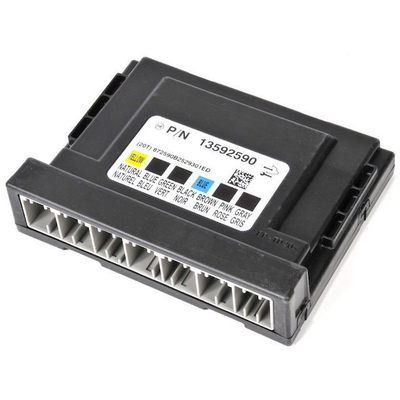
Below are the parts most often responsible for code B1026, ranked by how frequently each one is the actual culprit (per the diagnosis above). Tap any to see what we have for your vehicle.



The information in this article is provided for general reference and educational purposes only. Vehicle specifications, procedures, and part compatibility can vary by production date, trim level, and region. Always consult your vehicle's factory service manual and verify part numbers before purchasing or performing repairs. Safety-critical components such as airbags, seat belts, and braking systems should be installed by a qualified professional.
- 🧭 Diagnostic Flowchart
- 🎬 Helpful Videos
- 🛍️ Shop This Part
- What Does B1026 Mean?
- Can I Drive With B1026?
- Common Causes
- Symptoms
- Common Fixes & Costs
- Used vs. New Parts: Buying Guide
- What Happens If You Wait — Timeline
- Cost of Not Fixing It
- Diagnosis Steps
- When This Code Triggers (Freeze-Frame Conditions)
- Related Codes
- Climate & Environmental Factors
- How to Talk to a Mechanic About This Code
- Where to Take It: Dealer vs Independent vs Chain
- When to Walk Away From the Repair
- What Scan Tool You Need for This Code
- How to Clear the Code After You Fix It
- Will This Fail Emissions / State Inspection?
- Most Commonly Affected Vehicles
- Manufacturer-Specific Notes
- Real Owner Stories
- 2017 Ford Mustang EcoBoost at 45K miles
- 2010 Mazda 6 with 100K+ miles
- 2008 Chevrolet Silverado at 150K miles
- 2007 Honda CR-V at 120K miles
- How to Prevent This Code From Triggering
- Frequently Asked Questions
- Will my airbags deploy with code B1026?
- Why does my Ford/Mazda not start with code B1026?
- What does the flashing amber key light mean on my Mazda with code B1026?
- Can I just clear the code to turn the light off?
- Is it safe to work on the airbag system myself?
- My horn and radio buttons stopped working when the airbag light came on. Is this related?
- Can I bypass the steering column lock on my Ford to fix the B1026 no-start issue?
- Key Takeaways
- 🎟️ Get 5% Off