

Ultimate Guide to OBD-II Code B1038: A Multi-System Fault
What B1038 Means for GM, Ford, & Honda, and How to Fix It
- Code B1038 has three entirely different meanings: a door ajar fault on GM, a security immobilizer failure on Honda, and a broken heated seat on Ford.
- For 2021-2022 GM SUVs, do not replace the door latch; fix the known software glitch by pulling the BCM fuses (F49DR and F4DR) for 5 minutes per TSB 22-NA-052.
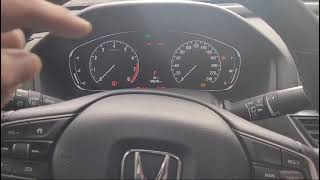
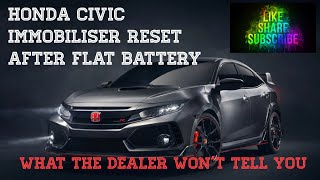
- If your Honda won't start and flashes a green key light after a battery change, press the brake pedal firmly to the floor while pushing the start button to force an immobilizer reset.
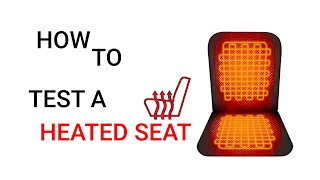
- On Ford F-150s and Fusions, test the 4-pin seat connector with a multimeter; a reading outside 0.5-3.0 ohms confirms a broken heating element requiring a $350-$650 cushion replacement.
What Does B1038 Mean?
B1038 is a manufacturer-specific body control code with three distinct definitions. On General Motors vehicles, it signals a false 'Door Ajar' message caused by a software bug. On Hondas, it indicates an anti-theft immobilizer communication failure that prevents starting. On Fords, it points to an electrical short or open circuit in the driver's heated seat sensor.
Technical definition: The SAE/OBD-II definition varies by manufacturer. GM: 'DTC B1038 SYM64: Signal Plausibility Failure,' meaning the Body Control Module (BCM) received an illogical door ajar signal via the LIN bus. Honda: 'Immobilizer F-CAN Authentication ID Not Received,' meaning the BCM missed the security handshake from the key over the high-speed CAN. Ford: 'B1038-11/15: Left Front Seat Heater Sensor Circuit Short/Open,' specifying a failure in the seat's temperature monitoring circuit.
Can I Drive With B1038?
Yes, But With Caution. You can drive, but it presents specific risks depending on the brand. On GM vehicles, interior lights stay on and drain the battery, requiring a $150-$350 replacement. On Hondas, the immobilizer prevents the engine from starting entirely. On Fords, the issue is limited to a disabled heated seat.
Common Causes
- BCM Software Glitch (GM) (Very Common) — On 2021+ GM vehicles using the 'Global B' architecture, a BCM software error incorrectly flags a door ajar status. This is documented in Technical Service Bulletin (TSB) 22-NA-052.
- Immobilizer System Communication Failure (Honda) (Common) — A low car battery, jump-start, or battery replacement disrupts the BCM's ability to authenticate the key's security ID. This triggers the anti-theft system and prevents starting.
- Faulty Heated Seat Element or Sensor (Ford) (Common) — The heating element grid or integrated temperature sensor (thermistor) inside the driver's seat cushion breaks from physical wear, causing an open or short circuit.
- Damaged Wiring or Loose Connectors (Less Common) — Pinched wires under Ford driver seats, damaged door jamb harnesses on GMs, or corroded BCM connections on Hondas interrupt critical power or data signals.
- Poor BCM Ground (GM) (Less Common) — Per GM TSB 18-NA-161, a loose or corroded BCM ground at location G218 (driver-side footwell) causes erratic electrical issues, including false door ajar warnings.
- Faulty Door Latch Assembly (GM) (Rare) — The physical door ajar switch inside the latch assembly fails. GM explicitly warns in TSB 22-NA-052 to pursue software fixes before replacing this part.
Symptoms
- Vehicle Will Not Start (Honda) — The engine refuses to crank, or starts and immediately stalls, accompanied by a flashing green key-shaped security light.
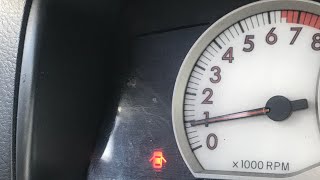
- 'Door Ajar' Message on Dash (GM) — The dashboard persistently shows a door is open when all doors are securely closed, triggering a continuous warning chime. 🎬 Watch: Easy ways to fix a persistent door ajar light
- Driver's Heated Seat Not Working (Ford) — The heated seat button lights up briefly then turns off, or stays lit while the seat produces zero heat.
- Interior Dome Lights Stay On (GM) — The BCM keeps the interior courtesy lights illuminated because it detects an open door, draining the battery overnight.
- Security System / Locking Issues (GM/Honda) — The remote key fob fails to lock the doors, or the anti-theft alarm refuses to arm due to the detected open door or security fault.
Diagnostic Flowchart
Tap your situation to follow the diagnostic path that matches what you're seeing on this code.
Common Fixes & Costs
- BCM Software Update or Reset (GM) — Parts: $0, Labor: $0 - $250, ~0.5 hr book time (DIY)
- Replace Heated Seat Cushion/Element (Ford) — Parts: $150 - $300, Labor: $200 - $350, ~2.5 hr book time (Professional)
- Replace/Reprogram BCM or Immobilizer Module (Honda/GM) — Parts: $300 - $600, Labor: $150 - $300, ~1.5 hr book time (Professional)
- Replace Door Latch Assembly (GM) — Parts: $125 - $250, Labor: $130 - $200, ~1.2 hr book time (Intermediate)
- Repair Damaged Wiring — Parts: $5 - $20, Labor: $100 - $300, ~1.5 hr book time (Intermediate)
Used vs. New Parts: Buying Guide
When a used part is worth it: Buy used OEM mechanical parts like GM door latches or complete Ford seat assemblies. Never buy used electronic modules (BCMs or immobilizers) because they are VIN-locked and require expensive dealer programming.
Donor-vehicle mileage cap: roughly under 75000 miles for the part to have meaningful remaining life.
Donor quality checklist:
- Verify exact part numbers.
- Inspect electrical connectors for green/white corrosion.
- Test seat element resistance with a multimeter before purchasing.
Decision logic:
- If The part is a BCM or Immobilizer Module → Buy new from a dealer or reputable re-manufacturer with VIN pre-programming.
- If The part is a Ford Heated Seat Element → Buy new aftermarket (Dorman) or OEM; labor outweighs the part cost difference.
- If The part is a GM Door Latch → Buy used OEM over cheap aftermarket to ensure actuator quality.
Warranty tradeoff: Used parts typically have a 30-90 day warranty. New aftermarket parts offer 1-year to limited lifetime warranties. New OEM parts usually carry a 1-2 year warranty.
Worst-case if a used part fails: $200-400 if a used part fails after installation, requiring a second labor charge.
What Happens If You Wait — Timeline
- Immediate (Honda): Immobilizer fails to authenticate. Engine refuses to start. Requires a tow if reset fails. (MPG impact: N/A% · Added cost: $75-$250)
- 0-2 weeks (GM): Constant 'Door Ajar' warning. Interior lights stay on. Alarm refuses to arm. (MPG impact: 0%% · Added cost: $0)
- 2 weeks - 2 months (GM): Parasitic drain destroys the 12V battery, requiring a replacement. (MPG impact: 0%% · Added cost: $150-$350)
- Ongoing (Ford): Driver's heated seat remains permanently disabled. No cascading damage occurs. (MPG impact: 0%% · Added cost: $0)
Cost of Not Fixing It
- Immediate (Honda): Vehicle refuses to start, requiring a tow or mobile technician. (Added cost: $75 - $250)
- 0-1 Month (GM): Parasitic battery drain from interior lights destroys the 12V battery, requiring replacement. (Added cost: $150 - $350)
- Ongoing (Ford): Permanent loss of the driver's heated seat function. (Added cost: $0)
- Ongoing (GM): Power running boards fail to retract, creating a physical hazard and preventing doors from locking. (Added cost: $0)
Diagnosis Steps
- Identify Your Vehicle's System
Determine your specific manufacturer definition: GM (door ajar), Honda (immobilizer no-start), or Ford (heated seat). All subsequent steps depend on this.
Tools: Owner's Manual (Beginner) - Scan for Manufacturer-Specific Codes & Live Data
Use a high-quality scanner to read Body codes. For GM, confirm symptom byte '64'. For Ford, check for B1034. For Honda, check for U0122. This dictates the repair path.
Tools: Advanced OBD-II Scanner (Advanced) - Perform a System Reset
GM: Disconnect BCM fuses (F49DR and F4DR) for 5 minutes per TSB 22-NA-052. Honda: With ignition off, press and hold the brake pedal firmly, then press the start button. Ford: Cycle the ignition.
Tools: Fuse puller (Beginner) - Check Fuses and Key Fob Battery
Inspect BCM, Anti-Theft, and Heated Seat fuses. For a Honda no-start, replace a weak key fob battery to ensure proper immobilizer authentication.
Tools: Fuse puller, CR2032 battery, Multimeter (Beginner) - [PRO TIP] Test Heated Seat Element & Sensor (Ford)
Disconnect the 4-pin connector under the driver's seat. Probe the two power pins; resistance must be 0.5-3.0 ohms. Probe the sensor pins; resistance must be 5,000-30,000 ohms. An 'O.L.' reading confirms a broken element.
Tools: Multimeter (Advanced) - [PRO TIP] Check LIN Bus Voltage (GM)
Backprobe the door latch LIN bus wire (green/white) at the driver's kick panel. With ignition on, voltage must toggle rapidly between ~1V (MIN) and ~12V (MAX). Stuck voltage indicates a short.
Tools: Multimeter with Peak Min/Max, T-pins (Advanced) - Visually Inspect Wiring
Inspect the Ford harness under the driver's seat for pinched wires. Check the GM flexible rubber boot in the door jamb for broken wires.
Tools: Flashlight (Intermediate) - Check BCM Ground G218 (GM)
Test resistance between ground G218 (driver-side footwell) and the BCM connector pin. Resistance above 5 ohms indicates a poor ground causing erratic faults per TSB 18-NA-161.
Tools: Multimeter, Socket Set (Advanced)
When This Code Triggers (Freeze-Frame Conditions)
- Vehicle Power Mode: On / Run / Start (The code sets immediately upon vehicle power-up or during the starting sequence as modules initialize.)
- Battery Voltage: 9V - 11.5V (crank) or 12V - 14.8V (running) (Voltage drops below 10V during cranking trigger the Honda immobilizer fault. Abnormal voltage disrupts module communication across all makes.)
- LIN Bus Voltage (GM): Stuck High (~12V) or Stuck Low (~0V) (The LIN bus signal fails to toggle rapidly, indicating a communication breakdown between the door latch and BCM.)
Related Codes
- B2A00 — Appears alongside B1038 on GM vehicles, confirming the TSB 22-NA-052 software fault.
- B1034 — Appears on Fords indicating a failed heater element power circuit. Seeing both B1038 and B1034 guarantees the seat cushion assembly requires replacement.
- U0122 — Indicates lost communication with the Honda VSA module. Network faults triggering U0122 interrupt the immobilizer handshake, causing B1038.
- B1681 — A Ford PATS anti-theft code. B1038 on a Ford is strictly a heated seat issue; B1681 indicates an actual security failure.
Climate & Environmental Factors
- Cold Weather: Frequent use of Ford heated seats in freezing temperatures accelerates thermal cycling, causing the brittle heating element wires to snap.
- High Humidity: Moisture penetrates GM door jamb connectors and Honda BCM circuit boards, causing intermittent short circuits that disrupt data communication.
How to Talk to a Mechanic About This Code
Say this: "{'gm': "I have a B1038 code and a 'Door Ajar' light. Please perform the BCM reset procedure outlined in TSB 22-NA-052 before quoting a latch replacement.", 'ford': "I have a B1038 code and my driver's heated seat is dead. Please test the resistance of the heating element and sensor at the seat connector to confirm the failure.", 'honda': "My car won't start, flashes a key light, and has a B1038 code after a battery change. Please attempt the immobilizer brake-pedal relearn procedure first."}"
This language signals that you are an informed consumer. For GM, it directs the shop to a known software bug. For Ford, it requests a specific diagnostic test. For Honda, it points to the cheapest solution first.
Avoid saying:
- 'My car is acting weird, can you fix it?'
- 'The internet said to replace the BCM.'
- 'Just do whatever you think is best.'
Questions to ask before authorizing the repair:
- Can you show me the multimeter reading proving the seat element is broken?
- Did you perform the GM BCM software reset per the TSB?
- Did you attempt the Honda immobilizer relearn?
Where to Take It: Dealer vs Independent vs Chain
- Dealer:
Best fit for GM software updates or complex Honda module programming.
Best for: GM software updates., Honda immobilizer programming., Warranty work.
Downsides: Highest labor rates., May default to replacing an entire assembly instead of a smaller component. (Typical cost: +50% vs. baseline) - Independent Shop:
Best fit for the Ford repair. A good choice for Honda and initial GM diagnosis.
Best for: Out-of-warranty Ford heated seat repairs., Honda no-start diagnosis after the simple reset fails.
Downsides: Quality and diagnostic tool capabilities vary widely., May lack access to the latest manufacturer software updates. (Typical cost: +0% vs. baseline) - Chain Shop:
AVOID. This code requires diagnostic expertise and tools that are not typically the focus of chain shops.
Best for: Simple, unrelated services like oil changes or tires.
Downsides: Technician skill is highly variable., Lack the advanced diagnostic tools needed for specific body codes. (Typical cost: -10% vs. baseline)
When to Walk Away From the Repair
If the repair cost exceeds 50% of the vehicle's value, reconsider.
- Car worth $4000, fix is $600: Fix it. The repair cost for a Ford heated seat is well below the 50% threshold.
- Car worth $5000, fix is $850: Borderline. For a Honda needing a new BCM, this is a significant percentage of the car's value. Get a second opinion before proceeding.
- Car worth $25000, fix is $200: Fix it. A software update on a newer GM vehicle is a minor cost relative to its value.
What Scan Tool You Need for This Code
Minimum: A scanner capable of reading manufacturer-specific Body Control Module (BCM) codes. Basic $20 code readers will not see B1038.
A cheap scanner that only reads 'P' (powertrain) codes won't detect this fault. You need a tool that accesses the BCM and reads manufacturer-specific suffixes or symptom bytes.
Rent vs buy: Auto parts stores scan codes for free, but their tools may not read specific body codes. Buying a tool like BlueDriver is a good investment.
How to Clear the Code After You Fix It
- Reconnect any disconnected components (e.g., battery, BCM, seat connectors).
- Use an OBD-II scan tool to perform the 'Clear DTCs' function.
- For GM/Honda, perform the specific reset procedure (fuse pull/brake pedal) if a simple clear fails.
- Operate the affected system (open/close doors, activate heated seat, start the car) to verify the fix.
Drive cycle (~15 minutes): Body codes do not require an emissions drive cycle. A 15-minute drive confirms the BCM recognizes the repaired component. For Honda, perform three key cycles (On-Off-On).
Readiness monitors affected: None
Watch out for:
- Disconnecting the battery fails to clear persistent BCM memory.
- The code returns instantly if the root cause remains unfixed.
- Failing to manually clear the code with a scan tool leaves the warning light active.
Will This Fail Emissions / State Inspection?
No — by itself this code doesn't fail OBD inspection (but it can keep readiness monitors from setting, which causes a separate fail).
- California: B1038 is a body code and does not illuminate the Check Engine Light or affect emissions monitors. It will pass OBD-II emissions testing.
- New York: This code passes emissions testing. However, an inspector might fail the safety inspection if a GM door fails to latch properly.
- Texas: B1038 is a body code and does not illuminate the Check Engine Light or affect emissions monitors. It will pass OBD-II emissions testing.
Most Commonly Affected Vehicles
- GMC Yukon / Yukon XL (2021-2022) — Highly susceptible to the BCM software glitch causing false 'Door Ajar' messages (TSB 22-NA-052).
- Chevrolet Suburban / Tahoe (2021-2022) — Shares the 'Global B' platform and identical BCM software issue as the Yukon.
- Cadillac Escalade / Escalade ESV (2021-2022) — Covered under TSB 22-NA-052. Do not replace the latch assembly.
- Honda CR-V / Accord / Civic (2017-2023) — Logs B1038 for immobilizer F-CAN errors, typically after a battery replacement.
- Ford F-150 / Explorer (2015-2020) — Logs B1038-11 or B1038-15 for broken driver's side heated seat elements or sensors.
- Ford Fusion (2013-2020) — Frequently experiences B1038-15 due to a faulty heating pad in the driver's seat cushion.
Manufacturer-Specific Notes
- General Motors: For 2021-2022 models, do not replace the door latch. TSB 22-NA-052 dictates a BCM fuse-pull reset or dealer software update.
- Honda: Appears frequently after battery replacement. Always attempt the 'hard brake pedal press' starting sequence before authorizing immobilizer repairs.
- Ford: The two-digit suffix dictates the repair. '-11' means short to ground, while '-15' means short to battery or open circuit. Both usually require seat cushion replacement.
Real Owner Stories
2018 Honda Civic at 60K miles
Car refused to start after a battery replacement, flashing a green immobilizer light.
What they tried:
- Tried both key fobs, confirmed fob batteries were good.
- Attempted multiple online reset procedures with no success.
- Disconnected the new battery for 10 minutes to try and reset the system.
Outcome: The owner pressed the brake pedal firmly to the floor while pushing the start button, forcing the system to re-authenticate and start the car.
Lesson: Always try the hard brake pedal reset on modern Hondas after a battery change before towing to a dealer.
2021 GMC Yukon with 'Door Ajar' warning
Persistent 'Driver Door Ajar' message and interior lights staying on, draining the battery overnight.
What they tried:
- Took it to the dealership, who initially quoted over $400 to replace the entire door latch assembly.
Outcome: The owner referenced TSB 22-NA-052. The technician pulled the BCM fuses for 5 minutes, fixing the software glitch for just a 1-hour diagnostic fee.
Lesson: Never replace a 2021-2022 GM door latch for B1038 without performing the TSB software reset first.
2017 Ford F-150 with non-working heated seat
Driver's heated seat stopped working. The indicator light on the dash would turn on, but no heat was produced.
What they tried:
- Checked all related fuses, none were blown.
- Used a multimeter to test the heating element and sensor at the 4-pin connector under the seat.
Outcome: The multimeter test revealed infinite resistance (O.L.) on the sensor pins. The owner replaced the entire lower seat cushion assembly for $250, restoring heat.
Lesson: A simple multimeter test on the Ford seat connector confirms exactly which component failed before you buy parts.
How to Prevent This Code From Triggering
- Use a battery tender during long periods of storage. (When vehicle is parked for more than 2-3 weeks.) — Prevents voltage drops that trigger Honda immobilizer faults and GM data corruption.
- Keep the area under Ford front seats clear. (Daily habit.) — Prevents items from snagging and breaking the heated seat wiring harness.
- Avoid kneeling on Ford seat cushions. (As needed.) — Prevents concentrated pressure from snapping the brittle heating element wires.
- Replace weak Honda key fob batteries annually. (Once per year.) — Ensures strong communication with the immobilizer system, preventing false no-start conditions.
Frequently Asked Questions
Can I fix code B1038 myself?
Yes, if it requires a simple reset. A BCM fuse-pull on a GM or the brake-pedal reset on a Honda are easy DIY fixes. Replacing a Ford heated seat element or reprogramming a module requires professional tools.
Why does B1038 mean so many different things?
Body codes (starting with 'B') are not standardized across the industry like powertrain ('P') codes. Manufacturers assign them to different body systems, meaning B1038 applies to doors on a Chevy, seats on a Ford, and security on a Honda.
My GM dealer wants to replace the door latch for B1038. What should I do?
Politely reference Technical Service Bulletin 22-NA-052. This document instructs technicians to perform a BCM reset or software update first. It explicitly warns against replacing the latch assembly unless the software fix fails.
What is symptom byte 64 on a GM vehicle?
Symptom byte '64' means 'Signal Plausibility Failure'. It indicates the BCM received an illogical signal, such as a door reporting it is simultaneously open and closed. This points directly to a software logic error rather than a broken wire.
Can a bad or low battery cause code B1038?
Yes. On Hondas, low voltage during cranking disrupts the immobilizer handshake, triggering the code. On GM and Ford vehicles, a weak battery causes electronic modules to behave erratically and log false communication faults.
How much does it cost to diagnose code B1038?
Auto parts stores scan codes for free, but their basic tools often cannot read manufacturer-specific body codes. A professional shop charges $90 to $200 for a diagnostic fee, which covers testing the specific electrical circuits.
Will clearing the code fix the problem?
Clearing the code provides a permanent fix only if it was triggered by a one-time event, like a dead battery on a Honda. If a hardware fault or software bug exists, the code and symptoms will return immediately.
Key Takeaways
- Code B1038 has three entirely different meanings: a door ajar fault on GM, a security immobilizer failure on Honda, and a broken heated seat on Ford.
- For 2021-2022 GM SUVs, do not replace the door latch; fix the known software glitch by pulling the BCM fuses (F49DR and F4DR) for 5 minutes per TSB 22-NA-052.
- If your Honda won't start and flashes a green key light after a battery change, press the brake pedal firmly to the floor while pushing the start button to force an immobilizer reset.
- On Ford F-150s and Fusions, test the 4-pin seat connector with a multimeter; a reading outside 0.5-3.0 ohms confirms a broken heating element requiring a $350-$650 cushion replacement.
Helpful Videos

Shop the Parts Behind B1038
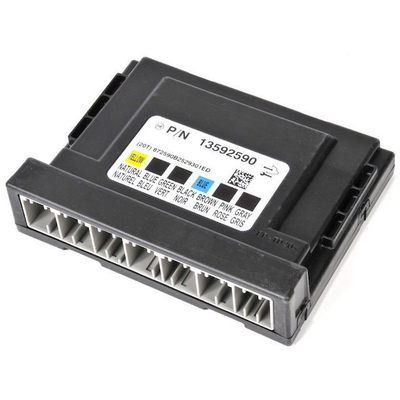
Below are the parts most often responsible for code B1038, ranked by how frequently each one is the actual culprit (per the diagnosis above). Tap any to see what we have for your vehicle.



The information in this article is provided for general reference and educational purposes only. Vehicle specifications, procedures, and part compatibility can vary by production date, trim level, and region. Always consult your vehicle's factory service manual and verify part numbers before purchasing or performing repairs. Safety-critical components such as airbags, seat belts, and braking systems should be installed by a qualified professional.
- 🧭 Diagnostic Flowchart
- 🎬 Helpful Videos
- 🛍️ Shop This Part
- What Does B1038 Mean?
- Can I Drive With B1038?
- Common Causes
- Symptoms
- Common Fixes & Costs
- Used vs. New Parts: Buying Guide
- What Happens If You Wait — Timeline
- Cost of Not Fixing It
- Diagnosis Steps
- When This Code Triggers (Freeze-Frame Conditions)
- Related Codes
- Climate & Environmental Factors
- How to Talk to a Mechanic About This Code
- Where to Take It: Dealer vs Independent vs Chain
- When to Walk Away From the Repair
- What Scan Tool You Need for This Code
- How to Clear the Code After You Fix It
- Will This Fail Emissions / State Inspection?
- Most Commonly Affected Vehicles
- Manufacturer-Specific Notes
- Real Owner Stories
- 2018 Honda Civic at 60K miles
- 2021 GMC Yukon with 'Door Ajar' warning
- 2017 Ford F-150 with non-working heated seat
- How to Prevent This Code From Triggering
- Frequently Asked Questions
- Can I fix code B1038 myself?
- Why does B1038 mean so many different things?
- My GM dealer wants to replace the door latch for B1038. What should I do?
- What is symptom byte 64 on a GM vehicle?
- Can a bad or low battery cause code B1038?
- How much does it cost to diagnose code B1038?
- Will clearing the code fix the problem?
- Key Takeaways
- 🎟️ Get 5% Off