

B1062 on 2015-2016 Jeep Renegade: Electric Seat Circuit Short to Ground Fixes
This code means your power seat isn't working because of a short circuit. Most often, the problem is damaged wiring under the driver's seat, specifically within the main harness that flexes with seat movement. Before considering an expensive Body Control Module (BCM) replacement, a thorough inspection of the under-seat wiring and connectors is the most likely and cost-effective fix. Reseating the large fuses in the rear cargo area has also been a successful fix for many owners.
- B1062 on a 2015-2016 Renegade means the power seat circuit has a short to ground.
- Before any other step, check the large rectangular fuses in the rear cargo area fuse panel; simply reseating them fixes the problem for many owners.
- If fuses don't solve it, the most probable cause is a damaged wire under the seat; inspect this area carefully for chafing against the seat frame before buying any parts.
- Do not replace the Body Control Module (BCM) unless all other possibilities have been ruled out, as per the official manufacturer TSB.
What's Unique About the 2015-2016 Jeep RENEGADE
For the first-generation (BU) Jeep Renegade, this specific code is the subject of a manufacturer's Technical Service Bulletin (TSB). This indicates the problem is a known issue. The TSB explicitly warns technicians to perform a complete circuit diagnosis before replacing the Body Control Module (BCM), suggesting that wiring issues are a more common cause than a failed module. Owner complaints and forum discussions frequently point to a recurring malfunction with the driver-side seat electrical wiring assembly on these vehicles, often due to chafing against the seat frame.
Diagnostic Flowchart
Tap your situation to follow the diagnostic path that matches what you're seeing on this vehicle.
Symptoms You May Notice
- Power seat functions are completely inoperative
- Power lumbar support does not work
- Seat may be stuck in one position
- A blown fuse for the seat or BCM may be found
- Heated seat function may also be inoperative if on the same circuit
- Replacing the Body Control Module (BCM) without first thoroughly inspecting the under-seat wiring harness and connectors. The official TSB warns against this.
Most Likely Causes
- Damaged Wiring Under Seat 🔴 High Probability Wiring under a seat is subject to movement, pinching, and chafing from items stored under the seat or from the seat's own movement. Several owner complaints for this model year mention recurring issues with the driver seat wiring assembly. The harness can rub against the metal seat frame, eventually wearing through the insulation and causing a short.
How to confirm: Visually inspect the entire wiring harness under the affected seat for signs of damage, such as pinched wires, worn insulation, or corrosion in connectors. Pay close attention to the main connector and any point where the harness bends or contacts the seat frame. Use a multimeter to check for continuity to ground on the power feed wire at the main seat connector.
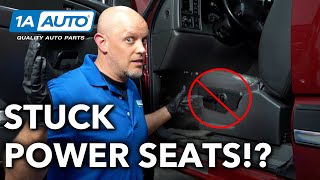
Typical fix: Repair the damaged section of wire using appropriate connectors or by soldering, and protect the repair with heat-shrink tubing. Reroute the harness or add protective loom/tape to prevent future damage. Some owners have successfully re-wrapped the loom better than the factory installation. In severe cases, the entire seat wiring harness may need to be replaced. 🎬 See this walkthrough on how to remove the front seat
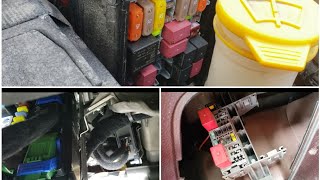
Est. part cost: $5-$170 - Poorly Seated Fuse or Relay 🟡 Medium Probability Multiple owners have reported that power seat function was restored simply by reseating large fuses/relays located in the rear cargo area fuse box. This suggests a potential for loose connections from vibration over time. This is a very common and easy first step in diagnosis.
How to confirm: Locate the fuse box in the driver's side of the cargo area. Identify the large rectangular fuses for the power seats (often red). Remove them, inspect for corrosion, and firmly reinstall them. Some users report success after just wiggling the fuse.
Typical fix: Reseat the fuse or relay. If the contacts are corroded, clean them or replace the fuse.
Est. part cost: $0-$15 - Faulty Power Seat Switch ⚪ Low Probability
How to confirm: If wiring is confirmed to be good, the switch is the next component to test. A technician can test the switch for continuity and proper power routing 🎬 Watch: How to diagnose power seat motors, switches, and wires when it is operated using a multimeter and wiring diagram.
Typical fix: Replace the power seat switch assembly.
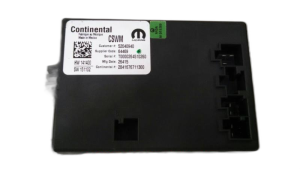
Est. part cost: $50-$150 - Faulty Body Control Module (BCM) ⚪ Low Probability → Shop Body Control Module The manufacturer TSB specifically advises against replacing the BCM until all other possibilities are exhausted, indicating it is not the most common failure point.
How to confirm: This should be the last step after confirming the wiring, fuses, switch, and motor are all in good working order. Diagnosis requires a high-level scan tool to check BCM data and outputs.
Typical fix: Replace the Body Control Module. This part is expensive and must be programmed to the vehicle by a dealer or qualified shop.
Est. part cost: $350-$650
Rare But Worth Checking
- Corroded Connector Terminals:
Diagnosis Steps
- Scan the Body Control Module (BCM) for fault codes to confirm B1062-11 is present.
- First, check the simple fix: Locate the fuse panel in the left rear cargo area. Identify the large, often red, rectangular fuses for the power seats. Remove them, inspect the contacts, and firmly reseat them. Many owners have fixed the problem with this step alone.
- If the fuses are good, perform a thorough visual inspection of the wiring harness under the driver's seat. Move the seat to its forward-most and rear-most positions to get the best view. Look for any signs of chafing, pinching, or broken wires, paying close attention to where the harness flexes or makes contact with the metal seat frame.
- Disconnect the main electrical connector for the seat (it's often a large, yellow connector) and inspect the terminals for corrosion, dirt, or damage.
- Using a multimeter set to resistance (Ohms), check for a short to ground on the power wire in the harness coming from the BCM (the side not attached to the seat). A reading of near-zero ohms indicates a short circuit in the body harness.
- If no short is found in the body harness, the fault may be within the seat itself (switch, motor, or seat harness). Test the seat switch for proper operation.
- As a final step, if all wiring and components test good, follow the TSB guidance and perform advanced diagnostics on the BCM before considering replacement.
Parts You'll Likely Need
- Wiring Repair Supplies — The most common cause is a damaged wire under the seat that needs to be repaired. This includes heat-shrink tubing, solder, and electrical tape.
Trusted brands: 3M
Aftermarket price range: $5-$20 - Seat Wiring Harness
(OEM #68284400AA (Right Side))— If the wiring under the seat is too damaged to reliably repair, the entire seat-side harness may need to be replaced.
Trusted brands: Mopar
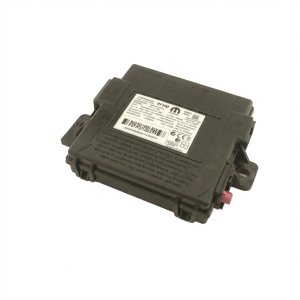
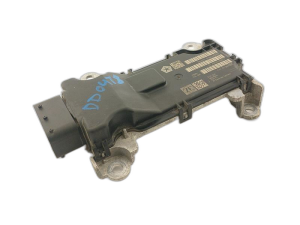
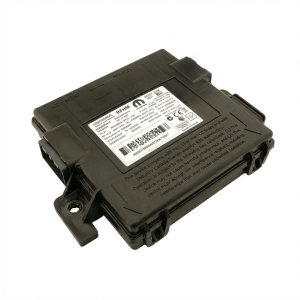
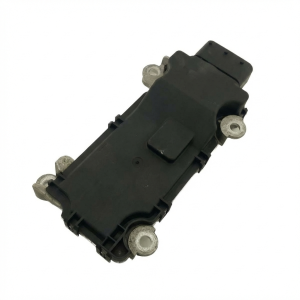
OEM price range: $160-$230 - Body Control Module (BCM)
(OEM #68312372AA, 68257699AA)— This is the final and most expensive possibility if all wiring and seat components are confirmed to be working correctly. It is the module that detects the short and sets the code.
Trusted brands: Mopar
OEM price range: $400-$650
Aftermarket price range: $300-$500
Technical Service Bulletins (TSBs) & Recalls
- 68312314A$: Addresses inoperative power seats and DTC B1062-11, advising against premature BCM replacement.
Platform-Specific Known Issues
- A Technical Service Bulletin (TSB #68312314A$) was issued for 2015-2016 Renegades for inoperative power seats accompanied by DTC B1062-11. The bulletin specifically instructs technicians to complete all other circuit troubleshooting before replacing the Body Control Module.
- Owner complaints filed with the NHTSA and on public forums describe recurring malfunctions with the driver-side seat electrical wiring assembly, leading to disabled power seat controls and other electrical issues originating from the seat.
- The fuse box in the rear cargo area is a common point of failure for the power seats. Simply reseating the large rectangular fuses has resolved the issue for a significant number of owners, indicating a potential issue with loose connections from the factory or due to vibration.
Mechanic-Grade Diagnostic Values
- Voltage at power seat main connector power feed wire — expected: > 10.8 Volts (with ignition ON). Failure: Voltage less than 10.8V indicates a power supply issue from the fuse box or BCM.
- Resistance between power seat main connector power feed wire and a known good ground — expected: Infinite resistance (OL on multimeter). Failure: Any reading significantly less than infinite (especially near zero ohms) confirms a short to ground in the harness between the connector and the BCM.
- Resistance of under-seat heating element (for reference) — expected: ~6 Ohms. Failure: A reading of 60 ohms or OL (Open Loop) indicated a failed heating element in one documented case.
Scan Tool Commands That Help
- wiTECH (OEM Scan Tool): BCM Data Display / DTC Clearing — Used to confirm the B1062-11 code is active in the Body Control Module (BCM) and to clear codes after a repair. The BCM uses high-side drivers to send voltage to components like the power seats, and its operational data can be monitored with the scan tool.
Wiring & Ground Locations
- G301 (Likely) — Under the driver's side front seat, secured to the floor pan. The seat may need to be unbolted to access it.. On other Jeep models, G301 is the specific ground point for the driver's power seat. A loose or corroded ground at this location would cause high resistance or an open circuit, though a short is more likely in the power-side wiring. It's a critical point to check for integrity.
- Driver's Seat Main Harness Connector — Under the driver's seat, connecting the main body harness to the seat's internal wiring. Often a large, multi-pin connector, sometimes yellow.. This is the primary point of failure due to chafing and movement. It's where diagnostic tests for power, ground, and shorts should begin. The key wires are the main fused power feed from the BCM and the main ground wire to a point like G301.
Real Owner Repair Stories
- Reddit user JohnnyWaterbed in r/JeepRenegade (2017 Jeep Renegade Trailhawk) — Complete loss of power seat controls.
❌ Tried (didn't work) The user did not report trying other fixes first; they went directly to inspecting the wiring.
✅ What actually fixed it A two-part fix: 1) Found and repaired worn insulation on the wiring harness under the seat, then re-wrapped the loom better than the factory. 2) Found 'serious fouling' on the electrical connector terminals, which were cleaned with rubbing alcohol and Q-tips. Function was restored after plugging the cleaned connector back in.
Helpful Videos
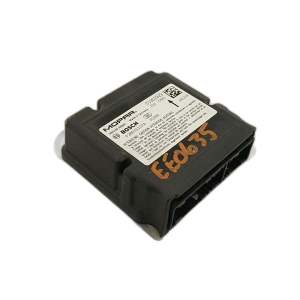
We Have This Part in Stock

The information in this article is provided for general reference and educational purposes only. Vehicle specifications, procedures, and part compatibility can vary by production date, trim level, and region. Always consult your vehicle's factory service manual and verify part numbers before purchasing or performing repairs. Safety-critical components such as airbags, seat belts, and braking systems should be installed by a qualified professional.
- Jeep RENEGADE:
- 🧭 Diagnostic Flowchart
- 🎬 Helpful Videos
- 🛍️ Shop This Part
- What's Unique About the 2015-2016 Jeep RENEGADE
- Symptoms You May Notice
- Most Likely Causes
- Rare But Worth Checking
- Diagnosis Steps
- Parts You'll Likely Need
- Technical Service Bulletins (TSBs) & Recalls
- Platform-Specific Known Issues
- Mechanic-Grade Diagnostic Values
- Scan Tool Commands That Help
- Wiring & Ground Locations
- Real Owner Repair Stories
- 🎟️ Get 5% Off