

OBD-II Code B1063: Airbag Crash Sensor Circuit Fault
What B1063 means, why it triggers, and how to fix it
- Code B1063 disables your vehicle's entire airbag system, making the car unsafe to drive until repaired.
- The definition of B1063 varies wildly by manufacturer: it indicates a sensor circuit short on Suzukis, a B-CAN network error on Hondas, and an internal module fault on Nissans.
- Corroded wiring harnesses and water-damaged connectors cause over 50% of B1063 codes, rather than the crash sensors themselves.
- Expect to pay $120–$180 for a professional diagnosis, $250–$600 for a sensor replacement, or upwards of $1,500 if the main Airbag Control Module requires replacement.
What Does B1063 Mean?
B1063 is a manufacturer-specific Body Diagnostic Trouble Code (DTC) indicating the Airbag Control Module (ACM) detected a fault within the airbag system. It usually points to a circuit problem with a specific crash sensor, but the definition varies dramatically by manufacturer. On Suzuki models, it specifies a 'Side Sensor (Driver Side) Circuit Short To Ground'. On Honda models, it indicates a 'Relay Control Module lost communication with Combination Switch Control Unit' on the B-CAN network. On Nissans, it refers to an internal fault in the 'DIAGNOSIS SENSOR UNIT' (the airbag module itself).
Technical definition: A B-prefix code indicates a Body Control Module (BCM) system fault. While the exact SAE/ISO definition varies, B1063 most commonly flags a circuit fault (short to ground or open circuit) for a specific crash sensor. Because it is manufacturer-specific, basic scanners often misinterpret it; for example, incorrectly reporting it as a crankshaft position sensor fault on Jeeps. Accurate diagnosis requires an SRS-specific scanner to pull the exact module definition.
Can I Drive With B1063?
No — Do Not Drive. Driving with code B1063 poses a severe safety risk. The illuminated airbag light signifies the entire Supplemental Restraint System (SRS) is disabled. In a collision, the airbags and seatbelt pretensioners will not deploy. While core drivability remains unaffected, the lack of a functioning passive safety system makes driving dangerous until repaired.
Common Causes
- Corroded Wiring or Connectors (Often from Water Ingress) (Very Common) — Crash sensors sit in vulnerable areas like doors, B-pillars, and behind bumpers. Moisture from rain, road salt, or specific leaks (like the Honda Odyssey C701 connector leak) corrodes connector pins and breaks wires, causing open or short circuits.
- B-CAN Network Communication Failure (Honda-specific) (Common For Make) — On Honda vehicles, B1063 is a communication error on the Body-Controller Area Network (B-CAN), not a sensor fault. The airbag module loses connection to another module, usually the combination (wiper) switch control unit.
- Stored Crash Data (Previous Accident) (Common) — A collision, even a minor one that does not deploy the airbags, damages sensors or wiring. The code also stores as permanent 'crash data' in the airbag module after an impact, requiring a specialized mail-in service to reset.
- Faulty Crash Sensor (Common) — The internal electronics of the sensor fail from age, moisture intrusion, or physical shock. Corrosion builds up inside the sealed sensor unit over time, disrupting the internal circuit board.
- Faulty Airbag Control Module (ACM/SDM) (Less Common) — The main computer controlling the airbag system fails internally. On Nissans, a B1063 code points directly to an internal fault in this 'Diagnosis Sensor Unit'.
- Poor Ground Connection (Rare) — The SRS system relies on clean, solid ground connections to the vehicle's chassis. A loose or corroded ground point for a sensor or the main airbag module causes unpredictable electrical faults.
- Aftermarket Component Interference (Rare) — Improperly installed aftermarket devices, like remote starters or alarms, tap into the wrong wires and interfere with the sensitive communication network between modules.
Symptoms
- Airbag Warning Light On — The dashboard light with an airbag symbol stays illuminated while the engine is running. This is the most common and often the only symptom.
- SRS/Airbag System Disabled — When the airbag light is on, the entire Supplemental Restraint System (SRS) deactivates as a fail-safe and will not deploy in an accident.
- Failed State Safety Inspection — Vehicles fail required safety inspections in many jurisdictions if the airbag warning light is illuminated.
- Intermittent or Non-Functional Wipers (Honda-specific) — On Honda models where B1063 indicates a communication loss with the wiper switch control unit, wiper functionality fails (e.g., no high speed, no intermittent wipe).
- Message on Instrument Cluster — Some vehicles display a text message like "Service Airbag System" or "Front Sensor Fault" in the driver information center.
Diagnostic Flowchart
Tap your situation to follow the diagnostic path that matches what you're seeing on this code.
Common Fixes & Costs
- Repair Wiring or Connector — Parts: $20-$60, Labor: $100-$250, ~1.5 hr book time (Intermediate)
- Replace Crash Sensor — Parts: $70-$400, Labor: $50-$150, ~1.5 hr book time (Intermediate)
- Replace/Repair Body Control Module (e.g., MICU) — Parts: $400-$900, Labor: $150-$300, ~1.0 hr book time (Professional)
- Reset Airbag Control Module (Post-Accident) — Parts: $0, Labor: $50-$100, ~0.5 hr book time (Professional)
- Replace Airbag Control Module (ACM/SDM) — Parts: $500-$1200, Labor: $150-$300, ~1.8 hr book time (Professional)
- Diagnostic Service — Parts: $0, Labor: $120-$180, ~1.2 hr book time (Professional)
DIY vs Professional
- Replace Crash Sensor — Beginner:
- Repair Wiring or Connector — Beginner:
- Replace Airbag Control Module (ACM/SDM) — Beginner:
- Reset Airbag Control Module (Post-Accident) — Beginner:
Used vs. New Parts: Buying Guide
When a used part is worth it: For a crash sensor, a used part from a reputable dismantler with a warranty and no collision history is a budget-conscious choice. Never buy a used Airbag Control Module due to VIN-locking and potential stored crash data. Resetting your original module is a far better value.
Donor-vehicle mileage cap: roughly under 100000 miles for the part to have meaningful remaining life.
Donor quality checklist:
- Verify the donor vehicle was not in an accident.
- For sensors, ensure the part number matches exactly.
- Avoid used control modules entirely unless you have access to professional reprogramming services.
- Require a 30-90 day warranty on the part.
Decision logic:
- If The faulty part is the Airbag Control Module (ACM/SDM) → Send your original module for a professional reset service. It is cheaper than a new one and avoids programming issues.
- If The faulty part is a crash sensor and the vehicle is over 10 years old → A guaranteed, tested used sensor is a reasonable option to save money, but a new aftermarket part offers a better warranty.
- If The part is safety-critical and your budget allows → Buy new OEM or high-quality aftermarket. The peace of mind outweighs the cost savings.
Warranty tradeoff: Used parts typically have a 30-90 day functional warranty. New aftermarket parts offer 1-year to limited lifetime warranties. New OEM parts carry a 1-year warranty.
Worst-case if a used part fails: $200-$500 if a used sensor is faulty (cost of another sensor plus repeat labor). Up to $1000+ if a used control module is unusable and requires purchasing a new one plus programming.
What Happens If You Wait — Timeline
- Immediate: Code sets and airbag light illuminates. The entire Supplemental Restraint System (SRS) disables as a fail-safe. Airbags will not deploy in a collision. (MPG impact: 0%% · Added cost: $0. The primary cost is the incalculable safety risk.)
- 0-12 months: Vehicle fails its annual safety inspection in many jurisdictions, preventing legal registration renewal. The underlying problem (e.g., corrosion) worsens. (MPG impact: 0%% · Added cost: $50-$200 in potential fines or re-inspection fees, plus the eventual repair cost.)
- 6-18 months (if caused by water leak): Ongoing water intrusion corrodes other nearby wiring or control modules (e.g., BCM, ECU). New, seemingly unrelated electrical gremlins appear. (MPG impact: 0%% · Added cost: $300-$900 to diagnose and repair a second corroded connector or attempt to repair a water-damaged control module.)
- 18+ months (if caused by water leak): Cascading electrical failure. The main ECU or BCM is destroyed by corrosion, leading to no-start conditions or severe drivability issues. (MPG impact: 0-100% (if vehicle becomes undrivable)% · Added cost: $1,000-$3,000+ for the replacement and programming of a major control unit like the ECU.)
Cost of Not Fixing It
- Immediate: The entire Supplemental Restraint System (SRS), including all airbags and seatbelt pretensioners, disables and will not deploy in a crash. (Added cost: Incalculable risk of severe injury or death in a preventable accident.)
- 0-12 months: Failure of the annual state safety inspection in many jurisdictions, preventing legal vehicle registration. (Added cost: $50-$200 in fines and re-inspection fees, plus the eventual repair cost.)
- 6+ months: If caused by a water leak, ongoing moisture corrodes nearby modules, wiring, or connectors, leading to expensive electrical failures throughout the vehicle. (Added cost: $500-$2000+ for diagnosing and replacing other damaged electronic components.)
Diagnosis Steps
- Read the Manufacturer-Specific Code
Use an OBD-II scanner capable of reading SRS/Airbag (B-prefix) codes. Record the exact definition provided by the scanner for your vehicle's make and model, as a B1063 on a Suzuki is completely different from a Honda. Check for a resistance PID for the suspect sensor circuit; the value should be stable between 1.5-3.5 ohms.
Tools: OBD-II Scanner (SRS/Airbag capable) (Beginner) - Visual Inspection of Components
Based on the code's definition, locate the relevant component (e.g., driver's side B-pillar for a side impact sensor). Visually inspect the sensor, module, and wiring harness for cracks, frayed wires, or green/white corrosion on connectors. Ensure all connectors plug in securely.
Tools: Flashlight, Safety Glasses, Trim Removal Tools (Beginner) - Test the Sensor/Module Connector
CRITICAL: Disconnect the negative 12V battery terminal and wait 15 minutes for system capacitors to discharge before touching airbag components. Unplug the suspect sensor or module. Inspect connector pins for corrosion or bent pins. Using a multimeter and wiring diagram, check for correct reference voltage (typically 2.0V to 5.0V) and ground at the connector (with battery reconnected, ignition on).
Tools: Multimeter, Vehicle-Specific Wiring Diagram, Basic Hand Tools (Advanced) - Test Sensor Circuit Resistance
With the battery disconnected and the component unplugged, test the circuit's resistance. A healthy sensor or airbag squib circuit typically has a resistance between 1.5 and 3.5 ohms. A reading of infinity (OL) indicates an open circuit; near zero indicates a short. To isolate the fault, plug a special SRS resistor tool (often 2.2 ohms) into the harness connector in place of the sensor; if the code clears, the sensor is faulty.
Tools: Multimeter, SRS Resistor Test Kit (Advanced) - Check CAN Bus Signal with Oscilloscope (Honda Specific)
For communication-related faults (common on Honda), connect an oscilloscope to the CAN lines. A healthy single-wire B-CAN bus shows a fluctuating square wave signal switching between 0V and near-battery voltage. A flat line at 0V, 2.5V, or battery voltage indicates a network wiring short, open, or a faulty module pulling the bus down.
Tools: Oscilloscope, Wiring Diagram (Professional) - Check for a Bad Ground
Using a wiring diagram, locate the main grounding points for the SRS system and the specific sensor. Ensure the ground wire attaches securely to bare metal on the chassis. A multimeter check from the ground pin to a known good chassis ground should show less than 0.5 ohms of resistance. Clean corrosion with a wire brush.
Tools: Wrench/Socket Set, Wire Brush, Wiring Diagram, Multimeter (Intermediate) - Perform Manual BCM Code Retrieval (Suzuki Specific)
On older Suzuki models (like the SX4), retrieve Body Control Module (BCM) codes without a scanner. With the ignition on, cycle the headlight switch to low beam 3 times and press the driver's door jamb switch 3 times within 10 seconds. The code displays on the odometer.
Tools: None (Intermediate) - Reset the Airbag Module
If triggered by an accident, the Airbag Control Module stores 'crash data' that cannot be cleared with a standard scanner. This requires a professional service to reset the module to its factory state by reprogramming the internal EEPROM chip.
Tools: Professional SRS Reset Tool/Service (Professional)
When This Code Triggers (Freeze-Frame Conditions)
- Ignition Status: ON (The SRS module performs a self-test every time the ignition turns on.)
- System Voltage: 11.5V - 14.5V (The self-test runs upon key-on; voltage reflects the battery's state of charge before the engine starts.)
- Vehicle Speed: 0 mph (The code sets during the initial power-on self-check before the vehicle is in motion.)
- Engine Status: OFF (The fault logs when the key turns to the 'ON' or 'RUN' position, typically before cranking the engine.)
Related Codes
- B1064 — Refers to the exact same sensor as B1063 but indicates a different fault type (e.g., 'Circuit Short to Power or Open' instead of 'Short to Ground').
- B1065 — Mirrors B1063 but for the opposite side of the vehicle (e.g., passenger's side impact sensor instead of driver's side).
- U0170 — A generic communication code meaning 'Lost Communication With Restraints Control Sensor A.' Appears alongside B1063 if wiring is severely damaged.
- U0155 / U0121 — U-prefix codes indicate 'Lost Communication' with other modules. When seen with B1063 on Hondas, it strongly suggests a wider CAN bus network problem rather than a single sensor fault.
Climate & Environmental Factors
- High Humidity / Water Ingress: Water from leaks (sunroof, windshield) or high ambient humidity seeps into connectors and modules, causing corrosion that leads to high resistance or short circuits. A specific Honda Odyssey TSB addresses water intrusion corroding a CAN bus connector.
- Road Salt (Winter Climates): Salt spray gets into the undercarriage, wheel wells, and front bumper areas where sensors are located, accelerating the corrosion of wiring, connectors, and sensor housings. This causes open circuits or shorts, triggering codes like B1063.
- Extreme Cold: Extreme cold makes plastic wiring insulation and connectors brittle. This increases the likelihood of physical damage (cracking, breaking) from vibration or minor impacts, leading to circuit faults.
How to Talk to a Mechanic About This Code
Say this: "My airbag light is on with code B1063. Since this code's meaning varies by manufacturer, I need a diagnostic that pulls the exact manufacturer-specific definition from the SRS module for my [Make, Model, Year]."
This signals you understand the complexity of the code. It prevents a shop from guessing or swapping a sensor without proper diagnosis, especially on a Honda or Nissan where the fix is often not a sensor.
Avoid saying:
- My airbag light is on, can you fix it?
- Just replace the crash sensor.
- Do whatever you think is best.
Questions to ask before authorizing the repair:
- What was the exact manufacturer-specific definition of the B1063 code for my vehicle?
- Based on that definition, what diagnostic steps did you perform to confirm the faulty part?
- If the repair involves the Airbag Module, does the new one require programming and is that included in the quote?
- If the problem is wiring, are you replacing the harness or performing a repair? What is your warranty on wiring repairs?
- What is the warranty on the parts and labor for this specific repair?
Where to Take It: Dealer vs Independent vs Chain
- Dealer:
Recommended. The dealer has guaranteed access to the correct diagnostic tools, wiring diagrams, and programming capabilities essential for this specific code.
Best for: Vehicles under any kind of warranty., Complex manufacturer-specific faults (common with this code on Honda and Nissan)., Repairs requiring module replacement and VIN programming.
Downsides: Highest labor rates and part costs., Defaults to module replacement when a reset or wiring fix is possible. (Typical cost: +50% vs. baseline) - Independent Shop:
Good alternative, but be cautious. Ask specifically if they have experience with SRS systems on your make and if they can perform module programming if needed.
Best for: Out-of-warranty vehicles where the cause is a straightforward sensor or wiring issue., Shops that specialize in your vehicle's brand or in electrical diagnostics.
Downsides: Lacks specific SRS diagnostic software or programming tools for all makes., Quality and expertise vary widely; must be vetted carefully. (Typical cost: +0% vs. baseline) - Chain Shop:
AVOID. This is a safety-critical and complex diagnostic task not suited for the chain shop business model.
Best for: Simple, non-safety-critical jobs like oil changes and tires.
Downsides: Technicians lack specialized training for complex SRS diagnostics., High pressure to sell parts leads to misdiagnosis and unnecessary repairs., Lacks module programming capabilities. (Typical cost: -10% vs. baseline)
When to Walk Away From the Repair
If the repair cost exceeds 50% of the car's private-party value, sell or trade it in. For a safety-related issue like this on an older car, lower that threshold to 40%.
- Car worth $3000, fix is $1500: Walk away. The repair cost is 50% of the car's value, and it's a major safety system repair. It is likely not economical to fix.
- Car worth $8000, fix is $1200: Fix it. The cost is only 15% of the vehicle's value, and repairing it restores a critical safety feature.
- Car worth $5000, fix is $2200: Borderline. At 44% of the car's value, this is a tough call. Get a second opinion to confirm the diagnosis and cost before proceeding.
What Scan Tool You Need for This Code
Minimum: A scan tool that reads and clears Supplemental Restraint System (SRS) / Airbag codes.
A standard $20 engine code reader only reads 'P' (Powertrain) codes from the engine computer. B1063 is a 'B' (Body) code stored in the SRS module, requiring a more capable scanner.
Budget: Autel AutoLink AL619 / Foxwell NT604 Elite (~$90) — Reads and clears engine, ABS, and SRS (Airbag) codes on most major vehicle makes. This is the minimum required to see the B1063 code and attempt to clear it after a repair.
Mid-range: BlueDriver Pro / Autel MaxiCheck MX808 (~$120) — Offers live data streaming for SRS components and provides manufacturer-specific code definitions, which is critical for B1063. Some perform limited bidirectional tests.
Professional: Autel MaxiCOM MK808 / Foxwell NT809 (~$450-800) — Provides full-system diagnostics with deep manufacturer-specific capabilities, including advanced bidirectional controls to test components, and service functions like module programming.
Rent vs buy: Most auto parts stores offer a free loaner tool service, but their standard scanners typically CANNOT read SRS/airbag codes. For a one-time fix, paying the shop's diagnostic fee ($120-$180) is more economical than buying a pro-level scanner.
How to Clear the Code After You Fix It
- Ensure the underlying fault (e.g., bad sensor, broken wire) is completely fixed.
- Reconnect the 12V battery if disconnected for the repair.
- Use an SRS-capable OBD-II scan tool to access the Airbag Control Module.
- Select the option to 'Clear Codes' or 'Erase DTCs'.
- Cycle the ignition off for 10 seconds, then back on. The airbag light illuminates for a 5-second self-test and turns off. If it stays on, the fault remains.
Drive cycle (~1 minutes): The SRS system does not require a complex drive cycle. It performs a complete self-test each time the vehicle starts. If the repair succeeds and the code clears, the light stays off.
Watch out for:
- Using a basic engine code reader that cannot communicate with the SRS module.
- Failing to fix the root cause, causing the code to return immediately after clearing.
- Attempting to clear a code caused by an accident. 'Crash data' stores permanently and requires a professional module reset service.
Will This Fail Emissions / State Inspection?
No — by itself this code doesn't fail OBD inspection (but it can keep readiness monitors from setting, which causes a separate fail).
- California: Will NOT fail. California's smog check tests emissions only; the car passes with the airbag light on.
- New York: Will NOT fail. The NY DMV notes an illuminated airbag light as an advisory to the driver, not grounds for inspection failure.
- Texas: Will NOT fail. The airbag system is not a required inspection item. As of 2025, annual safety inspections are eliminated for most non-commercial vehicles in Texas.
Most Commonly Affected Vehicles
- Nissan Qashqai, Rogue, Altima, Sentra (2006-2025) — B1063 often points to an internal fault in the 'DIAGNOSIS SENSOR UNIT' (the main airbag module). First-generation Qashqais are particularly known for electrical issues contributing to this.
- Honda Odyssey, Accord, CR-V (2005-2015) — B1063 is a B-CAN network failure. A TSB for 2005-2009 Odysseys points to water corroding connector C701 behind the left rear trim panel as a primary cause.
- Suzuki SX4, Liana, Swift, Wagon R, Grand Vitara (2004-2014) — Service manuals specifically list B1063 as 'Side Sensor (Driver Side) Circuit Short To Ground'. The manual diagnostic procedure is possible on some models.
- Hyundai Sonata, Elantra, Santa Fe (2011-2019) — Commonly affected by front or side impact sensor failures due to their location and exposure to the elements.
- Ford Transit Custom, Focus (2012-2018) — Prone to bad ground connections and wiring issues. Some Transit models were recalled for chafed wiring harnesses causing short circuits.
- Mazda Mazda3, CX-5 (2004-2020) — Frequently logs codes for side impact sensor faults located in the doors or B-pillars. Verifying part numbers with a VIN is critical.
- Subaru Forester, Outback, Impreza (2010-2018) — Side impact sensor failures are a common cause for airbag lights. Sensors are typically located in the front door or B-pillar area.
- Jeep / Fiat Renegade, 500X (2015-2023) — Basic scanners incorrectly associate B1063 on Jeeps with a crankshaft position sensor and on Fiats with a comfort control circuit, highlighting the need for an SRS-capable scanner.
Manufacturer-Specific Notes
- Nissan: The term 'Diagnosis Sensor Unit' in Nissan's definition for B1063 refers to the main Airbag Control Module itself, indicating an internal module failure or a problem with a component it directly monitors.
- Honda: B1063 is almost always a communication error on the B-CAN network, not a crash sensor error. Technicians should suspect a wiring issue or a fault in the combination (wiper) switch. A TSB points to water intrusion in Odyssey connector C701.
- Suzuki: Suzuki defines B1063 specifically as a "Side Sensor (Driver Side) Circuit Short To Ground." On some models, retrieve these codes manually without a scanner by performing a sequence with the headlight and door switches.
- Ford: Ford issued multiple recalls for Transit vans leading to SRS issues, including water intrusion into a trailer module (Recall 17S34) and an auxiliary wiring harness disrupting CAN bus communication (2023 models).
- Mazda / Subaru: Airbag faults frequently trace back to side impact sensors in the front doors or B-pillars. Corrosion on the sensor connector is a frequent culprit due to water wicking down the wiring harness.
Real Owner Stories
2008 Honda Odyssey with 155K miles, multiple electrical issues
Airbag light (B1063) came on, along with wipers only working on low speed and keyless entry failing intermittently, especially after heavy rain.
Outcome: Following the TSB, the owner removed the left rear interior trim panel and found connector C701 wet and corroded. After drying the connector, cleaning the pins, and applying dielectric grease, all symptoms disappeared. Total cost was under $20.
Lesson: On a Honda with B1063 and other weird electrical faults, always suspect a B-CAN communication problem caused by a water leak before replacing expensive modules.
2013 Nissan Rogue at 110K miles, airbag light on after minor fender-bender
Airbag light appeared after a minor front-end collision where airbags did not deploy. A standard OBD-II scanner could not clear the code.
Outcome: The owner removed the Airbag Control Module and sent it to a mail-in reset service for $50. The service cleared the stored 'crash data'. After reinstalling the original module, the light cleared successfully.
Lesson: If the B1063 code appears on a Nissan after any impact, it is almost certainly 'crash data' stored in the module. A reset service is vastly cheaper than replacement.
2009 Suzuki SX4 with 85K miles, airbag light on
The airbag light came on for no apparent reason. A basic scan tool showed no codes.
Outcome: The owner inspected the driver's side B-pillar sensor and found the connector green with corrosion. The connector and sensor pins were carefully cleaned with contact cleaner. The code cleared with an SRS-capable scanner and did not return.
Lesson: For sensor circuit faults, the problem is often the wiring or connector, not the sensor itself. A thorough visual inspection saves hundreds of dollars on unnecessary parts.
How to Prevent This Code From Triggering
- Clean sunroof and cowl drains annually (Once per year, or twice if parking under trees) — Debris clogs drain tubes, causing water to overflow into the cabin and drip onto sensitive electronics like control modules and connectors, leading to corrosion and shorts.
- Apply dielectric grease to vulnerable connectors (When performing other electrical work or inspections) — Dielectric grease is a non-conductive sealant that blocks moisture, oxygen, and salt from reaching the metal pins of a connector, preventing corrosion.
- Wash the vehicle's underbody regularly in winter climates (At least monthly during winter in the 'salt belt') — Road salt creates a highly corrosive slush that cakes onto undercarriage components, including crash sensors and their wiring, accelerating rust and electrical failures.
- Apply an undercoating or rust-inhibiting spray (Once before winter or every few years) — Products like lanolin-based or wax-based sprays create a physical barrier on the undercarriage that repels water and salt, protecting exposed metal and wiring.
Frequently Asked Questions
Can I reset the airbag light myself?
Yes, if you fix the underlying fault and use an SRS-capable OBD-II scanner. If the code stems from an accident, the module stores permanent 'crash data' requiring a professional reset service. Standard scanners cannot clear crash data.
Is it safe to drive with the B1063 code?
No. The airbag system is completely disabled and will not deploy in an accident, representing a critical safety failure.
What are the most common mistakes when diagnosing B1063?
The biggest mistake is ignoring the manufacturer-specific definition, leading technicians to waste hours checking impact sensors on a Honda when it is actually a communication issue. Another error is replacing a sensor when the fault lies in corroded wiring.
Why does my scanner show a different meaning for B1063?
Unlike universal 'P0' powertrain codes, 'B1' body codes are not standardized. B1063 is a side sensor short on a Suzuki, a wiper switch error on a Honda, and a cheap scanner might incorrectly report it as a crankshaft sensor fault on a Jeep.
Can a bad battery cause an airbag light?
While a failing battery causes random electrical faults, it is not a typical direct cause for a specific sensor circuit fault like B1063. However, ensuring a healthy battery is always the first step in electrical diagnosis.
Will replacing the sensor fix the problem?
Only if the sensor itself failed. If the fault lies in the wiring, a corroded connector, a bad ground, or the control module, replacing the sensor will not turn the airbag light off.
What is a 'Diagnosis Sensor Unit' on a Nissan?
This term refers to the main Airbag Control Module (ACM). When a Nissan logs a B1063 fault, it means the central computer detected an internal problem or a critical fault with a component it directly monitors.
Can water damage cause the B1063 code?
Absolutely. On Honda Odysseys, a Technical Service Bulletin (TSB) addresses water leaking into the cabin and corroding a B-CAN network connector (C701), triggering code B1063.
Key Takeaways
- Code B1063 disables your vehicle's entire airbag system, making the car unsafe to drive until repaired.
- The definition of B1063 varies wildly by manufacturer: it indicates a sensor circuit short on Suzukis, a B-CAN network error on Hondas, and an internal module fault on Nissans.
- Corroded wiring harnesses and water-damaged connectors cause over 50% of B1063 codes, rather than the crash sensors themselves.
- Expect to pay $120–$180 for a professional diagnosis, $250–$600 for a sensor replacement, or upwards of $1,500 if the main Airbag Control Module requires replacement.
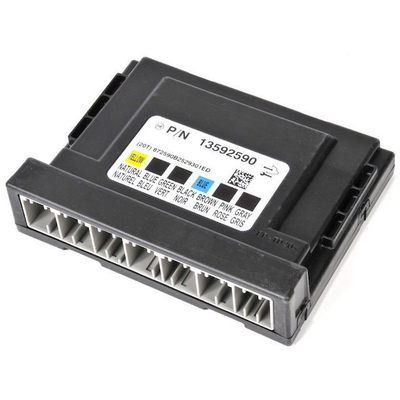
Shop the Parts Behind B1063
Below are the parts most often responsible for code B1063, ranked by how frequently each one is the actual culprit (per the diagnosis above). Tap any to see what we have for your vehicle.


The information in this article is provided for general reference and educational purposes only. Vehicle specifications, procedures, and part compatibility can vary by production date, trim level, and region. Always consult your vehicle's factory service manual and verify part numbers before purchasing or performing repairs. Safety-critical components such as airbags, seat belts, and braking systems should be installed by a qualified professional.
- 🧭 Diagnostic Flowchart
- 🛍️ Shop This Part
- What Does B1063 Mean?
- Can I Drive With B1063?
- Common Causes
- Symptoms
- Common Fixes & Costs
- DIY vs Professional
- Used vs. New Parts: Buying Guide
- What Happens If You Wait — Timeline
- Cost of Not Fixing It
- Diagnosis Steps
- When This Code Triggers (Freeze-Frame Conditions)
- Related Codes
- Climate & Environmental Factors
- How to Talk to a Mechanic About This Code
- Where to Take It: Dealer vs Independent vs Chain
- When to Walk Away From the Repair
- What Scan Tool You Need for This Code
- How to Clear the Code After You Fix It
- Will This Fail Emissions / State Inspection?
- Most Commonly Affected Vehicles
- Manufacturer-Specific Notes
- Real Owner Stories
- 2008 Honda Odyssey with 155K miles, multiple electrical issues
- 2013 Nissan Rogue at 110K miles, airbag light on after minor fender-bender
- 2009 Suzuki SX4 with 85K miles, airbag light on
- How to Prevent This Code From Triggering
- Frequently Asked Questions
- Can I reset the airbag light myself?
- Is it safe to drive with the B1063 code?
- What are the most common mistakes when diagnosing B1063?
- Why does my scanner show a different meaning for B1063?
- Can a bad battery cause an airbag light?
- Will replacing the sensor fix the problem?
- What is a 'Diagnosis Sensor Unit' on a Nissan?
- Can water damage cause the B1063 code?
- Key Takeaways
- 🎟️ Get 5% Off