

OBD-II Code B1208: Internal Switch or Sensor Circuit Failure
What B1208 means, why it triggers, and how to fix it
- Verify your vehicle's specific B1208 definition first, as it indicates a trunk switch failure on Fords, an HVAC actuator fault on Hyundai/Kias, or a critical airbag sensor failure on GM models.
- Fix Ford trunk release issues by replacing the $30 interior switch or repairing broken wires inside the flexible rubber boot connecting the trunk lid to the body.
- Resolve Hyundai and Kia HVAC clicking noises by replacing the intake door actuator, a $50 part that requires 1 to 2 hours of labor behind the glovebox.
- Stop driving and seek immediate professional repair if you own a GM vehicle with an illuminated airbag light, as B1208 disables the airbag system due to a corroded front impact sensor.
- Save money by checking the circuit's fuse and visually inspecting flexible wiring harnesses for obvious breaks before purchasing replacement sensors or switches.
What Does B1208 Mean?
B1208 means the Body Control Module (BCM) detected an electrical problem in an internal switch or sensor circuit. The meaning of this code varies significantly by manufacturer. Most often, it indicates a shorted or open circuit in the interior trunk release button (Ford), an HVAC actuator (Hyundai/Kia), or a front crash sensor (GM).
Technical definition: The SAE/ISO definition for B1208 varies widely by manufacturer. Ford defines it as "Internal Trunk Lid Release Switch Circuit Failure." Hyundai and Kia define it as "Intake Potentiometer Open (Low)," referring to the HVAC recirculation door actuator. GM uses it for an "Internal Electronic Crash Sensor" failure within the airbag system. Dodge/Jeep models define it as an "Anti-Theft Indicator Circuit Short to Ground," while Mitsubishi points to a "Malfunction of LCD Heater" in the instrument cluster.
Can I Drive With B1208?
Yes. In most cases, this code indicates a problem with an interior button or sensor, like a trunk release or HVAC actuator, which is an inconvenience but does not affect drivability. However, on GM vehicles, it points to a serious airbag sensor issue requiring immediate inspection, as the airbag system will not deploy in a crash. On Ford vehicles with a shorted trunk switch, it causes the trunk light to stay on, leading to a dead battery.
Common Causes
- Faulty Trunk Release Switch (Ford) (Very Common) — The interior trunk release button is the most common failure point on Ford vehicles. It wears out from use, suffers liquid spill damage, or fails internally.
- Faulty HVAC Intake Actuator (Hyundai/Kia) (Very Common) — On Hyundai and Kia models, the HVAC fresh air/recirculation door actuator fails. Its internal position sensor (potentiometer) breaks, triggering the code.
- Damaged Wiring Harness (Common) — Wires connecting the switch or sensor to the BCM break, chafe, or pinch. This frequently occurs in the flexible rubber boot between the trunk lid and body on Ford Focus models.
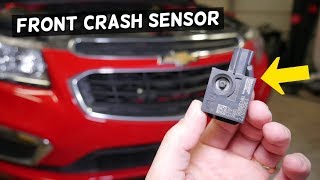
- Failed Front Impact Sensor (GM) (Common) — On GM models, this code indicates a failed front crash sensor. Located near the front bumper, these sensors suffer from severe corrosion and physical damage, disabling the airbag system.
- Corroded or Loose Electrical Connector (Common) — The electrical plug connecting the switch, sensor, or BCM loosens or corrodes, interrupting the signal.
- Blown Fuse (Less Common) — The fuse protecting the affected circuit (trunk release, HVAC, airbag) blows due to a power surge or short circuit.
- Faulty Electronic Instrument Cluster (EIC) (Less Common) — On older vehicles, the code points to a short circuit in a button integrated into the Electronic Instrument Cluster (EIC), requiring cluster repair.
- Faulty Body Control Module (BCM) (Rare) — The BCM fails to read the switch signal. BCM failure is extremely rare and requires ruling out all other circuit issues first.
Symptoms
- Interior trunk release button does not work — Pressing the interior trunk button does nothing, though the key fob still opens the trunk (Ford).
- HVAC system stuck on fresh or recirculated air — The fresh/recirculated air button fails, accompanied by a loud clicking or grinding sound from behind the dashboard (Hyundai/Kia).
- Airbag warning light is on — The airbag warning light illuminates, indicating a disabled Supplemental Restraint System (GM).
- Trunk opens unexpectedly or trunk light stays on — A short circuit causes the trunk to pop open unexpectedly or leaves the trunk light on, draining the battery.
- Inability to reset trip odometer or change display units — The driver cannot reset the trip computer or switch display units (EIC fault).
- Heated seats are inoperative — Heated seats fail to turn on due to a software issue in the Driver Front Seat Module (2021 Ford F-150).
Diagnostic Flowchart
Tap your situation to follow the diagnostic path that matches what you're seeing on this code.
Common Fixes & Costs
- Replace Trunk Release Switch — Parts: $20-$60, Labor: $50-$150, ~0.8 hr book time (DIY)
- Replace HVAC Intake Door Actuator — Parts: $30-$80, Labor: $150-$350, ~2.5 hr book time (Intermediate)
- Repair Damaged Wiring — Parts: $10-$30, Labor: $150-$300, ~2 hr book time (Intermediate)
- Replace Front Impact Sensor — Parts: $50-$150, Labor: $100-$250, ~1.2 hr book time (Intermediate)
- Replace Blown Fuse — Parts: $1-$5, Labor: $0, ~0.1 hr book time (DIY)
- Replace/Repair Instrument Cluster — Parts: $200-$700, Labor: $100-$300, ~1.5 hr book time (Professional)
Used vs. New Parts: Buying Guide
When a used part is worth it: Buying used rarely makes sense for B1208 parts. Switches and actuators are inexpensive new, and the labor to replace them is too high to risk a premature failure.
Donor-vehicle mileage cap: roughly under 40000 miles for the part to have meaningful remaining life.
Donor quality checklist:
- Never buy used airbag sensors.
- Avoid used HVAC actuators due to high labor access costs.
- Match part numbers exactly.
Decision logic:
- If The part is a GM front impact sensor. → Buy new OEM or reputable aftermarket. The safety risk outweighs minimal savings.
- If The part is a Hyundai/Kia HVAC actuator. → Buy new. High labor costs make installing a used part a poor financial decision.
- If The part is a simple switch (e.g., Ford trunk release). → Buy new aftermarket due to low cost ($20-$30).
Warranty tradeoff: Used parts from a salvage yard typically have a 30-90 day warranty. New aftermarket parts carry a 1-year to limited lifetime warranty. The peace of mind favors buying new.
Worst-case if a used part fails: $200-500 if a used part fails after installation, primarily due to the cost of repeating the labor.
What Happens If You Wait — Timeline
- 0-1 month: An intermittent fault begins. The trunk button works sporadically, or the HVAC clicks once. The airbag light flickers on damp days. (MPG impact: 0%% · Added cost: $0)
- 1-3 months: The fault becomes permanent. The trunk button fails entirely, the HVAC sticks in one mode, or the airbag light stays on permanently. (MPG impact: 0%% · Added cost: $0-$250 (If trunk light drains battery, requiring a replacement).)
- 3-12 months: Insulation on adjacent wires in the trunk harness chafes and breaks, causing unrelated electrical shorts (e.g., reverse camera failure). (MPG impact: 0%% · Added cost: $250-$750 (The cost to repair the wiring harness increases significantly if multiple wires are broken).)
- 12+ months: A shorted wiring harness sends incorrect voltage to the BCM, destroying the module's internal driver circuit. An accident occurs without airbag deployment. (MPG impact: 0%% · Added cost: $800-$1500+ (A BCM replacement and programming is now required. The cost of an airbag non-deployment is incalculable).)
Cost of Not Fixing It
- Immediate: GM airbag systems remain disabled and will not deploy in a crash. Ford/Hyundai owners lose trunk release or HVAC control. (Added cost: Catastrophic personal injury risk (incalculable cost).)
- 1-3 Months: Shorted Ford trunk switches leave the trunk light on, causing repeated battery drain and premature battery failure. (Added cost: $150 - $300 for a new battery.)
- Long-Term: Ignoring wiring issues allows corrosion to spread to other circuits within the harness, causing complex electrical failures. (Added cost: $500+)
Diagnosis Steps
- Verify Code Definition for Your Specific Vehicle
Use a professional scan tool or repair database (like ALLDATA) to confirm the exact B1208 definition for your specific make, model, and year. Misunderstanding the manufacturer-specific meaning guarantees a costly misdiagnosis.
Tools: OBD-II Scanner with manufacturer-specific definitions, Service Manual (Beginner) - Scan for Codes and Check the Fuse
Confirm B1208 is present. Locate the fuse box and pull the fuse for the identified circuit (trunk, HVAC, or SRS). Replace it if the internal metal strip is broken.
Tools: OBD-II Scanner, Fuse Puller (Beginner) - Visually Inspect the Component and Wiring
Locate the relevant component. Inspect the connector for corrosion or liquid damage. Examine the wiring harness for cracked, frayed, or pinched wires, especially inside flexible rubber boots like the trunk hinge.
Tools: Flashlight, Trim Removal Tools (Beginner) - Test the Switch/Sensor with a Multimeter
Disconnect the component. Set a multimeter to Ohms. A simple switch (like a trunk release) must read 'OL' (Open Line) when unpressed and near 0 Ohms when pressed.
Tools: Multimeter, Trim Removal Tools (Intermediate) - Pro Tip: Perform Scan Tool Actuation Test (for HVAC)
For Hyundai/Kia, use a bi-directional scanner to command the intake actuator from Fresh to Recirculate. Watch the 'Intake Potentiometer' live data PID. It must sweep smoothly from ~10% to ~90%. If it sticks or jumps, replace the actuator.
Tools: Bi-directional OBD-II Scanner (Intermediate) - Pro Tip: Test Sensor Circuit Voltage at the Connector
For sensors, identify the power, ground, and signal wires. With the key ON and connector unplugged, verify 5V on the power wire and continuity to ground on the ground wire. The signal wire must sweep between 0.4V and 4.6V during operation.
Tools: Multimeter, Vehicle-specific Wiring Diagram (Advanced) - Check for a Short to Ground in the Harness
Disconnect the battery, component, and BCM. Set a multimeter to continuity mode. Touch one probe to the signal wire and the other to a clean chassis ground. A beep confirms a short circuit requiring harness repair.
Tools: Multimeter (Advanced) - Isolate Circuit Faults by Disconnecting Components
If a fuse blows repeatedly, disconnect components on that circuit one by one. If the fuse stops blowing after unplugging a specific part, that component is internally shorted.
Tools: Fuse Puller, Trim Removal Tools (Advanced)
When This Code Triggers (Freeze-Frame Conditions)
- System Voltage: 11.5-14.5V (The BCM runs circuit self-tests at key-on. B1208 sets during this initial power-up if a circuit is open or shorted.)
- Component State: On-Request or Continuous (Sets when a switch is pressed, or continuously for monitored safety components like GM airbag sensors.)
- Commanded State vs. Actual: Mismatch (Sets when the control module commands an HVAC actuator to move, but the feedback sensor voltage indicates it failed to reach the target.)
- Engine/Vehicle Speed: 0 MPH / Engine Off or On (Unlike powertrain codes, B-codes are independent of engine operation. The fault is detected and stored with the key in the 'ON' position.)
Related Codes
- B1095 — Ford-specific code for 'Trunk Lid Release Switch Circuit Failure'. Functionally identical to B1208. Seeing both confirms a trunk switch or wiring fault.
- B1342 — 'ECU is Defective'. If you test the B1208 circuit and find no issues, the control module itself has failed internally, triggering B1342.
- U0140 — 'Lost Communication With Body Control Module'. Diagnose this first. A U0140 means the BCM is offline, making its B1208 report unreliable.
- B1208:XX — Indicates a code with a specific subtype. For example, ':11' means 'Circuit Short to Ground', while ':15' means 'Circuit Short to Battery or Open'. This pinpoints the exact electrical failure.
Climate & Environmental Factors
- High Humidity / Road Salt: GM front impact sensors mount behind the grille, exposing them to moisture and winter road salt. This causes severe corrosion that cracks the housing and destroys the electronics.
- Moisture Intrusion: Water seeps past trunk lid seals over time, corroding the internal contacts of Ford trunk release switches.
- Extreme Cold: Freezing temperatures make plastic wire insulation brittle, causing wires inside flexible trunk harnesses to snap when the trunk opens.
How to Talk to a Mechanic About This Code
Say this: "Be specific. 'I have a B1208 code and my interior trunk release isn't working. Please test the switch and trunk harness.' Or, 'I have a B1208 code and an airbag light. Please diagnose the SRS front impact sensor.'"
Signals you've done your research, prevents generic diagnostic fees, and directs the technician to the most likely failure.
Avoid saying:
- 'My car is acting weird.'
- 'Just fix whatever is wrong.'
- 'The internet said it was the trunk switch.'
Questions to ask before authorizing the repair:
- Can you show me the damaged wiring?
- Did you confirm the actuator failed the scan tool test?
- Will you clear the SRS codes after installing the impact sensor?
- Can I have the old parts back?
Where to Take It: Dealer vs Independent vs Chain
- Dealer:
Recommended for safety-critical GM airbag faults; otherwise, an independent shop is more cost-effective.
Best for: GM vehicles where B1208 is tied to the airbag system, due to safety criticality and potential need for SRS module programming., Vehicles under warranty., Complex, difficult-to-diagnose electrical issues after an independent shop has failed.
Downsides: Highest labor and parts cost, often 1.5-2x an independent shop., May be more inclined to replace an entire assembly rather than perform a targeted wiring repair. (Typical cost: +50% vs. baseline) - Independent Shop:
Best fit for most B1208 scenarios, offering a good balance of expertise and value.
Best for: The most common B1208 faults on out-of-warranty vehicles: Ford trunk switches/wiring and Hyundai/Kia HVAC actuators., Owners who are cost-sensitive., Situations requiring wiring harness repair.
Downsides: Quality and diagnostic capability vary widely. Ensure the shop has ASE-certified technicians and a scanner that reads Body (B) and SRS codes. (Typical cost: +0% vs. baseline) - Chain Shop:
Avoid for B1208 diagnosis. The manufacturer-specific nature of this code requires a higher level of diagnostic expertise.
Best for: This type of code is generally not a good fit for chain shops.
Downsides: Technicians lack experience with manufacturer-specific body electrical faults, leading to high misdiagnosis risks., High pressure to upsell services and parts. (Typical cost: -10% vs. baseline)
When to Walk Away From the Repair
Consider selling if the estimated repair cost exceeds 40-50% of the car's private-party value.
- Car worth $12000, fix is $350: Fix it. A $350 repair for a Hyundai HVAC actuator on a $12,000 car is well below the threshold and a sound investment.
- Car worth $4000, fix is $300: Fix it. A $300 repair for a broken wire in a Ford Focus trunk harness on a $4,000 car is reasonable.
- Car worth $2500, fix is $1500: Walk away. If a B1208 fault requires a $1,500 instrument cluster replacement on a car only worth $2,500, the repair cost is 60% of the vehicle's value.
What Scan Tool You Need for This Code
Minimum: A scanner that reads Body (B) and SRS (airbag) codes. Basic $20 engine-only readers cannot see B1208.
B1208 is a Body Control Module (BCM) or Supplemental Restraint System (SRS) code. A cheap scanner that only reads Check Engine Lights will report 'No Codes Found'.
Budget: Autel AutoLink AL619 (~$99) — Reads and clears ABS and SRS codes. Minimum tool required for GM airbag variants.
Mid-range: Foxwell NT510 Elite (~$180) — Adds bidirectional control to command HVAC actuators and watch live sensor data, confirming a failed part in minutes without disassembly.
Professional: Launch X431 Series (~$500-1200) — Provides OEM-level diagnostics, specific subtypes (B1208:2A), and advanced module coding.
Rent vs buy: AutoZone's free FixFinder loaner tool service reads and prints reports for Check Engine, ABS, and SRS lights, making it a viable free option for initial diagnosis. If you plan to do your own repairs, buying a tool like the Autel AL619 is a worthwhile investment.
How to Clear the Code After You Fix It
- Perform the physical repair.
- Reconnect the battery.
- Use an OBD-II scanner to access the BCM or SRS module and clear the fault code.
- Cycle the ignition and operate the repaired component to confirm the fix.
Drive cycle (~10 minutes): No specific drive cycle required. Start the vehicle and use the affected system. For GM airbags, the light turns on for a few seconds at startup and goes out, indicating a successful self-test.
Readiness monitors affected: None
Watch out for:
- Disconnecting the battery does not clear 'hard faults' from the SRS module.
- If the code returns immediately after being cleared, the underlying electrical fault has not been properly fixed.
- Basic engine-only scanners cannot see or clear B-codes.
Will This Fail Emissions / State Inspection?
No — by itself this code doesn't fail OBD inspection (but it can keep readiness monitors from setting, which causes a separate fail).
- California: Will NOT fail. Smog checks only test emissions-related faults that trigger the Check Engine Light.
- New York: Will NOT fail. Inspectors must note an illuminated airbag light on the receipt, but it is an advisory only.
- Virginia: WILL FAIL. An illuminated airbag warning light is a critical safety defect resulting in automatic failure.
- Texas: Will NOT fail. The airbag system is not a required inspection item.
Most Commonly Affected Vehicles
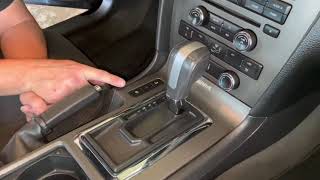
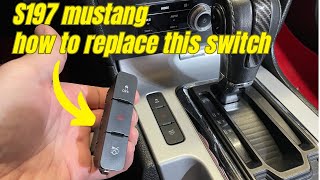
- Ford Mustang (2005-2014) — Extremely common failure of the dashboard trunk release switch (part SW-5957).
- Ford Focus (2012-2018) — Prone to broken wires in the trunk wiring harness due to repeated opening and closing.
- Ford Fusion / Lincoln MKZ (2013-2020) — Experiences breaks in the trunk lid wiring harness, causing B1208 and other trunk electrical failures.
- Ford F-150 (2021-2021) — Models built July-November 2021 experience a Driver Seat Module software issue causing inoperative heated seats (DTC B1208:2A).
- Hyundai Elantra, Sonata, Tucson (2008-2016) — B1208 almost exclusively points to a failed HVAC intake door actuator behind the glove box.
- Kia Sorento, Optima, Sportage (2011-2020) — Caused by a faulty intake door actuator for the climate control system.
- Chevrolet / GMC Impala, Cobalt, Sierra, Silverado (2006-2014) — Indicates a failed front impact sensor for the airbag system. The sensor corrodes and requires immediate replacement.
- Mitsubishi Lancer, Outlander (2008-2017) — Defined as 'Malfunction of LCD Heater', indicating an internal fault within the instrument cluster.
Manufacturer-Specific Notes
- Ford, Lincoln, Mercury: Almost exclusively refers to a fault in the interior trunk release switch circuit or its wiring.
- General Motors (Chevrolet, GMC): Points to a failed 'Front Impact Sensor' for the airbag system. These sensors corrode and crack open, disabling the airbags.
- Hyundai / Kia: Defined as 'Intake Potentiometer Open (Low)'. The code sets if the HVAC intake actuator's position sensor voltage drops below 0.1V.
- Jeep / Dodge / Chrysler: Refers to a 'Steering Position Sensor Circuit Internal Electronic Failure' or an 'Anti-Theft Indicator Circuit Short to Ground'.
- Mitsubishi: Indicates a 'Malfunction of LCD Heater' within the instrument panel's multi-function display.
Real Owner Stories
2014 Ford Focus SE (~75k miles) - Trunk won't open
The interior trunk release button and key fob button stopped working. This progressed to other electrical issues like an unresponsive gas pedal.
Outcome: Owner found multiple broken wires inside the rubber boot between the trunk lid and body. Soldering the wires resolved the trunk issue and related electrical problems.
Lesson: On Ford Focus models, B1208 is frequently caused by broken wires in the trunk harness. Always inspect this flexible boot for damage before replacing the switch.
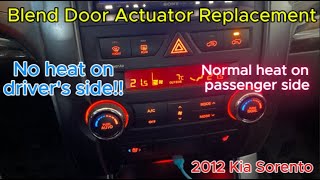
2012 Kia Sorento (~100k miles) - HVAC clicking noise, wrong temperature air
Owner heard constant clicking behind the dash and experienced uneven HVAC temperatures.
Outcome: Replacing the $40 blend door actuator stopped the clicking and restored climate control. The DIY repair took about 2 hours.
Lesson: For Hyundai and Kia vehicles, a clicking dash and incorrect HVAC temperatures are classic symptoms of a failed blend door actuator.
2008 Chevrolet Impala (~120k miles) - Airbag light on
The airbag warning light came on and stayed on. A scan revealed a current B1208 code.
Outcome: The owner found the front impact sensor cracked open with visible green corrosion. Replacing the $60 sensor and clearing codes restored the SRS system.
Lesson: On GM vehicles, B1208 is a critical safety code. Front impact sensors are prone to failure from corrosion due to their exposed location.
2013 Ford Mustang V6 - Misdiagnosis Story
The interior trunk release button stopped working. A generic OBD-II scanner showed code B1208.
Outcome: The owner researched the code and found it refers to the trunk release switch on Mustangs. They bought the switch for under $30 and replaced it themselves in 10 minutes.
Lesson: Misdiagnosis is the biggest risk with B1208. Always verify the code's meaning for your exact make and model.
How to Prevent This Code From Triggering
- Protect the Ford Trunk Wiring Harness (Once, or every 50,000 miles) — Wrap the flexible trunk wiring harness in high-quality fabric Tesa tape for abrasion resistance. Apply silicone spray to the rubber boot to prevent binding.
- Apply Dielectric Grease to GM Impact Sensor Connector (When replacing, or if accessing for other service) — Apply dielectric grease to the GM impact sensor connector seal during installation to block moisture and prevent corrosion.
- Keep Interior Switches Clean and Dry (As needed) — Clean spilled liquids immediately. Sugary residue creates shorts and makes dashboard switch contacts stick.
- Periodically Recalibrate HVAC Actuators (Annually or after battery replacement) — Recalibration resets actuator start and end points, reducing stress on internal gears. Disconnect the battery, then turn the key on for two minutes to let the system self-test.
- Inspect and Clean Body and Chassis Grounds (Every 60,000 miles) — A poor ground connection causes erratic voltage in sensor circuits. Ensure main ground straps are clean, tight, and free of corrosion.
Frequently Asked Questions
Why is my mechanic telling me B1208 is for my trunk when I have an HVAC problem?
Code B1208 has wildly different meanings depending on the car manufacturer. On a Ford, it almost always means a trunk release circuit fault, while on a Hyundai or Kia, it indicates a problem with the HVAC intake actuator. Always verify the code's meaning for your specific vehicle to avoid costly misdiagnosis.
Can I install a used Body Control Module (BCM) from a junkyard to fix this?
This is strongly discouraged. A BCM is programmed to the specific Vehicle Identification Number (VIN) and security system of the car it came from. Installing a used BCM causes a host of other electronic problems or a no-start condition.
Can I still open my trunk if I have code B1208?
Yes. In most cases where the code relates to the trunk, it only affects the release button located inside the car. The trunk still opens using the button on your key fob or the physical key.
Is code B1208 serious?
Usually, it is not serious and is considered a low-priority repair. The main exception is on GM vehicles where it indicates a problem with an airbag crash sensor, which disables the airbags and requires immediate repair.
How much does it cost to fix code B1208?
The cost depends entirely on the cause and vehicle make. Replacing a Ford trunk release switch costs $70 to $210, while replacing a Hyundai HVAC actuator runs $180 to $430. If the fault is a GM airbag sensor, expect to pay $150 to $400 for immediate safety repairs.
Can a bad battery cause a B1208 code?
While a failing battery causes strange electronic issues, it is not a direct cause of B1208. This code points to a specific fault in a single circuit that the BCM is monitoring, not a system-wide voltage problem. Fix the B1208 issue first before replacing the battery.
What is an EIC Switch?
EIC stands for Electronic Instrument Cluster. On some vehicles, the buttons used to control the driver information display are built directly into the instrument cluster. A B1208 code with an 'EIC' definition means one of these integrated buttons failed.
Key Takeaways
- Verify your vehicle's specific B1208 definition first, as it indicates a trunk switch failure on Fords, an HVAC actuator fault on Hyundai/Kias, or a critical airbag sensor failure on GM models.
- Fix Ford trunk release issues by replacing the $30 interior switch or repairing broken wires inside the flexible rubber boot connecting the trunk lid to the body.
- Resolve Hyundai and Kia HVAC clicking noises by replacing the intake door actuator, a $50 part that requires 1 to 2 hours of labor behind the glovebox.
- Stop driving and seek immediate professional repair if you own a GM vehicle with an illuminated airbag light, as B1208 disables the airbag system due to a corroded front impact sensor.
- Save money by checking the circuit's fuse and visually inspecting flexible wiring harnesses for obvious breaks before purchasing replacement sensors or switches.
Helpful Videos

Shop the Parts Behind B1208
Below are the parts most often responsible for code B1208, ranked by how frequently each one is the actual culprit (per the diagnosis above). Tap any to see what we have for your vehicle.



The information in this article is provided for general reference and educational purposes only. Vehicle specifications, procedures, and part compatibility can vary by production date, trim level, and region. Always consult your vehicle's factory service manual and verify part numbers before purchasing or performing repairs. Safety-critical components such as airbags, seat belts, and braking systems should be installed by a qualified professional.
- 🧭 Diagnostic Flowchart
- 🎬 Helpful Videos
- 🛍️ Shop This Part
- What Does B1208 Mean?
- Can I Drive With B1208?
- Common Causes
- Symptoms
- Common Fixes & Costs
- Used vs. New Parts: Buying Guide
- What Happens If You Wait — Timeline
- Cost of Not Fixing It
- Diagnosis Steps
- When This Code Triggers (Freeze-Frame Conditions)
- Related Codes
- Climate & Environmental Factors
- How to Talk to a Mechanic About This Code
- Where to Take It: Dealer vs Independent vs Chain
- When to Walk Away From the Repair
- What Scan Tool You Need for This Code
- How to Clear the Code After You Fix It
- Will This Fail Emissions / State Inspection?
- Most Commonly Affected Vehicles
- Manufacturer-Specific Notes
- Real Owner Stories
- 2014 Ford Focus SE (~75k miles) - Trunk won't open
- 2012 Kia Sorento (~100k miles) - HVAC clicking noise, wrong temperature air
- 2008 Chevrolet Impala (~120k miles) - Airbag light on
- 2013 Ford Mustang V6 - Misdiagnosis Story
- How to Prevent This Code From Triggering
- Frequently Asked Questions
- Why is my mechanic telling me B1208 is for my trunk when I have an HVAC problem?
- Can I install a used Body Control Module (BCM) from a junkyard to fix this?
- Can I still open my trunk if I have code B1208?
- Is code B1208 serious?
- How much does it cost to fix code B1208?
- Can a bad battery cause a B1208 code?
- What is an EIC Switch?
- Key Takeaways
- 🎟️ Get 5% Off