

OBD-II Code B1265: Entertainment, HVAC, or Lighting System Fault
What B1265 means, why it triggers, and how to fix it
- On 2007-2014 GM trucks, a blank radio screen with code B1265 means Circuit 7066 is shorted to ground, requiring a $10 wire repair, not a $500 radio replacement.
- For Jaguar and Ford vehicles, B1265 indicates a failed HVAC blend door actuator, costing $30 to $150 in parts but up to $1,100 in labor depending on dashboard access.
- Installing aftermarket LED tail lights on modern Fords triggers a B1265 'Signal Stuck High' code, requiring an in-line load resistor to correct the BCM feedback loop.
- Never replace a major electronic module for this code without first testing the circuit's voltage and resistance to ground using a multimeter.
What Does B1265 Mean?
B1265 is a manufacturer-specific code. For millions of 2007-2014 General Motors vehicles, it signals a short in the radio's 'wake-up' circuit, causing a blank screen. For Jaguar and Land Rover, it points to a failed climate control air blend door. On newer Fords, it indicates a turn signal feedback circuit failure in the Body Control Module (BCM).
Technical definition: There is no single universal definition for B1265. The most common manufacturer-specific definitions are: * **General Motors (Chevrolet/GMC/Cadillac):** Entertainment Remote Enable Circuit Fault (short to ground or voltage). * **Jaguar/Land Rover/some Fords:** Cold Air Bypass Flap (Blend Door) Control Circuit Failure. * **Ford (newer models):** Turn Lamp Feedback Signal Fault. * **Mazda:** Seat Track Position Sensor Circuit Fault.
Can I Drive With B1265?
Yes. This code does not affect the engine, braking, or core safety systems. You can continue to drive, but features like the radio, air conditioning, or turn signals will not work correctly. On some GM vehicles, this fault disables the backup camera display, creating a modern safety blind spot.
Common Causes
- Shorted Entertainment Remote Enable Wire (GM vehicles) (Very Common) — On 2007-2014 GM trucks and SUVs, the amplifier/DVD wake-up wire (Circuit 7066) rubs against a metal bracket and shorts to ground. This occurs in the headliner harness near the rear dome light or along the passenger A-pillar.
- Faulty HVAC Blend Door Actuator (Common) — On Jaguar and Ford vehicles, the electric motor controlling the temperature blend door fails or sticks. This prevents the system from mixing hot and cold air correctly.
- Damaged Wiring Harness or Connector (Common) — Wiring related to the radio, HVAC actuator, or turn signal frays, corrodes, or disconnects, causing a short or open circuit.
- Aftermarket Component Interference (Less Common) — Installing aftermarket LED or sequential tail lights on Fords interferes with the BCM's feedback circuit. This triggers a B1265 'Signal Stuck High' code even if the lights appear to function correctly.
- Poor Body or Component Ground Connection (Less Common) — A loose or corroded ground wire causes erratic module behavior. On Fords, check the tail light chassis ground; on GMs, check the BCM ground (G218).
- Radio or BCM Software Anomaly (Less Common) — Module software glitches falsely trigger the code. GM TSB 17-NA-325 addresses this on 2018 Equinox models, requiring a dealer software update.
- Faulty Downstream Component (GM) (Rare) — An internal short within the audio amplifier or rear DVD player pulls the remote enable circuit down. Diagnose by unplugging components one by one to see if the fault clears.
- Faulty Radio Head Unit (Rare) — Internal radio circuitry fails. This is rare and should only be considered after thoroughly inspecting and confirming all wiring is intact.
Symptoms
- Radio/infotainment screen is blank or flashes — The screen flashes for a couple of minutes upon startup and then goes completely black as the radio's protection circuit engages.
- No sound from speakers and loss of warning chimes — The failed remote enable circuit fails to turn on the external amplifier, resulting in silence. Safety chimes for seatbelts, keys in ignition, or open doors will not sound.
- HVAC system blows only hot or cold air — A failed blend door actuator prevents any temperature changes inside the cabin.
- Rapid flashing turn signal indicator on dash ('Hyper-Flash') — The dashboard indicator blinks fast even if the exterior bulb works normally, indicating a turn signal feedback circuit fault.
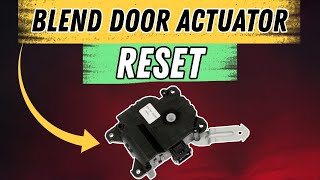
- Clicking or ticking noise from behind the dashboard — A continuous clicking sound from behind the dash indicates a blend door actuator with stripped internal gears. 🎬 Watch: How to reset a blend door actuator yourself.
Diagnostic Flowchart
Tap your situation to follow the diagnostic path that matches what you're seeing on this code.
Common Fixes & Costs
- Repair Shorted Entertainment Enable Wire (GM) — Parts: $5-$25, Labor: $150-$300, ~1.5 hr book time (Intermediate)
- Replace HVAC Blend Door Actuator — Parts: $30-$150, Labor: $200-$1,100, ~4.5 hr book time (Professional)
- Replace Tail Light Assembly or Add Resistor (Ford) — Parts: $20-$800, Labor: $50-$150, ~0.5 hr book time (DIY)
- Isolate and Replace Faulty Downstream Component (GM) — Parts: $200-$800, Labor: $100-$300, ~1.5 hr book time (Intermediate)
- Reprogram Radio or Body Control Module (BCM) — Parts: $0, Labor: $100-$200, ~1.0 hr book time (Professional)
- Replace Radio Head Unit — Parts: $200-$1500, Labor: $100-$200, ~1.2 hr book time (DIY)
DIY vs Professional
- Repair Shorted Entertainment Enable Wire (GM) — Beginner: Yes, with caution.
Tools: Trim removal tools, multimeter, wire strippers, butt connectors, heat shrink tubing, Tesa tape. - Replace HVAC Blend Door Actuator — Beginner: Depends entirely on location.
Tools: Socket set (7mm/8mm), screwdrivers, trim removal tools. - Replace Tail Light Assembly (Ford) — Beginner: Yes.
Tools: Basic socket set, screwdriver. - Reprogram Radio or Body Control Module (BCM) — Beginner: No.
Tools: Manufacturer-specific diagnostic tool (e.g., GM MDI 2) and a paid software subscription.
Used vs. New Parts: Buying Guide
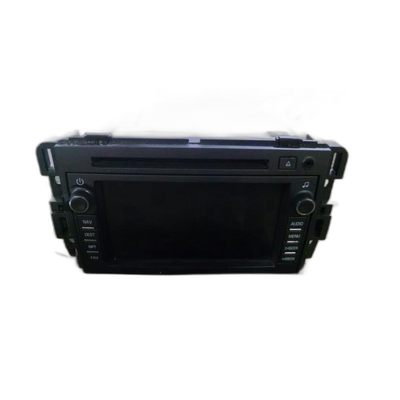
When a used part is worth it: For electronic modules like a GM Bose amplifier or radio head unit, a used part from a reputable salvage yard with a matching part number is a cost-effective option.
Donor-vehicle mileage cap: roughly under 120000 miles for the part to have meaningful remaining life.
Donor quality checklist:
- Verify the exact part number matches your original component.
- Ask for the donor vehicle's VIN to check for compatibility.
- Inquire about the warranty period, typically 30-90 days for used electronics.
Decision logic:
- If The failed part is a known wear item with plastic moving parts, like an HVAC blend door actuator. → Buy a new aftermarket part. Brands like Dorman improve on the original design's weaknesses and are a better long-term value.
- If The failed part is a major electronic module (Amplifier, Radio) and the vehicle is over 10 years old. → A used part with a 90-day warranty offers significant savings and is an acceptable risk.
- If The part is a tail light assembly for a newer vehicle with integrated electronics (like BLIS). → A used OEM part saves hundreds of dollars, but ensure the seller has a good return policy.
Warranty tradeoff: Used parts offer a 30-90 day functional warranty. New aftermarket parts come with a 1-year to limited lifetime warranty. New OEM parts carry a 1-2 year warranty at a significantly higher cost.
Worst-case if a used part fails: $200-$600 if a used part fails after the warranty period, representing repeat labor plus another replacement part.
What Happens If You Wait — Timeline
- Immediate: The fault occurs and the symptom is constant. The GM radio screen goes blank. The Jaguar HVAC is stuck on hot. The Ford turn signal indicator hyper-flashes. The failure is binary, not gradual. (MPG impact: 0%% · Added cost: $0)
- 1-6 months: Inconvenience and secondary risks become apparent. The loss of warning chimes on a GM vehicle is a safety issue. An inability to use the defroster in winter is a hazard. (MPG impact: 0%% · Added cost: $0)
- 6-12 months: The problem remains isolated but leads to minor external costs. A non-functional turn signal results in a traffic citation, with fines ranging from $105 to $150. (MPG impact: 0%% · Added cost: $100-$250 (potential traffic ticket))
- 12+ months: No evidence of escalating mechanical damage. The fault is stable and does not harm other modules. The 'cost' is the permanent loss of vehicle functionality until repaired. (MPG impact: 0%% · Added cost: $0)
Cost of Not Fixing It
- Immediate: Loss of function of the associated component: no radio/audio/chimes (GM), no temperature control (HVAC), or a hyper-flashing turn signal indicator (Ford). (Added cost: Negligible. The primary cost is inconvenience.)
- 1-6 months: Continued inconvenience. In extreme climates, a lack of HVAC control is a safety issue (e.g., inability to defrost the windshield). (Added cost: $0. The fault is isolated and does not cause escalating damage.)
- 6+ months: A persistent electrical short has a very low risk of draining the battery over time. The main 'cost' remains the loss of functionality. (Added cost: The final repair cost. Ignoring this specific code does not lead to compounding repair costs.)
Diagnosis Steps
- Confirm the Symptom and Vehicle
Identify the failing system. A dead radio points to GM. A/C stuck on hot points to Jaguar/Ford. A hyper-flashing turn signal points to a newer Ford. Knowing your car's brand and symptom dictates the diagnostic path.
Tools: Eyes and ears (Beginner) - Scan for Related and Symptom-Byte Codes
Use a professional-grade OBD-II scanner to check for other codes. On GM vehicles, B1265 is often accompanied by B1288 and B1289. A pro scanner reads symptom bytes: B1265-02 indicates a 'Short to Ground', confirming the common wiring fault.
Tools: Professional OBD-II Scanner (Intermediate) - Perform a System Reset
Disconnect the negative battery terminal for 15 minutes to power down all electronic modules. On GM vehicles, if this temporarily fixes the radio, it strongly suggests the known wiring short is present, as the radio's protection circuit has been reset.
Tools: 10mm Wrench (Beginner) - Inspect the GM Wiring Harness (GM Vehicles Only)
If you have a 2007-2014 GM truck or SUV, carefully lower the headliner near the overhead DVD player or sunroof. Inspect the wiring harness for a chafed or pinched wire rubbing against a metal bracket, as detailed in TSB PIT4474E.
Tools: Trim removal tools, flashlight (Intermediate) - Listen for HVAC Actuator Movement (HVAC Issues)
With the engine on, change the temperature settings from full hot to full cold. Listen for a faint whirring sound from behind the dashboard. A loud, repetitive clicking sound means a gear inside the actuator is stripped. Silence means the motor has failed.
Tools: None (Intermediate) - Test GM Circuit 7066 Voltage
Access the remote enable wire (Circuit 7066, often Dark Green or Pink) at the back of the radio or amplifier connector. With the radio on, use a multimeter to check for DC voltage. A healthy circuit shows approximately 12 volts. A reading of 0V confirms a short to ground or an open circuit.
Tools: Multimeter, trim removal tools, wiring diagram (Advanced) - Test GM Circuit 7066 Resistance to Ground
Disconnect the battery, radio, and downstream components. Set your multimeter to measure resistance (Ohms). Test the disconnected Circuit 7066 wire for continuity to a clean chassis ground. A reading of less than 5 ohms confirms a dead short to ground in the wiring harness.
Tools: Multimeter, wiring diagram (Advanced) - Isolate Downstream Components (GM)
If a short is present but not visible in the harness, it is inside a connected component. Unplug the main electrical connector from the amplifier and then the rear DVD player, one at a time. Perform a system reset after each. If the radio works after unplugging a component, that component has an internal short.
Tools: Trim removal tools (Intermediate)
When This Code Triggers (Freeze-Frame Conditions)
- Battery Voltage: 11.5-14.5V (The fault logs during startup (low voltage) or while running (normal voltage).)
- Vehicle Speed: 0 mph (For the GM radio fault, the code sets immediately upon ignition 'ON' or accessory mode, before the vehicle moves.)
- Module State: Active/Commanded ON (The fault triggers when the controlling module attempts to activate the specific circuit (e.g., radio remote enable, turn signal, blend door motor).)
- Ignition Status: RUN or ACC (The code sets when the relevant modules are powered up and performing self-checks.)
Related Codes
- B1288 / B1289 — On GM vehicles, these codes for 'Video Display' circuit faults are almost always set with B1265. They point to the exact same fault: a short in the entertainment remote enable circuit (7066).
- B1265-02 (GM) — This is a 'symptom byte' viewed with a professional scanner. It specifically means 'Entertainment Remote Enable Circuit Short to Ground'.
- B1325 — This GM code for 'Device Power Circuit Voltage Below Threshold' appears with B1265 if a wiring short or bad ground causes broader voltage issues in the dashboard.
- B1266 (Ford) — On Ford vehicles using B1265 for the left turn signal feedback, B1266 is the corresponding code for the 'Right Rear Turn Lamp Feedback' circuit.
Climate & Environmental Factors
- High Humidity / Moisture: For the GM wiring fault, high humidity accelerates corrosion at exposed copper wire, leading to a poor connection or a short to a damp chassis ground.
- Cold Weather: Plastic and rubber wire insulation becomes brittle in cold climates. Vehicle vibrations cause this brittle insulation to crack, initiating the short-circuit condition seen in GM vehicles.
- Extreme Temperatures (Hot or Cold): Climates requiring constant, heavy HVAC use put more cycles on blend door actuators. This accelerates the wear of internal plastic gears, leading to premature failure.
How to Talk to a Mechanic About This Code
Say this: "For a GM with a blank radio: 'I have a B1265 and a dead radio. Please inspect the wiring harness for a short in the remote enable circuit, per TSB PIT4474E, before quoting a radio replacement.' For an HVAC issue: 'I have a B1265 and my temperature control is stuck. Please diagnose the blend door actuator circuit.' For a Ford turn signal issue: 'I have a B1265 and hyper-flash on the dash. Please check the turn signal feedback circuit and ground.'"
This language shows you've done research and directs the technician to the most likely, and often cheapest, repair. It prevents them from immediately quoting an expensive, incorrect fix like a new radio for the GM issue.
Avoid saying:
- 'My radio/AC is broken, can you fix it?' (Too vague, invites expensive guesses).
- 'Just replace the radio/actuator.' (Don't command a specific repair without a confirmed diagnosis).
- 'I have a B1265 code, just fix it.' (Doesn't provide the critical symptom or vehicle context).
Questions to ask before authorizing the repair:
- For the GM radio: Did you find the shorted wire? Where was it located?
- For an HVAC actuator replacement: Can you confirm you tested for power and ground at the actuator connector before condemning the part?
- For a Ford turn signal: Did you check the ground and confirm the fault isn't caused by my aftermarket lights?
- What is the warranty on the parts and labor for this specific repair?
Where to Take It: Dealer vs Independent vs Chain
- Dealer:
Necessary for software updates and warranty work. Use with caution for the common GM wiring fault, as an independent shop is often cheaper.
Best for: Vehicles under warranty., Software-related fixes, like the GM TSB for the 2018 Equinox or VIN-locking a replacement radio., Complex diagnostics on newer vehicles where manufacturer-specific tools are essential.
Downsides: Highest labor rates., May default to a costly radio replacement instead of performing the common GM wiring repair. (Typical cost: +50% vs. baseline) - Independent Shop:
Best fit for most B1265 scenarios, particularly the common GM wiring fault. An experienced auto electric specialist diagnoses and fixes this code efficiently.
Best for: Out-of-warranty vehicles, especially 2007-2014 GM trucks/SUVs with the known wiring short., HVAC blend door actuator replacements., General electrical diagnosis and wiring repairs.
Downsides: Quality varies; choose a shop with ASE-certified technicians specializing in electrical work., May not have the expensive tools for module programming. (Typical cost: +0% vs. baseline) - Chain Shop:
AVOID. The diagnostic complexity and brand-specific nature of this code make chain shops a poor choice.
Best for: Simple, unrelated maintenance like oil changes or tires.
Downsides: Technicians lack the specialized diagnostic training for complex body codes., High likelihood of misdiagnosing the GM issue and recommending an unnecessary radio replacement. (Typical cost: -10% vs. baseline)
When to Walk Away From the Repair
If the estimated repair cost exceeds 40-50% of the car's private-party value, seriously consider selling or trading in the vehicle instead of repairing it.
- Car worth $6000, fix is $200: Fix it. The common GM wiring repair is very inexpensive relative to the vehicle's value.
- Car worth $4000, fix is $1200: Borderline. An expensive HVAC repair requiring dashboard removal on an older car is a tough call. Get a second opinion.
- Car worth $3000, fix is $1800: Walk away. The repair cost is 60% of the car's value. It is not a sound financial decision to proceed.
What Scan Tool You Need for This Code
Minimum: A scanner that reads manufacturer-specific Body ('B') codes. Basic code readers that only handle Powertrain ('P') codes will not see B1265.
A generic $20 code reader shows 'No Codes Found' because it cannot access the Body Control Module (BCM), Radio, or HVAC modules where this code is stored.
Budget: BlueDriver Pro (~$100) — Connects to your smartphone via Bluetooth to read and clear enhanced codes (ABS, Airbag, BCM) for most major brands. Sufficient to confirm the B1265 code exists.
Mid-range: Foxwell NT604 Elite / Autel MaxiCOM MK808 (~$130-350) — Reads symptom bytes (e.g., 'B1265-02 Short to Ground') to confirm the exact fault type. Offers bi-directional controls to command an HVAC actuator to move, confirming if the part is dead.
Professional: Launch X431 Series / Autel MS906 Series (~$700-1500) — Provides full, dealer-level diagnostics. Required for advanced functions like performing an HVAC actuator calibration after replacement or reprogramming a new radio.
How to Clear the Code After You Fix It
- Reconnect the battery if it was disconnected for the repair.
- Use an OBD-II scan tool to clear the Diagnostic Trouble Code from the relevant module (BCM, Radio, etc.).
- Cycle the ignition off and on.
- Operate the repaired system through its full range of functions (e.g., turn radio on/off, adjust HVAC from hot to cold, operate turn signals).
Drive cycle (~5 minutes): Body codes do not require a complex drive cycle. After clearing the code, verify the repaired component works correctly. If the fault is fixed, the code will not return.
Readiness monitors affected: None
Watch out for:
- Clearing the code without fixing the underlying electrical short or faulty component causes the code to return immediately.
- Forgetting to perform a hard reset (disconnecting the battery) leaves a module in a fault state even after a repair.
Will This Fail Emissions / State Inspection?
No — by itself this code doesn't fail OBD inspection (but it can keep readiness monitors from setting, which causes a separate fail).
- General: Code B1265 is a Body ('B') code and will not turn on the Check Engine Light. It will not cause a failure of an OBD-II emissions test, which looks for Powertrain ('P') codes.
- California: A B1265 code will not fail the OBD-II Smog Check. However, an inspector fails the vehicle during the visual/functional check if the defroster (an HVAC function) is inoperative.
- New York: The NYS inspection includes a safety check. A non-functional turn signal (Ford issue) or an inoperative defroster (HVAC issue) is grounds for a safety inspection failure.
- Texas: The OBD-II scan checks for codes that command the Check Engine Light on. B1265 does not do this and will not cause an emissions failure. However, a peace officer issues citations for non-functional turn signals.
Most Commonly Affected Vehicles
- Chevrolet Silverado, Tahoe, Suburban, Avalanche (2007-2014) — Extremely prone to the radio 'remote enable' wire (Circuit 7066) shorting to ground in the headliner harness. Documented in GM TSB PIT4474E.
- GMC Sierra, Yukon, Yukon XL (2007-2014) — Shares the GMT900 platform and wiring flaw with Chevrolet, leading to identical radio failures. The wire color is Dark Green or Pink.
- Cadillac Escalade (2007-2014) — Suffers from the same radio wiring short issue. Circuit 7066 is typically a Pink wire. Replacement radios require dealer programming due to VIN lock.
- Ford F-150, Mustang (2015-2024) — Indicates a 'Turn Lamp Feedback' error, causing a hyper-flash on the dash indicator. Caused by faulty wiring, a bad ground, or aftermarket LED lights.
- Jaguar S-Type (2000-2008) — Points to a failure of the 'Cold Air Bypass' blend door actuator. On models made after VIN N10330, the part was deleted but the software wasn't updated, creating a harmless 'ghost code'.
- Lincoln LS (2003-2006) — B1265 is an invalid 'ghost code'. The diagnostic module looks for a 'Cold Air Bypass Door' that the vehicle is not equipped with. Ignore the code.
- Land Rover Various Models (2005-2024) — Indicates a 'Servo Motor Coolair Bypass Circuit Failure'. Points to a fault in the HVAC blend door actuator or its circuit.
- Chevrolet Equinox (2018-2018) — Per GM TSB 17-NA-325, some 2018 models store B1265 as a false code due to an incorrect radio calibration. The fix is a software update.
Manufacturer-Specific Notes
- General Motors: On GMT900-platform trucks and SUVs (2007-2014), B1265 means the radio's remote turn-on wire has shorted to ground. The fix is a wire repair, not a radio replacement. GM has multiple Technical Service Bulletins about this, including PIT4474E.
- Jaguar: For S-Type models made after VIN N10330, the factory removed the cold air bypass door but did not update the climate control software. B1265 stores permanently as a 'ghost code' and should be ignored if there are no HVAC symptoms.
- Ford: The definition is inconsistent. It is an HVAC blend door on a Thunderbird, a turn signal feedback error on an F-150, or an invalid 'ghost code' on a Lincoln LS. Diagnosis depends entirely on the specific vehicle and symptom.
- Mazda: On the Mazda6 and CX-5, B1265 points to a fault in the driver's seat track position sensor circuit. This sensor tells the airbag module how far the seat is from the steering wheel to control deployment force.
Real Owner Stories
2011 GMC Sierra 1500 with 130K miles - The Classic GM Fix
The radio screen flashed on startup for a minute or two, then went completely black. There was no sound from the speakers, and no warning chimes for the seatbelt or door ajar.
What they tried:
- Checked all related fuses, which were fine.
- Disconnected the battery for 30 minutes. The radio worked for one drive cycle and then failed again.
- A local shop quoted $800 to replace the radio head unit.
Outcome: The owner researched GM TSB PIT4474E and inspected the wiring. They found a chafed dark green wire in the harness above the headliner near the rear dome light rubbing on a metal bracket. They repaired the wire with a butt connector and Tesa tape. The total cost was under $10, and the radio worked perfectly.
Lesson: On a 2007-2014 GM truck/SUV with a blank radio and code B1265, do not replace the radio. The problem is almost certainly the shorted remote enable wire (Circuit 7066). A temporary fix from a battery reset is a key indicator of this specific wiring fault.
2005 Jaguar S-Type with 115K miles - A Tale of Two Faults
The A/C system blew only hot air. A shop pulled code B1265, pointing to a 'Cold Air Bypass Actuator'.
What they tried:
- The owner tried to locate the specific blend door actuator mentioned in the code definition.
- Forum research suggested that on later S-Type models, B1265 is often a 'ghost code' for a part that was deleted during production.
Outcome: The actual problem was a failed Dual Climate Control Valve (DCCV), a common issue that allows hot coolant into the heater core at all times. The B1265 code was a red herring. Replacing the DCCV restored proper A/C function.
Lesson: Be aware of manufacturer quirks. On some Jaguars, B1265 is a 'ghost code'. If there are symptoms (like constant heat), the code may be misleading, and other common failure points (like the DCCV) should be investigated first.
2018 Ford Mustang GT with 40K miles - The Aftermarket Conundrum
After installing aftermarket sequential LED tail lights, the turn signal indicator on the dashboard began to 'hyper-flash' for the left side only. The code B1265:24 ('Signal Stuck High') was stored in the BCM.
What they tried:
- Swapped the left and right tail light assemblies; the problem remained on the left side.
- Checked the ground connection for the left rear light assembly, which was clean and tight.
- Cleared the code using a scan tool, but it returned immediately.
Outcome: The aftermarket lights had different internal circuitry that the BCM interpreted as a fault. The owner installed an in-line resistor on the turn signal power wire to mimic the load of the factory bulb, which corrected the feedback signal and stopped the hyper-flashing.
Lesson: If B1265 appears on a Ford immediately after installing aftermarket lighting, the new component is the cause. The BCM's feedback circuit is sensitive, and a resistor is often needed to make the system 'see' the expected electrical load.
How to Prevent This Code From Triggering
- Protect Wiring Harnesses at Friction Points (Whenever working near wiring) — The primary cause of the GM B1265 fault is a wire rubbing against a sharp metal bracket. Wrap vulnerable sections with high-temperature cloth harness tape (Tesa tape) or split-loom conduit to provide a sacrificial layer against abrasion.
- Exercise HVAC System Modes Monthly (Once per month) — To prevent blend door actuator motors from seizing, cycle the system through its full range: from full hot to full cold, and through all vent positions. This keeps the internal gears and motor shafts moving freely.
- Use Dielectric Grease on Exterior Connectors (During lighting or sensor replacement) — Moisture intrusion into electrical connectors causes corrosion and shorts. Applying dielectric grease to connector seals creates a barrier against water, preventing circuit faults.
- Research Aftermarket Electronics Before Installation (Before purchasing) — Many aftermarket components, especially LED lighting, are not fully compatible with a vehicle's BCM. Search forums for your vehicle model to see if other owners report 'hyper-flashing' and if a load resistor is required.
Frequently Asked Questions
Why does my GM radio screen flash for two minutes and then go black?
The radio detects a short circuit on its remote enable wire (Circuit 7066) and tries to operate. After about two minutes, it enters self-protection mode to prevent damage. This shuts down the signal and causes the screen to go completely blank.
What is the most common misdiagnosis for the GM radio problem?
The most common and expensive mistake is replacing the radio head unit. On 2007-2014 GM trucks and SUVs, the cause is almost always a shorted wire (Circuit 7066). Always follow TSB PIT4474E and inspect the wiring before replacing parts.
I installed aftermarket tail lights on my Ford and now I have a B1265 code. Why?
The Body Control Module (BCM) expects a specific electrical resistance from factory bulbs. Aftermarket LED lights have different electrical characteristics that interfere with this feedback loop. The BCM logs a B1265 fault even if the lights appear to work.
Can I just replace a fuse to fix this?
No, a blown fuse is rarely the cause. The code indicates a circuit performance issue like a short or open wire, not an over-current condition. The radio or BCM has internal protection that shuts the circuit down before a fuse blows.
What does the ':24' or '-02' after the code mean?
These are manufacturer-specific symptom bytes that provide exact failure details. For example, Ford's B1265:24 means 'Signal Stuck High', while GM's B1265-02 means 'Short to Ground'. This extra information requires a professional scanner and pinpoints the exact diagnostic path.
Can I clear code B1265 myself?
You can clear the code with a scanner or by disconnecting the battery, but it returns immediately if the electrical fault persists. Clearing the code does not fix the underlying problem. You must repair the short, replace the actuator, or fix the feedback loop first.
Why does the meaning of B1265 change so much between car brands?
OBD-II Body ('B') codes are not fully standardized by the SAE like Powertrain ('P') codes. Each manufacturer defines specific faults within their unique electronic systems. This allows B1265 to mean a radio problem for Chevrolet but an A/C problem for Jaguar.
Key Takeaways
- On 2007-2014 GM trucks, a blank radio screen with code B1265 means Circuit 7066 is shorted to ground, requiring a $10 wire repair, not a $500 radio replacement.
- For Jaguar and Ford vehicles, B1265 indicates a failed HVAC blend door actuator, costing $30 to $150 in parts but up to $1,100 in labor depending on dashboard access.
- Installing aftermarket LED tail lights on modern Fords triggers a B1265 'Signal Stuck High' code, requiring an in-line load resistor to correct the BCM feedback loop.
- Never replace a major electronic module for this code without first testing the circuit's voltage and resistance to ground using a multimeter.
Helpful Videos
Shop the Parts Behind B1265
Below are the parts most often responsible for code B1265, ranked by how frequently each one is the actual culprit (per the diagnosis above). Tap any to see what we have for your vehicle.




The information in this article is provided for general reference and educational purposes only. Vehicle specifications, procedures, and part compatibility can vary by production date, trim level, and region. Always consult your vehicle's factory service manual and verify part numbers before purchasing or performing repairs. Safety-critical components such as airbags, seat belts, and braking systems should be installed by a qualified professional.
- 🧭 Diagnostic Flowchart
- 🎬 Helpful Videos
- 🛍️ Shop This Part
- What Does B1265 Mean?
- Can I Drive With B1265?
- Common Causes
- Symptoms
- Common Fixes & Costs
- DIY vs Professional
- Used vs. New Parts: Buying Guide
- What Happens If You Wait — Timeline
- Cost of Not Fixing It
- Diagnosis Steps
- When This Code Triggers (Freeze-Frame Conditions)
- Related Codes
- Climate & Environmental Factors
- How to Talk to a Mechanic About This Code
- Where to Take It: Dealer vs Independent vs Chain
- When to Walk Away From the Repair
- What Scan Tool You Need for This Code
- How to Clear the Code After You Fix It
- Will This Fail Emissions / State Inspection?
- Most Commonly Affected Vehicles
- Manufacturer-Specific Notes
- Real Owner Stories
- 2011 GMC Sierra 1500 with 130K miles - The Classic GM Fix
- 2005 Jaguar S-Type with 115K miles - A Tale of Two Faults
- 2018 Ford Mustang GT with 40K miles - The Aftermarket Conundrum
- How to Prevent This Code From Triggering
- Frequently Asked Questions
- Why does my GM radio screen flash for two minutes and then go black?
- What is the most common misdiagnosis for the GM radio problem?
- I installed aftermarket tail lights on my Ford and now I have a B1265 code. Why?
- Can I just replace a fuse to fix this?
- What does the ':24' or '-02' after the code mean?
- Can I clear code B1265 myself?
- Why does the meaning of B1265 change so much between car brands?
- Key Takeaways
- 🎟️ Get 5% Off