

OBD-II Code B1288: In-Depth Guide to Multimedia & Body System Faults
What B1288 means, why it triggers, and how to fix it for good
- Code B1288 is manufacturer-specific; on 2007-2014 GM trucks, it almost always indicates a broken Circuit 7066 wire, not a failed radio.
- Do not replace a GM radio for a blank screen without first inspecting the wiring harness under the driver's door sill and headliner for chafing.
- On 2004-2011 Ford vehicles, the similar C1288 code signals a failed ABS pressure transducer, requiring a $250-$500 module rebuild to restore critical braking safety systems.
- Driving with a GM B1288 code is mechanically safe but eliminates all audible safety warnings, including seatbelt chimes and turn signal clicks, requiring heightened driver awareness.
- Always perform a 15-minute power-down reset on GM vehicles after repairing the wire to clear the radio's internal protection logic and restore audio.
What Does B1288 Mean?
B1288 is a manufacturer-specific Body ('B') diagnostic trouble code. On 2007-2014 General Motors (GM) trucks and SUVs, it signals a critical fault in the remote enable wiring that controls the radio, amplifier, and entertainment screens. For manufacturers like Dodge or Ford, this code (or C1288) indicates entirely different problems, such as a stuck dashboard switch, an ABS power supply issue, or a faulty brake pressure sensor.
Technical definition: Code B1288 lacks a standardized SAE/ISO definition. The most prevalent definition originates from General Motors: 'Video Display Mode Control Signal Circuit Fault.' This means the radio module detected an electrical fault on this circuit for over 400 milliseconds. Advanced scan tools provide a symptom byte for exact diagnosis: B1288 01 (Short to Battery), B1288 02 (Short to Ground), or B1288 04 (Open Circuit).
Can I Drive With B1288?
Yes, But With Caution. Yes, for the GM B1288 code, the vehicle is mechanically safe to drive. However, you lose all audible safety warnings (seatbelt chimes, turn signals), requiring increased driver awareness. If your scanner reads C1288 on a Ford or Dodge, the ABS and stability control systems are disabled. You can still drive using standard brakes, but avoid driving in slippery conditions until the module is repaired.
Common Causes
- Broken or Shorted Entertainment Signal Wire (GM) (Very Common) — On GM GMT900 vehicles, the remote enable signal wire (Circuit 7066, Dark Green or Pink) frequently chafes against metal brackets or corrodes from water intrusion under the driver's door sill. Common failure points include the door sill harness, the headliner near the rear DVD player, and the C-pillar.
- Faulty ABS Pressure Transducer (Ford - Code C1288) (Common) — On Ford models like the Focus and Escape, a 'C1288' Chassis code points to a failed brake pressure transducer. This sensor is integrated directly into the ABS Hydraulic Control Unit (HCU) and disables anti-lock braking when it fails.
- Abnormal Voltage to ABS Actuator (Dodge) (Less Common) — Dodge defines B1288 as 'Battery Voltage Abnormal to ABS Actuator.' This indicates the power supply voltage to the Anti-lock Brake System control unit is outside the 9-16V range, usually caused by a failing battery, bad alternator, or corroded ABS wiring.
- Stuck Trip/Toggle Switch (Dodge/Chrysler) (Less Common) — On specific Dodge and Ram vehicles, the instrument cluster sets B1288 if it detects the trip computer or menu toggle switch stuck in the depressed position for more than 20 seconds.
- Faulty Radio Head Unit (GM) (Rare) — After definitively ruling out all wiring and connected components, the internal driver circuit within the radio module itself can fail. The radio's protection logic falsely detects a fault and sets the code.
- Faulty Rear Video Display (GM) (Rare) — An internal short circuit within the Rear Seat Entertainment (RSE) video screen corrupts the signal on the control circuit, causing the radio to set code B1288. Disconnecting the RSE unit clears the fault if this is the cause.
Symptoms
- Blank or Flashing Radio/Navigation Screen (GM) — The radio or navigation screen flashes the manufacturer logo at startup and then goes completely black. Physical buttons become unresponsive.
- Complete Loss of Audio and Safety Chimes (GM) — A fault in the remote enable circuit disables the amplifier, resulting in a total loss of radio audio, Bluetooth, seatbelt reminders, and turn signal clicks.
- Rear Seat Entertainment System Offline (GM) — The rear video screen fails to power on because it does not receive the required turn-on signal from the radio head unit.
- ABS/Traction Control Light Illuminated (Ford/Dodge) — For Ford (C1288) or Dodge vehicles, the primary symptom is the persistent illumination of the ABS and Electronic Stability Program (ESP) warning lights on the dashboard.
- Intermittent System Operation — In the early stages of a wiring failure, the system works correctly on some drives but not others. Bumps in the road cause the broken wire to make or lose contact.
Diagnostic Flowchart
Tap your situation to follow the diagnostic path that matches what you're seeing on this code.
Common Fixes & Costs
- Repair Broken/Shorted Signal Wire (GM Circuit 7066) — Parts: $5-$25, Labor: $150-$350, ~1.5 hr book time (Intermediate)
- Rebuild or Replace ABS Control Module (Ford/Dodge)
— Parts: $250-$500 (Rebuild), $800-$1500 (New), Labor: $150-$300, ~2.5 hr book time
(Professional)
Ford Focus (2009-2011): OEM ['8M51-2C405-CA', 'AS4Z-2C219-A'] (Alt: ModuleMaster (Rebuild Service), UpFix (Rebuild Service)) - Replace Radio Head Unit (GM)
— Parts: $300-$800, Labor: $100-$200, ~1.0 hr book time
(DIY)
Chevrolet Silverado / GMC Sierra (2007-2013): OEM ['20934593', '84278538'] (Alt: OEMRadios.com (Unlocked Remanufactured)) - Replace Instrument Cluster (Dodge)
— Parts: $400-$800, Labor: $150-$250, ~1.5 hr book time
(Professional)
Dodge Ram 1500 (2009-2012): OEM ['P56046301AG'] (Alt: Dorman (Remanufactured))
Used vs. New Parts: Buying Guide
When a used part is worth it: For a GM radio replacement, a used unit from a salvage yard is cost-effective if confirmed 'unlocked'. For a Ford ABS module, a professionally rebuilt unit is a better value than used, offering tested electronics and a warranty.
Donor-vehicle mileage cap: roughly under 100000 miles for the part to have meaningful remaining life.
Donor quality checklist:
- For GM Radios: Must be sold as 'VIN-cleared' or 'unlocked' to avoid theft-lock issues.
- For ABS Modules: Match part numbers exactly. Modules from different years or feature sets are not compatible.
- Verify the seller's return policy and warranty period.
Decision logic:
- If The fault is the common GM wiring issue → Do not buy any part; repair the existing wire for under $25.
- If A GM radio is confirmed faulty and budget is tight → Buy a guaranteed 'unlocked' used radio.
- If A Ford ABS module is faulty → Favor a remanufactured unit from a specialist over a used one for better reliability.
Warranty tradeoff: Used parts typically have a 30-90 day warranty. Remanufactured parts often come with a 1-year to lifetime warranty. New OEM parts carry a 1-2 year warranty.
Worst-case if a used part fails: $300-600 if a used part is incompatible or fails early, requiring repeat labor costs.
What Happens If You Wait — Timeline
- 0-3 Months (GM Intermittent Failure): Radio/screen works intermittently. It cuts out when hitting a bump. This is caused by a partially broken wire making and losing contact. No audible chimes when the system is down. (MPG impact: 0%% · Added cost: $0)
- Permanent (GM Hard Failure): The wire breaks completely or shorts permanently. The screen flashes on startup then goes black. All audio and safety chimes are lost. The condition is stable and does not worsen. (MPG impact: 0%% · Added cost: $0 (Cost is loss of feature and reduced situational awareness))
- Immediate (Ford C1288 Failure): The ABS/ESP warning lights illuminate and stay on. The internal pressure transducer in the ABS module failed. The ABS and stability control systems are immediately disabled. (MPG impact: 0%% · Added cost: $0 (Immediate cost is a significant reduction in vehicle safety))
- Long-Term (Driving with Ford C1288): The vehicle's base brakes continue to function, but without anti-lock or stability control capabilities. The risk of losing control in an emergency stop or skid is significantly higher. (MPG impact: 0%% · Added cost: Potential cost of an accident due to disabled safety systems.)
Cost of Not Fixing It
- Immediate (GM): Total loss of radio, navigation, Bluetooth, and all audible safety chimes (seatbelt, key-in-ignition, turn signals). This reduces driver awareness. (Added cost: 0)
- Immediate (Ford C1288): ABS and Electronic Stability Control (ESC) systems are disabled. The vehicle's brakes function, but without anti-lock safety features, increasing the risk of skidding in an emergency stop. (Added cost: Potential cost of an accident.)
- Long-Term: For the GM fault, there is no progressive mechanical damage. For the Ford C1288 fault, continued driving with a failed ABS module is a significant safety liability. (Added cost: 0)
Diagnosis Steps
- Verify Code and Document Symptoms
Use an OBD-II scanner capable of reading Body ('B') and Chassis ('C') codes to confirm B1288 or C1288. Note any symptom bytes (e.g., 01, 02, 04). Document all symptoms, such as a flashing screen, no audio, or ABS lights.
Tools: OBD-II Scanner (Body/Chassis Code Capable) (Beginner) - Inspect GM Circuit 7066 Wiring (Door Sill & Headliner)
For GM trucks/SUVs, remove the driver's side front and rear door sill plates. Peel back the harness tape and inspect the Dark Green or Pink wire (Circuit 7066) for corrosion or breaks. If equipped with a rear DVD player, remove the unit to inspect the harness connector for chafing.
Tools: Trim removal tools, flashlight, utility knife (Intermediate) - Perform a 'Wiggle Test' (GM)
If the system works intermittently, turn the radio on and gently wiggle the wiring harness in the door sill, C-pillar, and behind the radio. If wiggling causes the screen to flicker or audio to cut out, you located the intermittent open or short.
Tools: None (Intermediate) - Perform a System Power-Down Reset (GM)
Turn the vehicle off, open and close the driver's door to disable Retained Accessory Power (RAP), and let it sit undisturbed for 15 minutes. If the audio/video system functions temporarily on the next startup, it confirms a wiring short triggered the radio's protection circuit.
Tools: None (Beginner) - Isolate Downstream Components (GM)
Disconnect the electrical harness from the rear DVD player. Perform a power-down reset and check if the main radio screen works. If it does, the fault is in the DVD player or its wiring. If not, reconnect it, disconnect the amplifier, and repeat the test.
Tools: Trim removal tools (Intermediate) - Test Signal Circuit with a Multimeter (GM)
Disconnect the harness at the radio and amplifier. Set a multimeter to Ohms. Probe the signal wire terminal (Circuit 7066) and a clean chassis ground; a reading below 5 Ohms indicates a short to ground. Probe the wire at both ends; 'OL' indicates a broken wire.
Tools: Multimeter, vehicle wiring diagram (Advanced) - Monitor Master Cylinder Pressure PID (Ford C1288)
Using a scan tool with live ABS data, monitor the Master Cylinder Pressure (MC_PRESS) PID. With no pressure on the brake pedal, the value must be near 0 psi. A reading stuck high (e.g., 248 psi) confirms a failed transducer.
Tools: Advanced OBD-II Scanner with Live Data (Advanced) - Test Battery and Alternator Voltage (Dodge)
For the Dodge ABS definition, use a multimeter to check battery voltage. A healthy battery reads ~12.6V off, and ~13.7-14.7V running. Readings outside this range point to a charging system issue causing the abnormal voltage code.
Tools: Multimeter (Beginner)
When This Code Triggers (Freeze-Frame Conditions)
- Fault Trigger (GM): 400 ms (Code sets when the radio detects an electrical fault (short/open) on the remote enable circuit for this duration after commanding it on.)
- System Voltage: 9-16 Volts (The diagnostic for this code runs only when battery voltage is within the normal operating range.)
- Power Mode: Accessory or Run (The fault is checked as soon as the radio is powered on during an ignition cycle.)
- Brake Pressure Sensor Voltage (Ford C1288): < 0.2V or > 4.8V (The C1288 code sets when the ABS module sees a signal voltage from the pressure transducer outside its expected range.)
Related Codes
- B1265 / B1289 — On GM vehicles, these codes are set alongside B1288. GM TSB PIT4474E explicitly states all three codes are caused by the same open or shorted wire in Circuit 7066. Fixing the single wire resolves all three codes.
- U0184 / U0198 — These U-codes indicate a 'Loss of Communication' with the amplifier or rear entertainment module. The broken B1288 signal wire prevents the radio from communicating with them. Fixing the B1288 fault restores communication and clears the U-codes.
- B101D — Indicates 'Radio Internal Error.' It sets if the radio's internal protection logic is repeatedly triggered by the external short from B1288, or if the radio itself has failed.
Climate & Environmental Factors
- Humidity and Water Ingress: Water from wet shoes or leaking weather stripping pools in the wiring channel under the driver's door sill. This moisture wicks into the harness, causing corrosion and breakage of the copper wires (B1288 04).
- Cold Climates / Road Salt: In regions using road salt, the salt-laden moisture tracked into the vehicle accelerates the degradation of Circuit 7066 in the door sill area, making this failure highly common in winter climates.
- Vibration and Chafing: Vibrations cause the wiring harness to rub against sharp metal brackets in the headliner or behind the dash. This wears through the wire's insulation, causing a short to ground (B1288 02).
How to Talk to a Mechanic About This Code
Say this: "For a GM vehicle: 'My Chevy is showing a B1288, the radio is dead, and I'm aware of GM TSB PIT4474E. I'd like a quote to inspect and repair Circuit 7066 in the driver's door sill and headliner before replacing any parts.' For a Ford vehicle: 'My Ford has an ABS light on and stores a C1288 code. I need a diagnostic to confirm if the pressure transducer in the ABS module failed. Please check the sensor's live data before quoting a replacement.'"
This language signals you are an informed consumer. It directs the technician to the cheapest repair for the GM issue, preventing a costly misdiagnosis. For the Ford, it requests a specific diagnostic test, opening the door to an affordable rebuild option.
Avoid saying:
- 'My radio is broken.' (Invites a radio replacement quote)
- 'My ABS light is on, can you fix it?' (Does not guide the diagnosis)
- 'Just do whatever it takes to fix the code.'
Questions to ask before authorizing the repair:
- For GM: 'Can you confirm you physically inspected the wiring harness in the locations specified in TSB PIT4474E?'
- For Ford: 'What was the reading on the brake pressure sensor's live data PID with the pedal released?'
- For any repair: 'What is the warranty on this specific repair, both for parts and labor?'
Where to Take It: Dealer vs Independent vs Chain
- Dealer:
A safe but expensive choice. They are aware of the GM TSB, but an independent shop performs the same wiring repair for less. For the Ford C1288, they only offer a full, expensive module replacement.
Best for: Vehicles under warranty, Complex diagnostics on newer cars requiring proprietary tools
Downsides: Highest labor rates, Defaults to full component replacement (e.g., new ABS module) instead of cost-effective rebuilding. (Typical cost: +50% vs. baseline) - Independent Shop:
Excellent fit for the GM wiring issue. For the Ford C1288, choose a shop with a strong reputation for electrical and brake system diagnostics.
Best for: Out-of-warranty vehicles, Common, well-documented problems like the GM B1288 wiring fault.
Downsides: Quality and diagnostic capabilities vary widely. Look for ASE certification. (Typical cost: +0% vs. baseline) - Chain Shop:
AVOID. High risk of misdiagnosing the GM issue and unnecessarily replacing the radio. Unlikely to properly diagnose the Ford ABS module fault.
Best for: Routine maintenance like oil changes, tires, and brakes.
Downsides: Technician skill varies greatly, High pressure to upsell, Lacks advanced diagnostic tools for complex electrical faults. (Typical cost: -10% vs. baseline)
When to Walk Away From the Repair
If a single estimated repair cost exceeds 50% of the car's private-party value, seriously consider if the investment is worthwhile.
- Car worth $9000, fix is $300: Fix it. The common GM wiring repair is a very small fraction of the vehicle's value and restores full functionality.
- Car worth $4000, fix is $1600: Walk away (if quoted for a new Ford ABS module). This repair is 40% of the car's value and other age-related issues are likely.
- Car worth $4000, fix is $600: Fix it (if using a rebuild service for the Ford ABS module). This repair is 15% of the car's value and resolves a critical safety issue.
What Scan Tool You Need for This Code
Minimum: A scanner that reads manufacturer-specific Body ('B') and Chassis ('C') trouble codes. For the Ford C1288, the scanner MUST stream live data from the ABS module.
A basic $20 'check engine light' reader only scans for Powertrain (P-codes). It will not see B1288 or C1288 at all, wasting your time.
Budget: Autel AutoLink AL619 / Foxwell NT301+ (~$70) — Reads and clears codes from the ABS and SRS systems, which is the minimum needed to see the C1288 code.
Mid-range: Innova 5610 / Foxwell NT809 / Autel MaxiCOM MK808 (~$350) — Ideal for DIY diagnosis. Reads B-codes and C-codes, provides symptom bytes for GM, and streams live ABS data to watch the brake pressure sensor PID on a Ford.
Professional: Autel MaxiSys Series / Launch X431 Series (~$900-2000) — Provides full, dealer-level diagnostics, bidirectional controls, module coding capabilities, and access to detailed wiring diagrams.
Rent vs buy: For a one-time fix, auto parts stores offer free loaner tools. Ask for a scanner that reads ABS and Body codes. If you do your own maintenance regularly, buying a mid-range scanner is a worthwhile investment.
How to Clear the Code After You Fix It
- Perform physical repair of the wiring or component.
- Reconnect the battery if it was disconnected.
- Use an OBD-II scan tool to clear the Body (B) or Chassis (C) fault codes.
- For GM, perform a full power-down reset (key off, RAP disabled for 15+ mins) to reset the radio's internal protection.
Drive cycle (~20 minutes): A specific emissions drive cycle is not required. After clearing the code, a 15-20 minute test drive verifies the fix and ensures the code does not return.
Readiness monitors affected: None
Watch out for:
- Clearing the code with a scanner does not fix the problem; the code returns immediately if the physical fault is not repaired.
- Forgetting to perform a power-down reset on GM vehicles makes it seem like the repair failed, as the radio's protective circuit remains active.
Will This Fail Emissions / State Inspection?
No — by itself this code doesn't fail OBD inspection (but it can keep readiness monitors from setting, which causes a separate fail).
- General: A Body code (B1288) will NOT fail an OBD-II emissions (smog) test, which focuses on powertrain (P-codes).
- Texas: An illuminated ABS warning light (from a Ford C1288 code) causes a failure of the annual safety inspection.
- New York: The NYS vehicle safety inspection requires the ABS warning light to function correctly. A persistently lit ABS light is a reason for rejection.
- California: The CA Smog Check primarily tests for emissions faults. While an ABS light won't cause an emissions failure, a technician notes it as a safety concern.
Most Commonly Affected Vehicles
- Chevrolet Silverado, Tahoe, Suburban, Avalanche (2007-2014) — Extremely common due to the routing of the radio signal wire (Circuit 7066), which is prone to damage under the driver's door sill or in the headliner. Covered by GM TSB PIT4474E.
- GMC Sierra, Yukon, Yukon XL (2007-2014) — Shares the GMT900 platform and wiring design with Chevrolet, making it equally susceptible to the Circuit 7066 wiring fault. TSB PIT4474E applies.
- Cadillac Escalade, Escalade ESV (2007-2014) — As part of the GMT900 family, these luxury SUVs suffer from the identical radio signal wire failure, leading to blank navigation screens and loss of audio.
- Ford Focus, C-Max, Escape (2004-2011) — On these models, a 'C1288' code points to a faulty pressure transducer within the ABS module (ATE Mk60 or similar), requiring module repair or replacement.
- Dodge Ram 1500 (2009-2012) — Known to set B1288 for a stuck trip/toggle switch on the instrument panel, requiring cluster inspection or replacement.
- Dodge Journey (2012-2015) — A manufacturer-specific definition exists for 'Battery Voltage Abnormal to ABS Actuator.' Water wicking into the ABS module causes various electrical faults.
Manufacturer-Specific Notes
- General Motors (Chevrolet, GMC, Cadillac): This code is almost never caused by a bad radio on GMT900 vehicles. It is a well-documented wiring failure covered in TSB PIT4474E. Do not replace the expensive radio head unit until Circuit 7066 is physically inspected in the door sill and headliner.
- Ford: The code is 'C1288', not B1288. The 'C' stands for Chassis, indicating a safety system fault. It points to a failure of the ABS pressure transducer, which is a serious brake system issue requiring module repair.
- Dodge / Chrysler / Ram: This code has at least two distinct meanings: a stuck trip computer switch in the instrument cluster, or an abnormal power supply voltage to the ABS module. Correct diagnosis requires a factory-level scan tool.
Real Owner Stories
2008 GMC Yukon Denali at 155K miles - The Classic GM Fix
Owner experienced the radio screen flashing the GMC logo for a minute, then going completely black with no sound. All chimes and turn signal clicks were gone.
Outcome: Owner removed the rear DVD player and found a pink wire shorting against a metal bracket. They spliced in a new piece of wire. The radio and sounds immediately worked after a power-down reset. Total cost was under $10.
Lesson: On a 2007-2014 GM truck/SUV, a blank/flashing radio is almost certainly a wiring fault. Always inspect the wiring in the headliner or under the driver's door sill before replacing components.
2010 Chevrolet Silverado - A Costly Misdiagnosis
Radio screen went black. A local auto shop scanned the B1288 code and recommended replacing the factory navigation radio.
Outcome: The owner took the truck to a mechanic familiar with the GMT900 platform. The mechanic referenced TSB PIT4474E, located a broken Dark Green wire under the driver's door sill, and repaired it in under an hour. The radio worked perfectly.
Lesson: If a mechanic suggests replacing the radio for a B1288 code without inspecting Circuit 7066, get a second opinion. Mentioning TSB PIT4474E gauges a mechanic's familiarity with this issue.
2009 Ford Focus at 110K miles - The C1288 ABS Fault
The ABS and ESP warning lights stayed on. A scan revealed code C1288: 'Pressure Transducer Main/Primary Circuit Failure'.
Outcome: The owner sent the ABS module to a rebuild service for $250. After reinstalling the rebuilt module and bleeding the brakes, the code cleared and warning lights went out.
Lesson: Code C1288 on a Ford is a serious brake system issue. Sending the module to a reputable electronics rebuilder is a highly effective and affordable solution compared to dealer replacement.
How to Prevent This Code From Triggering
- Keep Door Sills and Cowls Clean and Dry (GM) (Seasonally) — Water leaks past door seals and pools in the driver's door sill channel. Cleaning debris and ensuring weather stripping is intact prevents moisture from corroding the vulnerable Circuit 7066 wire.
- Apply Dielectric Grease to Connectors (During any related repair) — Applying a thin layer of dielectric grease to connectors seals out moisture and oxygen, preventing pin corrosion that causes high resistance or open circuits.
- Protect Wiring with Conduit or Abrasion Tape (During any aftermarket installation or wiring repair) — Using split-loom conduit or high-quality Tesa tape protects the harness from rubbing against sharp metal edges, preventing the short-to-ground failure common with B1288.
- Flush Brake Fluid Regularly (Ford) (Every 2-3 years) — Maintaining clean, moisture-free brake fluid preserves the health and longevity of the entire ABS hydraulic unit, preventing internal sensor failures.
Frequently Asked Questions
Can I fix B1288 myself?
Yes, repairing the common GM wiring issue requires only basic tools and splicing skills. For Ford ABS or Dodge cluster faults, professional repair is required due to safety and programming requirements.
What is the most common misdiagnosis for B1288?
On 2007-2014 GM trucks, mechanics frequently replace the expensive radio head unit by mistake. The true culprit is almost always a broken $5 wire (Circuit 7066) documented in GM TSB PIT4474E.
Why does my radio screen work sometimes after the truck sits?
The radio shuts down power to the circuit when it detects a short to prevent damage. Turning the vehicle off for 15 minutes resets this protective logic. The radio works briefly on restart until it detects the short again.
My scanner shows B1288 02. What does that mean?
The '02' is a symptom byte indicating a 'Short to Ground,' meaning a chafed wire is touching bare metal. '04' indicates an 'Open Circuit' or completely broken wire, while '01' means 'Short to Battery.'
A mechanic insists I need a new radio for my Chevy. Should I get a second opinion?
Yes. Ask the technician if they physically inspected Circuit 7066 and are familiar with GM TSB PIT4474E. If they are not, take your vehicle to a shop that understands this specific platform issue.
What tools do I need to fix B1288 on my GM truck?
You need plastic trim removal tools, a T-15 Torx driver, wire strippers, and basic wire repair supplies like butt connectors or a soldering iron with heat shrink tubing.
Will clearing the code fix the problem?
No. The code returns immediately on the next ignition cycle because the physical broken wire or failed sensor remains broken.
What is 'Circuit 7066'?
It is GM's engineering name for the low-voltage 'Entertainment Remote Enable Signal' wire. It runs from the radio to the amplifier and rear screen, commanding them to turn on.
Key Takeaways
- Code B1288 is manufacturer-specific; on 2007-2014 GM trucks, it almost always indicates a broken Circuit 7066 wire, not a failed radio.
- Do not replace a GM radio for a blank screen without first inspecting the wiring harness under the driver's door sill and headliner for chafing.
- On 2004-2011 Ford vehicles, the similar C1288 code signals a failed ABS pressure transducer, requiring a $250-$500 module rebuild to restore critical braking safety systems.
- Driving with a GM B1288 code is mechanically safe but eliminates all audible safety warnings, including seatbelt chimes and turn signal clicks, requiring heightened driver awareness.
- Always perform a 15-minute power-down reset on GM vehicles after repairing the wire to clear the radio's internal protection logic and restore audio.
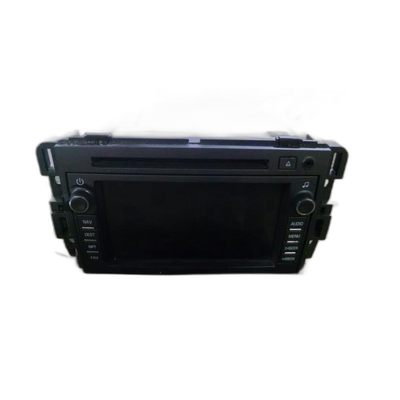
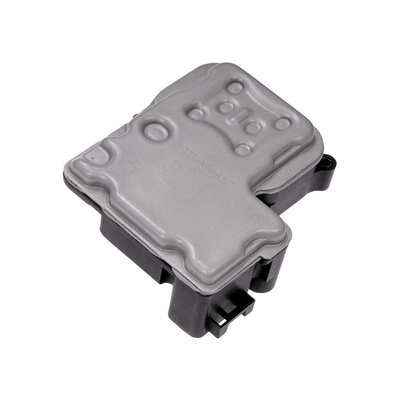
Shop the Parts Behind B1288
Below are the parts most often responsible for code B1288, ranked by how frequently each one is the actual culprit (per the diagnosis above). Tap any to see what we have for your vehicle.




The information in this article is provided for general reference and educational purposes only. Vehicle specifications, procedures, and part compatibility can vary by production date, trim level, and region. Always consult your vehicle's factory service manual and verify part numbers before purchasing or performing repairs. Safety-critical components such as airbags, seat belts, and braking systems should be installed by a qualified professional.
- 🧭 Diagnostic Flowchart
- 🛍️ Shop This Part
- What Does B1288 Mean?
- Can I Drive With B1288?
- Common Causes
- Symptoms
- Common Fixes & Costs
- Used vs. New Parts: Buying Guide
- What Happens If You Wait — Timeline
- Cost of Not Fixing It
- Diagnosis Steps
- When This Code Triggers (Freeze-Frame Conditions)
- Related Codes
- Climate & Environmental Factors
- How to Talk to a Mechanic About This Code
- Where to Take It: Dealer vs Independent vs Chain
- When to Walk Away From the Repair
- What Scan Tool You Need for This Code
- How to Clear the Code After You Fix It
- Will This Fail Emissions / State Inspection?
- Most Commonly Affected Vehicles
- Manufacturer-Specific Notes
- Real Owner Stories
- 2008 GMC Yukon Denali at 155K miles - The Classic GM Fix
- 2010 Chevrolet Silverado - A Costly Misdiagnosis
- 2009 Ford Focus at 110K miles - The C1288 ABS Fault
- How to Prevent This Code From Triggering
- Frequently Asked Questions
- Can I fix B1288 myself?
- What is the most common misdiagnosis for B1288?
- Why does my radio screen work sometimes after the truck sits?
- My scanner shows B1288 02. What does that mean?
- A mechanic insists I need a new radio for my Chevy. Should I get a second opinion?
- What tools do I need to fix B1288 on my GM truck?
- Will clearing the code fix the problem?
- What is 'Circuit 7066'?
- Key Takeaways
- 🎟️ Get 5% Off